Newsletters


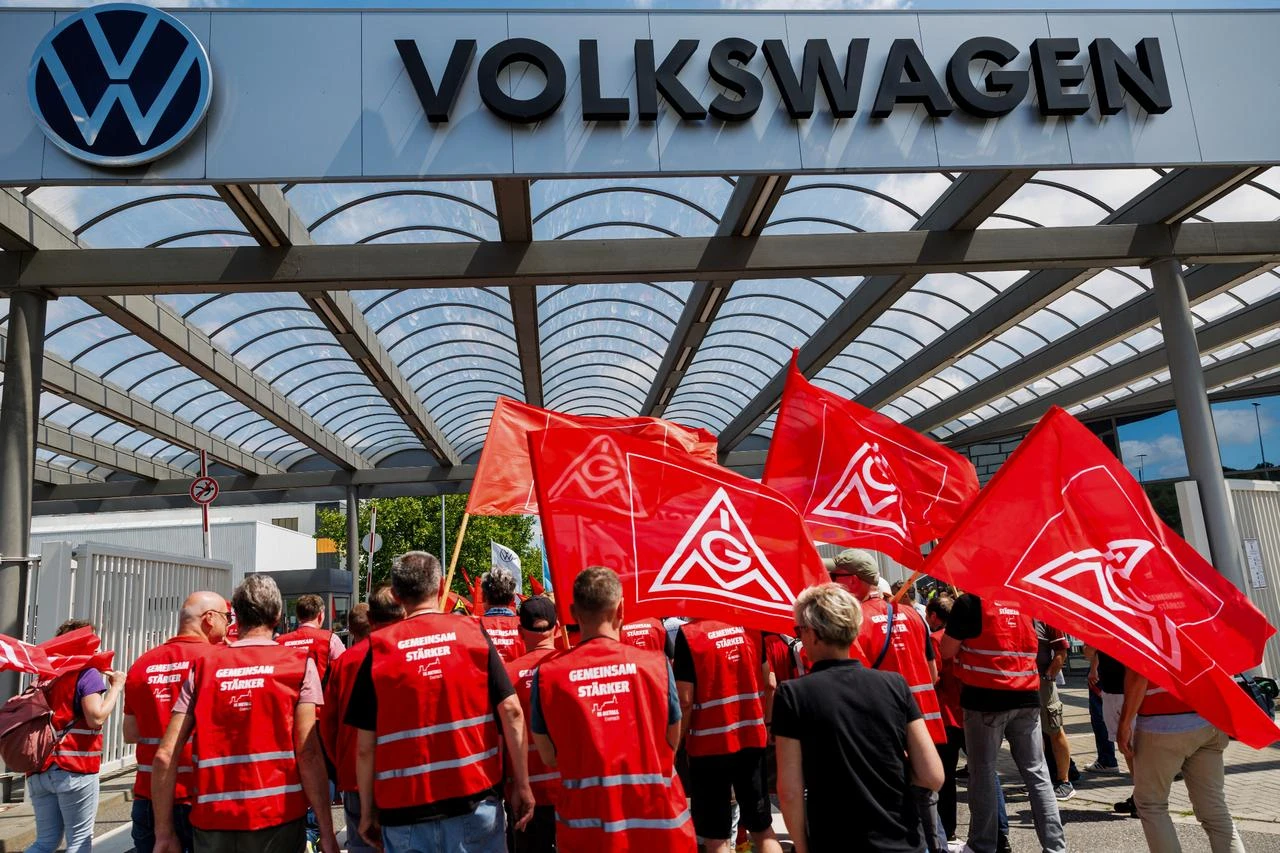


Volkswagen has admitted that the model behind decades of success no longer works. In June 2026, chief executive Oliver Blume put numbers to that admission.
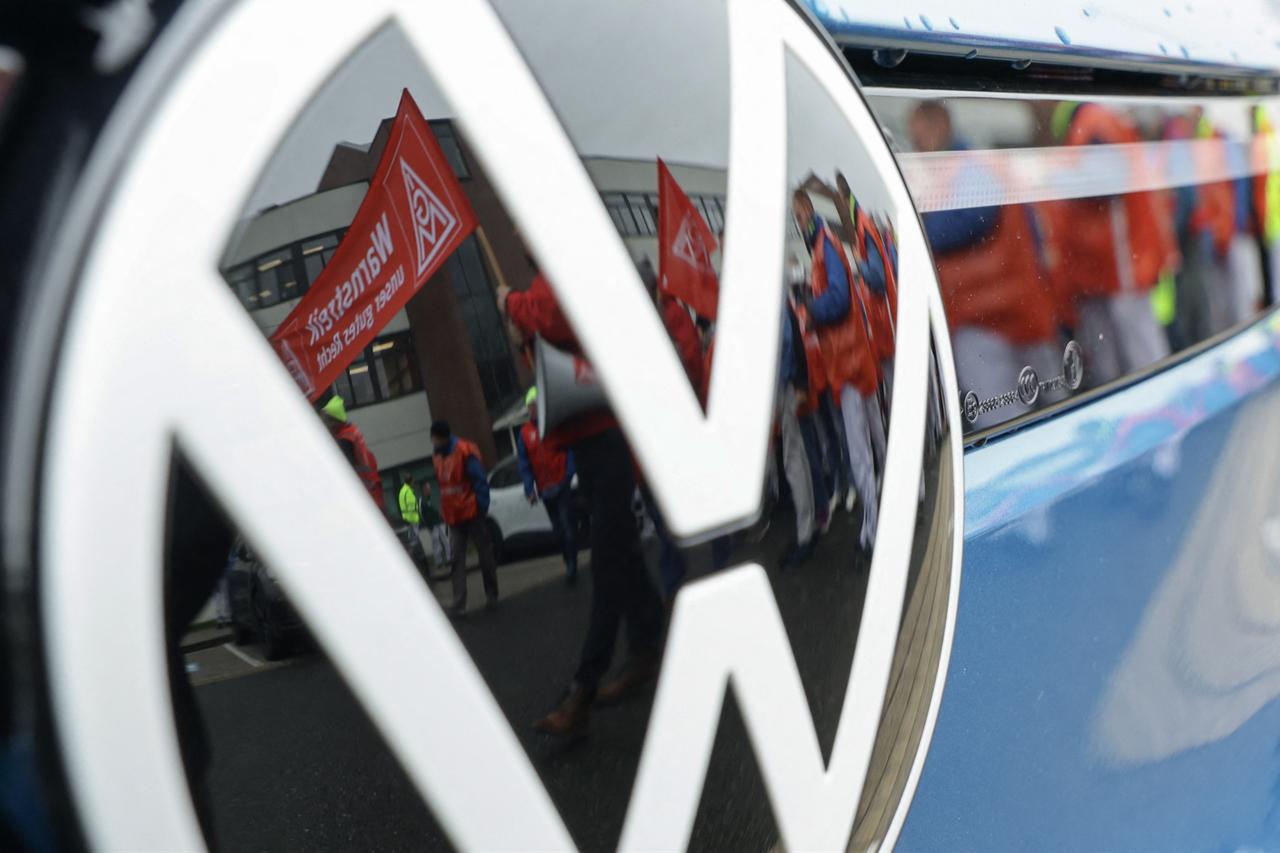
His plan cut up to 100,000 jobs worldwide and closed four plants, namely Hanover, Emden, Zwickau, and Audi's Neckarsulm. Three weeks later, his own board refused it, 12 of 19 members against.
Blume framed the crisis as a business failure. The law says otherwise. The 1960 VW Law requires a two-thirds board majority to move or close a plant, while the board is split evenly between labor and shareholders. In practice, labor alone can block such decisions.
This time, the state of Lower Saxony joined the workers, using its two seats to make sure the closures could not be approved. What was designed as a balance becomes a structural veto.
The VW veto is a line in company law that, in reality, acts like a brake on plant closures. Close the plants, and the AfD has its campaign ready in Saxony.
Keep them open, and Volkswagen is left with labor costs its Chinese rivals do not face. The governing parties in Berlin avoid the issue to protect their votes, with the clash over the plants persisting all the same.
The debate has shifted from whether plants will close to how much the government will give up before those closures happen.
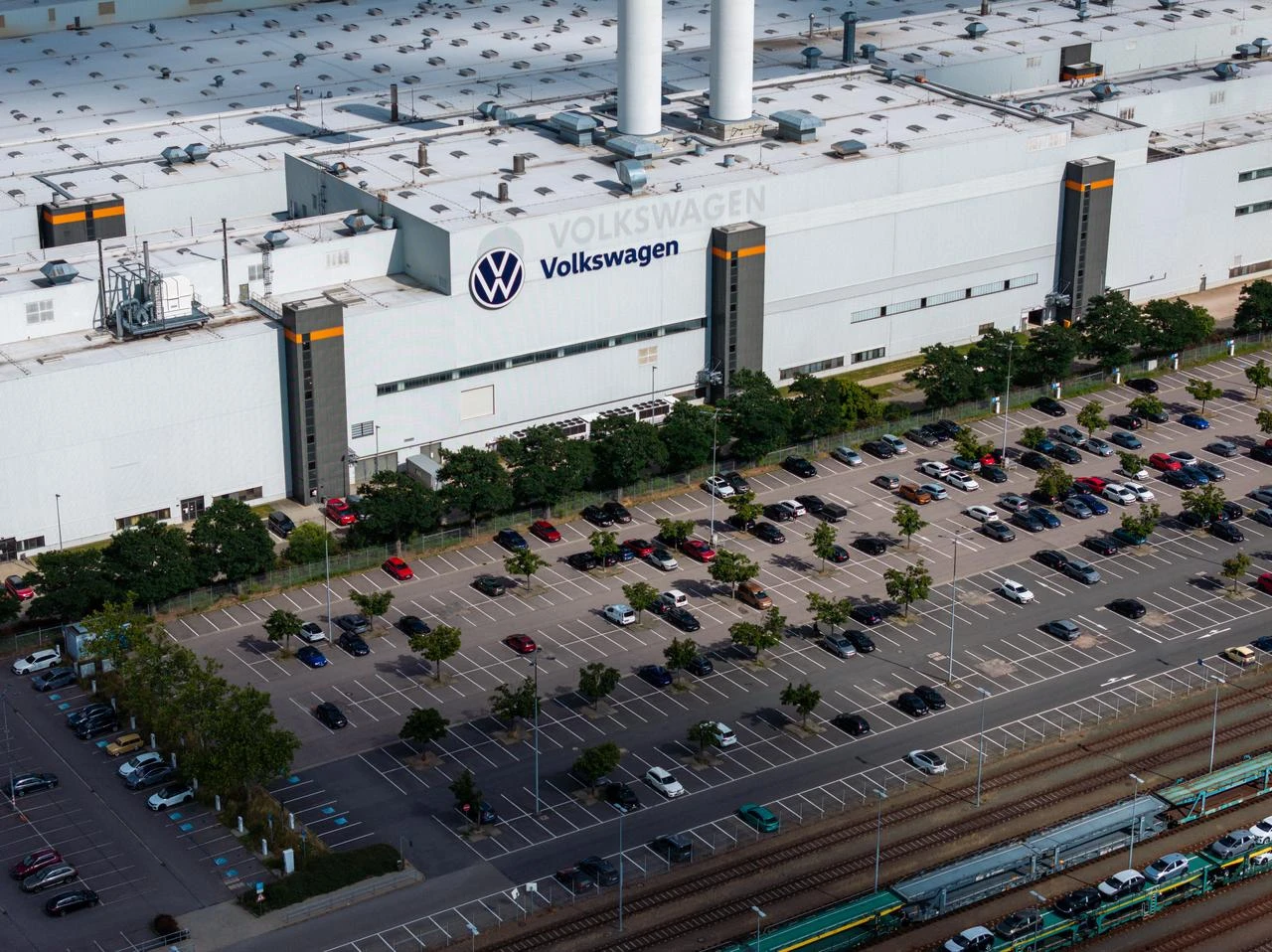

For now, the plan is on hold, and several thousand workers keep their jobs. The problem itself did not go away. Zwickau is still running below capacity, and Volkswagen still cannot sell enough cars to fill the plants it kept open.
Its labor costs are still higher than those of its rivals. The real question is whether the company can afford this many workers at all. The board did not answer that question.
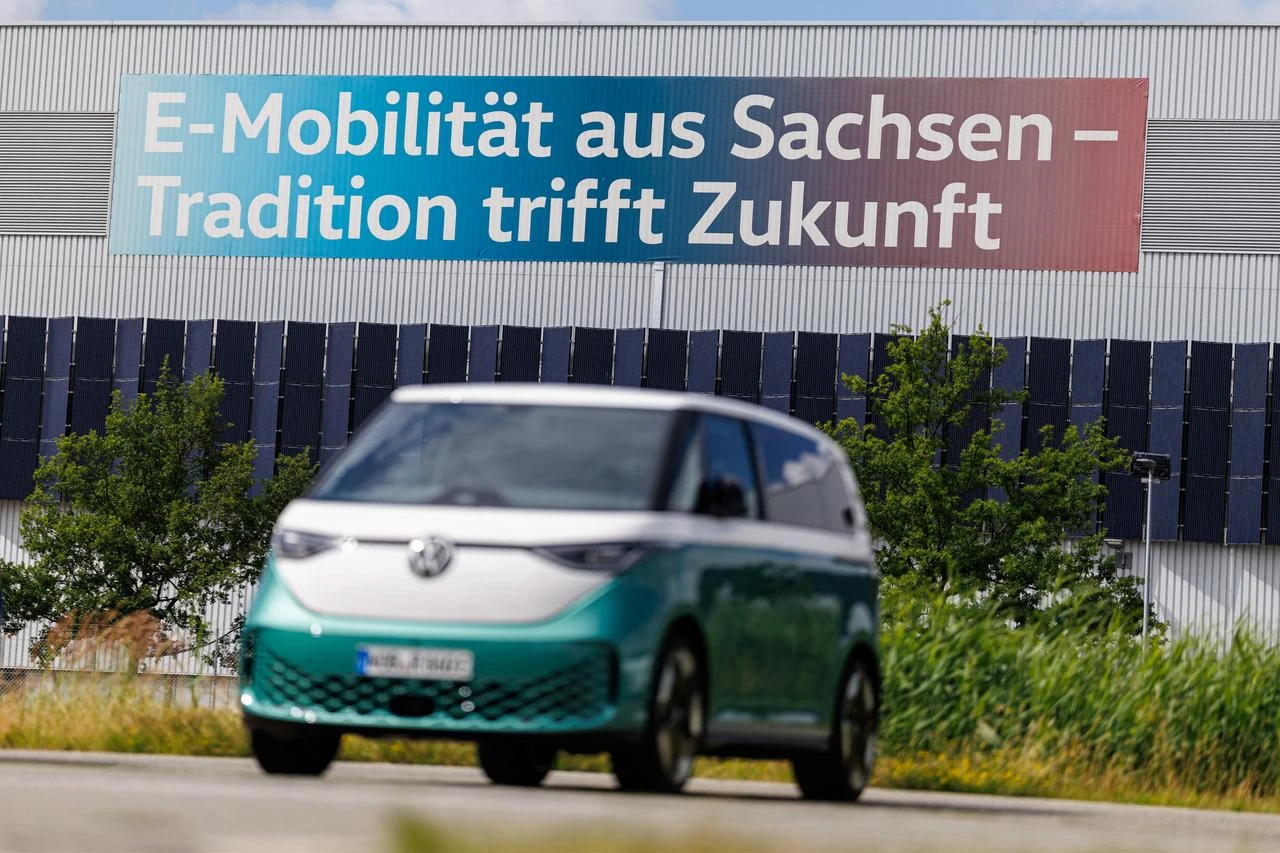
Zwickau, once celebrated as the world’s first high‑volume factory to complete a full shift to electric cars, now lives from one restructuring rumor to the next.
Because the decision on closures keeps being delayed, workers spend months in limbo, unsure if or when they will lose their jobs.
That uncertainty feeds the far right, which grows stronger by pointing to clear enemies while the government speaks in maybes and avoids clear deadlines.
Several parties now compete to present themselves as the factory's defender. Saxony’s Christian Democrats, Social Democrats, and the Left Party have all rushed to stand in front of the same gates and denounce Volkswagen’s restructuring plans.
Minister‑president Michael Kretschmer describes the proposed closures as unacceptable and casts VW as part of Germany’s core industrial identity, SPD economy minister Dirk Panter pledges to “fight for Zwickau” by inviting Chinese partners into its idle capacity, and Left Party leader Ines Schwerdtner attacks the plan as a deliberate sacrifice of workers on the altar of shareholder value.
Their rare agreement looks powerful in politics, while inside the company, it has little impact. None of these three leaders has a seat on VW’s boards.
The only public body with a direct vote on plant decisions is the SPD‑led government in Lower Saxony, which holds official seats and voting rights inside the firm.
The result is politics on two levels. Saxon leaders speak of resistance and solidarity, but they hold no vote inside the company.
The real decisions are made in Lower Saxony, under another coalition, far from Zwickau's factory floor.
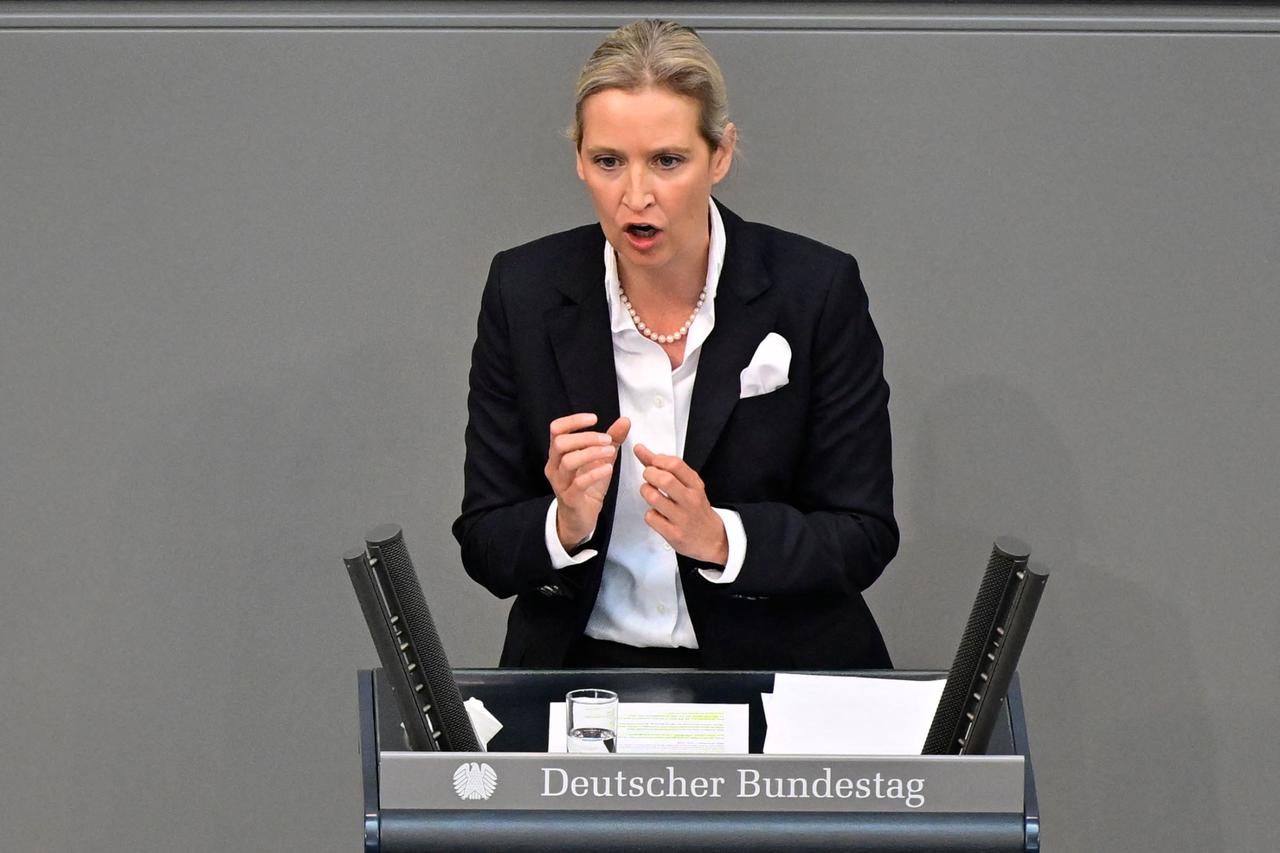
Both AfD and BSW blame Germany's climate policy for the threatened closure in different ways. The AfD is free to demand total reversals it will never have to deliver, lifting the sanctions on Russian gas, dropping the climate targets, reopening the fossil taps, all told through a simple story about a stolen factory.
BSW's economic spokesperson in Saxony argues instead that Zwickau was locked into exclusive electric production and is now being sacrificed despite remaining profitable. Here, the emphasis falls on policy design and economic viability, not ideology.
Both parties chase the same frustrated voters in eastern Germany, and both trace Zwickau's crisis to the same source.
Neither has to turn its slogans into an industrial plan that would survive a budget debate or a real investment decision. That is the structural freedom of opposition.
A party can name a culprit, climate policy, sanctions, or "ideology," without ever reconciling investment needs, energy prices, and export markets in one workable design. The companies it attacks enjoy no such freedom. Their plans have to satisfy auditors, rating agencies, and creditors.
In Berlin, the crisis is treated as someone else's doing, either global trends no government can control or mistakes made by earlier coalitions.
Christian Democrats blame the Greens' climate agenda for moving too fast. Social Democrats blame conservative governments for high energy costs.
Greens blame slow-moving industries that ignored the transition for too long. Each faction picks the stretch of history that makes its own record look cleanest.
Germany faces an industrial trilemma it can no longer escape. It can regain competitiveness by sacrificing jobs, by sacrificing factories, or by sacrificing its climate targets.
One sacrifice has to fall, and the coalition will not say which. It stays frozen, unwilling to admit whether it accepts more unemployment, more closures, or a slower transition.
Volkswagen behaves no differently. It warns that another 50,000 jobs may go if the plan keeps stalling; however, it never says which plants, which workers, or which promises. Berlin does the same. Both treat the past as an excuse.
The coalition calls a delay a way of saving plants, and it saves itself from electoral damage in the process. That hands the AfD a permanent seat on the factory floor.
While the government stays vague about what it will close, rebuild, or support, the far right is the only actor giving workers a simple, emotionally coherent story, one that feels true, about why their world is collapsing.


 Set as preferred source
 Set as preferred source


 1 min read
 1 min read