Newsletters


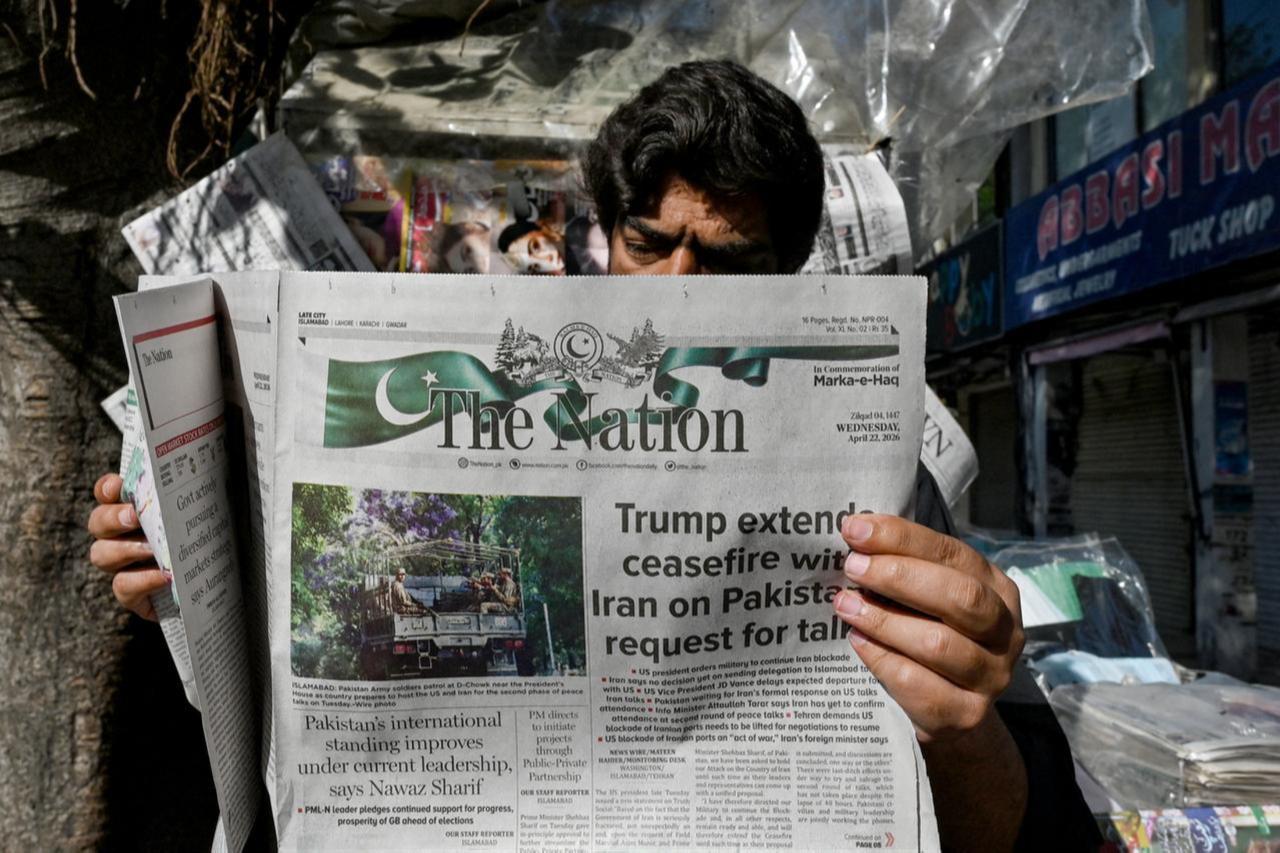


Tensions between Iran and the U.S. remain at a breaking point.
The ceasefire extended by Trump, however, appears to be aimed more at buying time for the deployment of the USS Bush—the U.S.’ third strike group—to the region than at giving negotiations a chance.
While the U.S. continues to build up equipment and personnel in the Gulf states via a massive airlift, Iran is not sitting idle.
The IRGC is flooding media channels with propaganda showcasing its latest kamikaze drones and short- and medium-range missiles stationed at new underground bases.
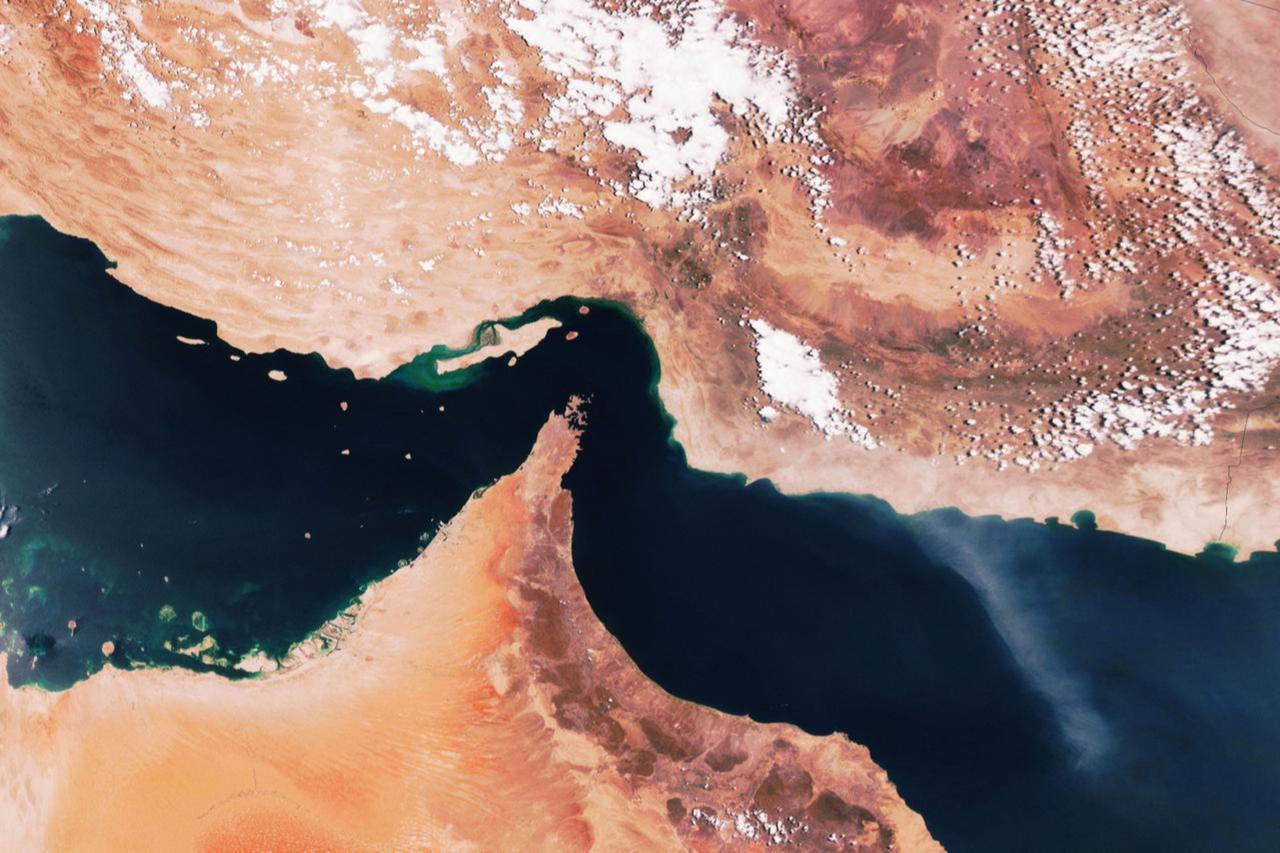
There are few credible signs of peace. Due to the ongoing Hormuz crisis, stress in the energy, fertilizer, and gas markets persists. Naturally, so do the risks of a global food and technology crisis and the threat of inflation that this triggers.
With Israel, the U.S., and Iran having plunged the world into one of the most serious and severe crises of recent years, mediators are not particularly hopeful about peace either. They are trying to send positive messages to the media, but the situation is far from rosy.
Although they hesitate to speak openly, the situation is not moving toward a resolution because the parties are unwilling to compromise on their conditions.
Everyone is avoiding being too explicit, but concern is growing from Pakistan to Ankara, and from Riyadh to Amman.
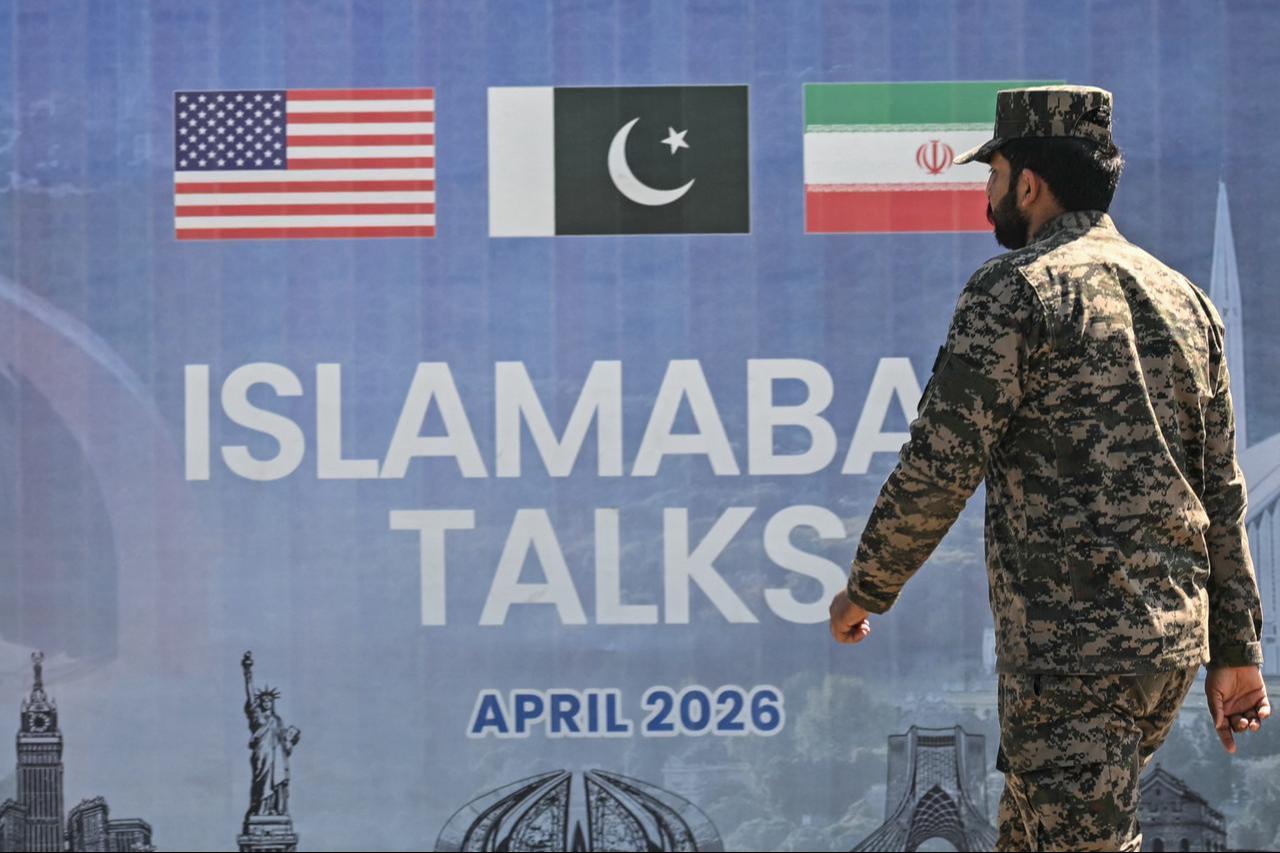

Consequently, whilst making a desperate effort to engage in diplomatic channels, military planning and talks with Saudi Arabia have intensified.
Pakistan could now become the most high-risk party in the event of a renewed conflict, second only to the Gulf region.
Ankara, however, is approaching the situation differently. Given its unique position, Türkiye suggests that military assets remain silent during negotiations to allow the ceasefire to be extended and talks to proceed on a softer footing through mutual concessions. Ankara is at least as concerned as Islamabad about the conflict reigniting.
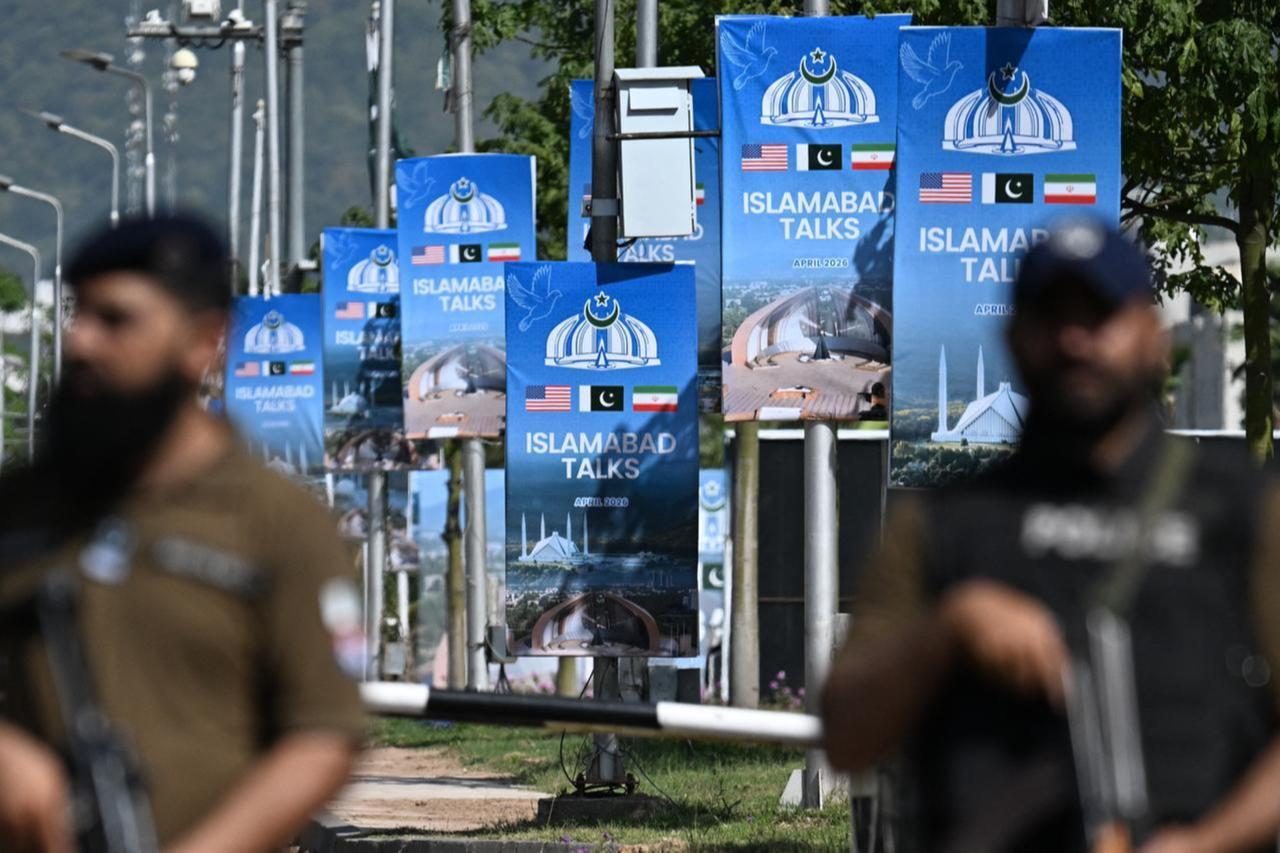
Nevertheless, Ankara continues to offer advice and diplomatic models to both the U.S. and Iran. Alongside Pakistan, Saudi Arabia, and Egypt, Türkiyeis working to ensure that this fragile pause does not collapse back into open war.
Although not as at risk as Islamabad, Ankara continues to make its calculations and preparations in the face of the conflict reigniting and the situation escalating into a broader regional war that would encompass Lebanon, Gaza and Yemen, and force the Gulf states’ alliances to take sides.
This is constantly being reviewed as a risk that must be factored in.
The expansion of the Strait of Hormuz crisis to the Bab el-Mandeb Strait, Saudi Arabia’s predicament following the Houthis’ involvement in the conflict, and the tense and fragile ceasefire in Lebanon are all part of the equation.
Further complicating the landscape are the ongoing genocide in Gaza and the latest statements by the Hamas faction regarding the handover of weapons, the activity of pro-Iranian militia groups in Iraq, and ongoing efforts by Mossad to unite the opposition within Iran’s ethnic strata with Kurdish armed groups. These and many other layers and development scenarios are all central to Ankara’s calculations.

The fact that we have come to realise, after a few days, that Iran’s statements—which Pakistani officials claimed were merely ‘tactics to secure maximum advantage in negotiations’—constitute a policy declaration also explains why the sense of optimism has waned.
Iran remains unwilling to make concessions on fundamental issues. Employing a strategy carefully calculated to unsettle both the U.S. and the global system, Tehran is using its leverage over the Strait of Hormuz and the Gulf states to force Washington to back down.
However, as the war that began as a "four-day" conflict approaches its 55th day, the Trump administration is under pressure to secure a decisive victory to mask falling approval ratings, rising energy costs, the depletion of strategic munitions, and the failure of its China strategy.
Only time will tell whether Trump will back down or, as a last resort, take a different course of action that crosses the boundaries feared to be breached by Russia in Ukraine.
From my discussions with sources familiar with the matter, I understand that in the current climate, there is a chance for peace, but not as much as there is for conflict.
The scenario currently being calculated and sought is not full peace; rather, it is an extended, fragile ceasefire regime that carries a high risk of frequent violations.
This is because military pressure continues, tensions at sea and over energy routes are not easing, and there are no signs of either side backing down on their core demands.
The only factor keeping the prospect of peace alive is the parties’ realization of the cost of war. However, the fact that this cost hits the US’s allies and neighbouring countries harder than it does the US itself could make Washington more reckless in this regard.
This, in turn, poses a serious risk. In other words, as the parties have not yet decided which costs they can or cannot bear, there is a ceasefire but no peace, according to one official.
Time heals all wounds. It will resolve this issue, too. However, the risks and costs could take on a rather serious and damaging form.
Hopes are focused not so much on peace as on a fragile ceasefire regime, and virtually all parties have experienced in the past that this does not bring stability.


 Set as preferred source
 Set as preferred source


 1 min read
 1 min read