Newsletters


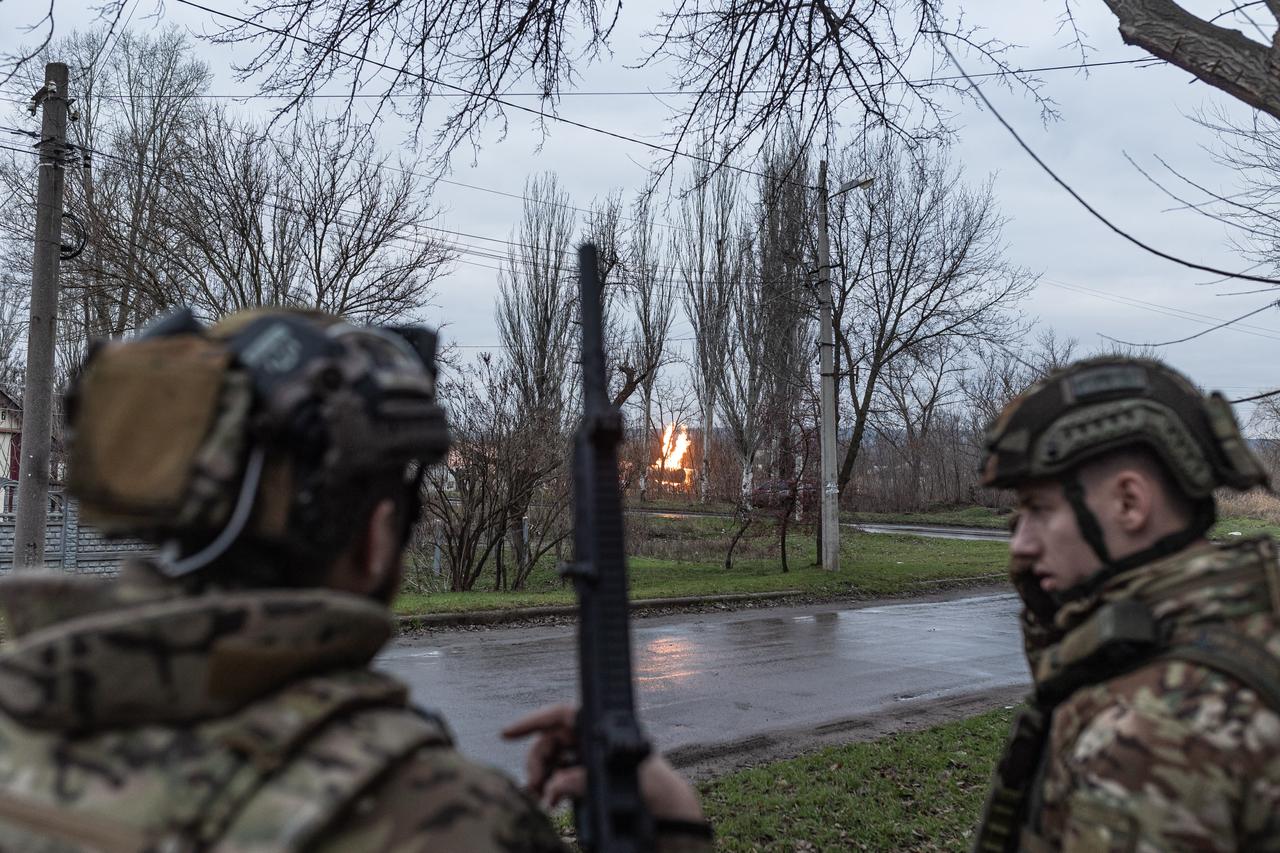


Earlier this week, a newly unveiled 20-point proposal emerged as the latest framework shaping discussions around a possible ceasefire in Ukraine.
Compared to earlier outlines that circulated during initial U.S.–Russia contacts, the current plan reflects a narrower and more pragmatic set of objectives.
The proposal includes mutual military pullbacks from parts of the Donbas region, covering both Ukrainian and Russian forces, alongside the idea of establishing a form of free economic zone.
These elements suggest a recognition that neither side is positioned to impose a decisive outcome in the near term without prohibitive costs.
Despite this recalibration, expectations in Moscow remain low. The Kremlin has indicated it is still “formulating its position,” but there is little sign that the plan aligns with Russia’s core territorial ambitions. Even so, the mere fact that detailed proposals are being exchanged points to incremental progress after months of diplomatic stagnation.


Russia’s leadership has consistently framed control over Donbas as non-negotiable. In particular, Moscow appears intent on consolidating authority over the entirety of the region, including areas of Donetsk that remain under Ukrainian control. From this perspective, proposals involving reciprocal withdrawals are unlikely to generate enthusiasm in the Kremlin.
On the battlefield, Russian forces continue to make gradual advances, reinforcing Moscow’s belief that time is on its side. This military momentum reduces incentives to accept compromises that could freeze the conflict short of Russia’s stated objectives.
As a result, any agreement that leaves parts of Donbas outside Russian control faces steep political resistance in Moscow.
Still, diplomatic engagement has not fully collapsed. Talks now revolve less around sweeping visions of victory and more around lines of control, buffers, and interim arrangements.
That shift alone marks a departure from earlier phases of the war, when both sides publicly dismissed the idea of negotiated concessions.
Beyond territory, Ukraine’s leadership has placed heavy emphasis on securing external guarantees to deter future Russian aggression.
Kyiv has sought commitments from the United States, NATO, and the European Union, aiming for assurances that would function as a credible security backstop after any ceasefire.
An ironclad guarantee comparable to NATO’s Article 5, however, appears highly unlikely. Such commitments would require binding treaty obligations, domestic ratification processes, and political consensus that currently do not exist, particularly in Washington.
Any arrangement falling short of this threshold would be more political than legal in nature.
The most plausible outcome is a set of coordinated statements from Western partners affirming support for Ukraine in the event of renewed aggression. These pledges would be meaningful but limited, offering reassurance without the full weight of treaty-based defense obligations.
European leaders have already framed Ukraine’s security as inseparable from Europe’s own, yet the gap between rhetoric and enforceable guarantees remains significant.
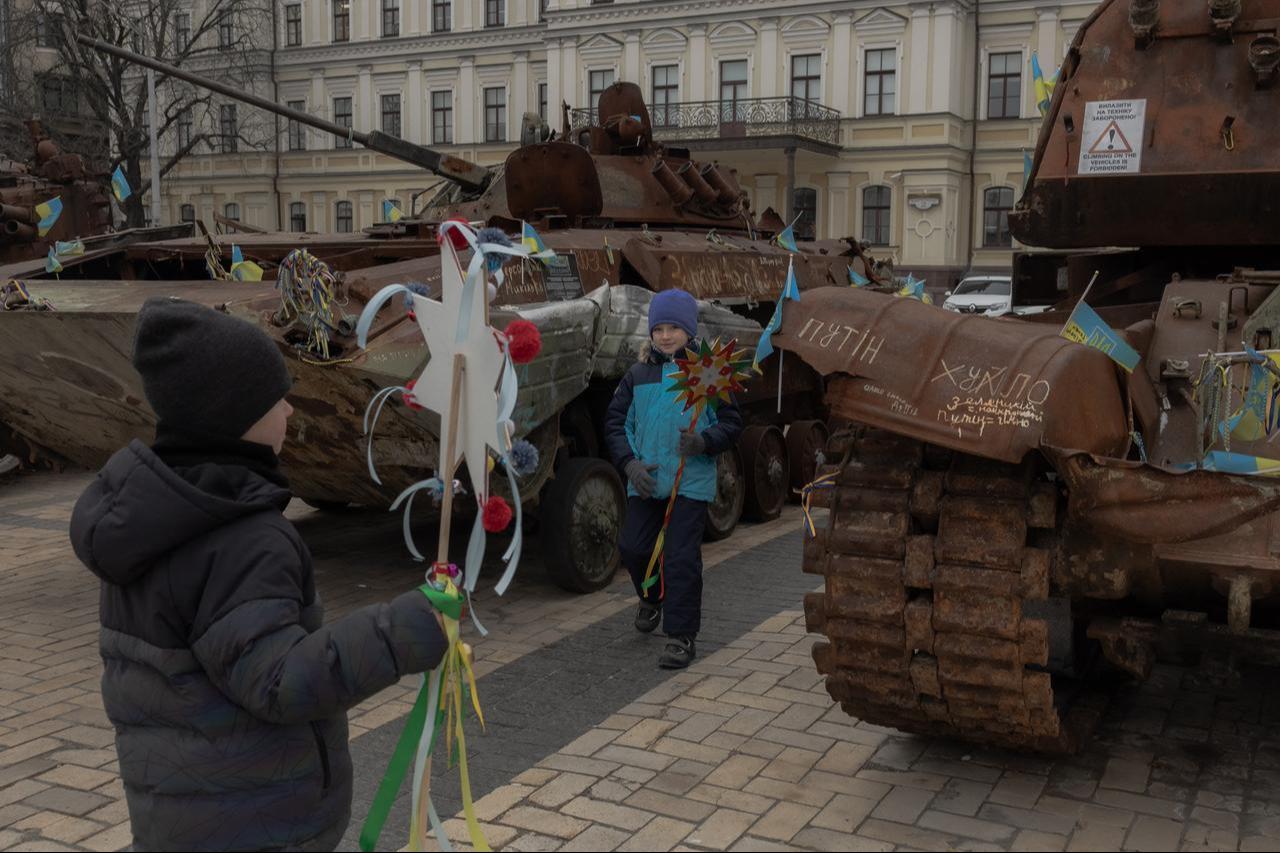
Territorial control remains the most sensitive and politically charged aspect of the negotiations. Ukrainian leadership has openly acknowledged this reality, emphasizing that current positions reflect the hard limits imposed by the war.
Unlike earlier stages, Kyiv now faces mounting internal and external pressures that narrow its room for maneuver.
Ukraine is grappling with manpower shortages, financial strain, and sustained demands for weapons and ammunition.
A corruption scandal reaching into senior levels of government has further complicated the domestic picture. Combined with Russia’s incremental gains, these factors have weakened Ukraine’s bargaining position.
In this context, once unthinkable territorial concessions are increasingly part of the conversation. The strategic calculation hinges on what follows a ceasefire.
If concessions result in a stable, defensible, and sovereign Ukrainian state on the remaining territory, they may be viewed as a painful but necessary trade-off. The larger question is whether Moscow is prepared to accept such an outcome, or whether territorial negotiations are merely a prelude to further demands.
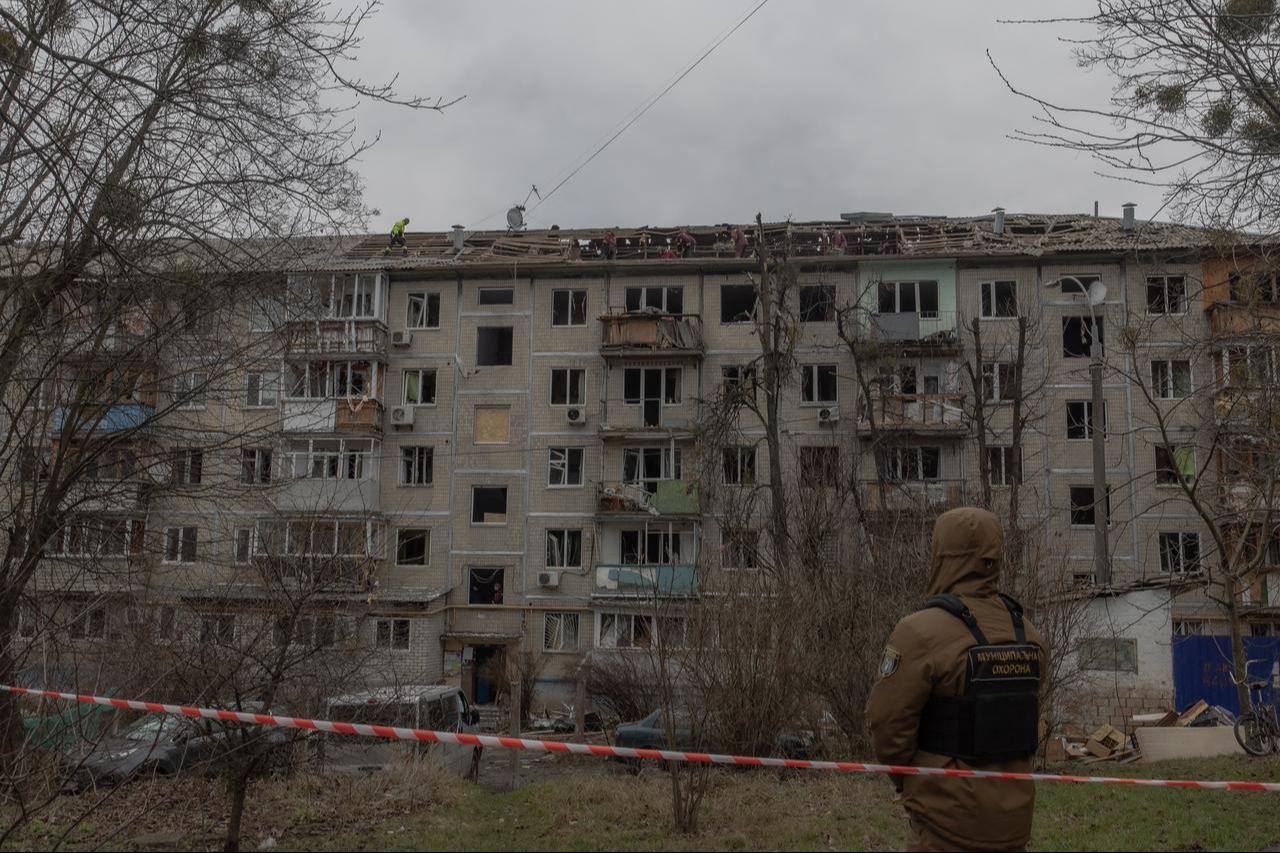
While percentages of land in Donbas dominate headlines, the broader issue is the future political orientation and security of Ukraine as a state.
The decisive question is not whether borders shift by 10% or 20% but whether any agreement allows Ukraine to exist as a free and independent country beyond the ceasefire line.
Negotiations are now edging toward that fundamental test. The answers will depend less on the technical details of withdrawal zones and more on whether both sides are willing to recognize limits to what can be achieved through force alone. For now, diplomacy has re-entered the picture, cautiously and imperfectly, against a backdrop of ongoing war.


 Set as preferred source
 Set as preferred source


 1 min read
 1 min read