Newsletters


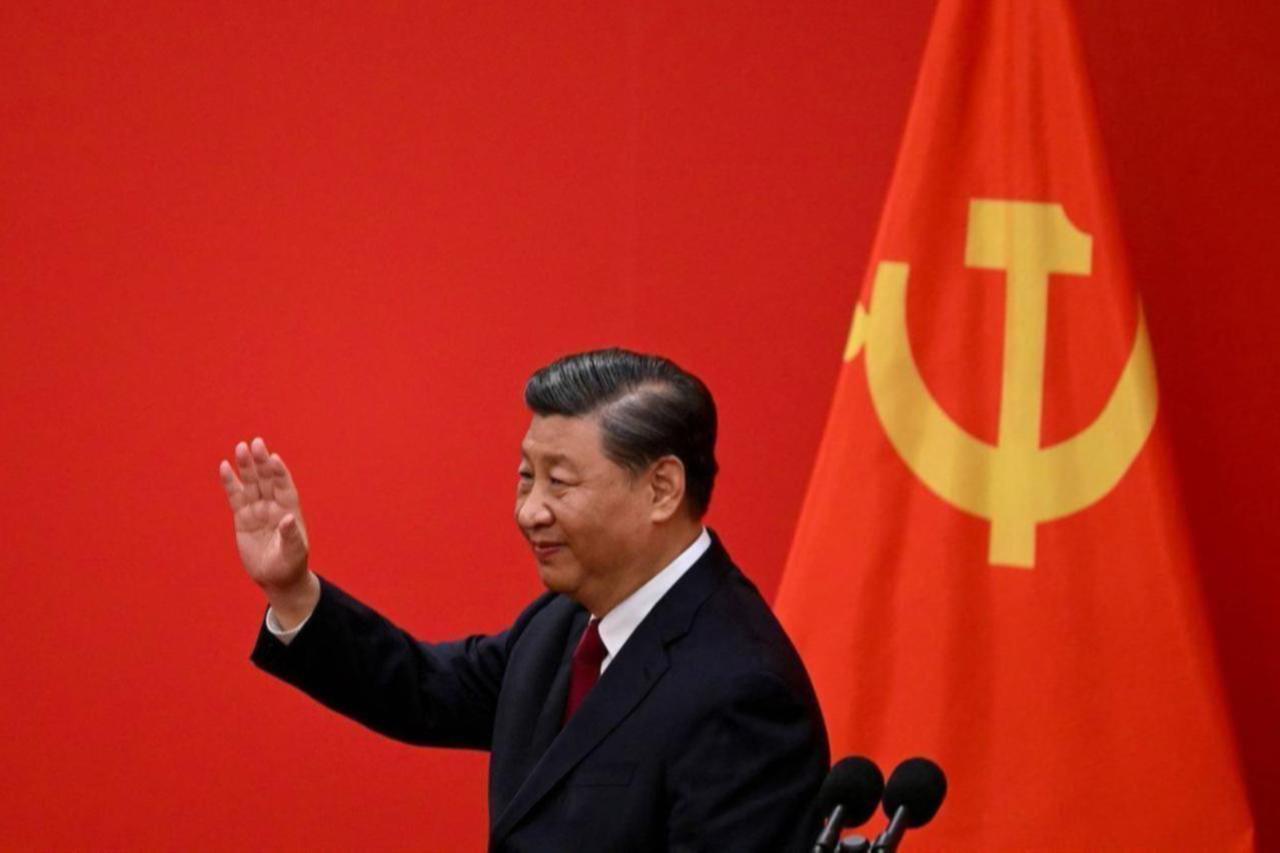


When the bombs fell on Tehran on Feb. 28, the world watched Washington. However, the real turning point happened weeks earlier, in a phone call between two presidents and in what one of them chose not to say.
Before the U.S. and Israel launched Operation Epic Fury, Donald Trump and Xi Jinping spoke by phone. The American readout mentioned rising tensions with Iran. The Chinese version did not. It focused on Taiwan, trade, and the health of bilateral relations.
That deliberate, officially documented omission deserves close attention, as it reveals the strategic thinking behind China's subsequent actions. Throughout this conflict, Beijing has maintained two parallel, carefully crafted narratives: one for its domestic audience and the Global South, and another for its Western partners. Understanding China's position requires reading both simultaneously.
In the days after the strikes, China's public messaging turned sharply confrontational. Foreign Minister Wang Yi declared that "might does not make right" and warned that the attacks proved "the world has regressed to the law of the jungle." A special envoy toured Arab capitals. Beijing announced $200,000 in emergency humanitarian aid for Iran. The Foreign Ministry condemned attacks on civilians, on schools, and on sovereignty. It was the posture of a country positioning itself as a principled actor opposed to the use of force.
Nonetheless, look closer, and the performance frays. Wang Yi never named the United States or Israel as aggressors despite there being, as one analyst noted, "little doubt" about who he meant. China's envoy visited Saudi Arabia, the UAE, Kuwait, and Egypt. He did not go to Tehran. And when Iran closed the Strait of Hormuz through which roughly 40% of China's imported oil passes daily, Beijing's response was to call on "all parties" to cease hostilities. Beijing's response took the form of a general call for de-escalation, addressed to all parties rather than directed at any specific actor.
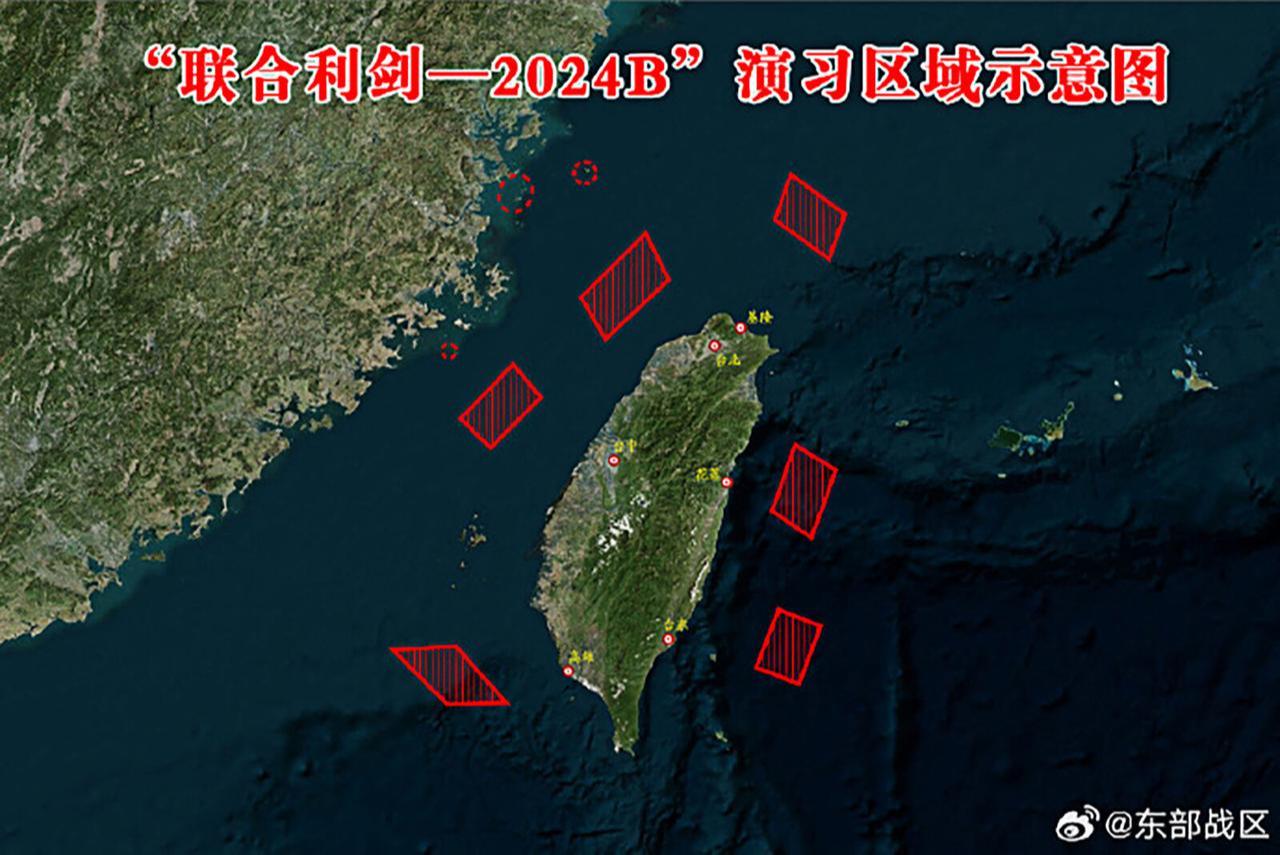

The phone call readout tells you what Xi actually wanted from this crisis. In Beijing's official account, the conversation centered on Taiwan. Xi reiterated it was an inalienable part of China, warned against arms sales, and extracted what amounted to a commitment from Trump to tread carefully. In the days that followed, Trump delayed a multi-billion-dollar arms package to Taiwan.
Iran never appeared in China's version of the call. The hierarchy could not be clearer: Taiwan is a red line. Iran is a variable.
This reframes the entire conflict. China was not "silenced" by the war. It had advance knowledge that tensions were escalating and chose, at the highest level of its government, to use that moment to negotiate over Taiwan, not to protect Iran. The muted response that followed was not reluctance. It suggests China's restraint was premeditated, not reactive. It was a policy position established before the first strike landed.
There is a third dimension to Xi's narrative that runs parallel to both of the above. China's condemnations, carefully worded, stripped of accountability, heavy on U.N. Charter language, are not primarily addressed to Iran or the United States. They are addressed to the Global South, to the audience of nations that have watched Washington operate by its own rules for decades and are looking for an alternative pole.
Wang Yi's "law of the jungle" line is not a protest. It is a brand positioning statement. China wants to be seen as the country that said the right things while America dropped bombs. It costs nothing. It builds influence. And it does not require China to actually do anything that risks its equities with Washington.
The $200,000 in aid to a country that exports 90% of its oil to China at a significant discount is symbolic. However, symbolism is the point for this audience.
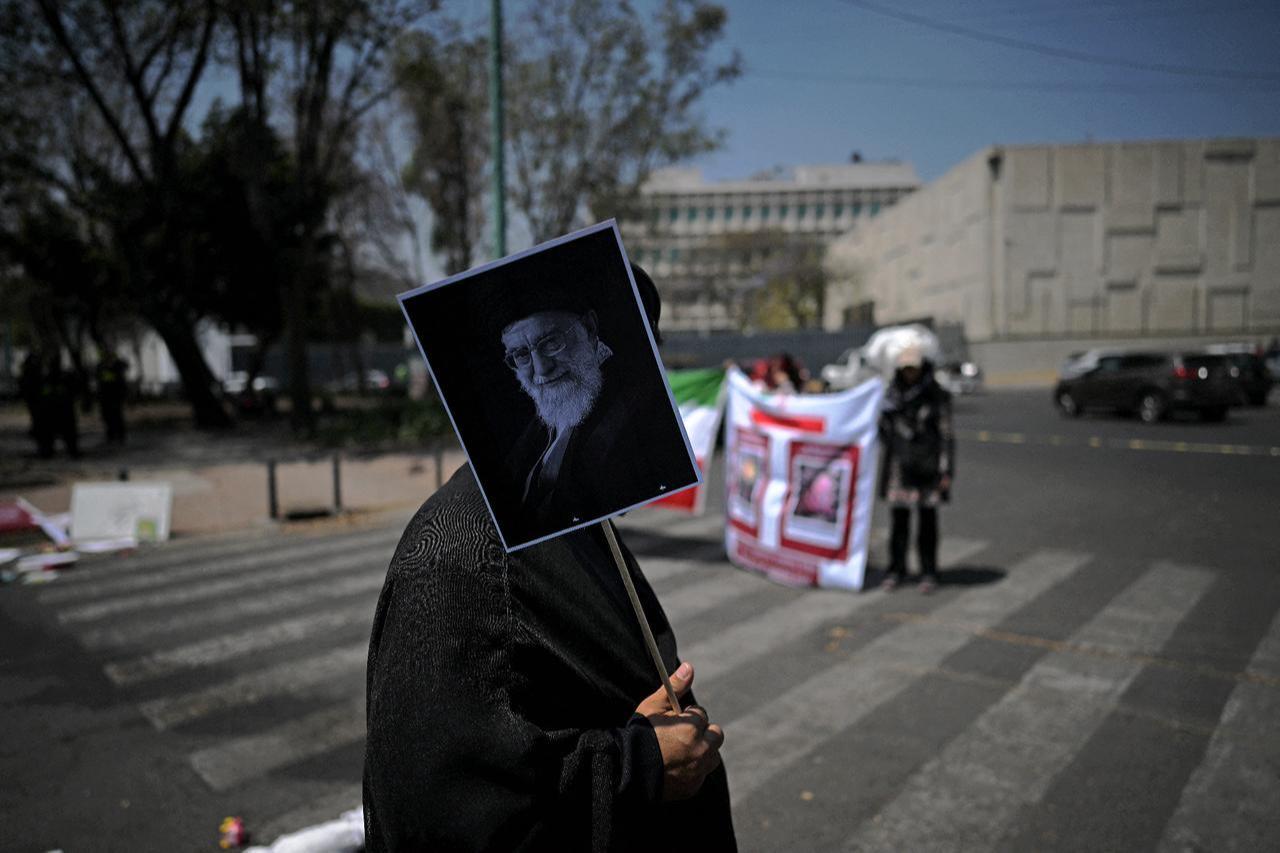
Not all analysts see China's response as hypocritical. One line of argument holds that staying out of the conflict was strategically rational: military involvement in the Middle East would be costly, and a direct confrontation with Washington over Iran could seriously damage the broader US-China relationship. There is also a reasonable case that China's diplomatic activity, its calls for de-escalation, and its envoy's outreach to Iran's neighbors may have contributed to containing the conflict.
These arguments have merit. The harder question, however, is not whether China chose its own interests over those of a partner; most states do, and few are criticized for it. It is whether a country can consistently invoke the language of international law and sovereignty in public while making purely strategic calculations in private. Whether that constitutes inconsistency or simply realpolitik is something observers will assess differently.
The Iran war has not forced Beijing into an uncomfortable position so much as it has made an existing position visible. China did not fail to respond to the conflict. It responded precisely as its interests required: securing a Taiwan commitment from Washington before the first bomb fell, performing principled opposition for a Global South audience that was watching, and carefully avoiding any action that would impose real costs on a relationship with the United States it has spent years trying to stabilize.
The result is a foreign policy that is internally coherent but externally contradictory. Beijing has managed this structural tension before, most notably during Russia's invasion of Ukraine in 2022, when it followed a strikingly similar pattern of rhetorical condemnation without consequential action. On each occasion, it correctly calculated that its partners' material dependence on China would outlast their moral expectations of China.
What the Iran war has exposed, however, is that this calculation carries diminishing returns. A foreign policy doctrine built on non-interference and multilateral solidarity generates expectations, and when those expectations are visibly unmet under pressure, the doctrine itself begins to erode. Countries in the Global South are not naive observers. They are strategic actors making their own assessments of what alignment with Beijing is actually worth in a crisis.


 Set as preferred source
 Set as preferred source


 7 min read