Newsletters


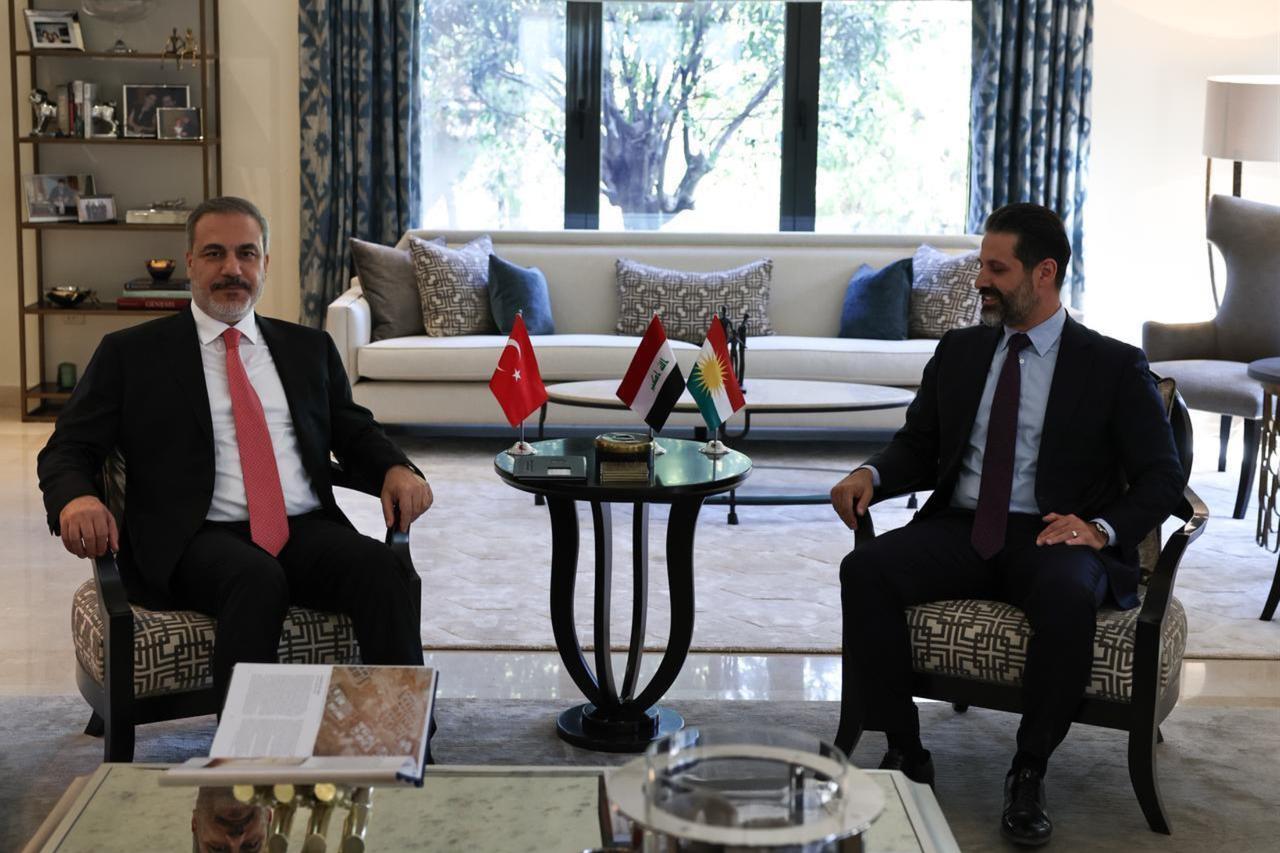


Iran’s gradually declining regional influence, which primarily began in the aftermath of the events of Oct. 7 in the Middle East, faces further weakening amid its ongoing war with Israel and the U.S.
As Iran is under existential pressure, with strikes now targeting the regime's inner circle in Tehran, regional actors with close ties to the country are also likely to reassess their alignments and foreign policy priorities.
At the same time, the potential power vacuum resulting from Iran's weakened regional standing offers an opportunity for other actors. This trend indicates a new and unusual opportunity for Ankara, a longtime rival of Iran, and the Sulaymaniyah-based Patriotic Union of Kurdistan (PUK)—which has maintained good ties with Tehran—to recalibrate their traditionally strained relations.
Türkiye has maintained close political, economic, and security ties with the Erbil-based Kurdistan Democratic Party (KDP), the dominant political party in the Kurdistan region of Iraq (KRI).
This partnership has been driven by a combination of mutual economic interests, energy cooperation, and shared security concerns regarding the existence of PKK and Iranian influence in northern Iraq.
In contrast, Türkiye’s relations with the PUK—the second largest political party in KRI—have remained comparatively limited and often contentious. These tensions have largely stemmed from divergent regional alignments and security disagreements.
A central source of friction between Ankara and the PUK has been the latter’s historically close ties with Iran. Maintaining good political relations with the Iran-backed Iraqi political and militia groups, the PUK has frequently placed the party within Iran’s broader regional network of influence in Iraq.
Moreover, the PUK has often opposed Türkiye’s military operations and airstrikes targeting the PKK and SDF in KRI and Syria, respectively. Tension between Ankara and Sulaymaniyah peaked when a suspected Turkish airstrike in Sulaymaniyah killed PUK security members, but Türkiye did not claim the attack.
Standoff further escalated amid Turkish officials’ public warnings against the PUK leader Bafel Talabani over the PKK presence in the region.
Despite this historically tense relationship, recent developments suggest a potential softening in Ankara-PUK relations. In fact, Türkiye’s renewed peace process has played a key role; largely initiated by Erdogan ally, nationalist MHP leader Devlet Bahceli’s October 2024 call for Abdullah Ocalan to dissolve the PKK, appears to have temporarily halted security tensions. The shift has opened necessary diplomatic space for Ankara to engage with the PUK.
As an example of this, the PUK hosted a PKK disarmament ceremony in Sulaymaniyah in July 2025, signaling the PUK’s active mediatory role in the peace process. In addition, Ankara lifted its two-year-long flight ban on Sulaymaniyah in October 2025, originally imposed on the alleged PKK presence in the city.
While these steps should not be interpreted as a full normalization of relations, they nonetheless represent important confidence-building measures that may facilitate future cooperation between Ankara and Sulaymaniyah.
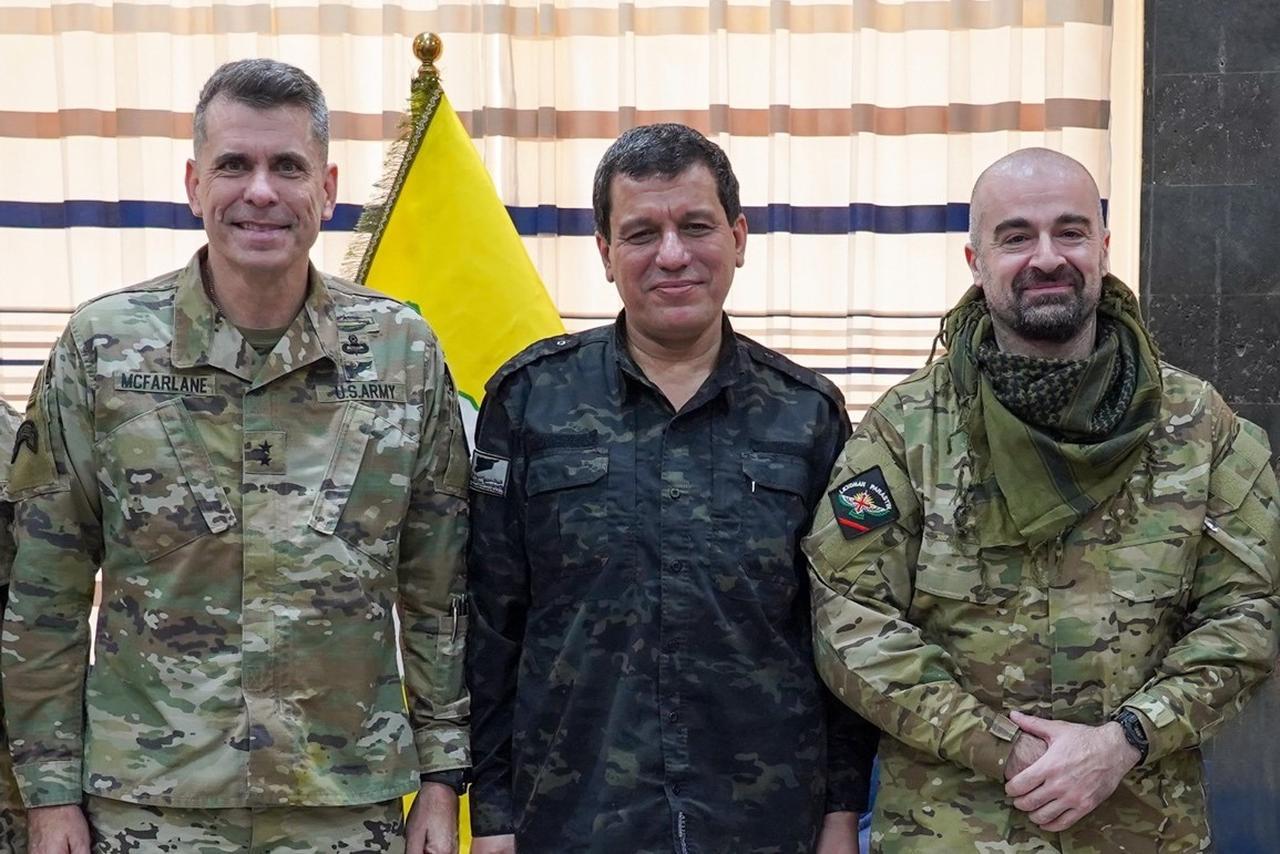

Despite the PUK's geographical proximity to Iran and the political leverage it has gained in both KRI and Iraq through its relations with Tehran, the evolving regional environment is pushing the PUK into an increasingly complex strategic position.
As the Israel-U.S. war on Iran began, the PUK finds itself in a formidable phase, having to manage its stances between two competing geopolitical poles.
Historically, the PUK has benefited from close relations with the U.S. while maintaining similar ties with Iran, navigating in the very "gray area" created by the growing hostility between Washington and Tehran.
The fact that Iraqi Kurds, including the PUK, are not involved in the war and are calling for peace and stability is vital to preserving the KRI's gains. However, reports of alleged Israeli and U.S. support for the Iranian Kurds living in KRI to revolt against the regime in Tehran prompted all top Iraqi Kurdish officials to repeatedly deny any involvement in such a plan.
However, the leaking of this plan to the media before it was implemented could be interpreted as a form of pressure on Iraqi Kurds to choose sides. Similarly, Iran and its aligned Iraqi militias have intensified strikes on the region, citing the U.S. military presence as a justification. Tehran’s threat to escalate attacks if Iranian Kurds revolt against the regime is also aimed at forcing the Iraqi Kurds to choose sides.
Therefore, regardless of the outcome of the war, a new era is opening up for the Iraqi Kurds, but especially for the PUK, in which this "gray area" will begin to disappear, if not vanish entirely.
Although PUK should not be expected to ignore its historical, economic and political ties with its neighboring country Iran, it could choose to balance its close ties with Tehran, a regionally isolated actor.
In fact, the PUK leader Bafel Talabani’s remarks in an interview with Fox News, indirectly confirm that the war between the two actors with whom PUK maintains ties has placed the party’s "unique position" at a challenging crossroads.
Talabani stated that the KRI needs to be "a bridge, not a battlefield," stressing that "the Kurds are uniquely positioned as being your (U.S.) great allies, and a partner and a neighbor of Iran."
 1 min read
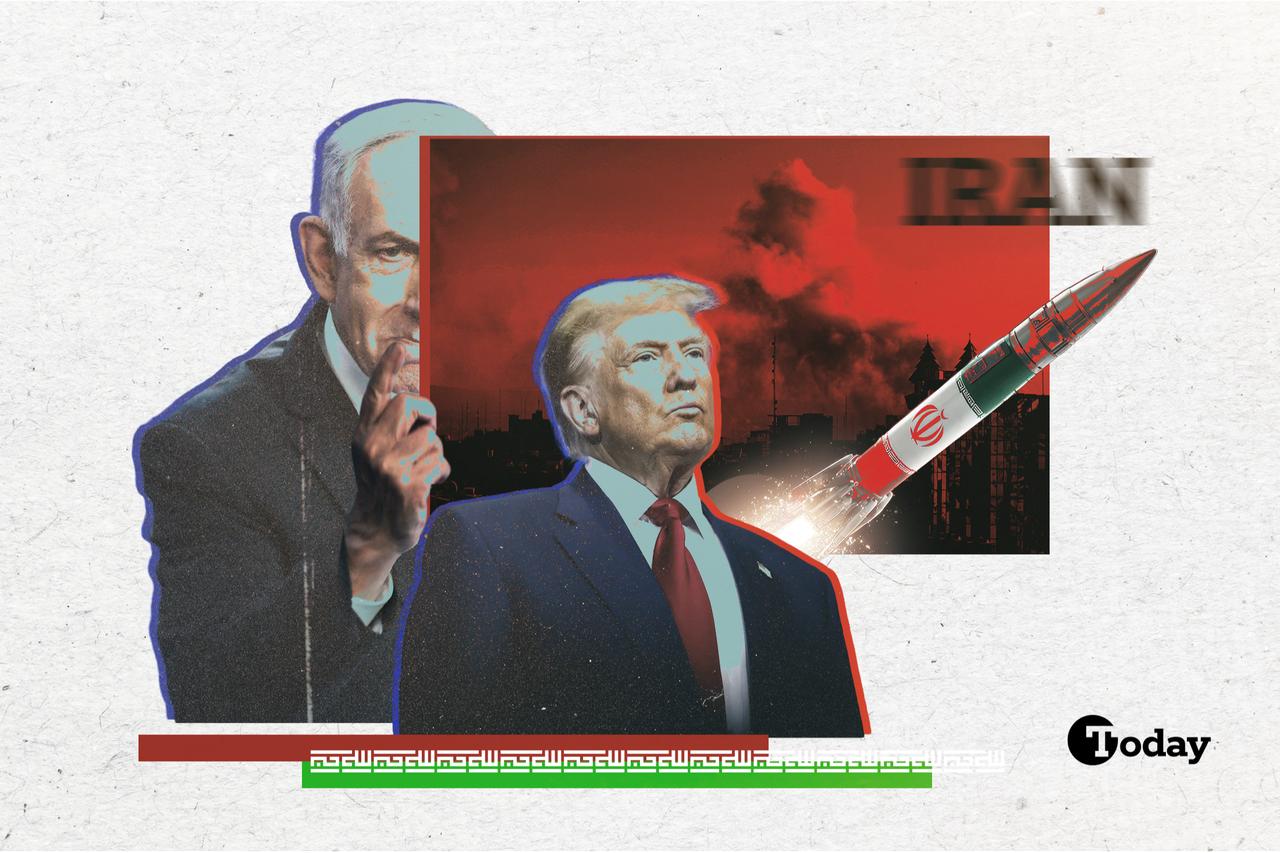
Within this context, declining Iranian influence combined with the peace process may provide each actor a historical opportunity in moving their ties to a win-win level, at least to a certain degree.
Ankara appears to view the current geopolitical moment as an opportunity to expand its influence beyond the traditional KDP-dominated areas of KRI.
Engaging more constructively with the PUK could allow Türkiye to diversify its regional partnerships while simultaneously reducing the extent to which Sulaymaniyah remains embedded within Iran’s sphere of influence.
Ankara’s pragmatic relationship with the PUK could contribute to greater stability in the KRI by helping the KDP and PUK draw closer together, and could support efforts to contain Iranian-backed groups in Iraq as part of broader regional security arrangements.
For the PUK, recalibrating relations with Türkiye may offer several strategic advantages. First, closer ties with Ankara could enable the party to balance its relationship with Iran at a time when Tehran’s regional position appears increasingly uncertain.
Second, expanding cooperation with Türkiye could strengthen the PUK’s position in its long-standing political rivalry with the KDP. Historically, the KDP has benefited significantly from its strong economic and political ties with Ankara, particularly in the domains of trade and energy exports. Developing similar channels of cooperation could help the PUK reduce this structural imbalance.
Potential energy cooperation on Sulaymaniyah’s substantial natural gas reserves represents one of the most promising avenues for such engagement. In the long term, exporting these resources through Türkiye could generate significant economic benefits while also strengthening the PUK’s geopolitical impact.
For Ankara, access to additional energy supplies would further reinforce its ambition to position itself as a regional energy hub linking Middle Eastern resources to European markets.
Essentially, Talabani's recent statement that they “have pursued all our diplomatic efforts, engaging at the highest levels with the leaders of Iran, the United States, and Turkey” is a clear indication of increased contact between Ankara and Sulaymaniyah.
Nevertheless, some risks remain that could disrupt a potential rapprochement between Ankara and Sulaymaniyah. Just as Ankara's peace process with the PKK facilitates easing the tension with Sulaymaniyah, its potential failure could also make the ties strained again, depending on the outbreak of conflict between the PKK and Türkiye.
Another sensitive issue is related to the Iranian Kurdish armed groups’ potential mobilization in Iran. In case these groups launch an operation in Iran, this could retest already fragile Ankara-PUK ties.
In fact, considering the potential adverse impact on the peace process, Türkiye closely monitors these groups, including PJAK, the PKK’s Iranian branch. However, PUK leader Talabani’s definition of Türkiye’s concerns on the matter as "legitimate" is remarkable.
It remains unlikely whether the war will lead to regime change in Iran but predictably, PUK will review its reliance on Iran, which is going to be a continued target of the U.S. unless the regime changes or alters its policies.
In this regard, developing long-term economic and political cooperation with Türkiye, a NATO member that maintains close relations with U.S. President Donald Trump, could provide the PUK with a valuable mechanism for strategic balancing.
Ultimately, the combined effect of the peace process and declining Iranian influence amid shifting regional power dynamics is likely to create a rare window of opportunity for Ankara and the PUK to transform their historically fragile relationship into a more pragmatic and mutually beneficial partnership.


 Set as preferred source
 Set as preferred source


 1 min read