Newsletters


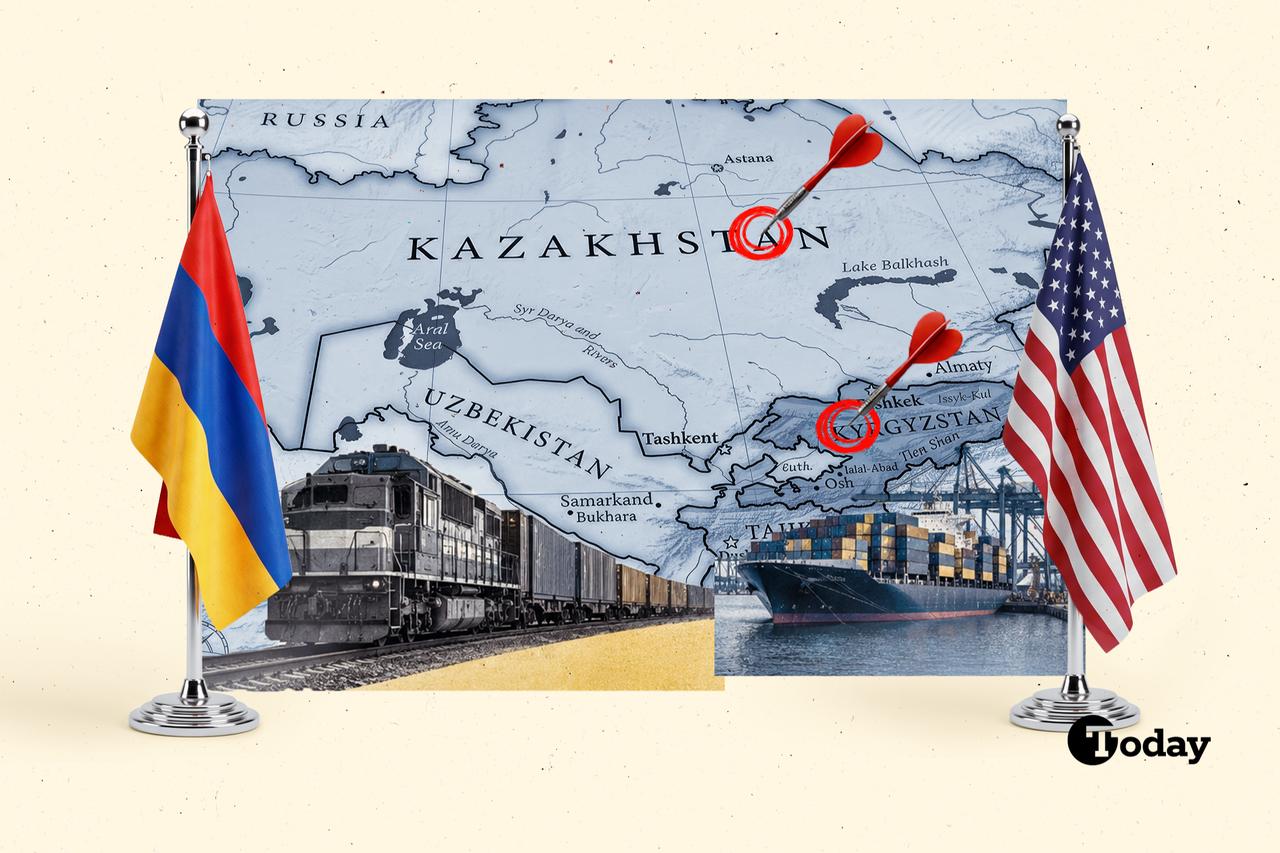


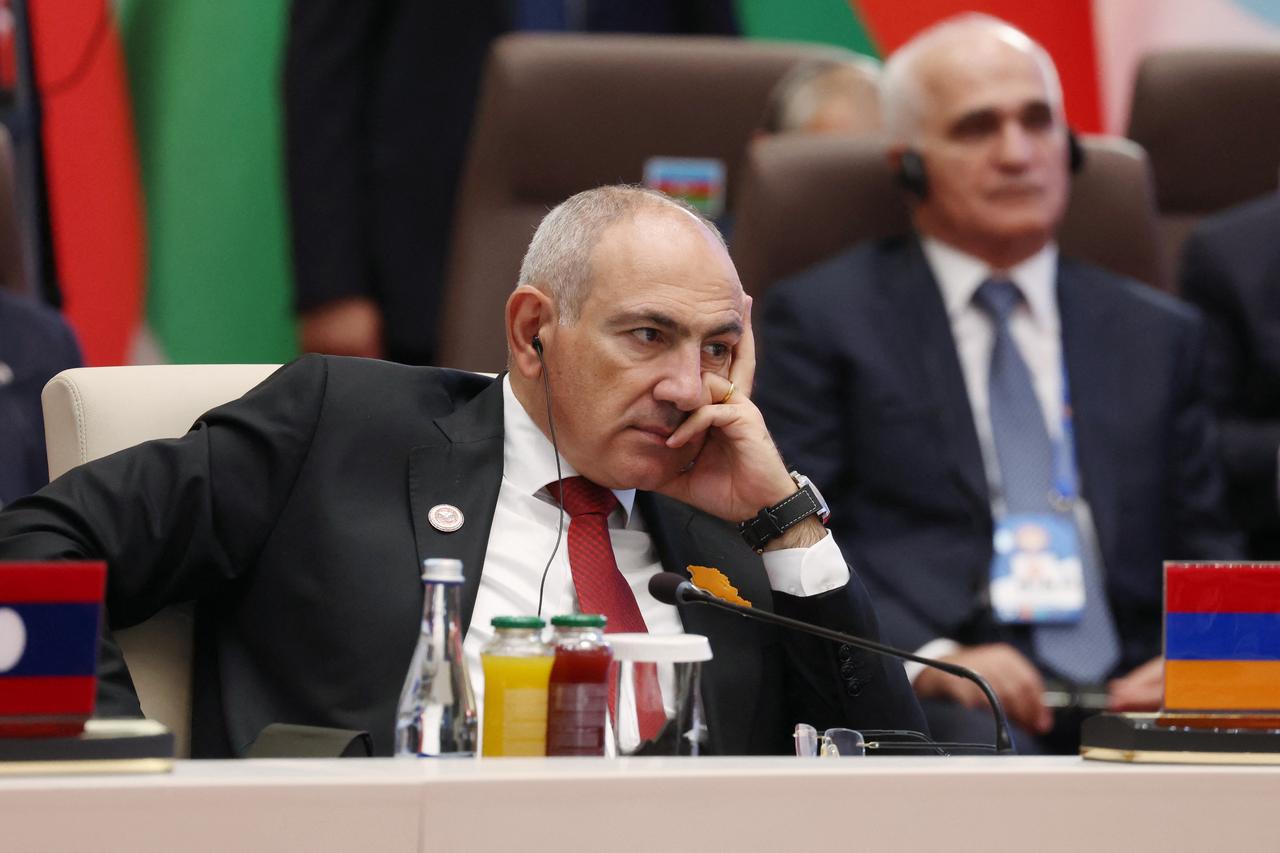
Nikol Pashinyan has spent the past few weeks selling a route that bears Donald Trump's name to leaders who have never mentioned it.
The Armenian prime minister has been quietly working the phones and the sidelines of regional summits, pitching Central Asian capitals on a transit corridor Washington helped design and is bankrolling to the tune of $145 million. In a statement on Aug. 27, Pashinyan confirmed he had discussed Kazakhstan's participation with President Kassym-Jomart Tokayev by phone.
The following week, he raised TRIPP with the leaders of Azerbaijan and India, and with American officials, at the Shanghai Cooperation Organization summit in Bishkek. Yerevan also made a separate push to bring Kyrgyzstan on board.
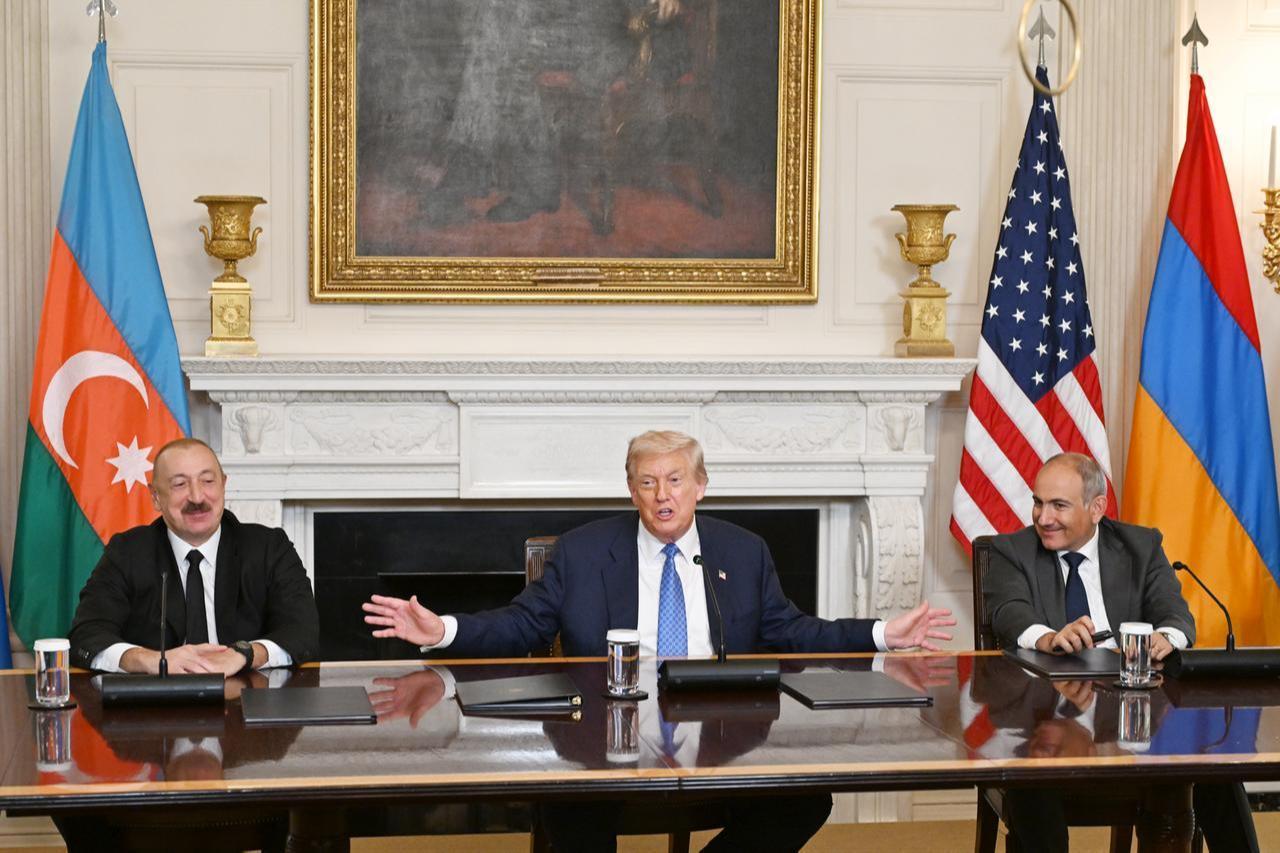
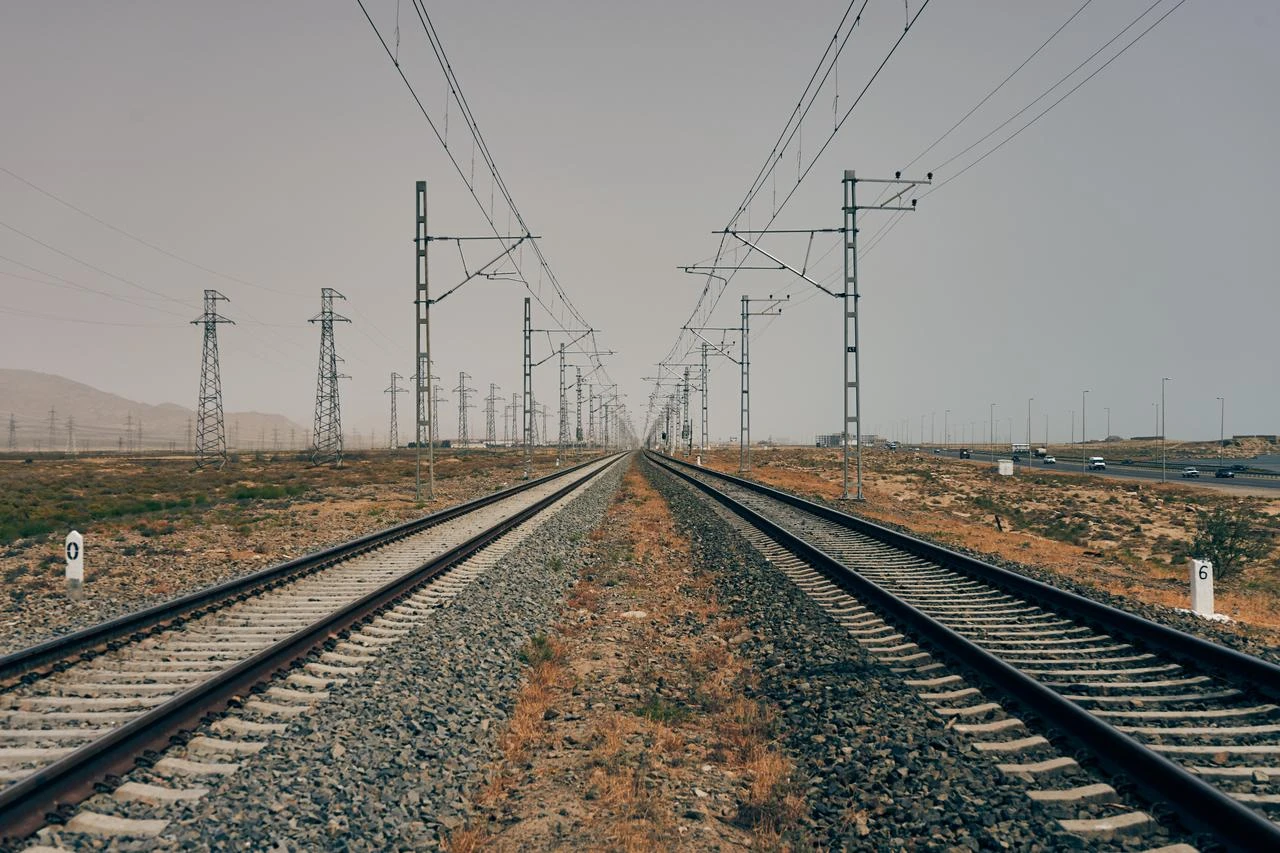
The project—formally the Trump Route for International Peace and Prosperity (TRIPP)—would connect Azerbaijan to its Nakhchivan exclave via a 43-kilometer corridor through Armenia's Syunik region. The United States holds 74% of the shares, with Washington's initial commitment set at $145 million. Armenia's government approved the project in July, and the Constitutional Court is expected to rule on it in the coming days.
But so far, the response from Central Asia has been muted. Kazakhstan has offered only public interest, nothing more. Kyrgyz official Daniyar Amangeldiev said his government hasn't received a formal offer at all.
That silence, it turns out, says a great deal about how the region actually thinks about transport and power.

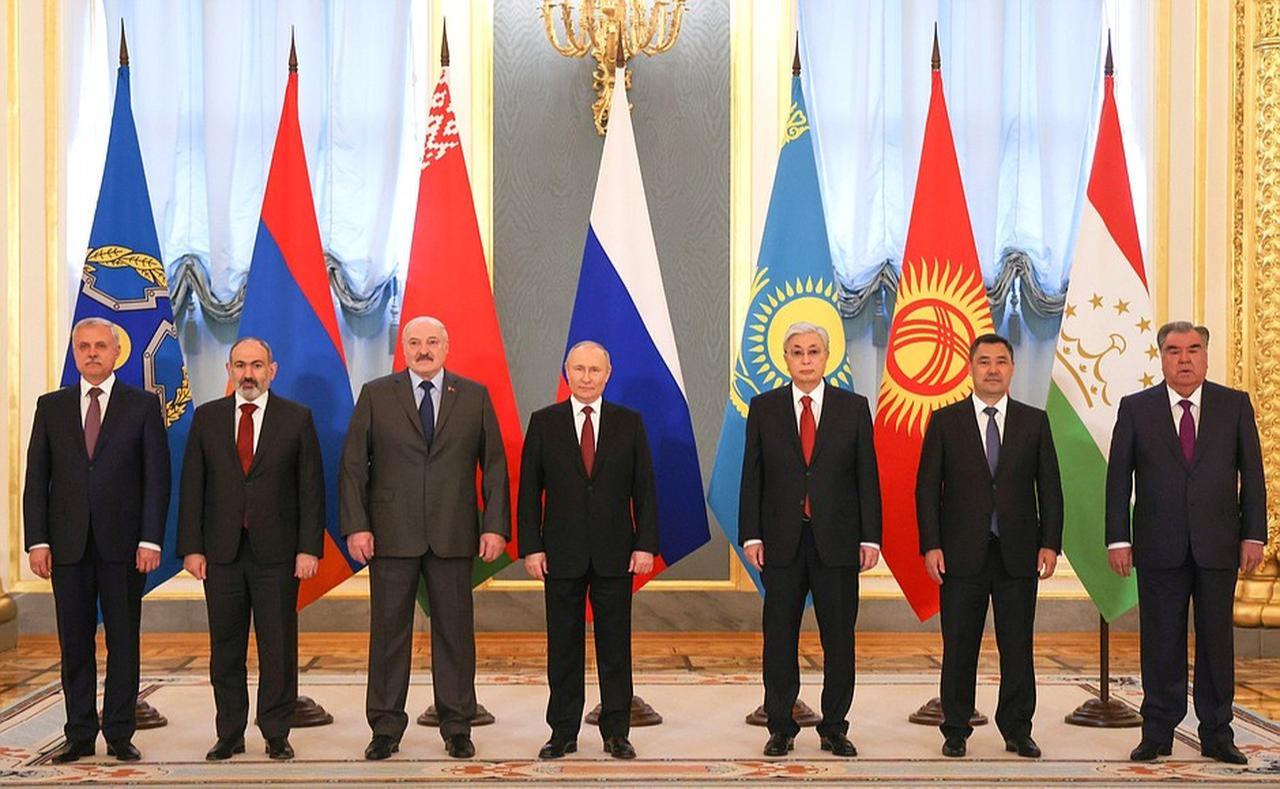
Both countries—Kazakhstan and Kyrgyzstan—are members of the Eurasian Economic Union and conduct a significant portion of their foreign trade through Russia.
Kazakhstan's crude oil is transported through a pipeline that runs across Russian territory to a sea terminal near Novorossiysk, while nearly one-sixth of Kyrgyzstan's national income comes from remittances sent by citizens working in Russia.
For both capitals, Moscow represents more than just a trade partner.
This dependency runs in one direction. Even though the destination of Kazakh oil is the European market, the decision on the route lies with Russia, and the employment conditions of the Kyrgyz workforce depend on Moscow's migration legislation. Producing an alternative in either area requires years of investment.
The cost of this dependency has become visible over the past year. Disruptions in the pipeline reduced Kazakh shipments and pushed Astana to look for alternatives.
The route that crosses the Caspian via Aktau and connects to the Baku-Tbilisi-Ceyhan line is growing, though its volume remains limited alongside the existing channel.
The tools Moscow resorts to are also in plain sight for both capitals.
As Yerevan's Western orientation became more pronounced, Russia activated economic pressure, and trucks carrying agricultural goods from Armenia were turned back at the border.
What stands out about this method is that it does not rely on a formal sanctions decision. Increased customs inspections, returns justified by product safety concerns, and extended waiting times are tools that are difficult to legally challenge.
There is also no need to build a new mechanism to operate these tools in Central Asia, since customs controls and migration legislation are already in Moscow's hands.
Risking the oil channel or the flow of remittances in exchange for a share whose scope has not been disclosed does not offer a defensible calculation for either capital.
Besides, both countries already have a full agenda of their own routes. Astana hosted management meetings of Caspian transit transport in its own capital in April and continues to invest in the lines passing through its own territory.
Bishkek's priority, meanwhile, is the railway link being built with China and Uzbekistan. The country's ambassador to Washington, Edil Baisalov, said a new opportunity would emerge once that line reaches Baku.
With limited capacity, pursuing a second route policy at the same time looks difficult.
The return offered by the proposal is also unclear. The shareholding structure of TRIPP is concentrated largely in Washington, and its operation depends on the bilateral equation between Yerevan and Baku.
The share that would fall to Central Asian capitals promises spectatorship as much as it does partnership.
It has also not been made clear what rights would come with the partnership. Matters such as a say in setting tariffs, priority in capacity allocation, or representation in operating decisions have not come up.
Holding a share within such a framework produces a symbolic partnership rather than adding weight in route politics.
Considering Kazakhstan's approach of preserving its ties with Russia and China while opening space to Western capital, tying itself to a project that bears the American president's name and that Moscow opposes produces a choice disproportionate to its gains.
Even setting aside the political calculation, one question remains: does TRIPP solve the problems Central Asia faces in transport?
The route connecting China to Europe stretches 6,500 kilometers, and the system's bottlenecks lie far from Syunik.
All rail freight heading from Baku to Europe has to pass through Georgia, and the country's Port of Poti, which handles its container traffic, cannot accommodate large vessels due to draft limitations.
Ship capacity across the Caspian, transfer times on both shores, and the slowness of customs procedures also raise costs directly.
The common denominator of these problems involves more than a lack of infrastructure.
Along the route, the railway operators, customs administrations, and port authorities of different countries come into play, and every border crossing means a new chain of documentation. A delay at a single transfer point disrupts the delivery time for the entire line.
The investment choices of regional countries reflect this priority. Resources go toward ports, ships, and digital customs infrastructure, because the results are reflected immediately in transport time and freight costs.
TRIPP, meanwhile, adds a single branch to the system, and that branch's function is limited to the connection between Azerbaijan and Nakhchivan. It does not ease the Georgian bottleneck, does not speed up the Caspian crossing, and does not touch port capacity.
The time it would save for Central Asian cargo heading to Europe cannot be measured until these three issues are resolved.
Legal uncertainty adds to the technical shortcomings. The peace agreement between Azerbaijan and Armenia has not been signed, and the route's operating rules depend on that text.
An unresolved border dispute creates an uncertainty that is difficult for the parties using the corridor to calculate, and a single disrupted shipment takes away far more than the time gained.
What determines shipping companies' route preference is predictability rather than price. Insurance premiums, delivery commitments, and inventory planning are all built on the assumption that the line will operate without interruption. A corridor with a disputed legal footing struggles to attract cargo even if it offers a cost advantage.
What is rational for the region's capitals is to keep their options open until the route's legal and physical construction is complete.
Armenia's search for partners, meanwhile, is read as an effort to give the project political weight, but Central Asia's transport policy moves forward with working ports and completed rail lines.


 Set as preferred source
 Set as preferred source


 1 min read
 1 min read