Newsletters


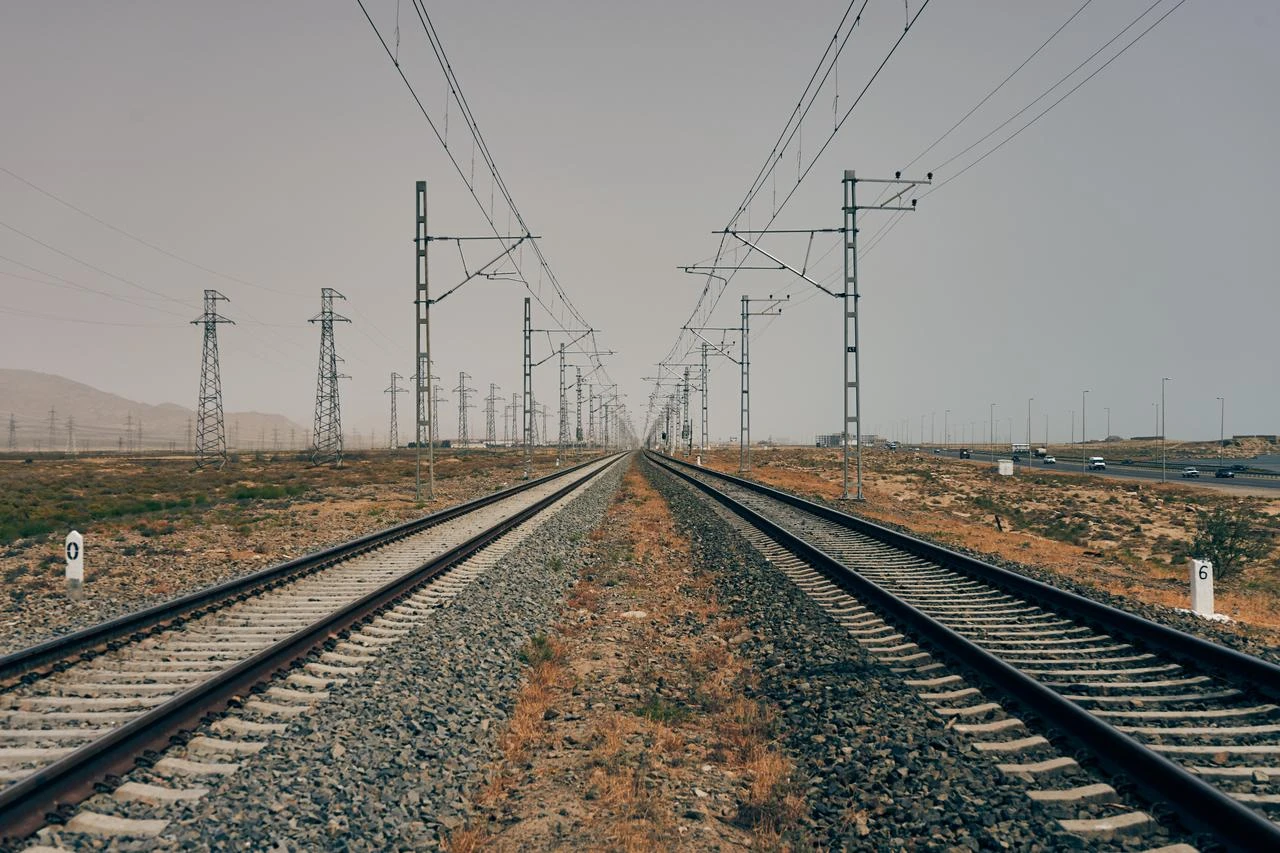


Azerbaijan is set to start physical construction on the International Route for Peace and Prosperity (TRIPP) by the end of 2026. The U.S.-backed transport project would link mainland Azerbaijan with its Nakhchivan exclave, Foreign Minister Jeyhun Bayramov said.
"Our expectation is that, once the preparatory process is completed, physical work on the 42-kilometer section will begin by the end of 2026," Bayramov said, speaking alongside Organization for Security and Co-operation in Europe (OSCE) Chairperson-in-Office and Swiss Foreign Minister Ignazio Cassis during a joint news conference in Baku on Tuesday.
The route is designed as a multimodal corridor carrying road and rail traffic while forming part of the broader Trans-Caspian, or Middle Corridor, linking Central Asia and the Caspian region with Europe.
Bayramov pointed to recent confidence-building measures between Azerbaijan and Armenia as momentum behind the project.
Over the past year, restrictions on the transit of goods to and from Armenia through Azerbaijani territory were lifted, while Azerbaijan also shipped petroleum products to Armenia, developments Bayramov described as steps that could pave the way for further cooperation.
Azerbaijan is pressing ahead with its own infrastructure projects, with new railway and highway links on its territory advancing rapidly. Both routes are expected to reach the Armenian border by early 2027, Bayramov stated.
Modernization has also begun on roughly 180 kilometers of Soviet-era railway in the Nakhchivan Autonomous Republic that had remained unused for years, he added.
Bayramov also pointed to the Kars-Igdir-Dilucu railway under construction in Türkiye, saying the combined investments would not only reconnect mainland Azerbaijan with Nakhchivan but also add a new dimension to the Middle Corridor linking Asia and Europe.
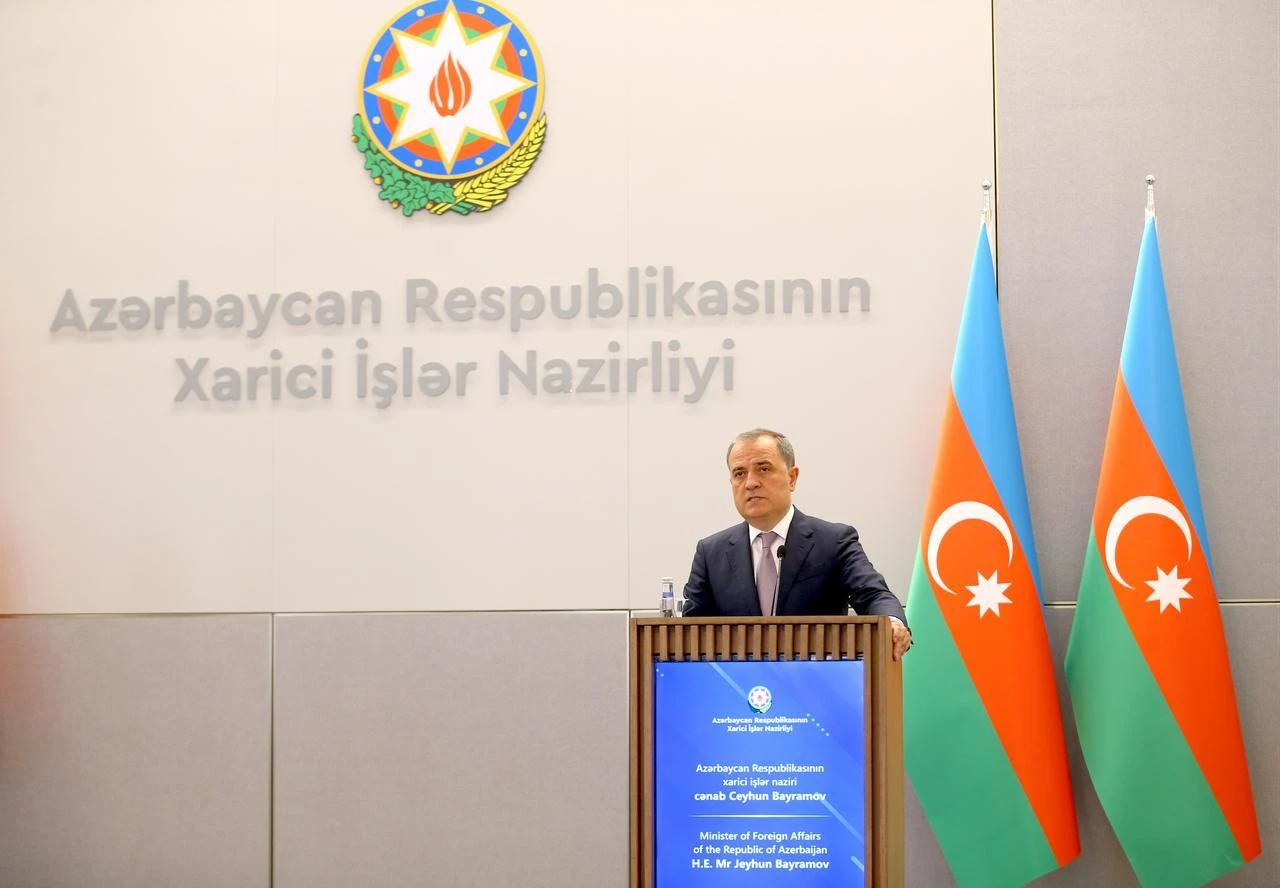

Bayramov argued that the transport links would boost trade and economic growth across Azerbaijan, Armenia and neighboring countries, adding that the region's commercial potential could expand further in the coming years.
He also highlighted early economic gains from the normalization process, noting that about 60,000 metric tons of cargo had moved through Azerbaijan to Armenia and onward to other countries over the past year, while Azerbaijan sold around 20,000 metric tons of petroleum products to Armenia. He indicated that bilateral trade could grow further.
On a final peace agreement, Bayramov reiterated that Azerbaijan's position remained unchanged, stressing that the removal of territorial claims against Azerbaijan from Armenia's constitution remains a key condition for signing a lasting peace deal.
Although Azerbaijan and Armenia initialed a draft peace agreement in Washington in August 2025, Baku has maintained that a final treaty cannot be signed until Armenia removes what Azerbaijan considers territorial claims from its constitution.
Armenia has indicated it plans constitutional reforms, but the issue remains the main obstacle to completing the peace process.


 Set as preferred source
 Set as preferred source


 2 min read
 1 min read