Newsletters


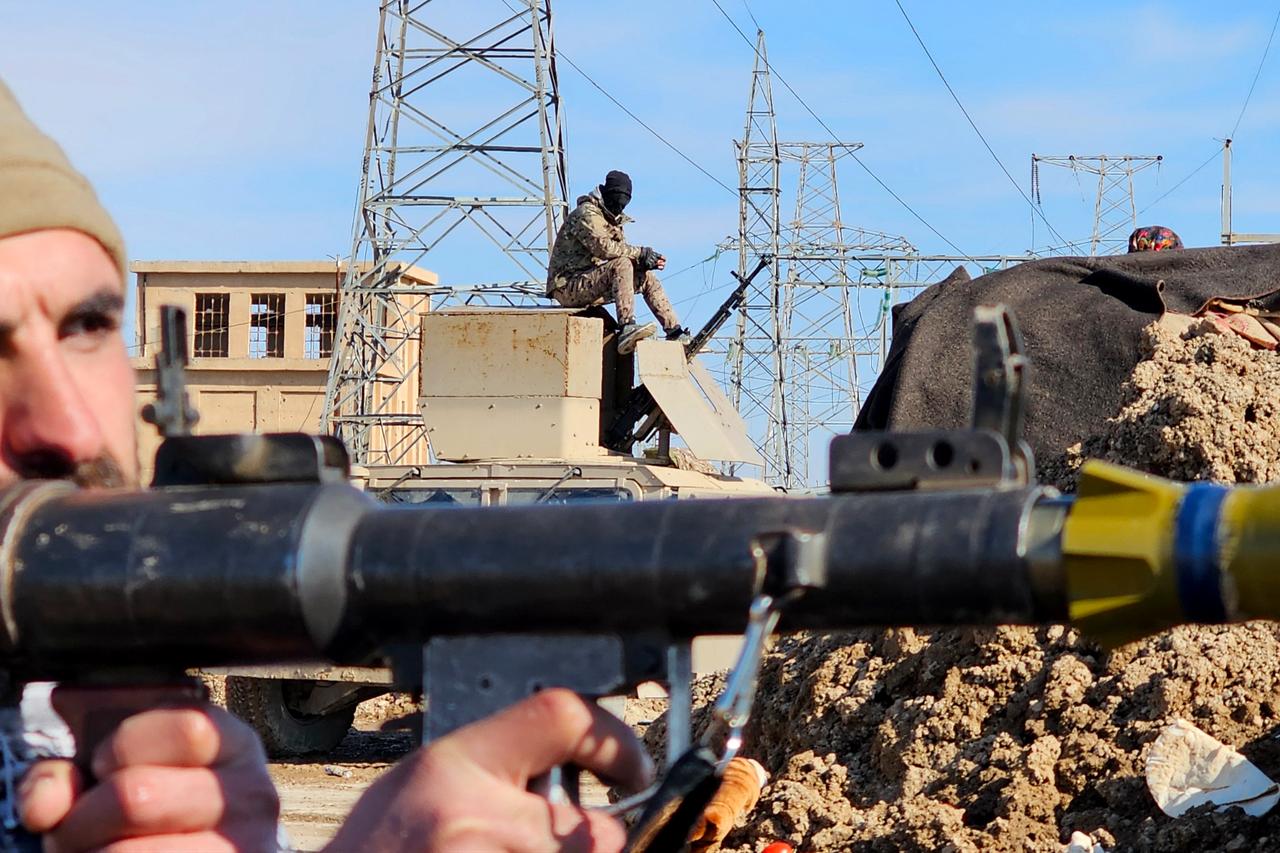


In recent days, the Syrian Army has regained control of most non-Kurdish majority areas of northeastern Syria. With only Hasakah city, Qamishli city and Tal Temr remaining outside government control, the YPG faces a critical juncture.
Will it implement the latest deal with Damascus and secure some rights and special accommodations for the Kurdish towns of Ain al-Arab (Kobane), Amouda, Dirbasiyah, and Malikiyah or will it once again torpedo a deal with Damascus and lose everything?
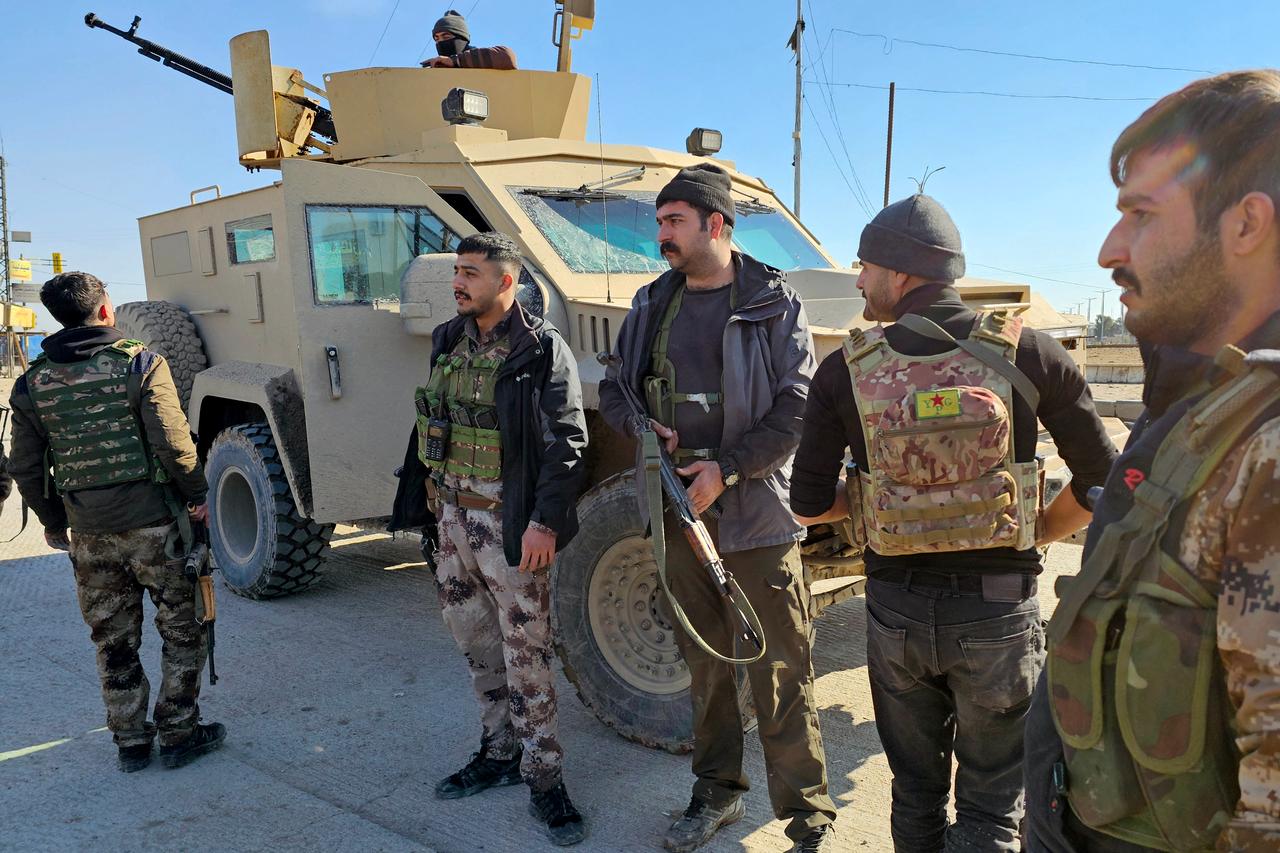

When the YPG-dominated SDF and Damascus signed the March 10 agreement, the SDF had quite the leverage. They controlled almost a third of Syria, almost all of the oil and gas fields, as well as most of Syria's agricultural lands. Instead of handing over Arab areas in northeastern Syria and achieving maximum gains in return during the negotiations, the maximalist attitude by the SDF cost them quite a lot.
All Arab components in the SDF deserted from the group, and Arab tribes revolted and handed over their lands to Syrian government forces. Furthermore, all of Syria’s oil and gas fields are now controlled by Damascus, including Block 26 in the very northeastern corner of the country.
As of now, there is no longer an SDF to begin with. It is only the YPG.
Furthermore, the SDF was the key U.S. partner in fighting Daesh and keeping the terrorist group's members in prisons and camps. Unfortunately, the YPG decided that it was a good idea to release Daesh prisoners and to withdraw from the notorious Al-Hol camp without notice or coordination.
Syrian Ambassador to the UN Ibrahim Olabi also said the YPG/SDF "stalled" the implementation of the March 10 agreement and used Daesh detention facilities as "blackmail" against their international partners.
"Everyone was optimistic, but since the signing of the March 10 agreement, the SDF has unfortunately procrastinated in its implementation," Olabi said, adding that "the implementation of that agreement and the procrastination thereof was witnessed by the international community, particularly the United States."
"Given that it took a year without us moving forward, we unfortunately noticed that they were evading obligations and trying to buy time during that year," he said.
The Syrian government and the U.S.-led international coalition coordinated to catch the Daesh members, and the efforts of Damascus gained public praise from the U.S. president himself.
The U.S. special envoy for Syria Thomas Barrack publicly sided with Damascus and made it clear that their relationship with the YPG/SDF was indeed transactional, tactical, and temporary.
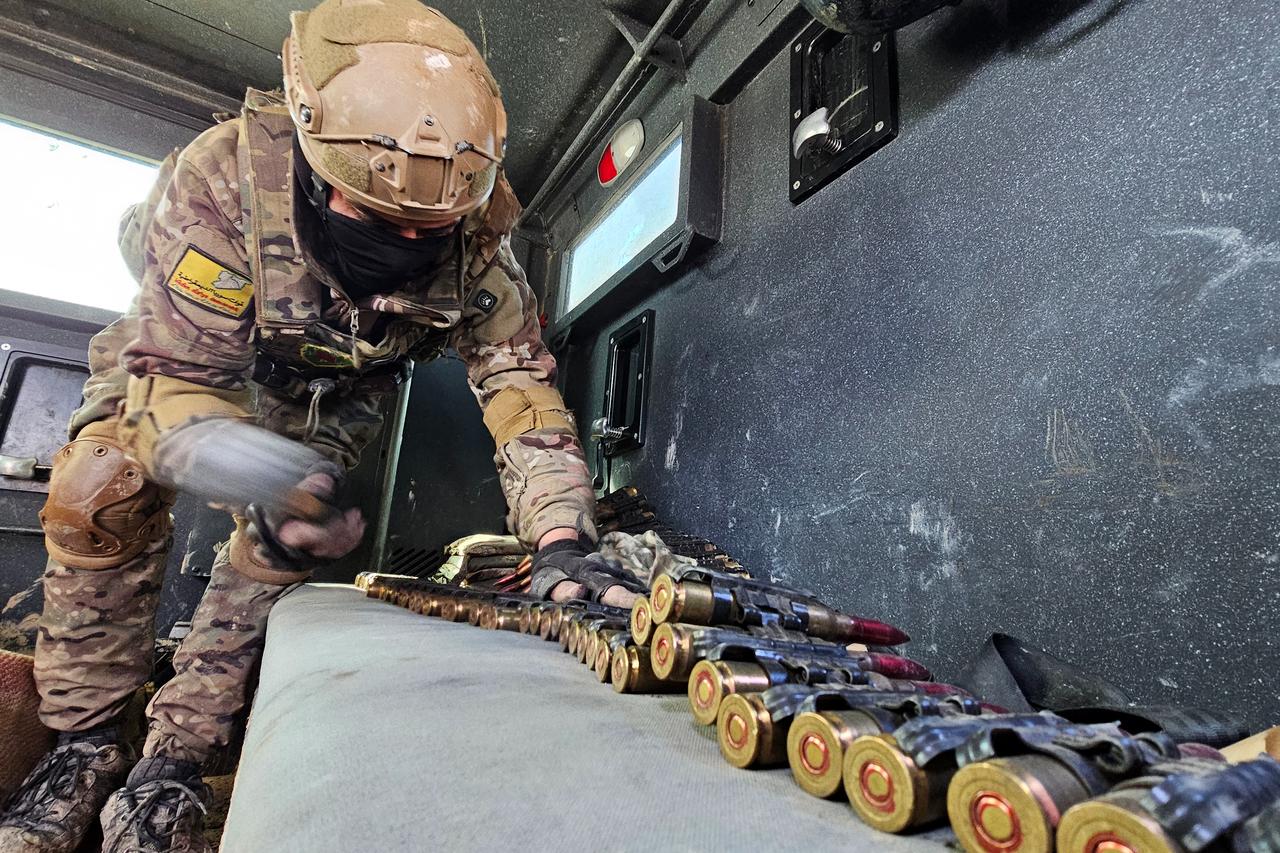
After losing so much, the YPG must make a decision. Either they will once again sabotage the deal (we already see ceasefire violations), or they will fully implement the deal. In reality, the deal signed with Damascus is quite generous.
The Syrian presidency said Tuesday that it had reached an understanding with the YPG/SDF, granting the group a four-day period to work out a roadmap for the practical integration of Hasakah.
If the YPG implements the deal, Kurdish-majority areas of Syria and Syrian Kurds in general will have a privileged position. Kurds will be overrepresented in the Syrian parliament, and the YPG leadership will gain an official position. If it is not implemented, the YPG will be crushed militarily without any ally that may come to their rescue.


 Set as preferred source
 Set as preferred source


 2 min read
 1 min read