Newsletters


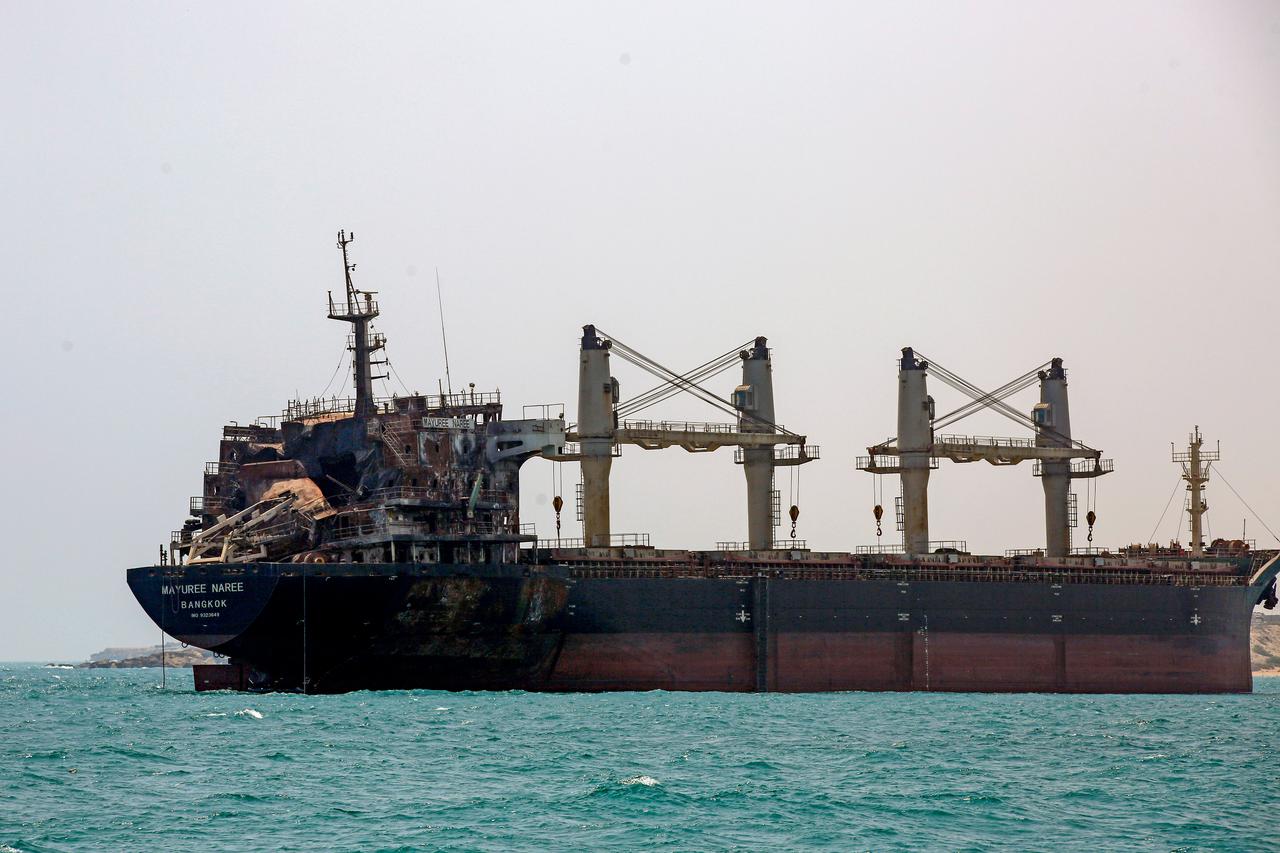


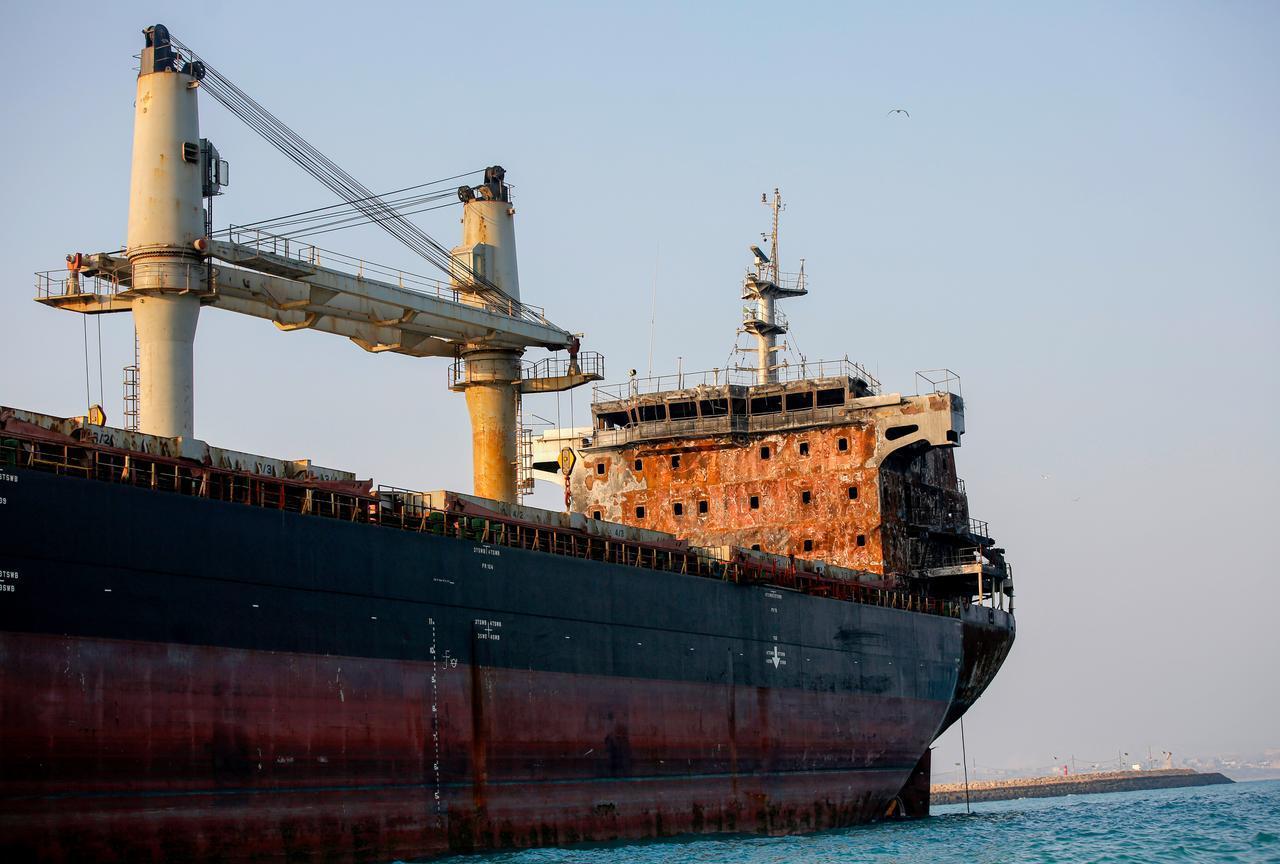
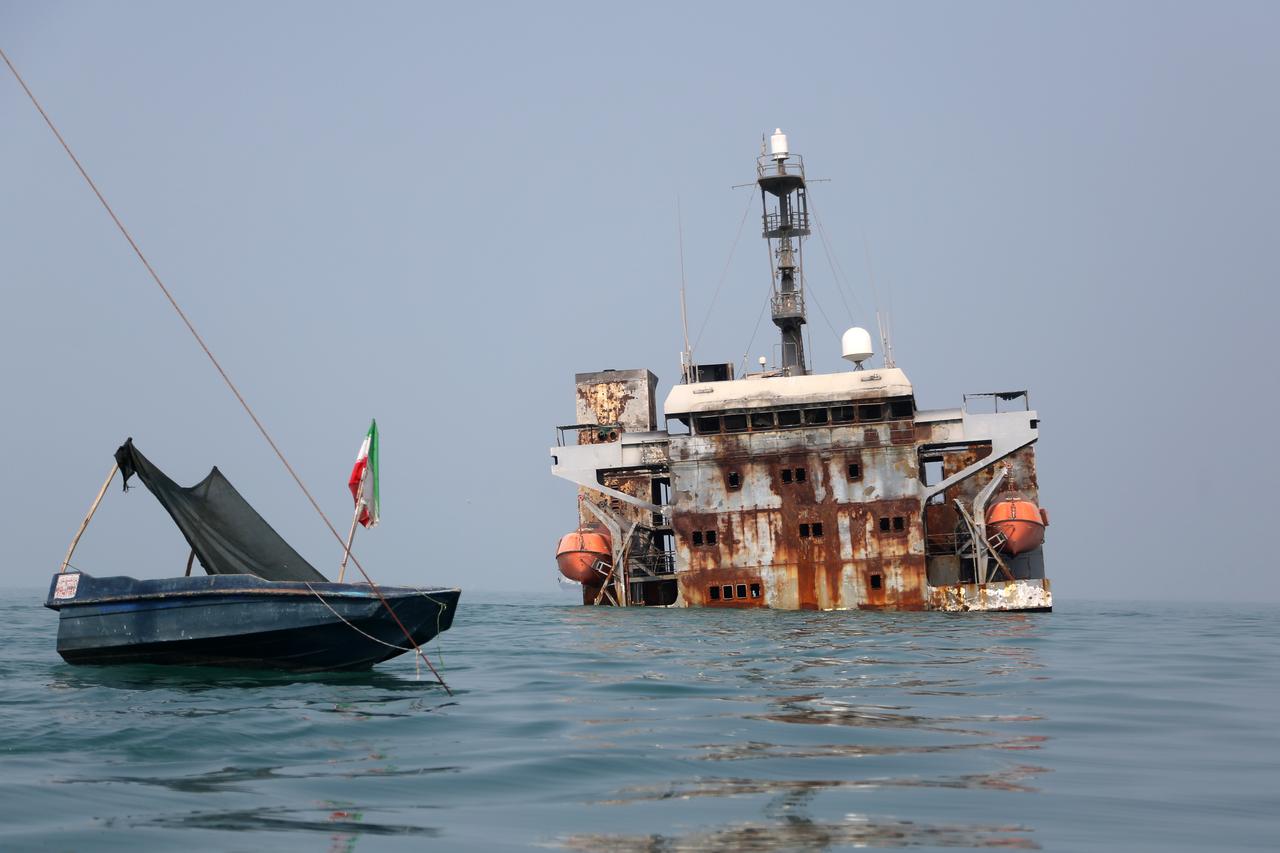
An Iranian commercial vessel was struck by an unidentified projectile early Sunday while transiting the Strait of Hormuz near Qeshm Island, killing one person and wounding three others, according to Iranian state media and the UK Maritime Trade Operations (UKMTO).
UKMTO said it received a report of a projectile hitting a vessel as it moved through the strait, adding that the extent of damage, the status of the crew and the potential environmental impact were unknown as of early Sunday.
In a warning bulletin issued on Sept. 12, UKMTO advised vessels to transit with caution and report any suspicious activity while authorities investigate.
Amir Teimouri, governor of Iran's Qeshm County, said that a commercial vessel was struck around 5 a.m. near Hengam Island and the Shib Deraz coast of Qeshm Island.
"In this incident, one person was martyred, and three others were wounded," Teimouri said, according to Iran's Tasnim News Agency.
UKMTO said the vessel was struck by an "unidentified munition," with no immediate claim of responsibility.

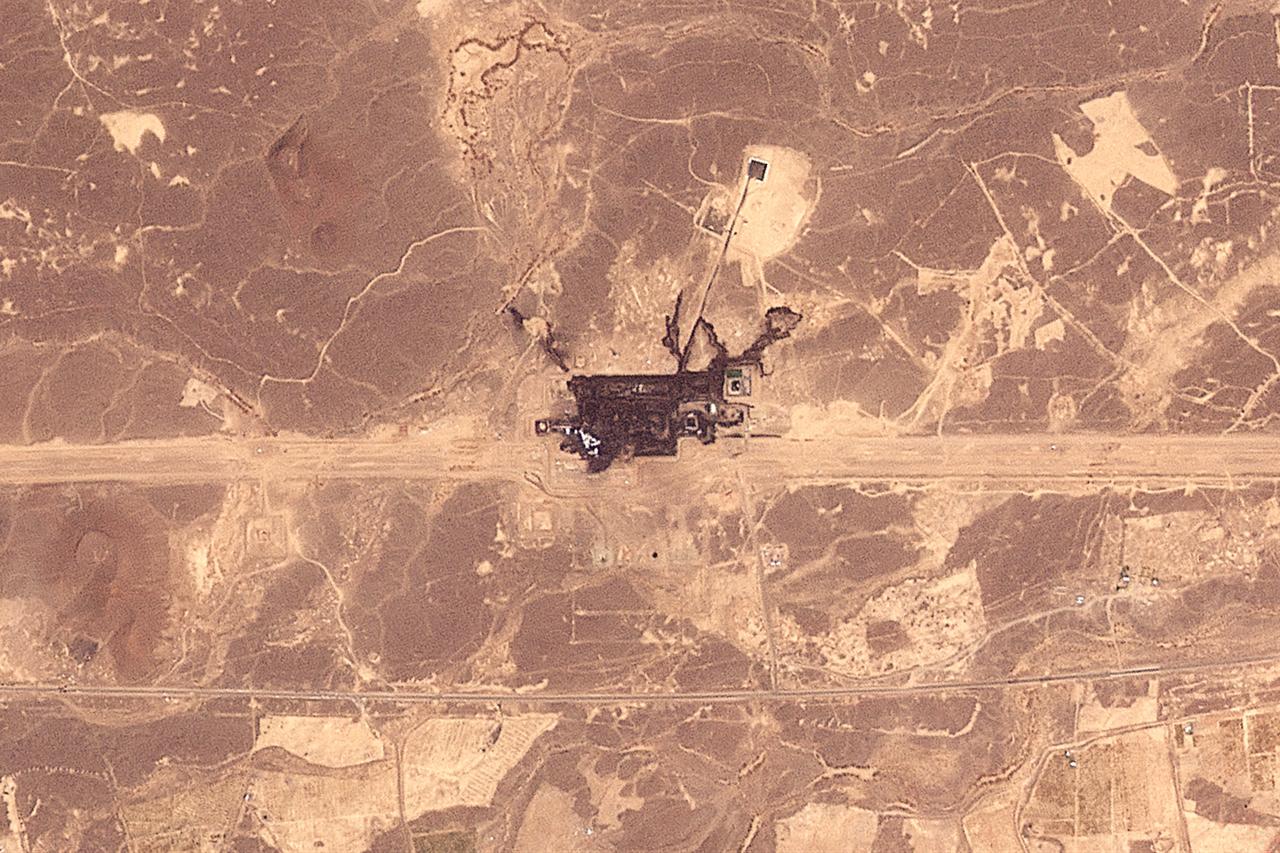
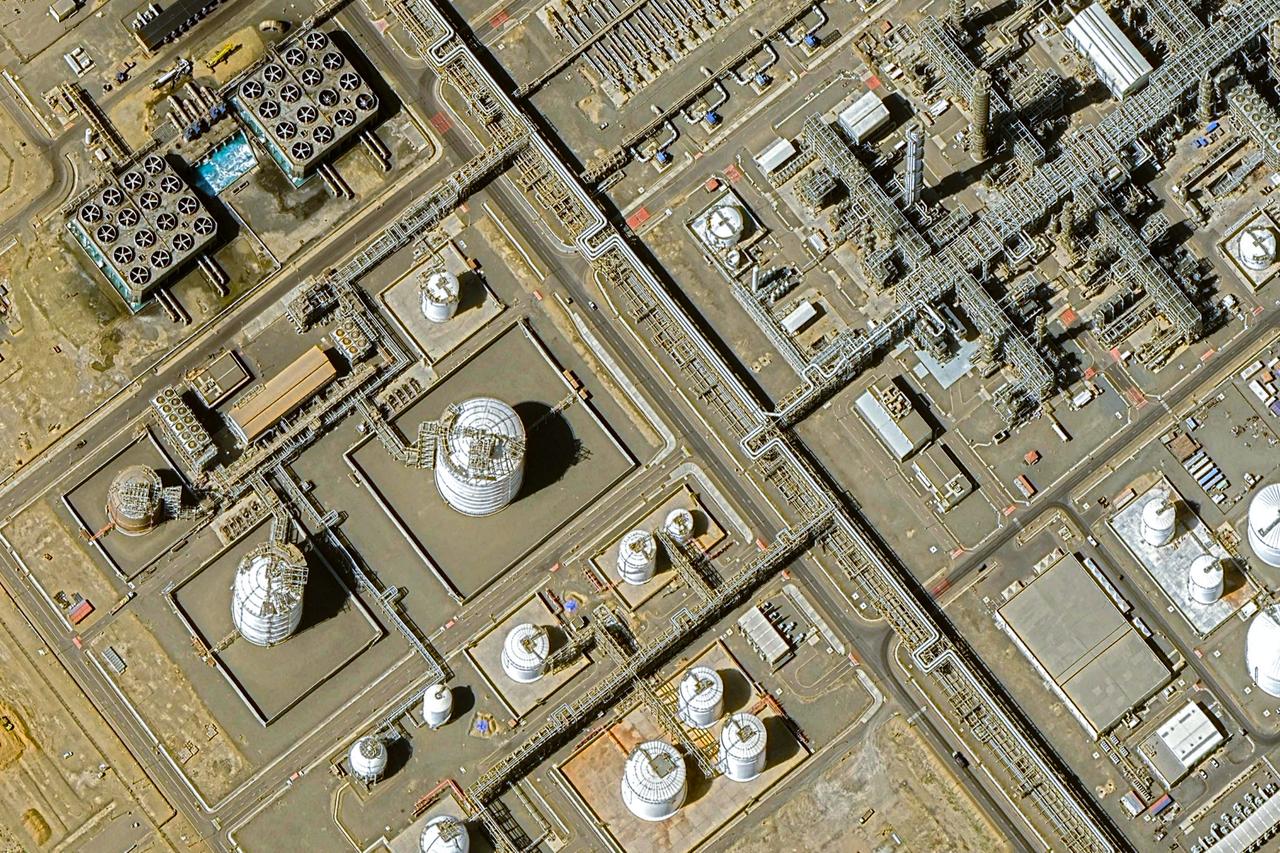
The attack came after Saudi Arabia said it had temporarily shut down its East-West pipeline as a precaution following a drone attack that both Baghdad and Riyadh said originated in Iraq, where Iranian-backed militias operate.
Satellite images showed black smoke rising from an area of the pipeline south of Medina, and the Saudi Foreign Ministry said the attack caused some injuries and damage still being assessed.
U.S. President Donald Trump, visiting Ireland, said he believed Iran was "probably" responsible.
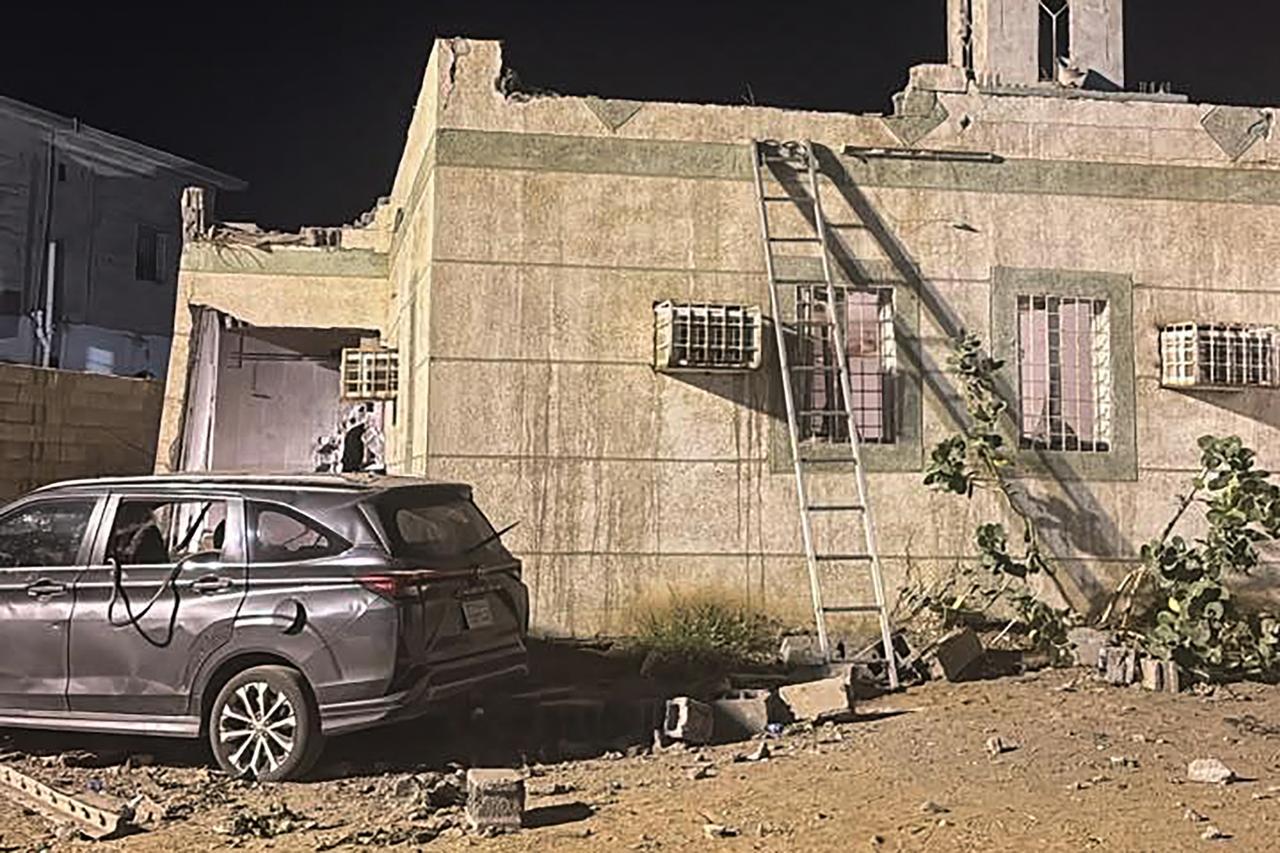
Separately, Saudi Civil Defense said a projectile fired by Yemen's Houthis wounded two people in the Jazan region and damaged several buildings, including a mosque, on Saturday.
Oil prices have surged over the past week, with Brent crude climbing back above $100 a barrel, and U.S. retail diesel prices crossed $6 a gallon for the first time as the U.S. and Iran exchanged strikes on tankers and Iran-aligned Houthi forces advanced along Yemen's Red Sea coast.
4 Yemeni government sources told Reuters that the Houthis seized the strategic island of Perim on Friday, in the middle of the Bab el-Mandeb Strait.
Saudi Crown Prince Mohammed bin Salman called Trump on Thursday to request U.S. military assistance against the Houthis, three sources told Reuters, adding that the prince was told Washington would not intervene directly for now but would provide intelligence support.
Trump confirmed Saturday that he had spoken with the crown prince and said the Houthis had also contacted his administration, asking that Washington not become directly involved in the conflict.
There have been no talks between the U.S. and Iran to end the conflict since a June agreement collapsed within weeks of being signed.
Ebrahim Azizi, head of the Iranian parliament's national security committee, wrote on the social media platform X Saturday: "As long as the American side does not accept all of Iran's conditions, dialogue and negotiation are of no use."
Iran's Foreign Ministry announced on Friday it would attend a meeting with Gulf Arab states in Oman on Monday to discuss the future of the Strait of Hormuz.
A senior Iranian official, speaking to Reuters on condition of anonymity, played down the chances of a breakthrough, saying the meeting, called at Oman's initiative, was intended to address issues including the strait but was not expected to produce a signed agreement.
A source told Tasnim News Agency that an Iran-Oman agreement on strait routes would be presented at the meeting, which Iraq will also attend, but that the strait would not reopen unless seven conditions conveyed by Iran to the U.S. are met.
Iran wants its control over the Strait of Hormuz formally recognized, including the right to collect fees from passing ships, a demand Washington rejects.
Oman, which controls the opposite bank of the strait, says it is negotiating with the agreement of other regional states.
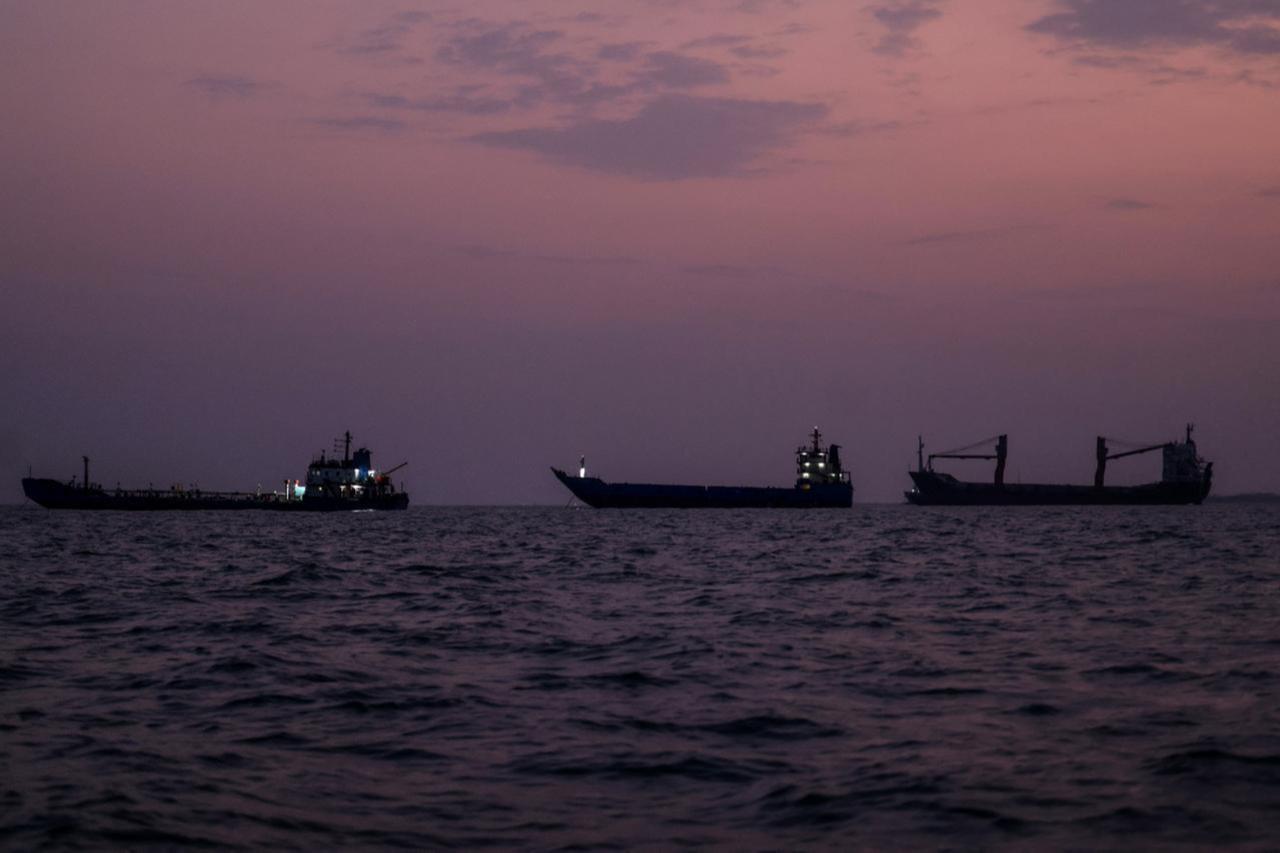
Traffic through the Strait of Hormuz remains well below levels seen before the U.S.-Iran war began in February.
The war started when the U.S. and Israel launched strikes on Iran on Feb. 28, prompting Tehran to fire missiles and drones at Israel and at regional countries hosting U.S. assets, and to close the strait to navigation, disrupting global energy and trade flows.
In June, Washington and Tehran reached a Memorandum of Understanding (MoU) to end military operations, including guarantees for commercial shipping through the strait and a 60-day window for negotiations toward a final agreement. That deal collapsed, and hostilities resumed, with the U.S. renewing strikes inside Iran and reimposing its naval blockade on Iranian ports.
Iranian President Masoud Pezeshkian has said Iran will reopen the strait once the U.S. ends its blockade and attacks.
Residents of the Iranian port city of Bandar Abbas continue their daily routines even as navigation through the strait remains disrupted by the war.


 Set as preferred source
 Set as preferred source


 1 min read
 1 min read