Newsletters




Transport and Infrastructure Minister Abdulkadir Uraloglu said 11 Türkiye-owned ships have safely passed through the Strait of Hormuz and left the Gulf since the start of the war, as shipping traffic through the strait rose to its busiest level in two months after a deal to halt the U.S.-Iran war.
Uraloglu said in a post on NSosyal that developments in the Strait of Hormuz and the Persian Gulf are being followed closely.
He said authorities remain in constant contact with ships and citizens in the region.
"Lastly, with the departure of two of our ships on the morning of June 21, 11 Türkiye-owned ships have safely passed through the Strait of Hormuz and left the Gulf since the start of the war," Uraloglu said.
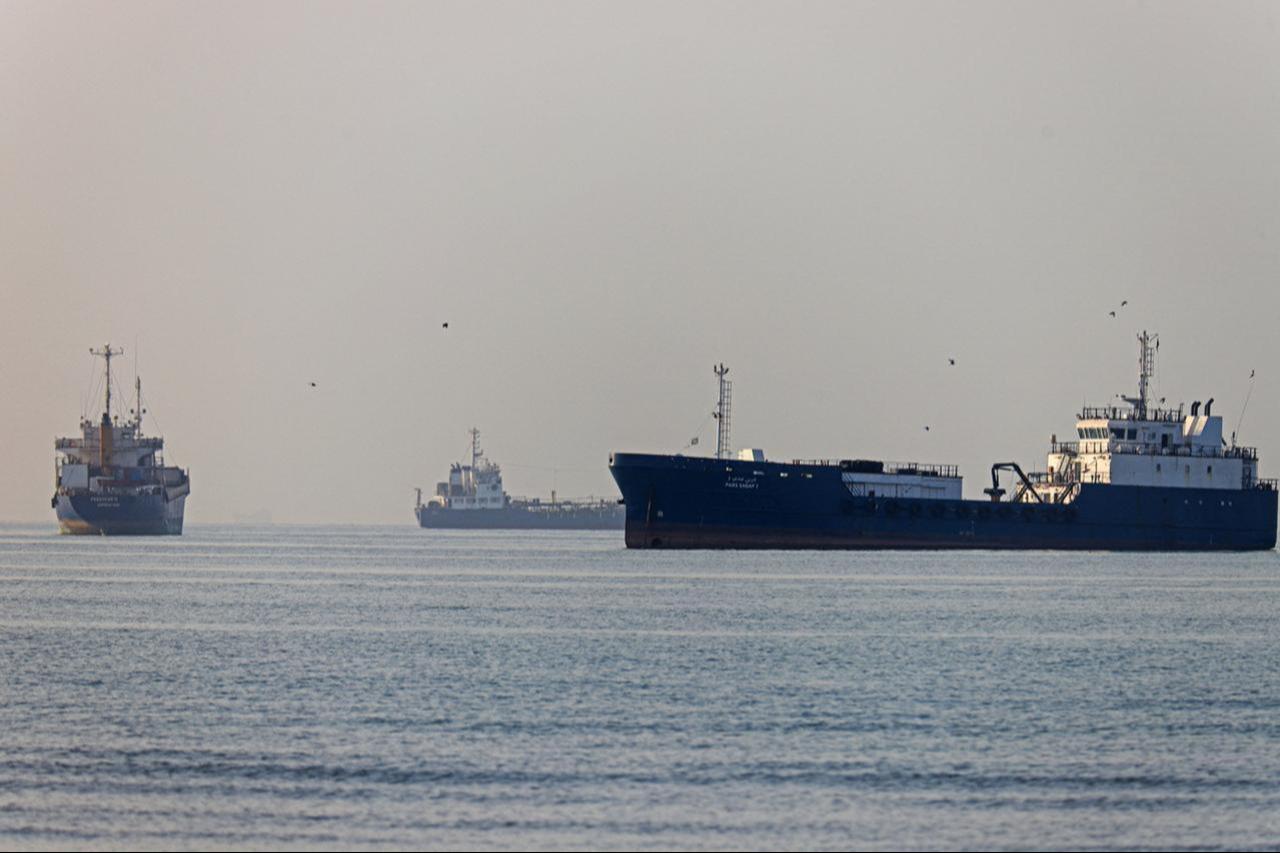

Uraloglu said 177 Türkiye citizens are serving on seven ships currently located in the Strait of Hormuz and the Persian Gulf.
He said one of those ships carries the Turkish flag.
A visual shared in the minister's post also stated that one of the seven waiting ships is Turkish-flagged.
Uraloglu said Türkiye will continue taking all necessary measures for the safety of its citizens and ships under all conditions.
"We continue to take all necessary measures for the safety of our citizens and ships under all circumstances," he said.
Shipping traffic through the Strait of Hormuz rose to its busiest level in two months after a deal to halt the U.S.-Iran war, maritime trackers said earlier.
A total of 25 commercial vessels crossed the newly reopened strait on Thursday, the highest number since mid-April, according to data from tracking firm AXSMarine.
The figure was more than three times the average of just over seven crossings a day recorded since early March.
The increase came after Iran and the United States agreed this week to reopen the crucial route under an agreement to end the war.
It also came before the postponement of talks between the two sides in Switzerland that had been planned for Friday under the deal.
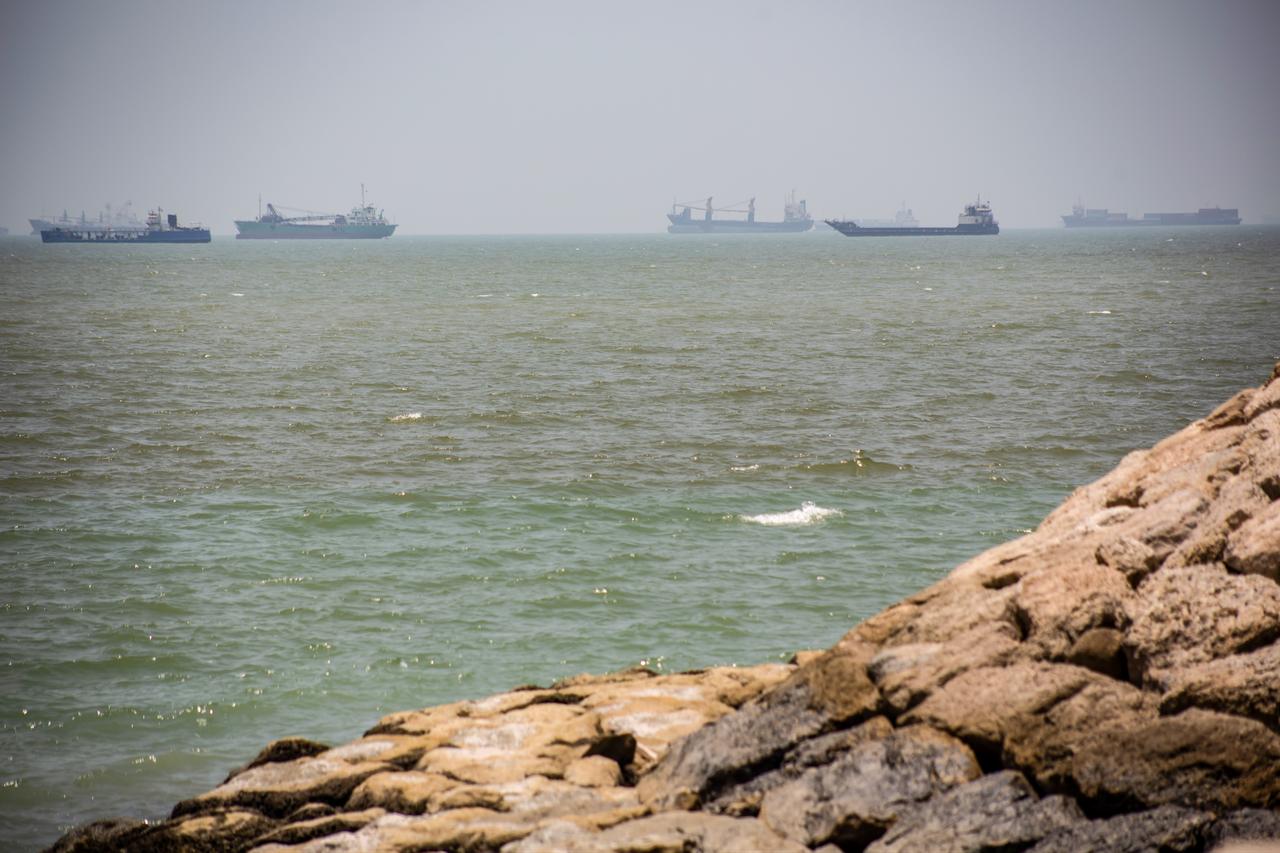
AXSMarine said the actual number of crossings on Thursday could be higher, as some ships had turned off or manipulated their AIS transponder signals to avoid detection.
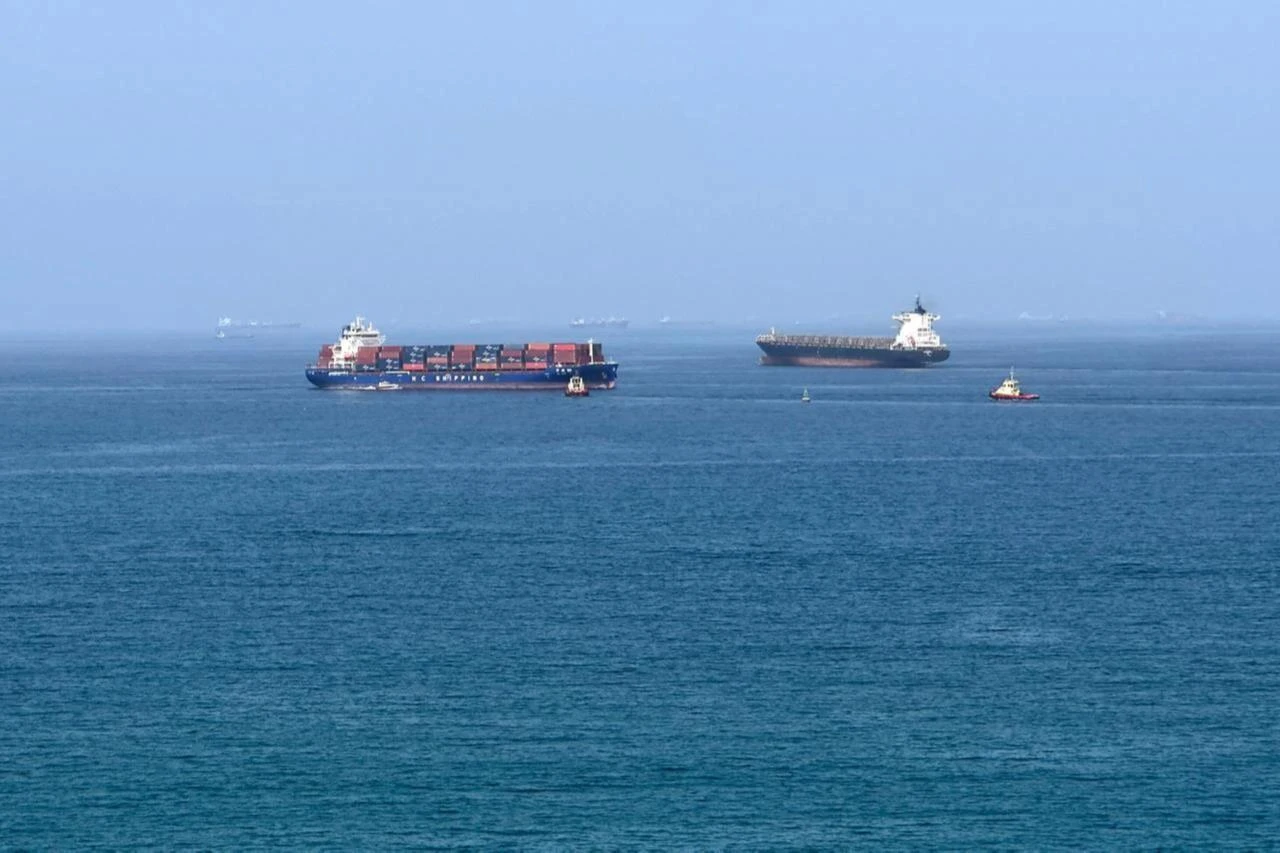
In another sign of renewed traffic in the region, empty trucks queued for up to three kilometers, or two miles, outside the UAE port of Korfakkan, just south of the strait, as at least four container ships unloaded there, an eyewitness reportedly told Agence France-Presse (AFP).
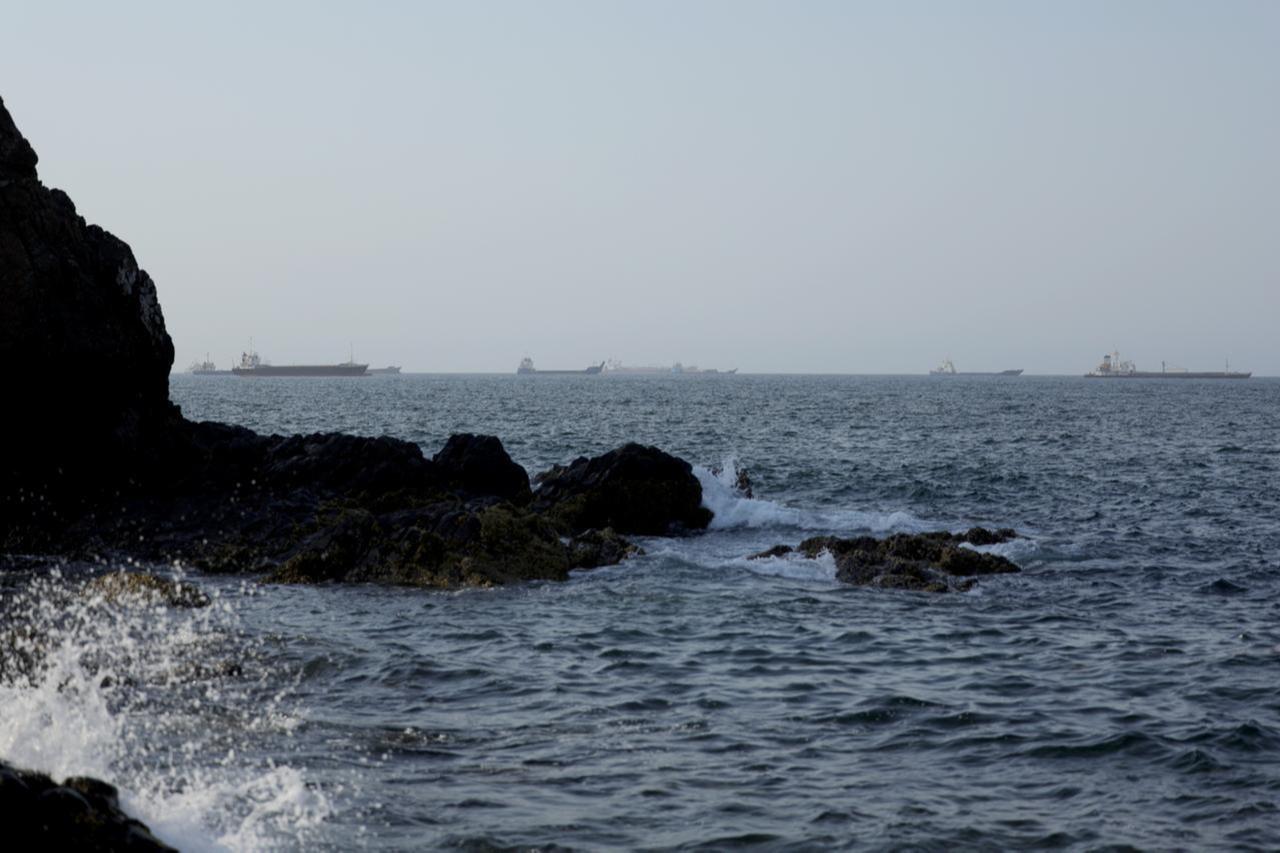
Other ships were visible on the hazy horizon and appeared to be waiting for their turn to dock and unload, the eyewitness said, requesting anonymity.
The minister's statement came as Ankara continued to follow developments affecting vessels in the Strait of Hormuz and the Persian Gulf.


 Set as preferred source
 Set as preferred source


 1 min read
 1 min read