Newsletters


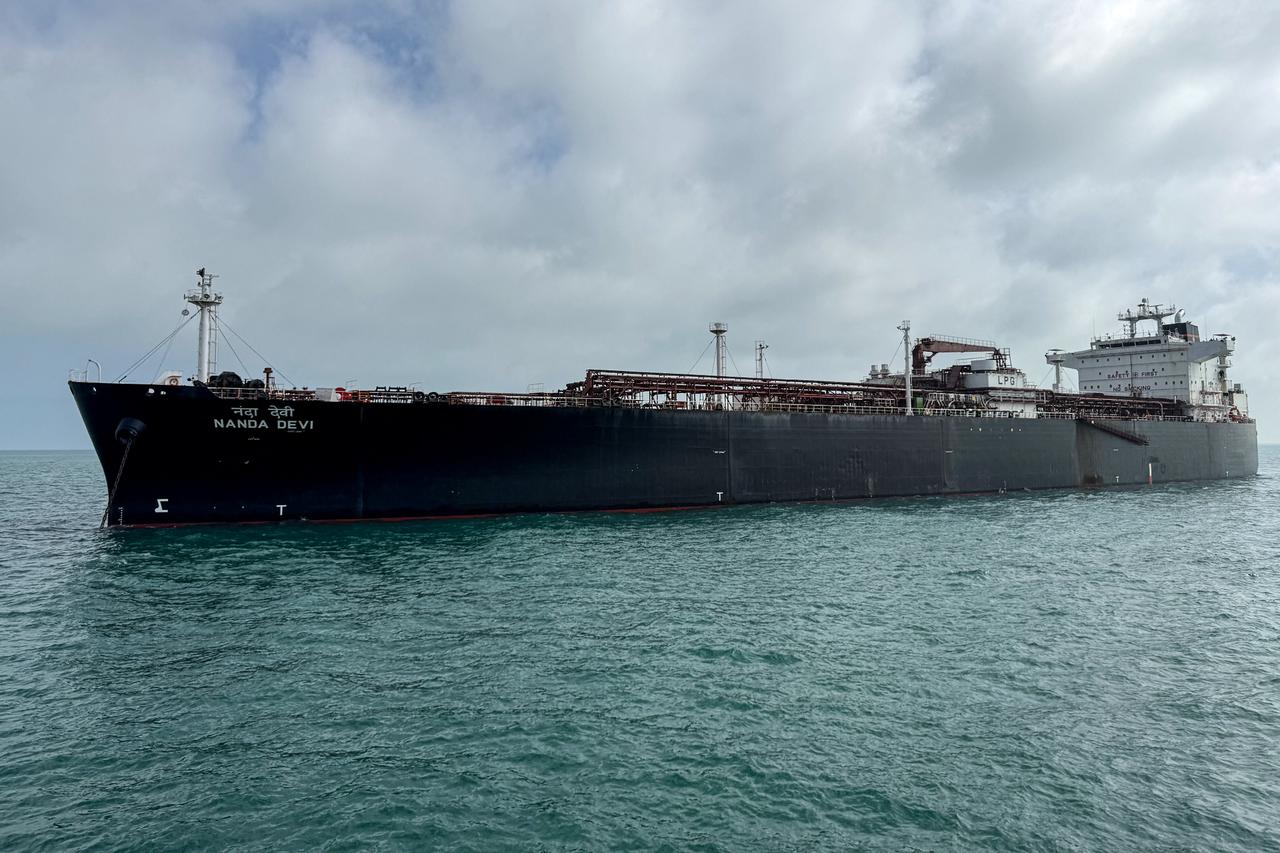


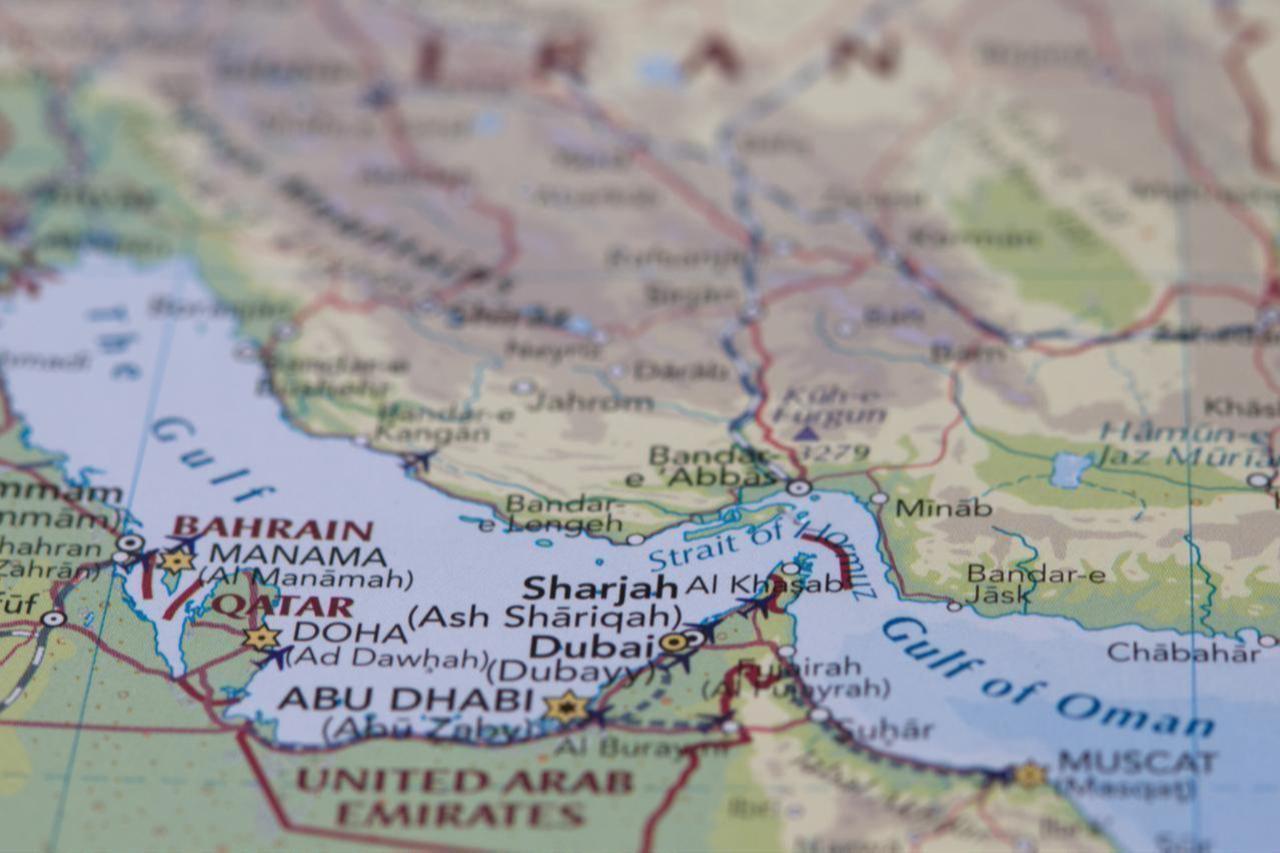
Twenty-two countries issued a joint statement on Saturday condemning "in the strongest terms" Iran's attacks on commercial vessels and civilian infrastructure, calling for an immediate end to the "de facto closure" of the Strait of Hormuz.
The countries expressed readiness to contribute to efforts to restore safe passage, as data showed that shipping crossings through the waterway have fallen by 95% since the war began.
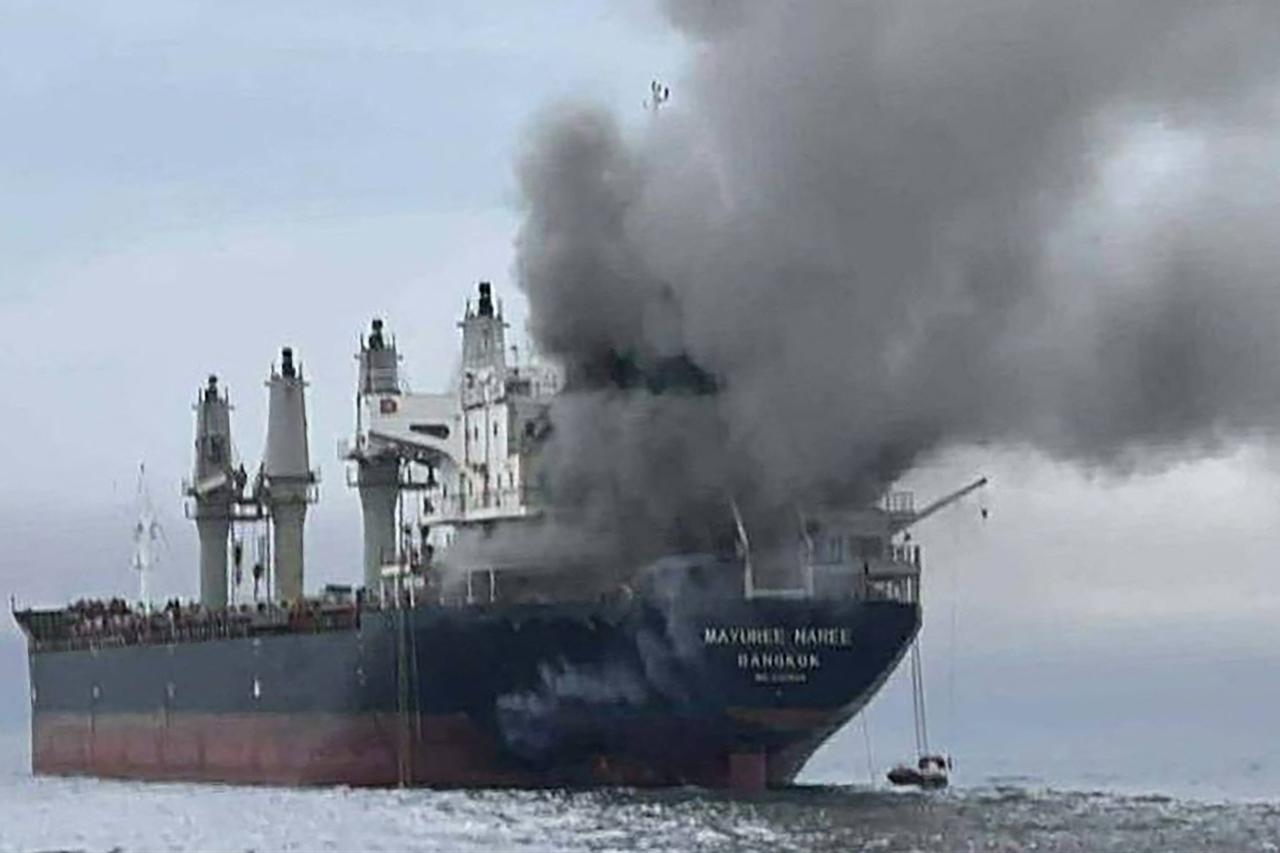

The joint statement was signed by leaders of the United Arab Emirates, the United Kingdom, France, Germany, Italy, the Netherlands, Japan, Canada, the Republic of Korea, New Zealand, Denmark, Latvia, Slovenia, Estonia, Norway, Sweden, Finland, Czechia, Romania, Bahrain, Lithuania and Australia.
"We condemn in the strongest terms recent attacks by Iran on unarmed commercial vessels in the Gulf, attacks on civilian infrastructure including oil and gas installations, and the de facto closure of the Strait of Hormuz by Iranian forces," the statement said.
"We express our deep concern about the escalating conflict. We call on Iran to cease immediately its threats, laying of mines, drone and missile attacks and other attempts to block the Strait to commercial shipping, and to comply with UN Security Council Resolution 2817."
The countries said freedom of navigation is a fundamental principle of international law, including under the United Nations Convention on the Law of the Sea.
"The effects of Iran's actions will be felt by people in all parts of the world, especially the most vulnerable," the statement said.
The countries also called for "an immediate comprehensive moratorium on attacks on civilian infrastructure, including oil and gas installations," welcomed the International Energy Agency's (IEA) decision to authorize a coordinated release of strategic petroleum reserves, and said they would take other steps to stabilize energy markets, including working with certain producing nations to increase output.
"We express our readiness to contribute to appropriate efforts to ensure safe passage through the Strait. We welcome the commitment of nations who are engaging in preparatory planning," they said.
The countries also said they would work to provide support for the most affected nations, including through the United Nations and international financial institutions.
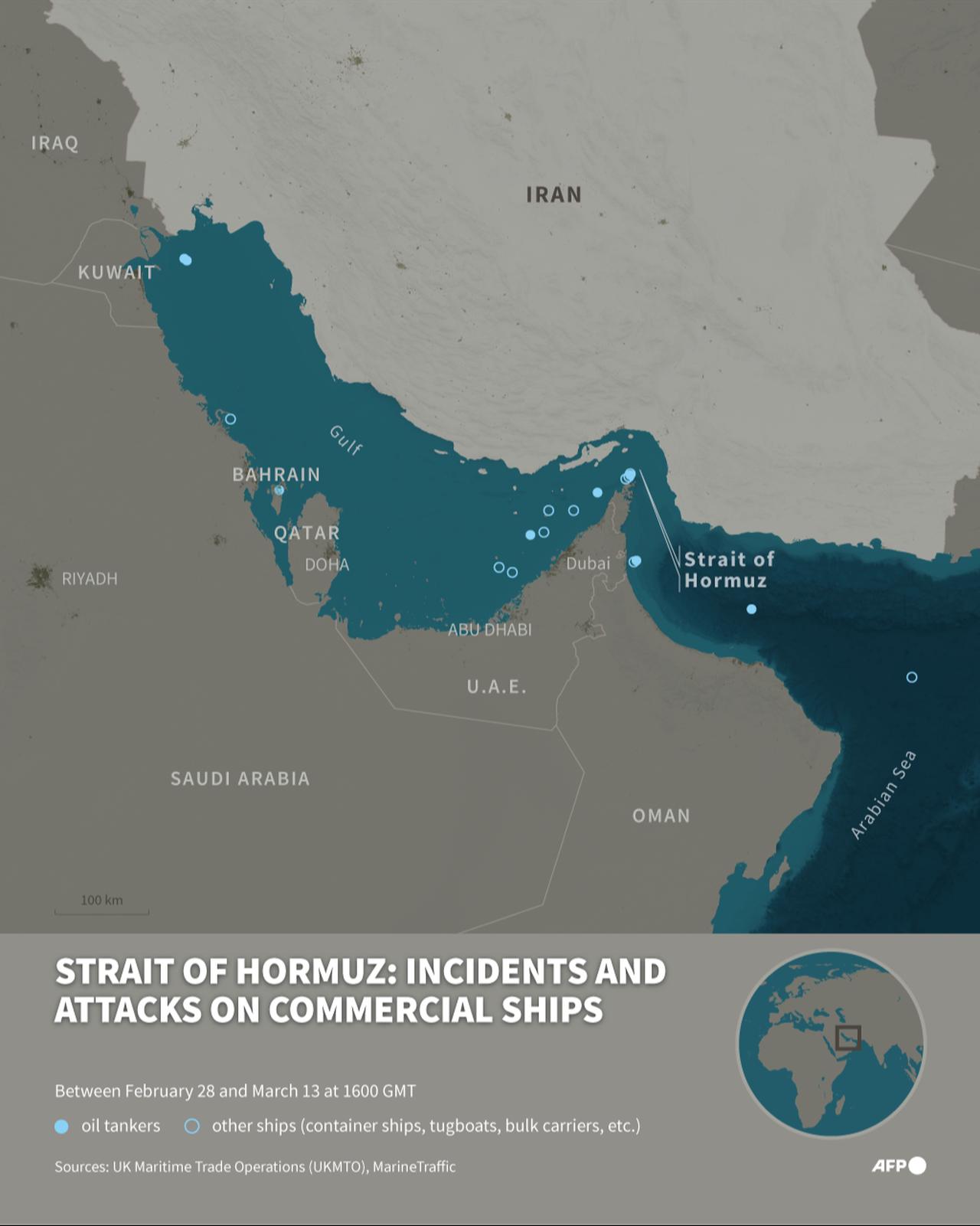
From March 1 to 19, commodity carriers made just 116 crossings through the Strait of Hormuz, according to analytics firm Kpler, a 95% decrease from peacetime averages.
The Strait normally carries approximately 20% of the world's oil and gas.
Iran's armed forces accused the U.S. and Israel of deliberately striking non-military ships and passenger vessels in the Gulf, saying the attacks were the result of "successive defeats and inability to confront the powerful onslaught of the armed forces of the Islamic Republic of Iran."
The remarks came in a statement issued by Iran’s Khatam al-Anbiya Central Headquarters, which oversees military operations.
"The American and Zionist enemies, due to the successive defeats they have suffered and their inability to confront the powerful strikes of Iran's armed forces, are targeting private ships and passenger transport vessels in the Gulf," the statement said.
"We warn that if this cowardly aggression is repeated, severe and retaliatory action will be taken," an IRGC spokesperson said.
On Thursday, U.S.-Israeli airstrikes targeted the Iranian port of Bandar Lengeh in the eastern Gulf, maritime security firm Ambrey said, reporting no casualties or damage to merchant ships. However, the Iranian state news agency Tasnim reported that at least 16 commercial vessels were destroyed in the attack.
After the U.S. and Israel launched attacks on Iran on Feb. 28, Tehran has retaliated with strikes on Gulf neighbors and on vessels in the strait.


 Set as preferred source
 Set as preferred source


 1 min read

 1 min read