Newsletters




U.S. Central Command (CENTCOM) Commander Adm. Brad Cooper said U.S. strikes have degraded Iran’s ability to threaten the free flow of commerce through the Strait of Hormuz.
In his fourth update on Operation Epic Fury, Cooper said U.S. forces remain focused on dismantling what he described as Iran’s long-standing threat to international shipping in the strategic waterway.
Earlier in the week, U.S. forces dropped multiple 5,000-pound bombs on a hardened underground facility along Iran’s coastline.
He said the facility was used to store anti-ship cruise missiles, mobile missile launchers and other equipment posing risks to maritime traffic.
The strikes also destroyed intelligence support sites and missile radar relays used to monitor ship movements.
“Iran’s ability to threaten freedom of navigation in and around the Strait of Hormuz is degraded,” Cooper said, adding that operations against such targets will continue.
Cooper said that on day 22 of combat operations, U.S. forces continue actions aimed at limiting Iran’s ability to project power beyond its borders.
He said the U.S. Army recently carried out the longest field artillery strike in its combat history using precision-strike missiles, targeting Iranian military infrastructure.
According to Cooper, U.S. forces have destroyed thousands of Iranian missiles and advanced attack drones, while Iran’s navy is no longer operational and its tactical aircraft are not flying.
He added that Iran has lost the ability to launch missiles and drones at the rate seen at the beginning of the conflict.
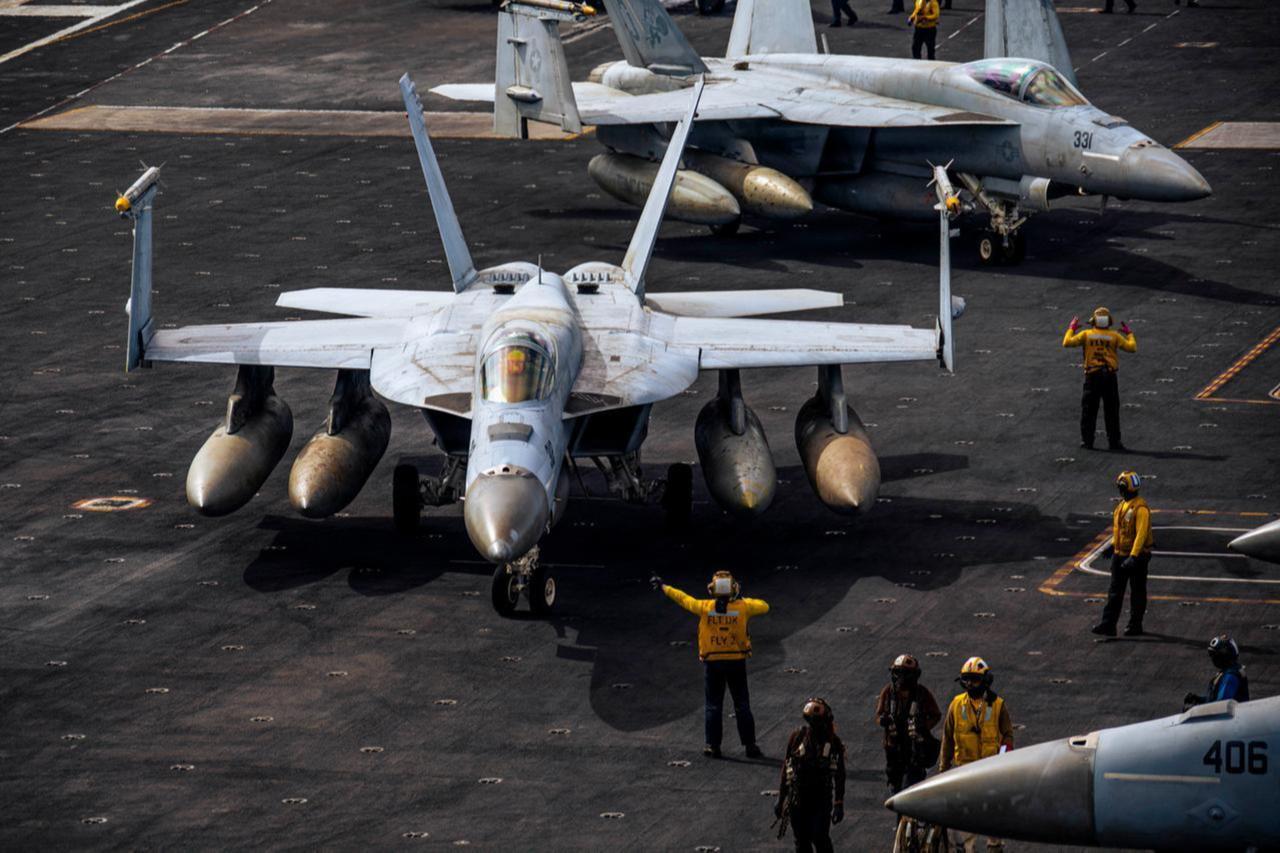
Cooper said U.S. forces maintain air superiority over Iran, having conducted over 8,000 combat flights.
He said more than 8,000 military targets have been struck, including 130 Iranian vessels, describing it as the largest elimination of a navy over a three-week period since World War II.
He also said the U.S. and its allies have established what he described as the most extensive air defense system in the Middle East.
Gulf partners have defended against thousands of Iranian drone attacks, demonstrating coordination between U.S. forces and regional allies, he added.


 Set as preferred source
 Set as preferred source


 2 min read
 1 min read