Newsletters


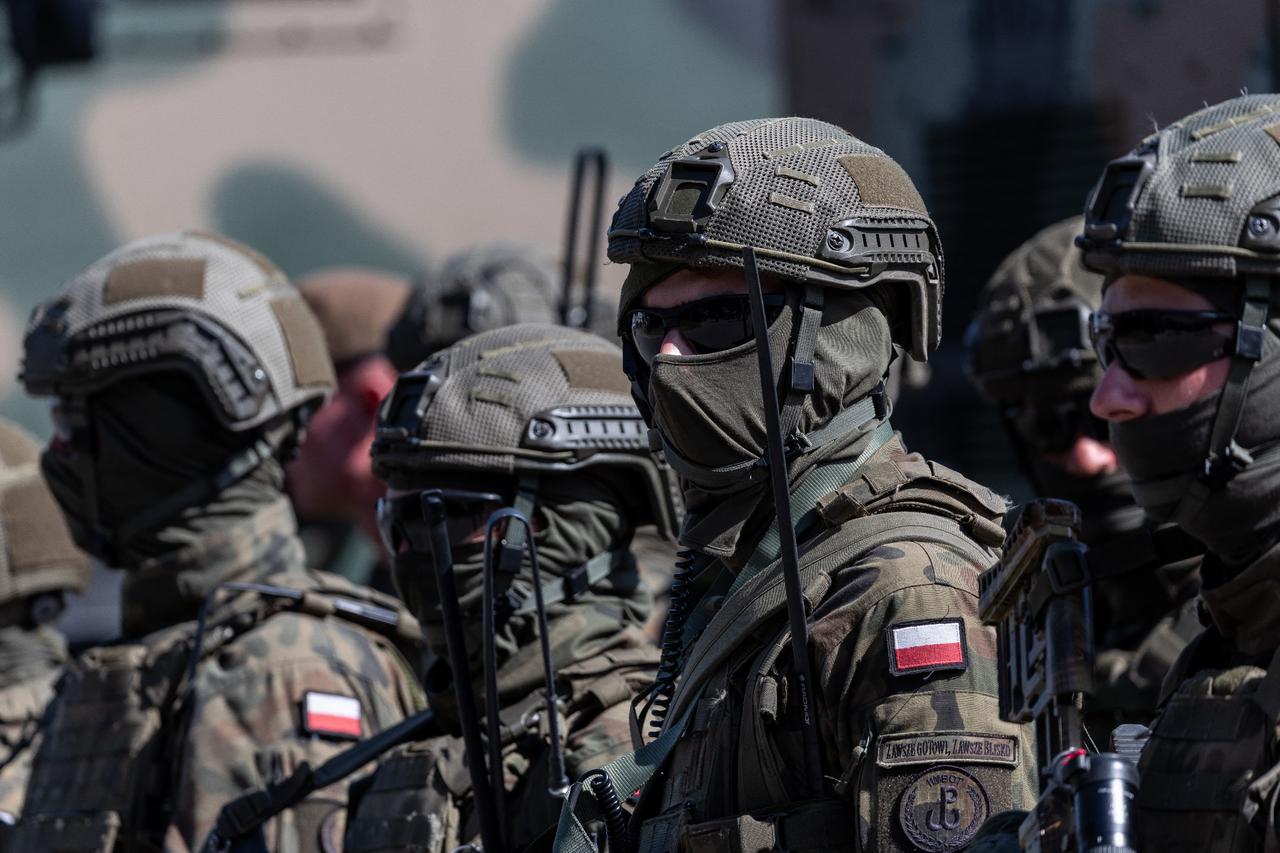


A majority of respondents in 11 European Union countries support the creation of a common EU army, with 71% backing the idea, according to a survey published in the Prague-based think tank GLOBSEC's "Trends 2026" report.
The survey, conducted by HarrisX through online panels from May 11-19, included 13,730 respondents across 11 EU member states, Ukraine, the United Kingdom and the United States.
Support for an EU army was highest in Romania at 82%, followed by Lithuania at 78% and France at 75%.
In Poland and Bulgaria, 70% of respondents supported the proposal, compared with 69% in Germany.
The findings indicate substantial support for greater European defense capabilities among respondents in the surveyed countries, although the poll did not cover all 27 EU member states.
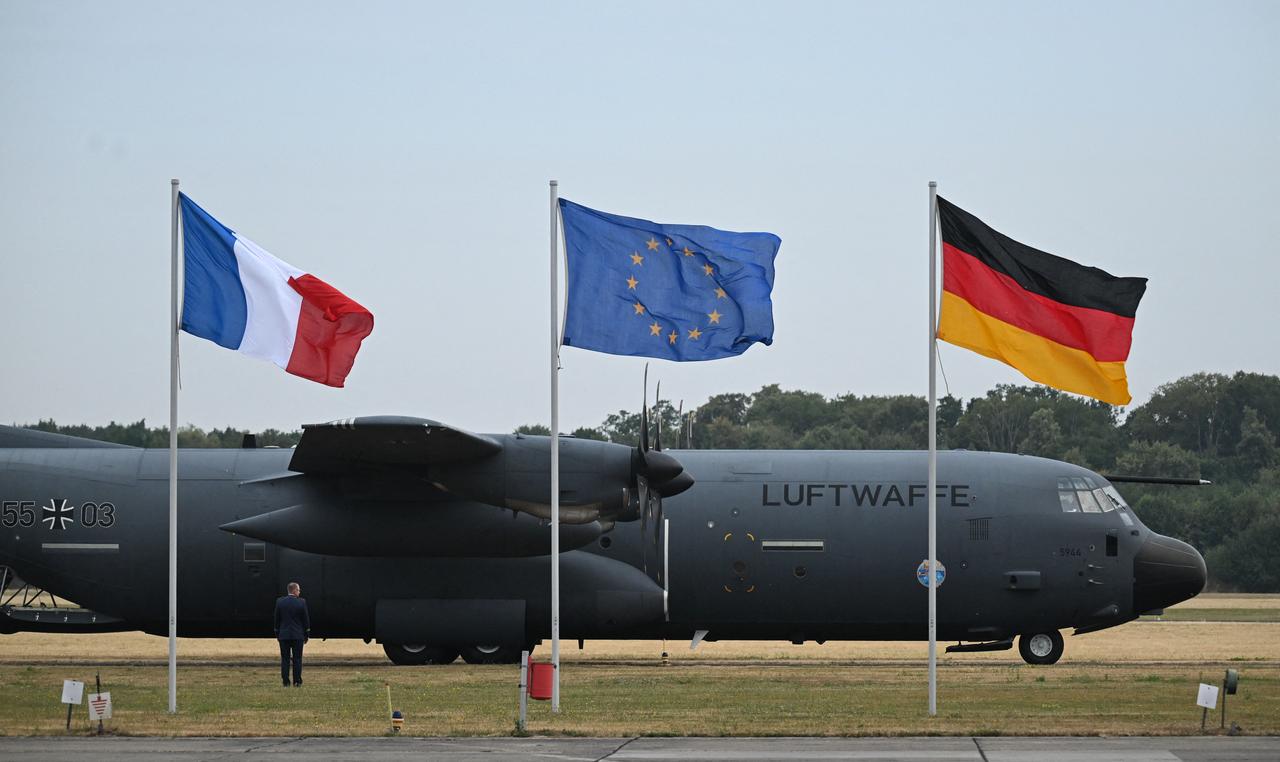

The survey also found continued support for NATO membership among respondents in the European NATO member states covered by the research.
An average of 78% said they would vote to remain in NATO if a referendum on membership were held.
Meanwhile, 61% of respondents in those countries supported increasing defense spending.
However, that figure dropped to 44% when respondents were asked whether they would support higher military expenditure if it required cuts to health care or social security spending.
The results suggest that while support for strengthening European defense remains substantial, willingness to bear the associated costs is more limited.
 3 min read
The survey also examined perceptions of the United States and its role in European security.
Across the European countries surveyed, 77% of respondents considered the United States important to Europe's security.
However, only 54% viewed Washington as a reliable partner, while 35% regarded the United States as a threat to their own country's security.
The findings point to a distinction between recognizing Washington's importance to European security and trusting it as a security partner.
The 11 EU member states included in the survey were Bulgaria, Czechia, Estonia, France, Germany, Hungary, Latvia, Lithuania, Poland, Romania and Slovakia.
The research also covered Ukraine, the United Kingdom and the United States.


 Set as preferred source
 Set as preferred source



 1 min read