

 Newsletters





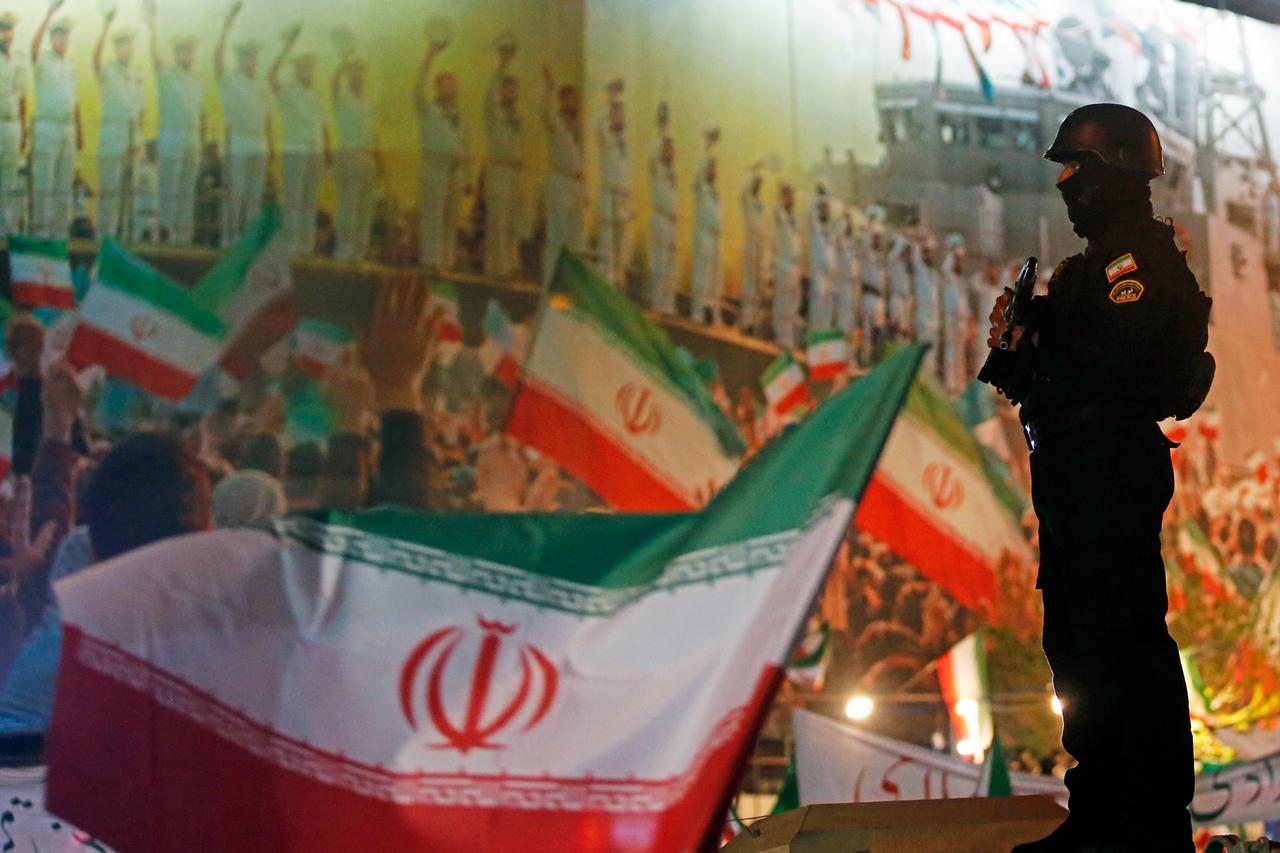
Iran's Parliament Speaker Mohammad Baqer Ghalibaf claimed Thursday that 7 million Iranians have volunteered to fight any U.S. ground invasion.
The Islamic Revolutionary Guard Corps (IRGC) separately announced that they struck American-linked steel and aluminum facilities in the UAE and Bahrain in "warning" attacks, retaliating for U.S.-Israeli strikes that shut down one of the Middle East's largest steel complexes in Isfahan.
"Right now, in less than a week, a powerful national campaign sweeping the country has brought forward around 7 million Iranians who have already stepped up and declared they're ready to pick up arms and stand in defense of our nation," Ghalibaf wrote on X.
"You come for our home... you're gonna meet the whole family. Locked, loaded, and standing tall. Bring it on," he added.
Ghalibaf, who has been discussed as a possible negotiating partner with the U.S., has instead offered a series of combative online posts since the war began.
He is the first high-ranking Iranian official to cite the 7 million figure in a nation of some 90 million people.
It is unclear where the figure originates. Iran's Tasnim news agency reported Thursday that registrations for the "Janfada" (Sacrificing Life) campaign had surpassed 6 million in three days.
State media and mass text message campaigns have urged people to volunteer by texting a number or visiting a registration website.
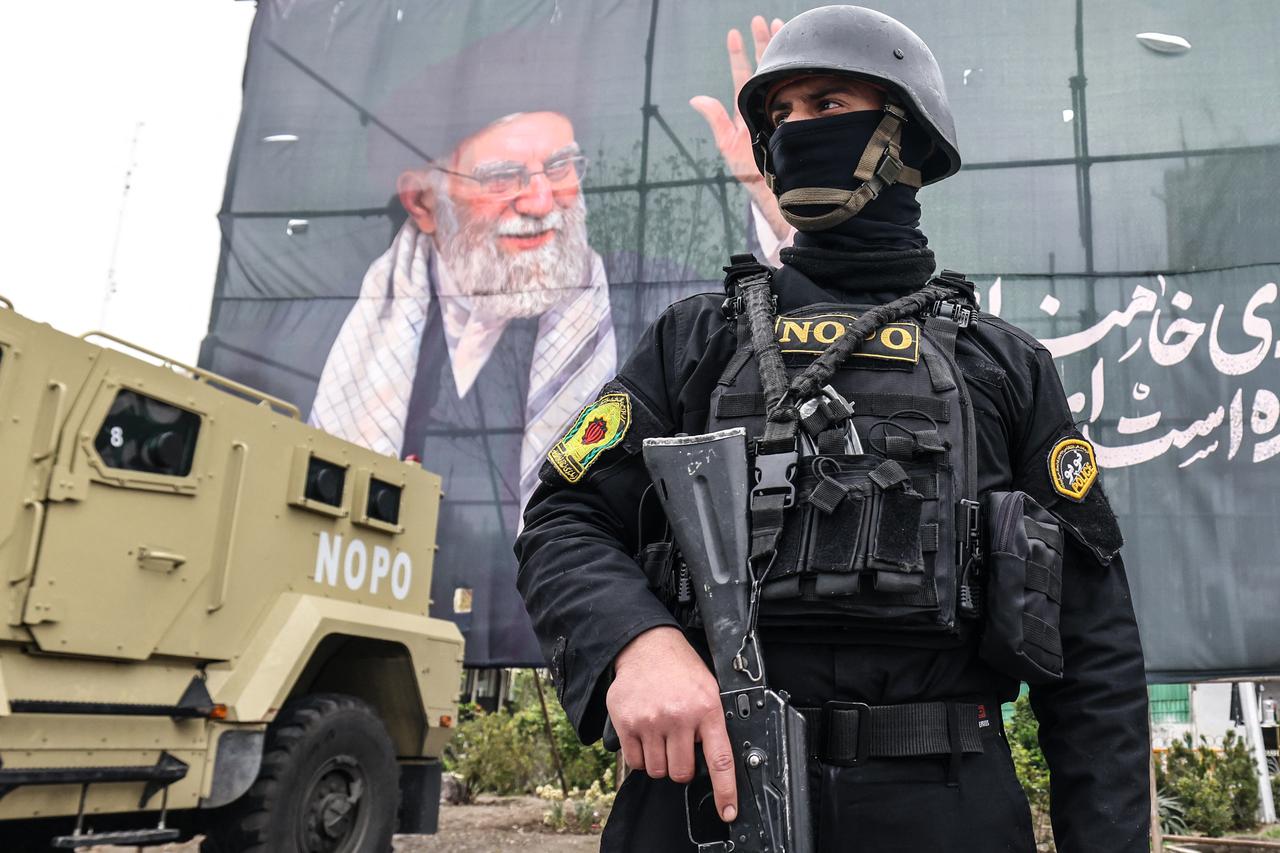
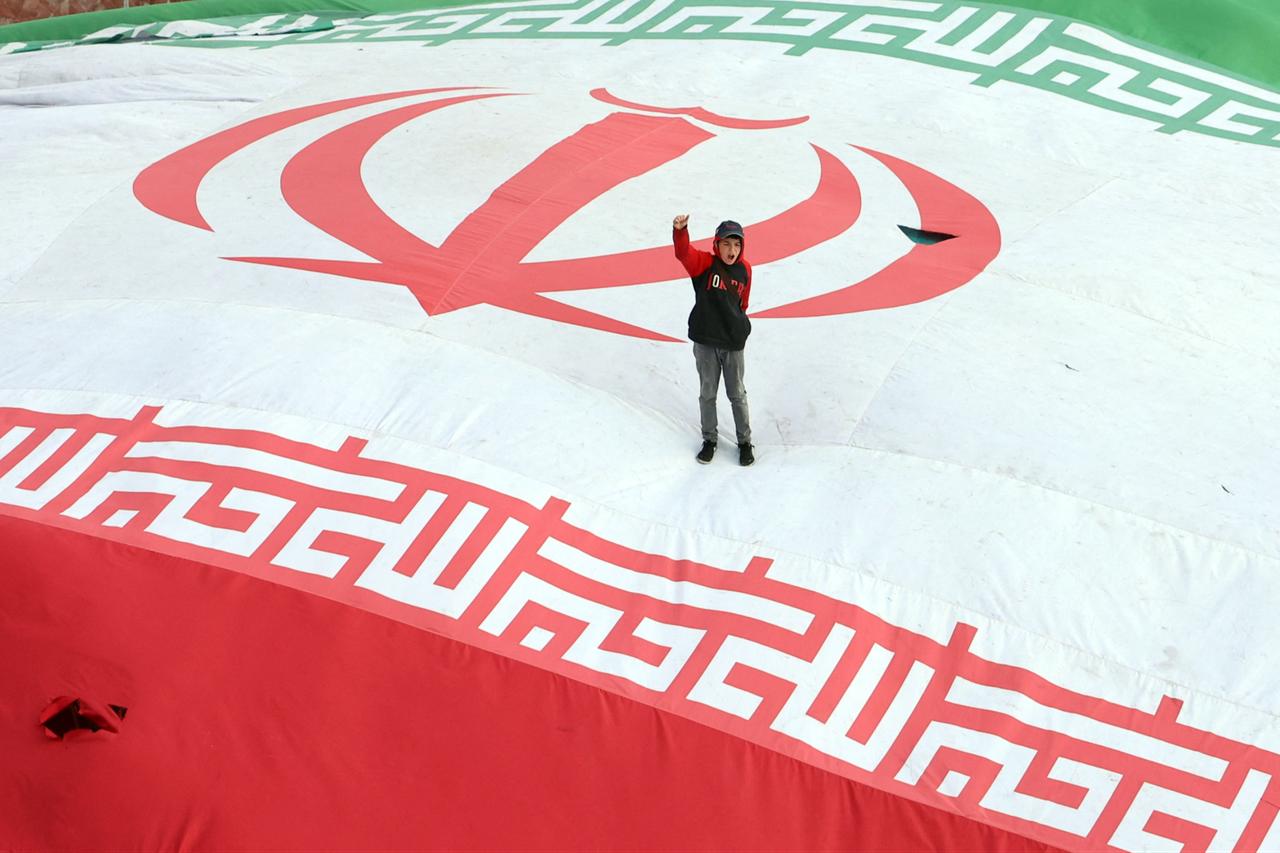
The government has also called on retired soldiers to express interest in fighting, while the Revolutionary Guards' Basij volunteer force has begun accepting children as young as 12.
Ghalibaf referenced his personal experience in the Iran-Iraq war. "Back when I was eighteen years old, I grabbed my rifle and ran straight into the fight to defend the soil of my beloved, unbreakable Iran," he wrote.
"My own brother, Hassan, he laid it all on the line in that same fight for our homeland. He never came home," Ghalibaf noted.
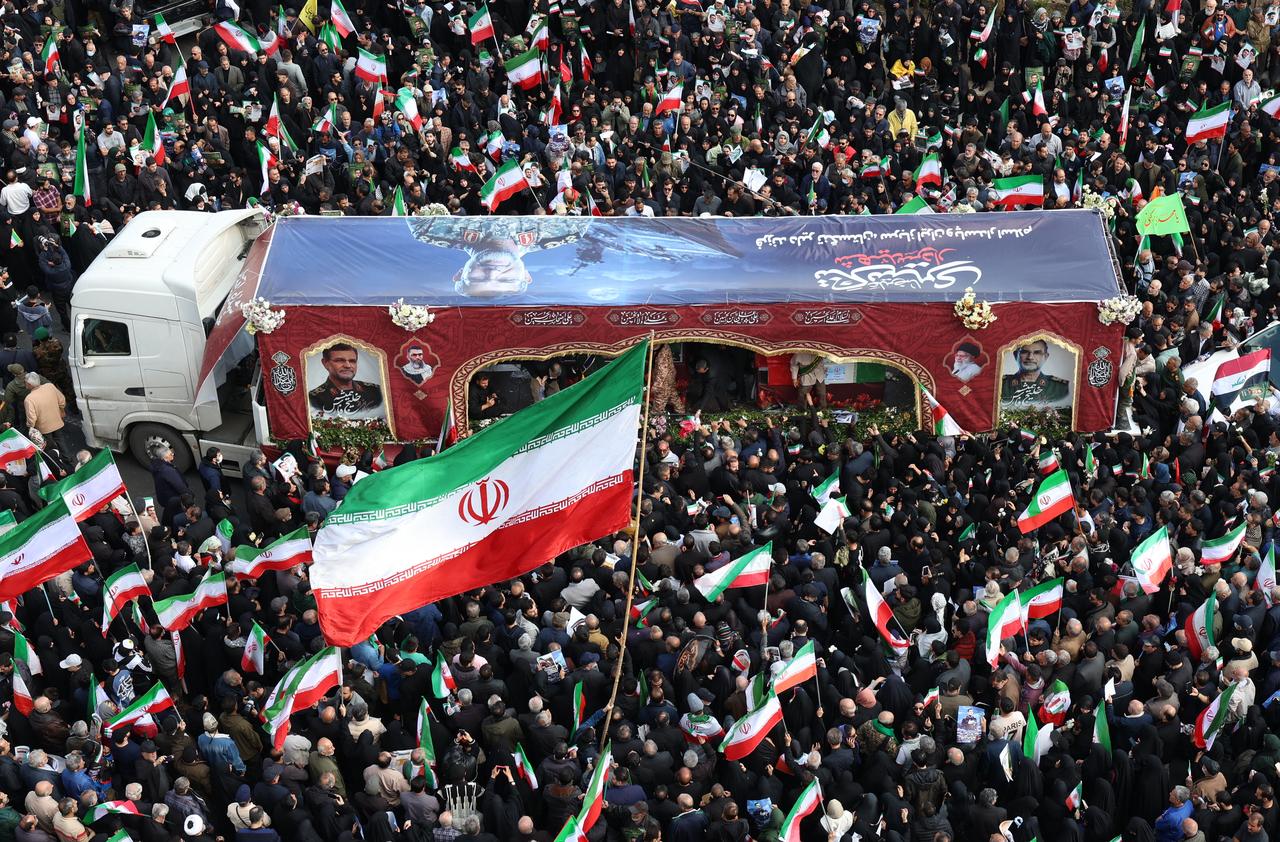

Separately, the Revolutionary Guards announced that they had struck U.S.-linked steel and aluminum facilities in Gulf states in what they described as "warning" strikes, vowing that if Iranian industries are hit again, "the next response will be more painful."
The IRGC said it targeted U.S. steel and steel industries in Abu Dhabi in the UAE, previously undamaged sections of U.S.-linked aluminum facilities in Bahrain, and the Rafael arms industry and an American military hideout near the city of Manama.
The guards said "dozens of American terrorists were killed and wounded" in the joint missile and drone operation, though this claim could not be independently verified.
The IRGC said the strike sites were immediately quarantined by security forces but that ambulances continued evacuating wounded for hours.
The strikes came as part of what the IRGC called "Wave 90" of Operation True Promise 4, which it said has been ongoing "continuously and like a nightmare" since the previous morning.
The IRGC said Tuesday it would begin striking U.S. companies in the Middle East, warning Washington: "Since the primary element in the design and tracking of assassination targets is American ICT and AI companies, from now on the main institutions effectively involved in terrorist operations will be considered our legitimate targets."
It told employees of targeted companies to "immediately leave their workplaces" and warned residents "in all countries of the region" to evacuate if they lived near such facilities.
The retaliatory strikes followed U.S.-Israeli attacks on Iran's Mobarakeh Steel Complex in Isfahan between March 29 and 31, which caused such severe damage that production lines were completely shut down.
The factory, one of the largest steel production complexes in the Middle East and North Africa, told workers not to come to the facility until further notice, citing safety concerns.
The U.S. and Israel have maintained an air offensive on Iran since Feb. 28, killing more than 1,340 people.
Iran has retaliated with drone and missile strikes targeting Israel, Jordan, Iraq and Gulf countries hosting U.S. military assets.


 Set as preferred source
 Set as preferred source


 1 min read
 1 min read


