Newsletters


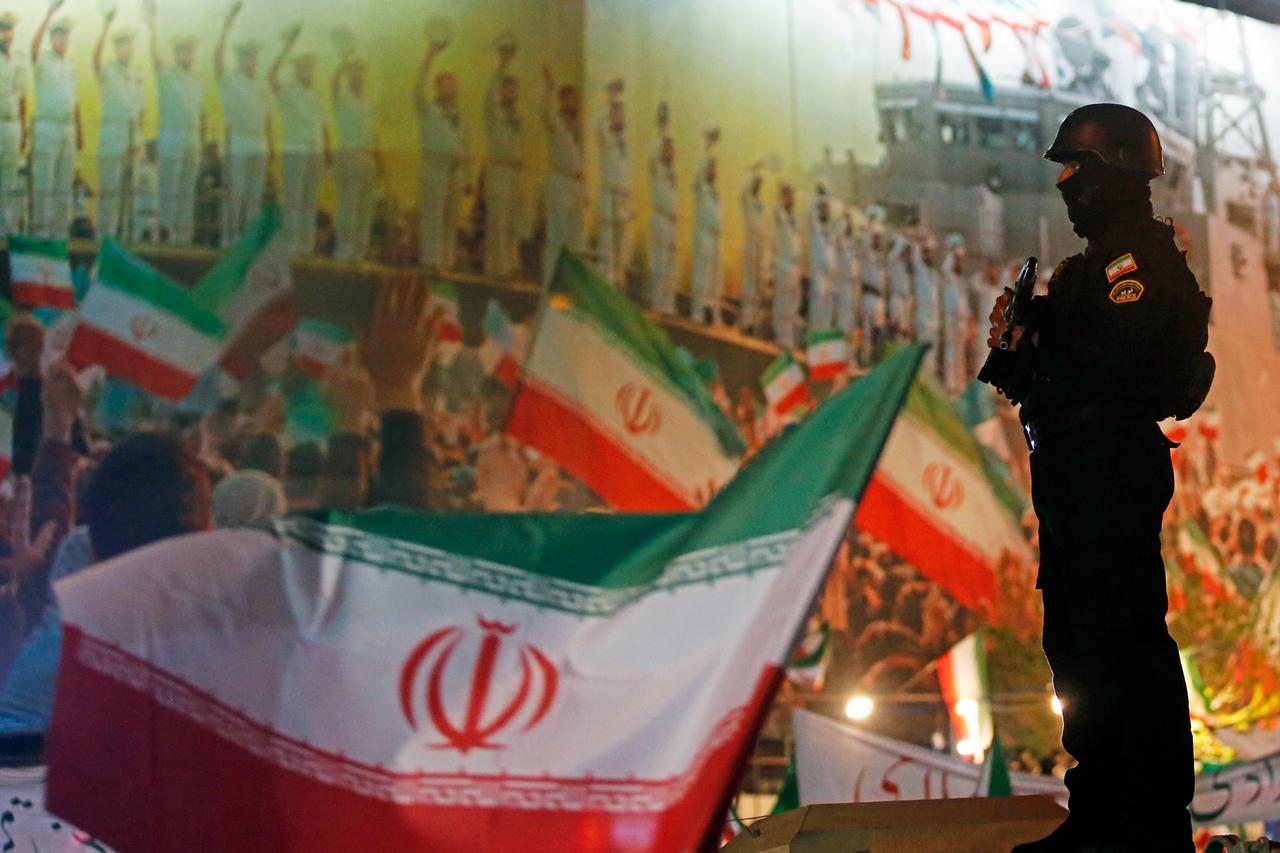


Iran said maritime transit through the Strait of Hormuz will be subject to new rules set by Tehran, with a senior lawmaker declaring that a 47-year period of "hospitality" has ended.
The parliament's deputy speaker also vowed the waterway "will never be reopened" for American vessels and that "no negotiations have taken place or will take place."
Ebrahim Azizi, head of Iran's parliament National Security Commission, mocked President Donald Trump's claim of having achieved regime change in Iran.
"Trump finally achieved his dream of 'regime change,' but this time in the region's maritime regime," Azizi wrote on X.
"The Strait of Hormuz will definitely be opened, but not for you, for those who comply with Iran's new laws. The 47-year period of hospitality has ended," he added.
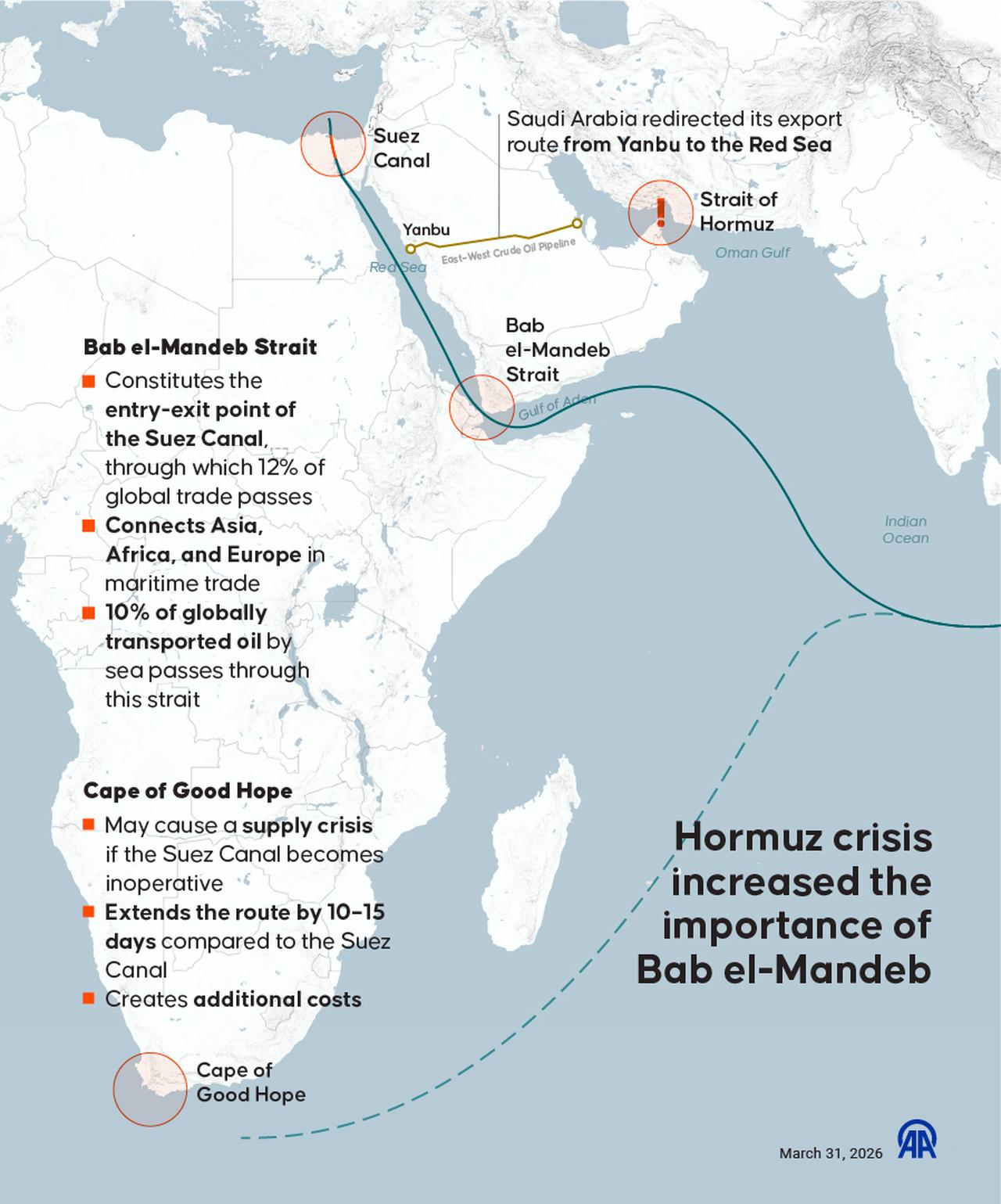

Iran's Deputy Parliament Speaker Ali Nikzad said there would be no negotiations with the United States and that the Strait of Hormuz would not be reopened, speaking at a public rally in Iran's Markazi province.
"The Strait of Hormuz will never be reopened; no negotiations have taken place and none will take place," Nikzad said, according to Iran's semi-official Fars News Agency.
Nikzad said Iran would not relent until it had avenged the killing of Supreme Leader Ali Khamenei, who was killed in U.S.-Israeli strikes.
"This was the gravest conspiracy they carried out against Iran, but they will never achieve their treacherous goals," he said.
He also denied U.S. claims that he had been in contact with Parliament Speaker Mohammad Baqer Ghalibaf.
"They say Mr. Mohammad Baqer Ghalibaf, who is the brother of a martyr and plays a role in this war as a major general, has been negotiating; this is not true and is only intended to create division internally," Nikzad said.
He added that under Articles 5 and 110 of Iran's constitution, decisions on war, peace, or negotiations rest with the Supreme Leader, now Mojtaba Khamenei, and that "no permission for negotiations has been given so far."
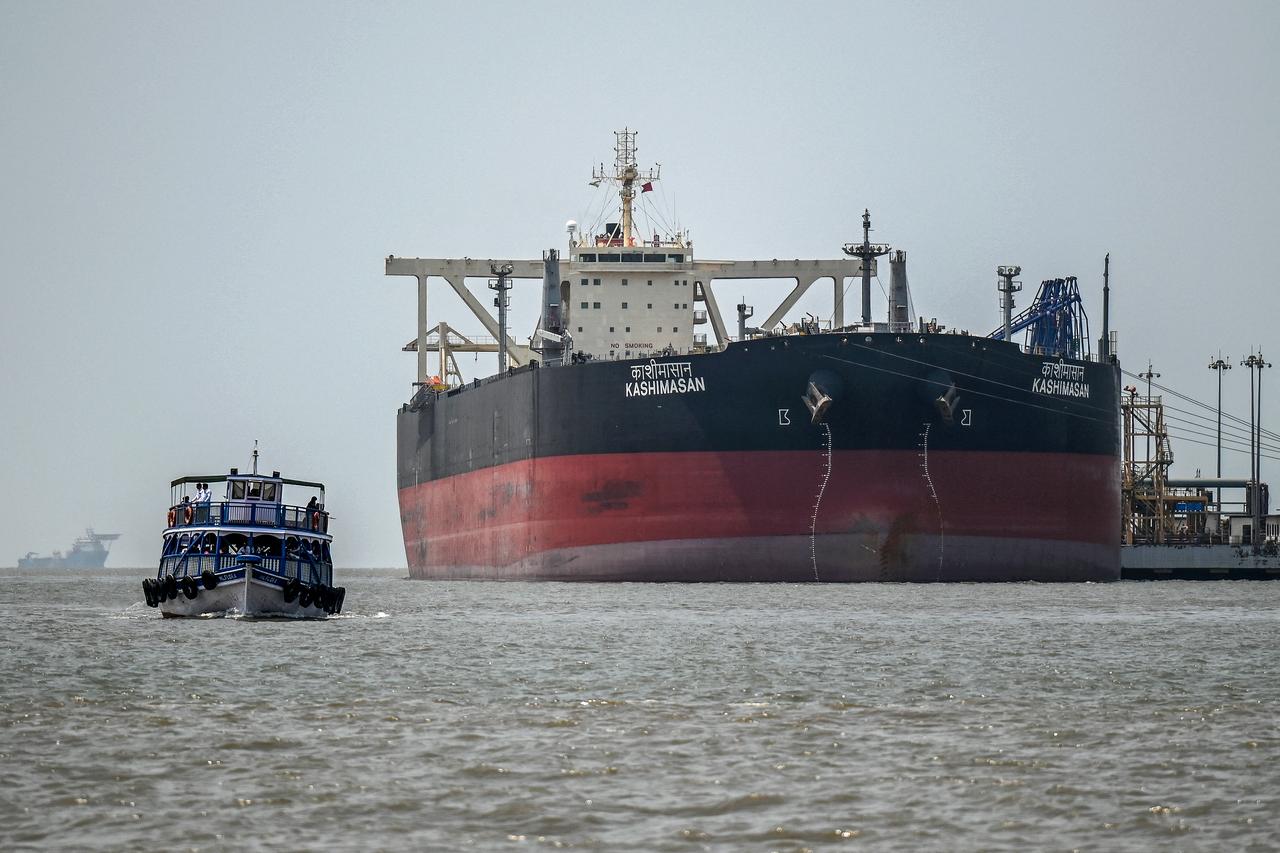
Separately, Foreign Ministry spokesman Esmaeil Baqaei said the conflict has directly affected regional security, including the Strait of Hormuz, the Persian Gulf, and the Sea of Oman, warning of broader consequences for the global economy.
In remarks to South Korea's Yonhap news agency, Baghaei said vessels belonging to non-hostile parties can continue to pass through the strait following necessary coordination with Iranian authorities. He stressed the measures are intended to ensure safe passage.
Iran's Revolutionary Guards had closed the Strait of Hormuz to ships linked to the U.S., Israel and their supporters since the start of the conflict. Iran's navy has struck some vessels attempting to transit the strait with missiles and armed drones.
Foreign Minister Abbas Araghchi said in an Al Jazeera interview aired Wednesday that the strait "lies in the internal waters of Iran and Oman, not international waters," and that it was currently open to friendly nations with whom arrangements had been made for safe transit.
Trump said Tuesday night that the U.S. could end the war within two to three weeks. He claimed regime change had already been achieved in Iran, citing the killing of the supreme leader. Azizi's response directly ridiculed that claim, redirecting the "regime change" language to Iran's new maritime posture.


 Set as preferred source
 Set as preferred source


 2 min read