Newsletters


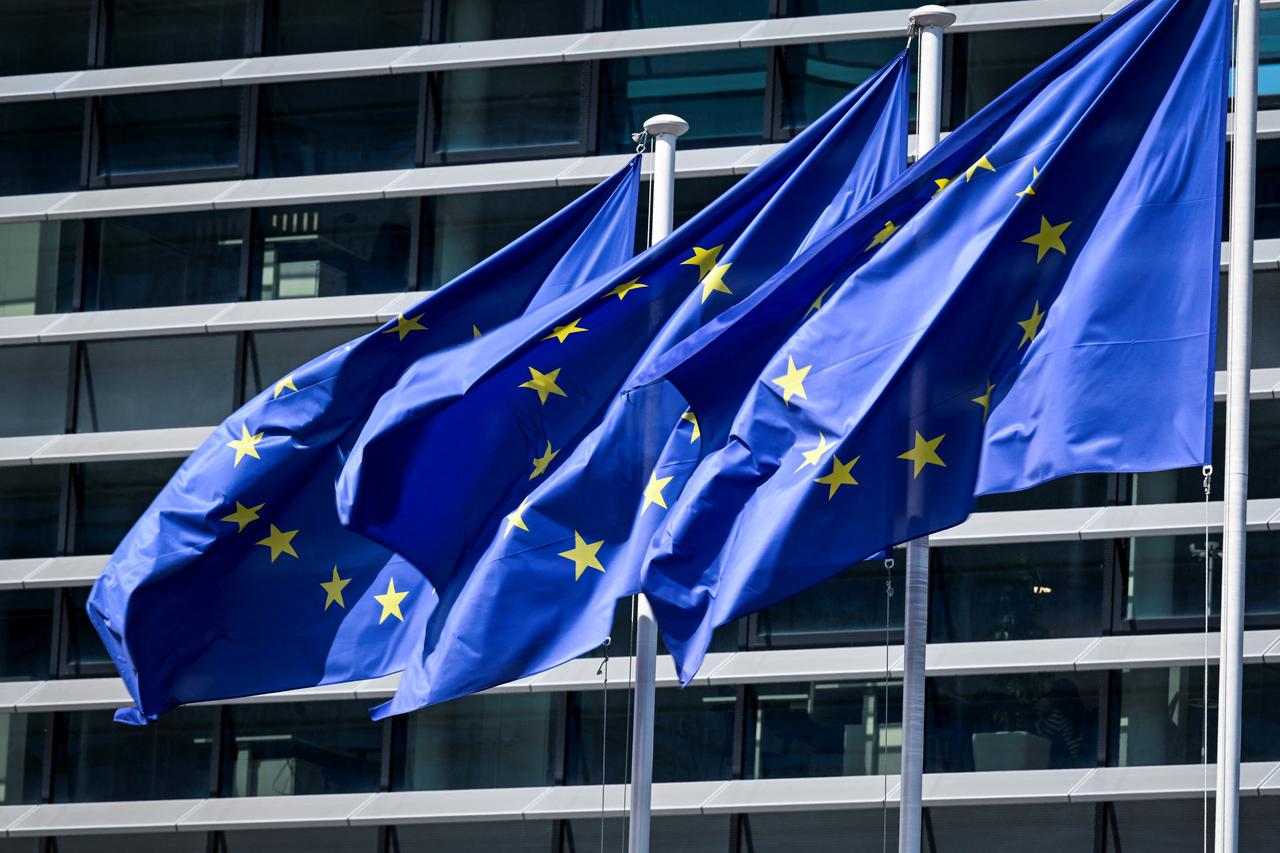


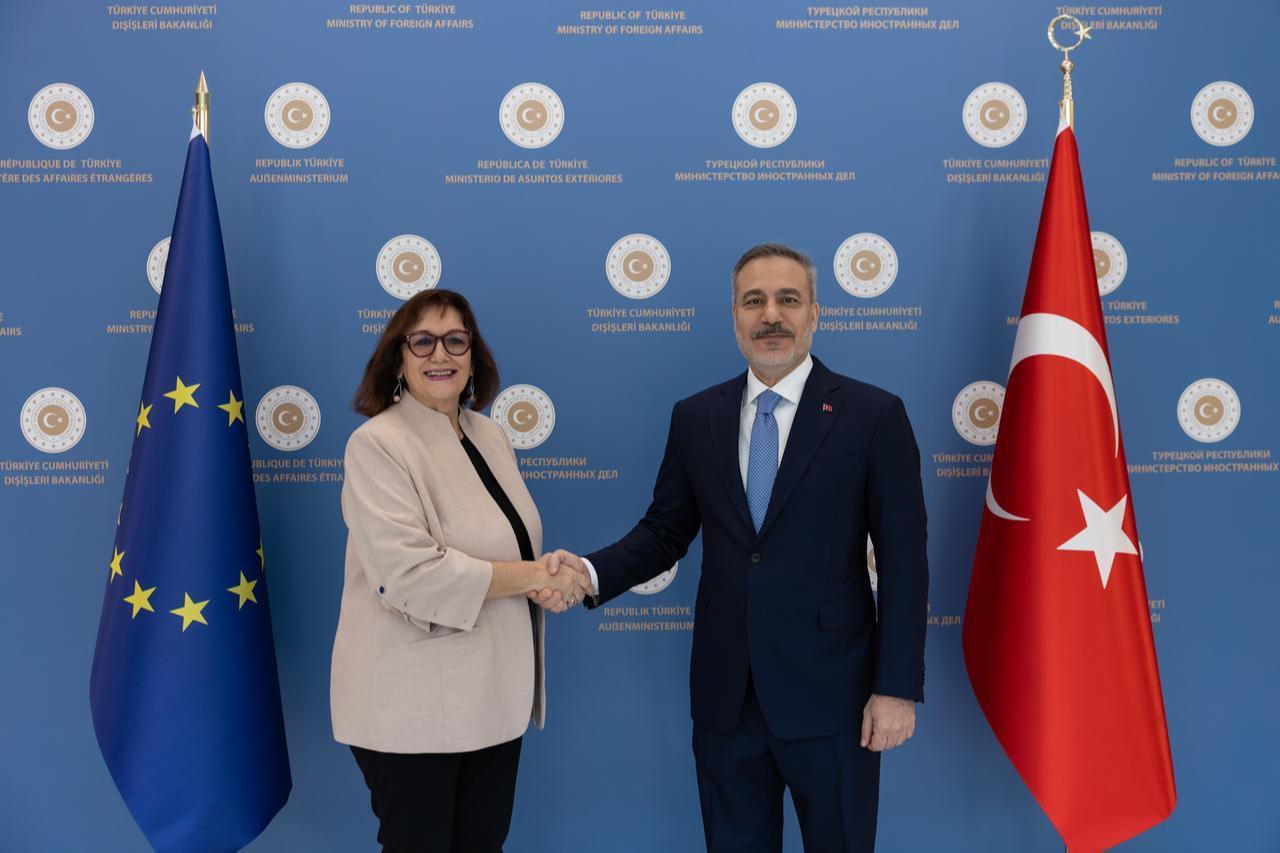
European Commissioner for the Mediterranean Dubravka Suica described Türkiye as "a key partner for the EU" and "a very important" regional actor following high-level meetings in Ankara.
She stressed that Türkiye's geostrategic position, at the crossroads of Europe, Asia and the Middle East, is "indispensable" to European connectivity, security and regional stability.
"Türkiye is a key partner for the EU. In today's rapidly changing global context, a stronger, trust-based partnership is a clear win-win for both sides," Suica told Türkiye's state-run Anadolu Agency (AA) in an interview following the visit.
"Türkiye plays an important role in the wider Middle East. It is important that we work together and deepen cooperation further to ensure stability in this volatile region," she noted.

Suica highlighted Türkiye's role in the EU's regional connectivity agenda, describing the Halkali-Kapikule railway, connecting Istanbul to the EU border, as "the largest single grant under EU's external financing instruments" and a critical component of the Trans-Caspian Transport Corridor.
She noted Türkiye's participation in initiatives including the Iraqi Development Road.
"Türkiye's geostrategic position at the crossroads of Europe, Asia and the Middle East makes it an important partner for connectivity," she said.
"Connectivity is not about a single corridor but a network," she added, saying she sees potential for deepening the partnership through frameworks including the Black Sea strategy.
Suica also said Türkiye could participate through "triangular cooperation" in the Mediterranean Pact, the EU's initiative to build a common Mediterranean space, particularly in economic development, connectivity and energy initiatives.
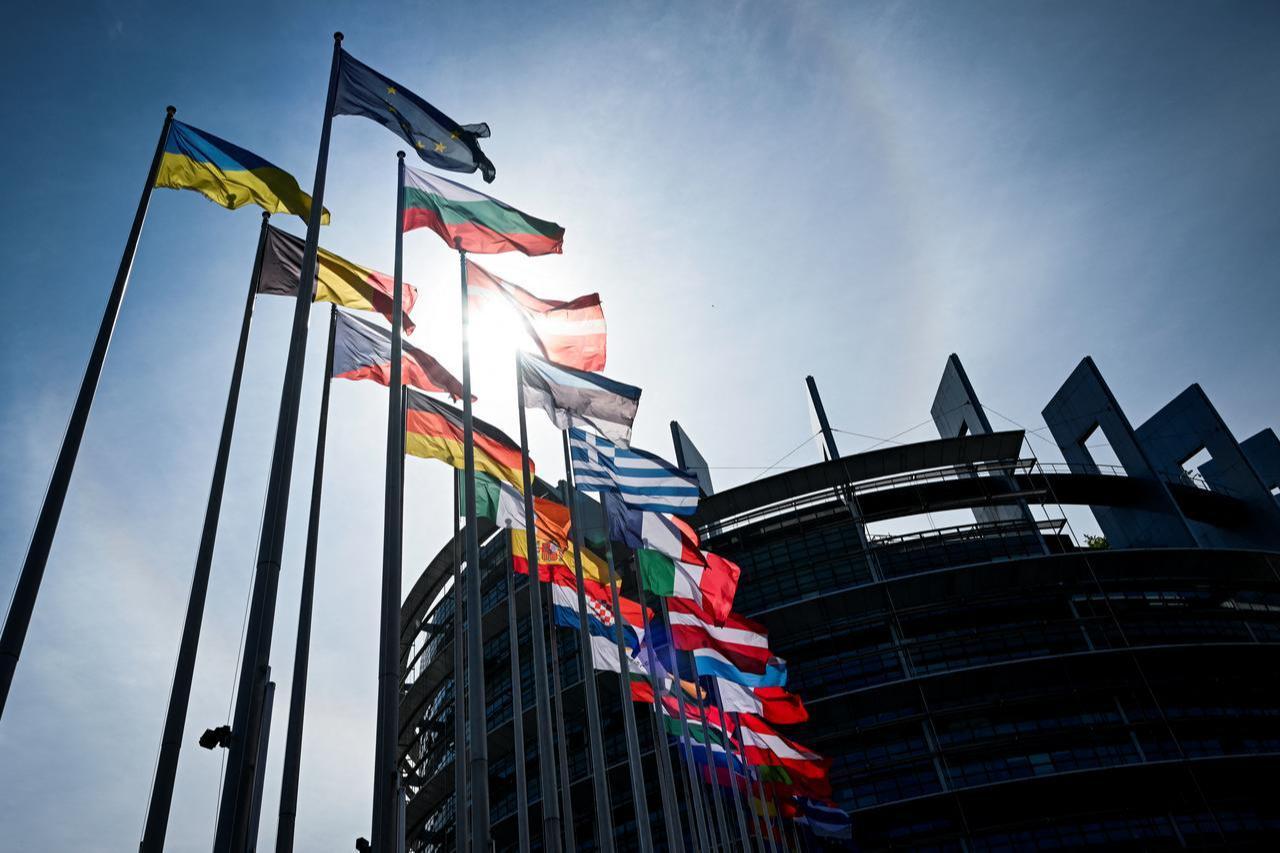
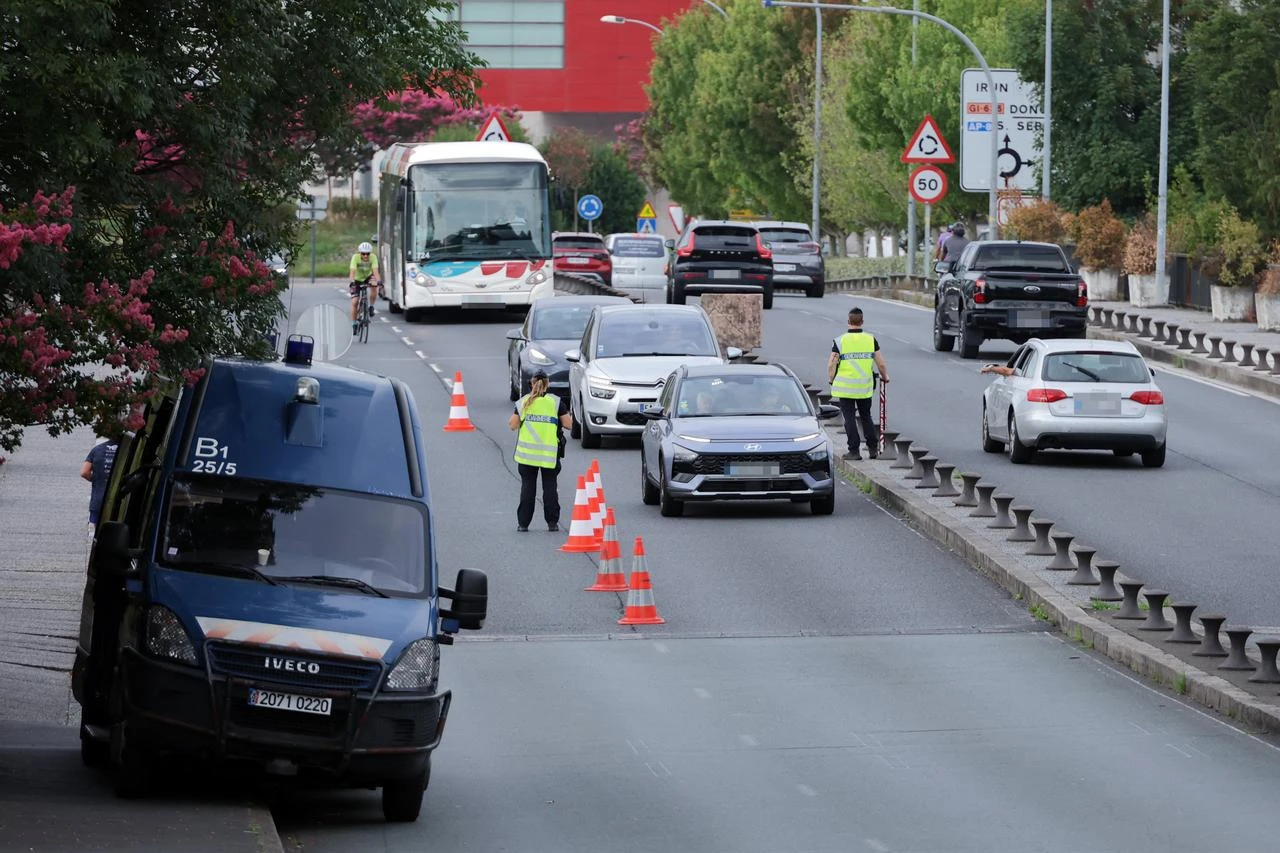
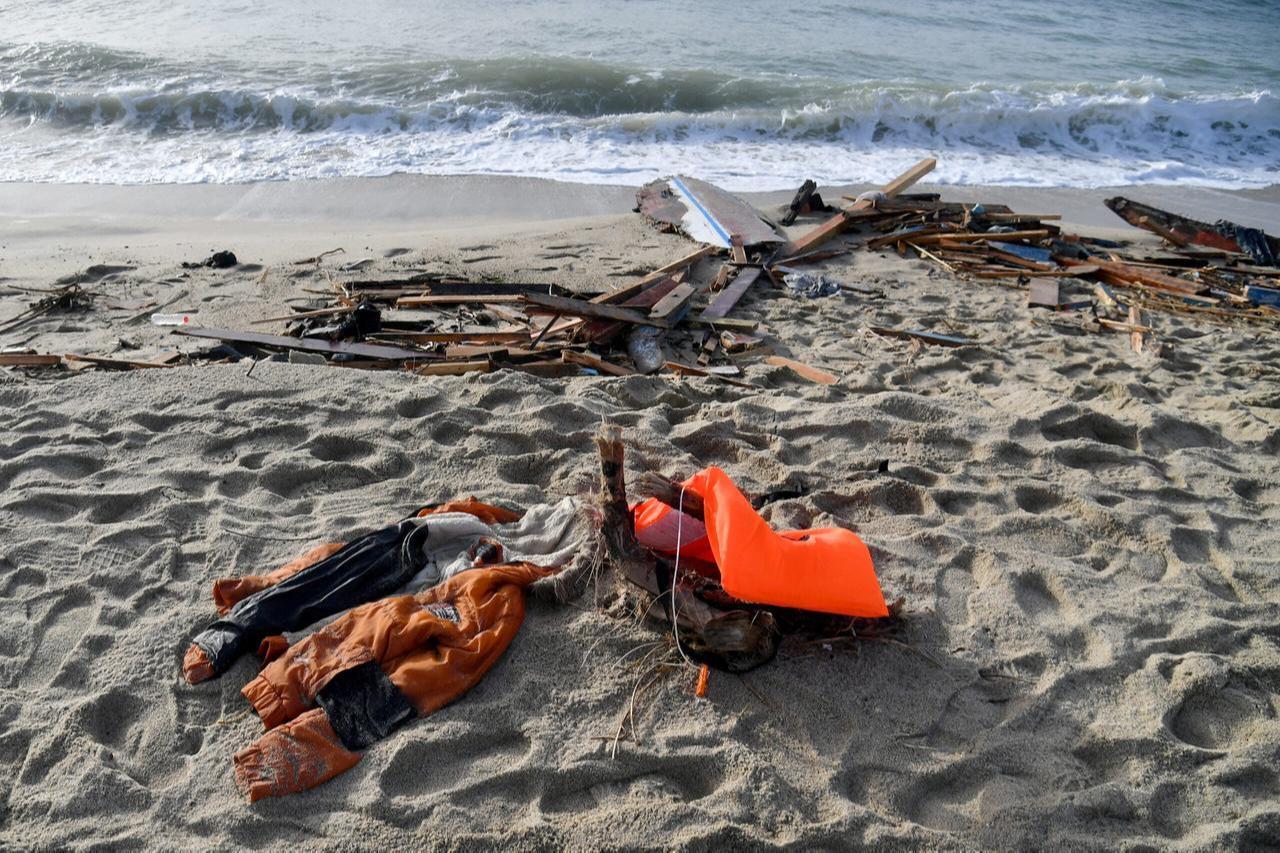
Suica said joint EU-Türkiye efforts had produced results on migration, with irregular border crossings along the Eastern Mediterranean route falling 27% in 2025, continuing a downward trend from 2024.
She said cooperation under the 2016 EU-Türkiye Statement "continues to work well."
In her meeting with Interior Minister Mustafa Ciftci, issues such as migration, border security, counterterrorism and organized crime were discussed.
The meeting addressed potential migration flows from Iran, noting that while no significant movement had been observed, vigilance was necessary given the ongoing conflict.
The meeting also stressed that terrorist organizations should not be allowed to use Northern and Western Europe as logistical bases, and that terror group members should be prevented from abusing asylum mechanisms.
Suica expressed appreciation for Türkiye hosting approximately 2.5 million refugees and said the EU was ready to support safe, humane and sustainable returns of Syrian refugees to their country, noting that approximately 1 million Syrians had already gone back.
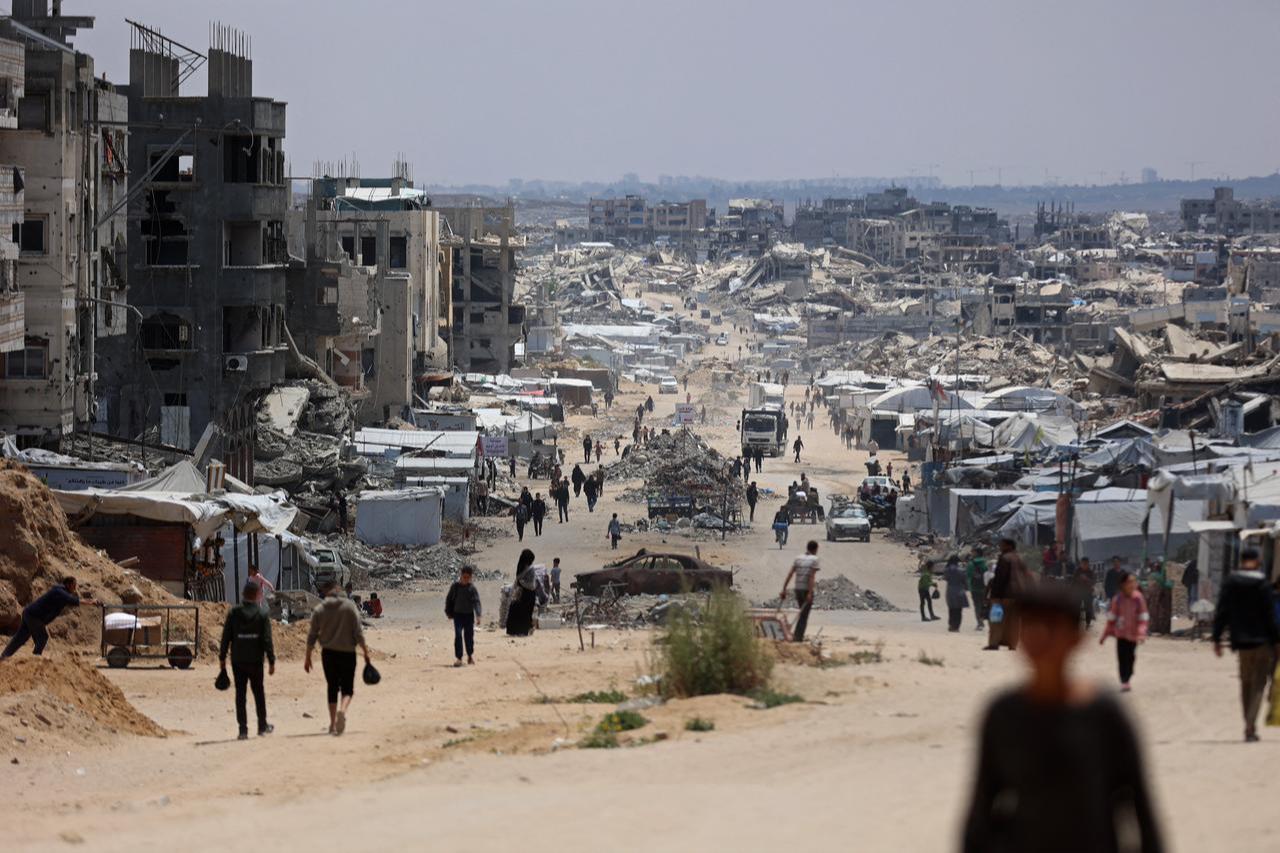
In talks with Foreign Minister Hakan Fidan, Suica said they discussed Gaza, calling for sustainable peace and early recovery.
She reiterated the EU's commitment to a "comprehensive, just and lasting peace based on the two-state solution," with Israel and Palestine coexisting within secure and recognized borders.
She noted that EU measures toward Israel remained under discussion in the EU Council, and said the bloc continued diplomatic engagement with Israel on withheld Palestinian Authority tax revenues, registration of international NGOs and humanitarian access to Gaza.
Suica also highlighted the Trans-Mediterranean Renewable Energy and Clean Tech Initiative as key elements of the Mediterranean Pact's climate agenda, noting that Türkiye will host COP31 in Antalya in November 2026.
The initiative aims to integrate EU and the electricity markets of the southern Mediterranean and create clean energy investment and trade opportunities.


 Set as preferred source
 Set as preferred source


 4 min read