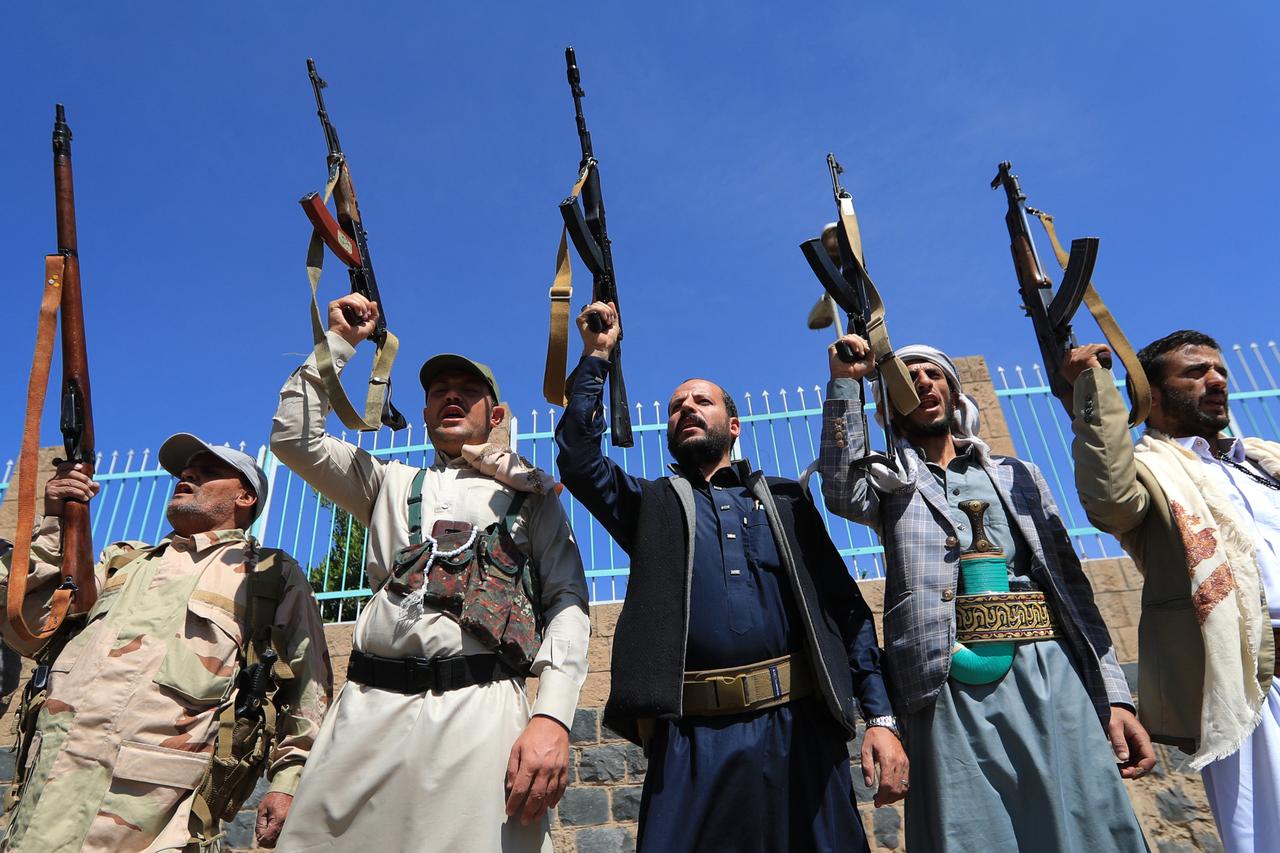
Newsletters


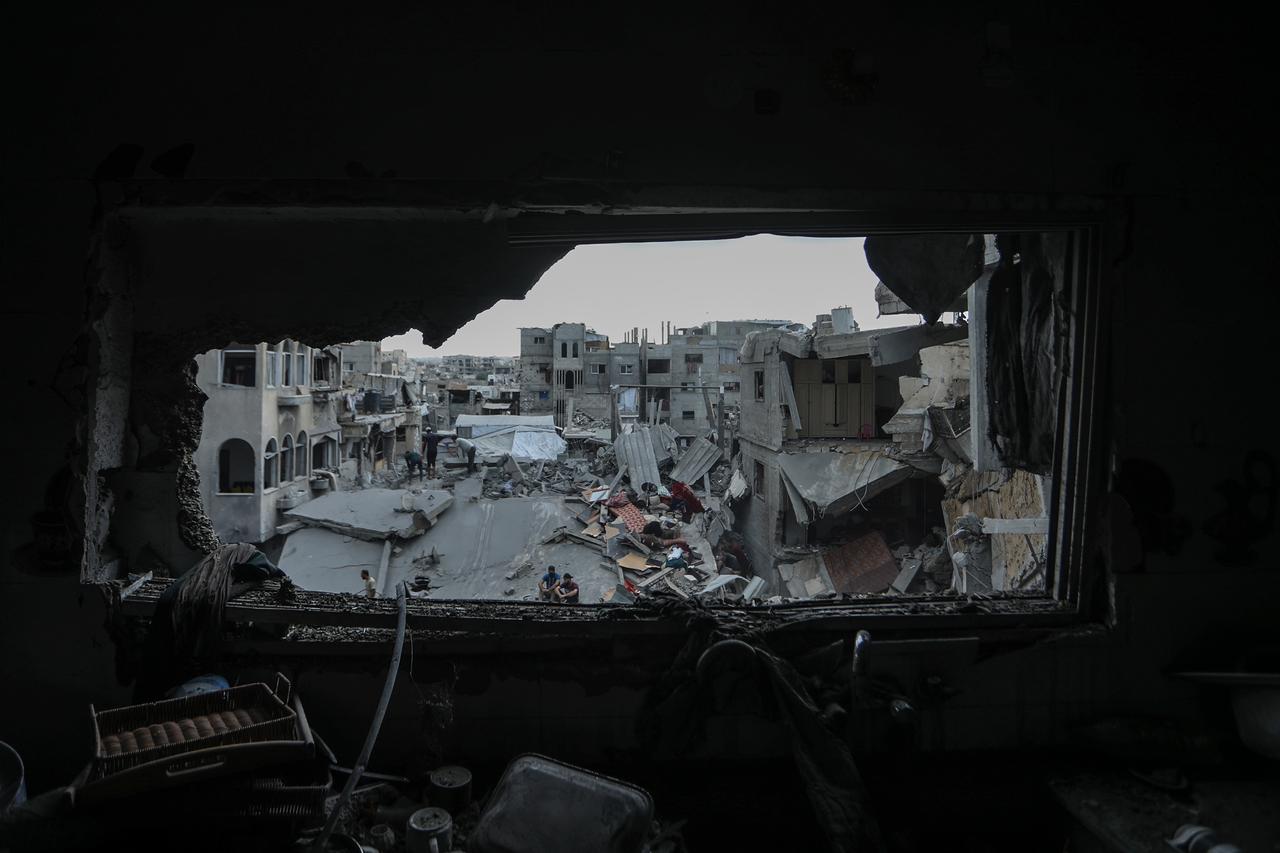


Three years after the Gaza war began, Israeli society has moved further right and peace has vanished from political debate, a former senior Israeli diplomat said, while Palestinians in Gaza continue to be killed nearly a year after a U.S.-brokered ceasefire.
"The word peace disappeared. Nobody is speaking about the peace today among the Israeli politicians," Alon Liel, a former director general of Israel's Foreign Ministry, told Türkiye's state-run Anadolu Agency (AA).
More than 1,400 people have been killed in Gaza since the truce took effect on Oct. 10, 2025, according to the Palestinian Health Ministry, as Israel’s Oct. 27 election approaches and nearly 2 million Gazans face winter without adequate shelter.
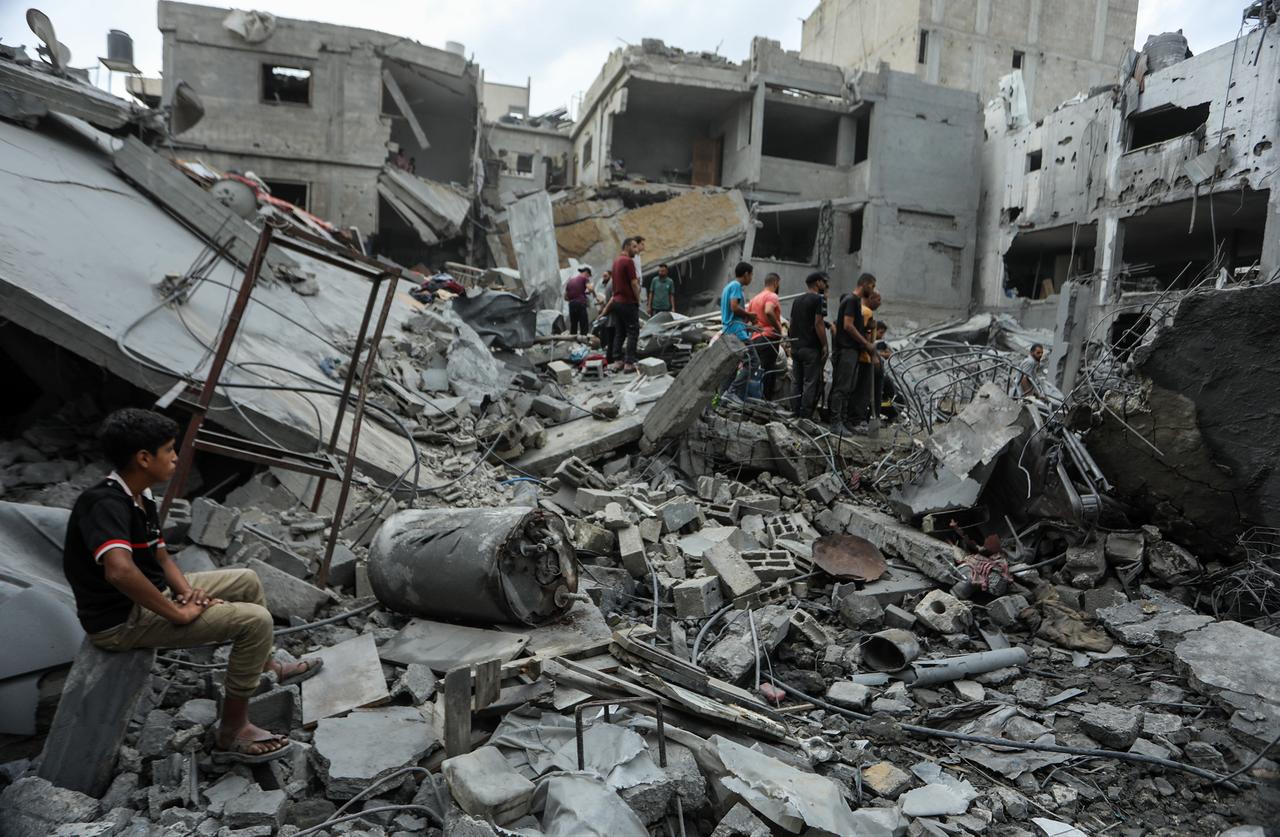

"The Israeli public, especially the Jewish public, moved towards a nationalistic attitude. More hatred, more fear, more feelings of revenge," said Liel, also a former ambassador to South Africa.
A Pew Research Center report published Sept. 15 found only 17% of Israelis believe Israel and an independent Palestinian state could coexist peacefully, while 56% consider it impossible, a majority for the first time in Pew’s polling.
"So politicians who speak in the election campaign about peace are in danger of losing votes," Liel said.
He warned the trend could sustain conflict across the region. "If this trend to the right continues, we will go on with wars, not only with the Palestinians, but also with Lebanon and Syria and Iran and the Yemenites," he said.
Figures presented at a Knesset hearing in June showed emigration rose to 82,800 in 2023 and 69,500 in 2024, from an average of about 40,500 a year between 2009 and 2021.
Pew polling this year found 60% of Americans view Israel unfavorably, up from 42% in 2022. "Israel is much weaker now internationally," Liel said.
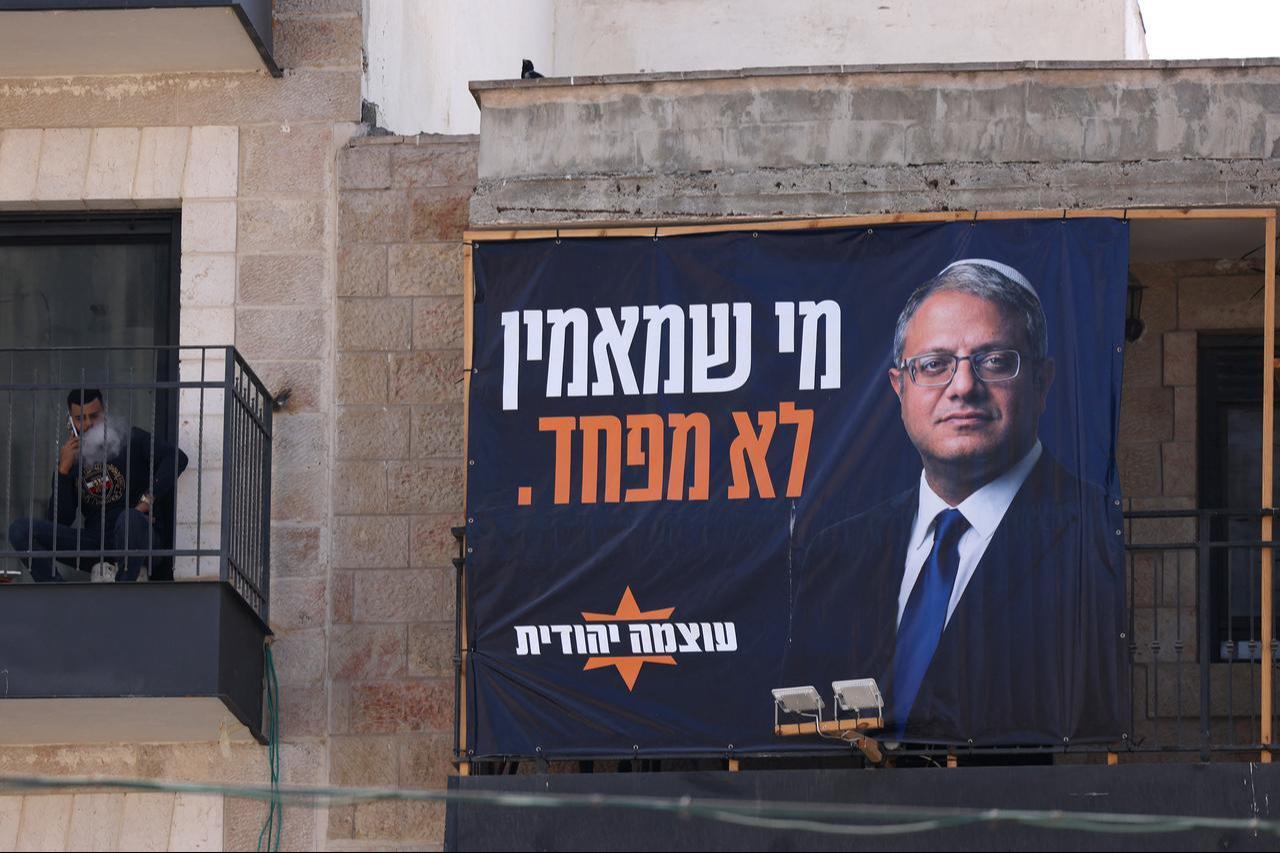
Israel has continued strikes, demolitions and shootings in Gaza since the truce, and the Israeli-occupied zone now covers more than 60% of the strip, the Financial Times (FT) reported. The Health Ministry says at least 300 children and more than 120 women are among those killed since the ceasefire.
"It is a weaponization of the ceasefire in order to entrench the occupation," said Amjad Iraqi, a senior analyst at the International Crisis Group.
The Israeli military said it is "operating to remove threats, including through strikes against military targets," accusing Hamas of refusing to disarm and rebuilding its military infrastructure, and rejected Iraqi’s characterization.
Prime Minister Benjamin Netanyahu has vowed to keep up the strikes.
"We are hunting without let-up the human beasts who attacked us with shocking cruelty," he said at a ceremony this week marking the Oct. 7, 2023, Hamas attack, in which 1,200 people were killed and about 250 taken hostage. "We are eliminating them one by one."
Michael Milshtein, a former Israeli intelligence officer, told the FT that beyond promises of "total victory," "there is no strategy."
Meanwhile, nearly 2 million Palestinians in Gaza urgently need shelter assistance, the U.N. migration agency International Organization for Migration (IOM) said Friday, with available supplies covering only 17% of winter needs as Israeli restrictions block critical items.
About 8,600 emergency shelter kits remain stranded outside Gaza after being turned away by Israeli authorities, the agency said.


 Set as preferred source
 Set as preferred source



 2 min read