Newsletters


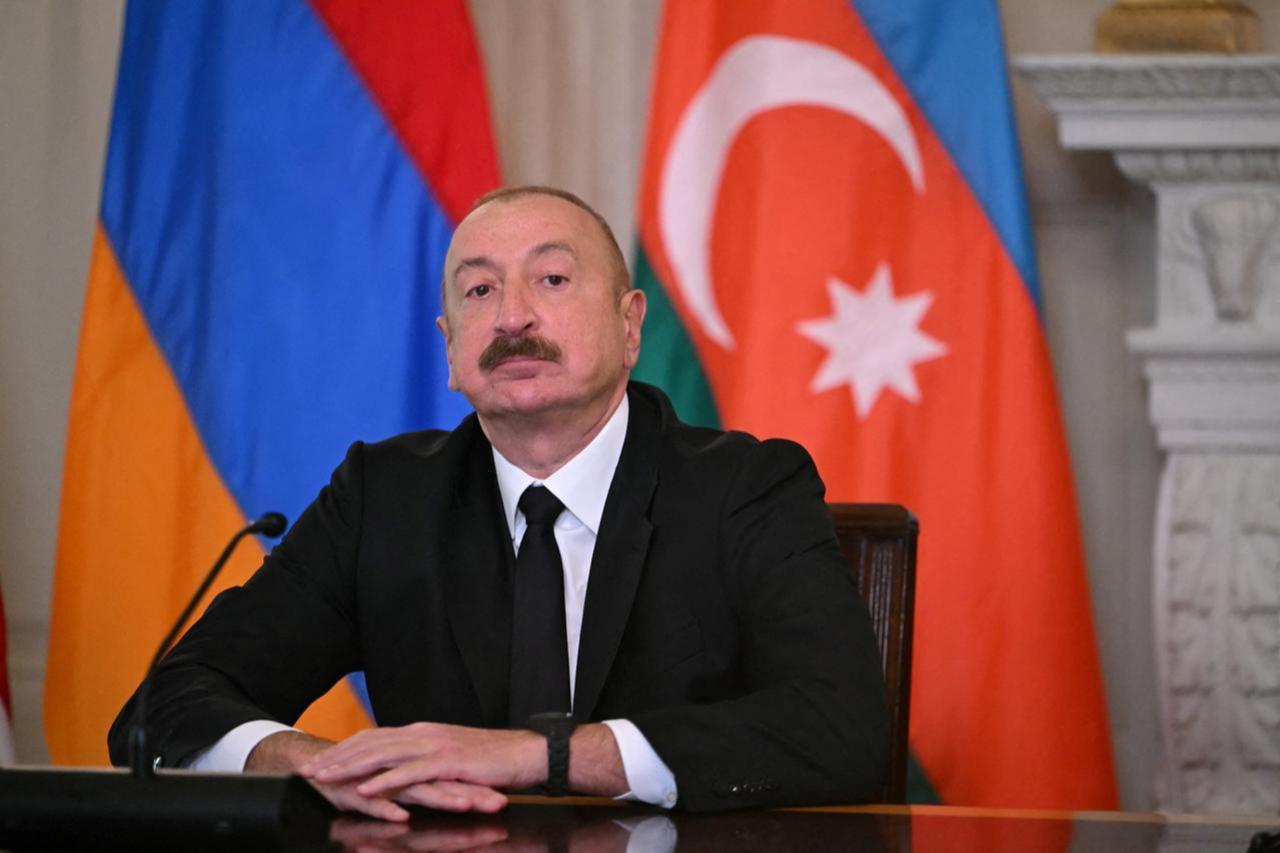


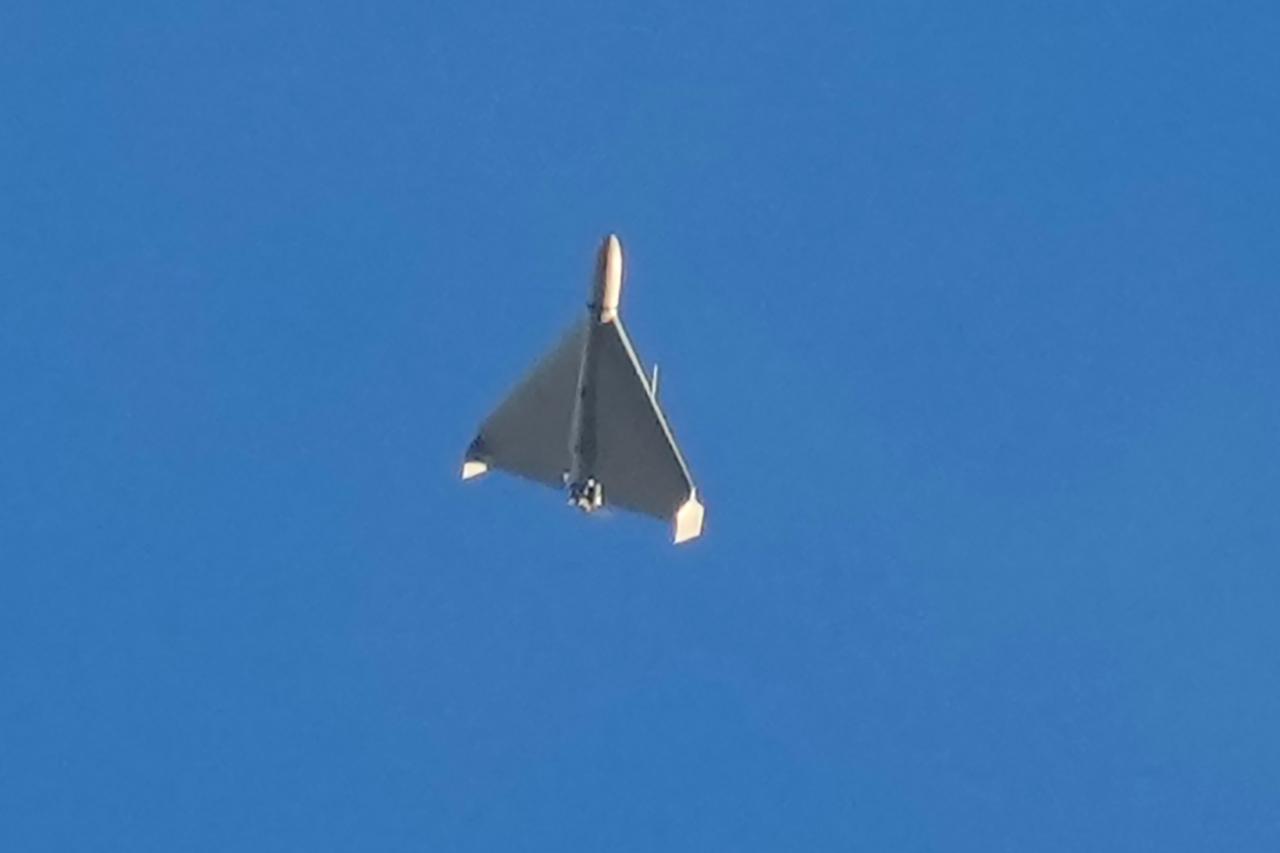
Azerbaijan announced Friday that it is evacuating its diplomats from Iran after a drone strike targeted its autonomous Nakhchivan exclave, escalating tensions between the two neighboring countries. The attack injured four people and struck sensitive civilian locations, including an airport facility and an area near a school.
According to Azerbaijan’s Foreign Ministry, the incident took place on Thursday when drones launched from Iranian territory entered Nakhchivan’s airspace. One drone struck the terminal building at Nakhchivan International Airport, while another fell close to a school in the village of Shakarabad.
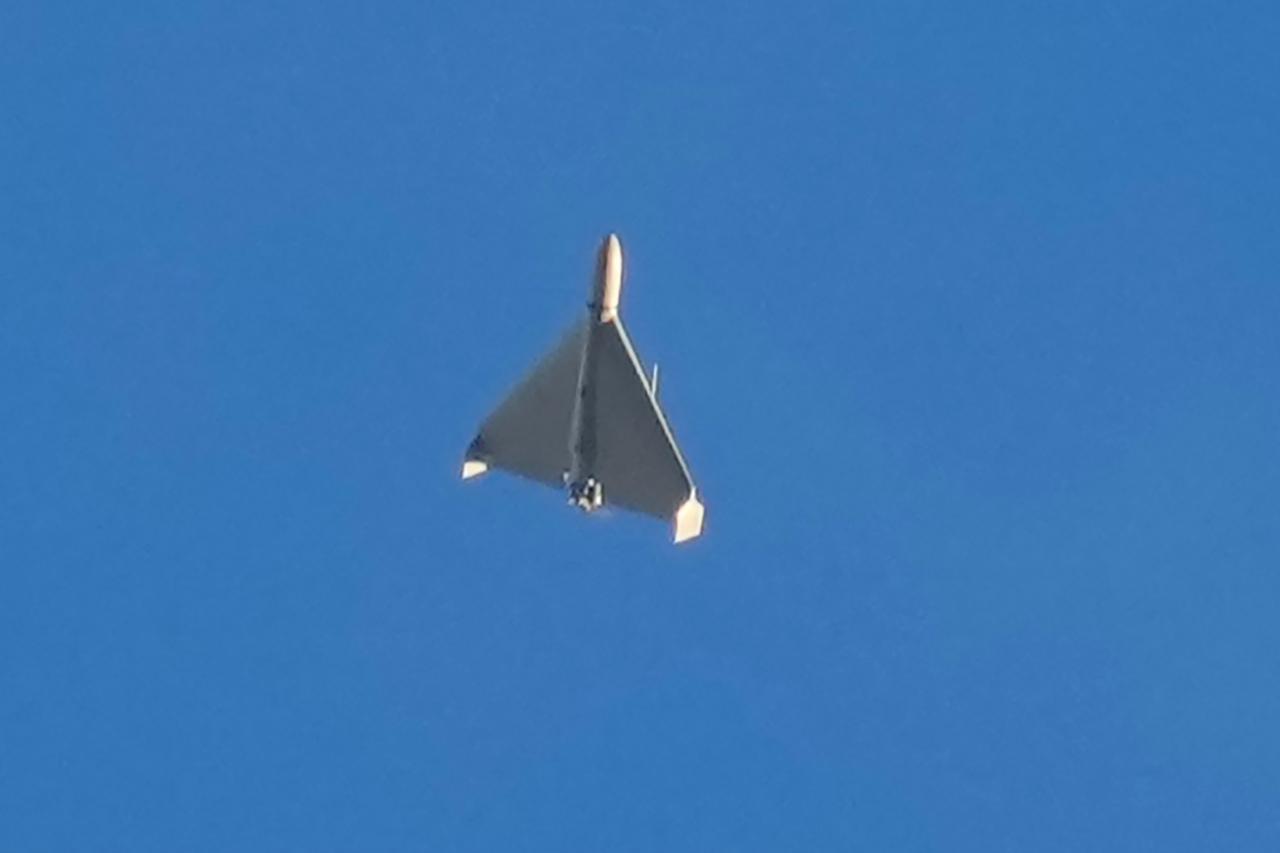
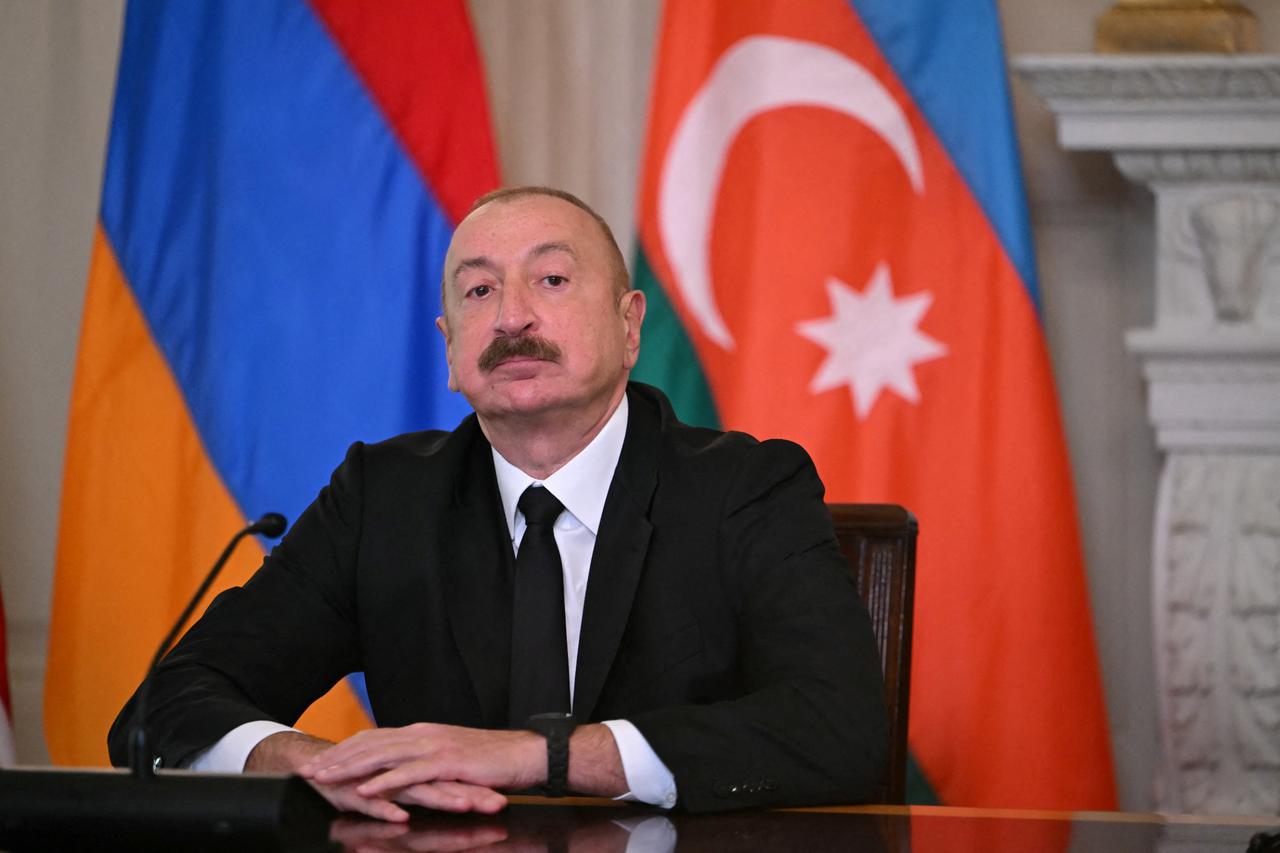
President Ilham Aliyev condemned the strike in unusually strong terms, accusing Iran of “terrorism” and warning that Azerbaijan would take retaliatory measures. The Azerbaijani leader ordered the country’s armed forces to prepare for potential military responses.

Speaking to Türkiye Today, energy and regional politics analyst Dalga Khatinoglu says Azerbaijan’s response should be understood within the country’s long-standing foreign policy approach, which emphasizes independence from major geopolitical blocs.
“Ilham Aliyev ordered retaliatory preparations after Iran targeted Nakhchivan Airport and an area near a school,” Khatinoglu noted. “However, Azerbaijan has neither participated in past conflicts between Iran and other countries nor is it expected to join any future action against Iran alongside the United States or Israel.”
According to Khatinoglu, Azerbaijan has historically pursued a pragmatic policy toward its neighbors, maintaining cooperation even when geopolitical tensions increased. This approach has included maintaining economic and infrastructure projects with Iran despite international sanctions.
“In fact, the Republic of Azerbaijan has always followed an independent policy toward its neighbors,” he said. “In recent years, it even built two hydroelectric power plants jointly with Iran despite U.S. sanctions and created a transport corridor parallel to the Zangezur Corridor.”
Khatinoglu described Iran’s alleged attack as both “unacceptable and surprising,” particularly given the level of economic and infrastructure cooperation between the two countries.
Following the attack, Azerbaijan signaled that it possesses several economic and logistical tools that could be used to pressure Tehran if tensions escalate further.
One immediate step taken by Baku was to halt truck traffic across its borders with Iran. The move effectively freezes an important trade route and serves as a signal that Azerbaijan can disrupt regional logistics if relations deteriorate.
Khatinoglu pointed to the significance of Azerbaijan’s role in regional transport networks. “Last year alone, 9.3 million tons of cargo were transported through Azerbaijan via the North–South transit corridor toward Iran and Russia,” he said.
Such trade flows highlight Azerbaijan’s growing importance as a transit hub connecting Europe, the Caucasus, Central Asia, and the Middle East. Disruptions in these corridors could affect regional supply chains and economic cooperation.
By suspending truck crossings, Azerbaijan has demonstrated that it has options beyond military retaliation. According to Khatinoglu, the move sends a message to Tehran that Baku “is not helpless and possesses several tools it can use against hostile policies.”
The drone strike has drawn reactions from both regional partners and Western governments. Several countries have condemned the attack and expressed support for Azerbaijan’s sovereignty.
Khatinoglu emphasized that Azerbaijan has already secured backing from two key regional allies. “Azerbaijan has received full support from Türkiye and Pakistan, two of Iran’s neighboring states,” he said.
In addition to these partners, several Arab countries and Western governments have publicly condemned the strike on Nakhchivan.
The support from regional and Western actors provides Azerbaijan with diplomatic leverage as it assesses its next steps. While Baku continues to emphasize its independent foreign policy, international condemnation of the attack strengthens its position on the global stage.
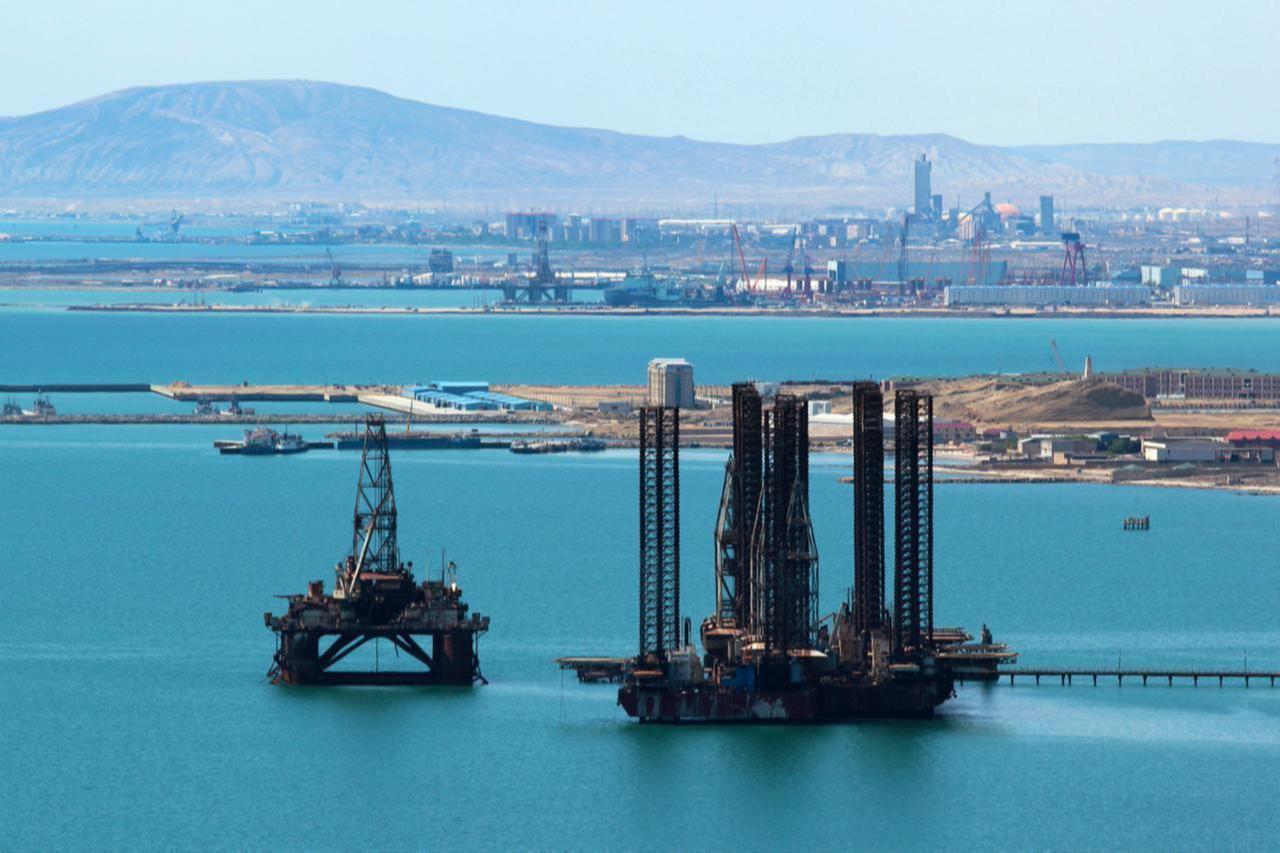
The attack on Nakhchivan comes at a time when global energy markets are already under pressure following disruptions in the Strait of Hormuz. The closure of the strategic waterway has intensified attention on alternative energy routes and suppliers.
Khatinoglu noted that the scale of the disruption is significant. “Approximately 20 million barrels of oil per day normally pass through the Strait of Hormuz,” he said. “The interruption of that flow can only be partially compensated by the release of strategic petroleum reserves from industrialized countries.”
This situation increases the strategic importance of energy producers and transit countries outside the Gulf region. Azerbaijan, with its established pipeline network connecting the Caspian Basin to Europe, is positioned to play a larger role in global energy supply.
“Azerbaijan continues exporting oil and gas,” Khatinoglu said. “It is likely that the country’s share in the European gas market will accelerate in the coming period.”
The combination of geopolitical tensions and energy market disruptions may therefore strengthen Azerbaijan’s role as a critical energy partner for Europe at a time of increasing global uncertainty.
EU Energy Commissioner Dan Jorgensen's praise of the partnership with Azerbaijan just three days ago also points in this direction.


 Set as preferred source
 Set as preferred source


 1 min read
 1 min read