Newsletters


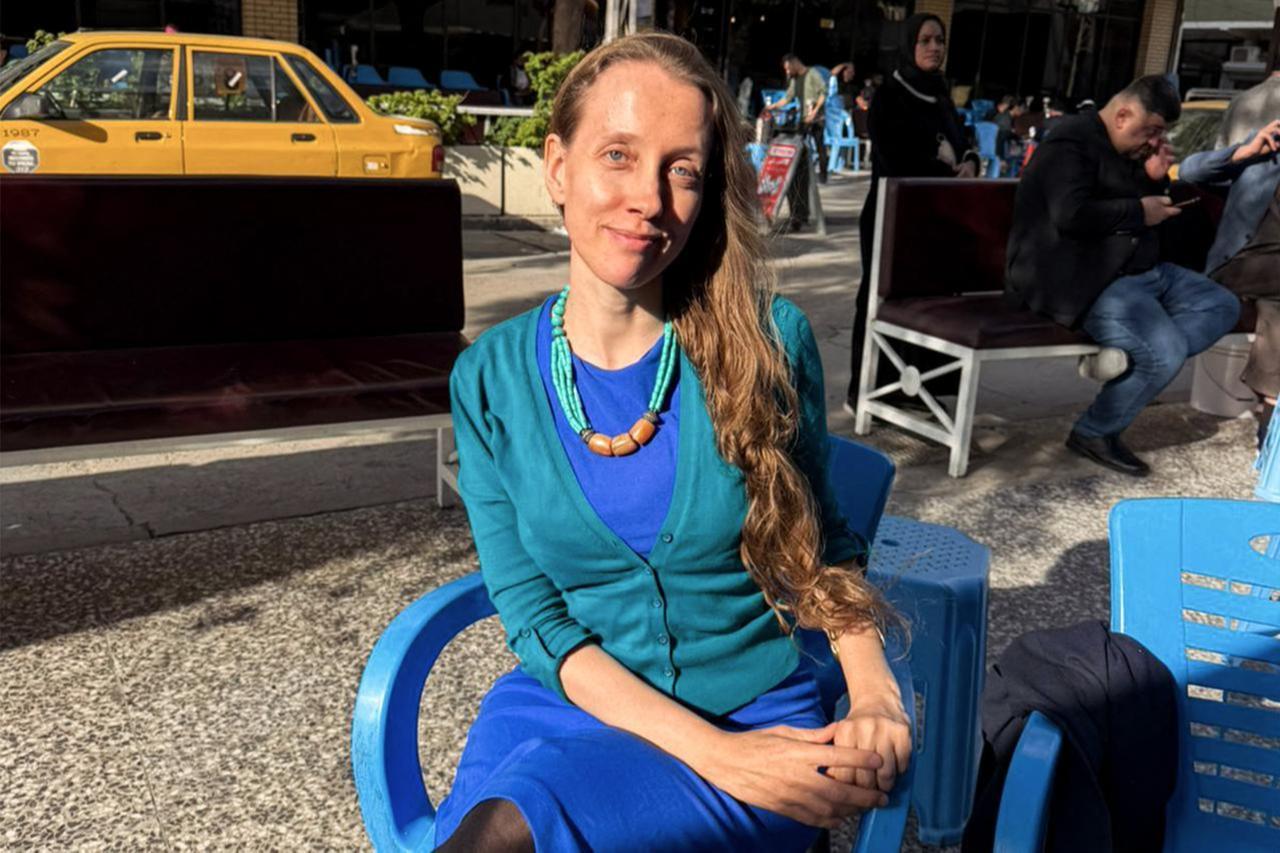


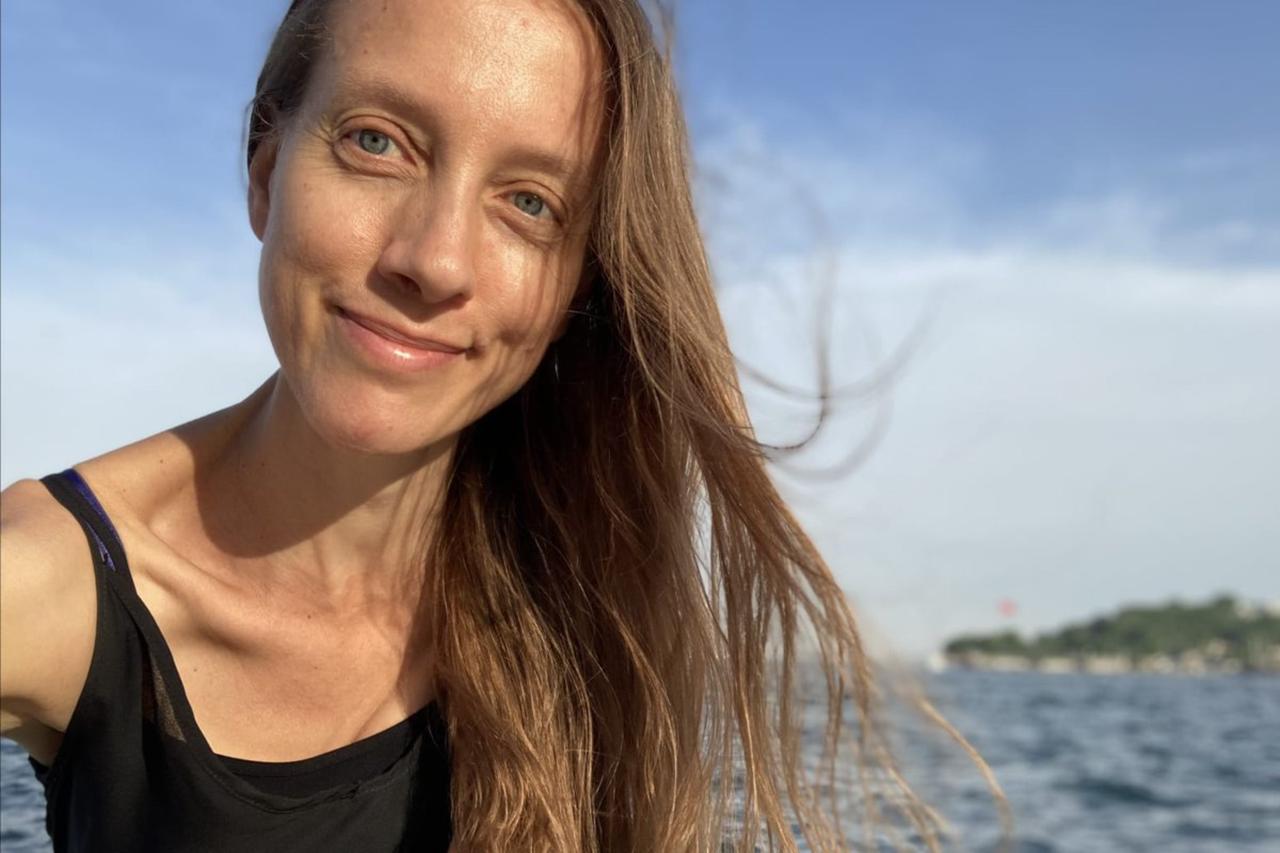
An American journalist held captive in Baghdad for a week by one of Iraq's most powerful Iran-aligned militias was released Tuesday, after Iraqi officials negotiated a prisoner exchange involving detained militia members.
Shelly Kittleson, 49, who has reported across the Middle East for more than a decade, was abducted by Kataib Hezbollah, a militia with deep ties to Iran's Quds Force, the overseas arm of the Islamic Revolutionary Guards Corps. Her release came after Iraq's prime minister intervened directly in negotiations.
Kataib Hezbollah confirmed the release in a statement, saying it freed Kittleson "in appreciation of the patriotic positions" of Iraq's prime minister. The group attached a sharp condition to her release, saying she must leave Iraq immediately.
A security commander for the group, known as Abu Mujahid Al-Asaf, made clear the decision was not a gesture of goodwill. "This initiative will not be repeated in the future," he said, adding that "we are in a state of war waged by the Zionist-American enemy against Islam and in such situations many considerations are disregarded."
The United States Embassy in Baghdad did not immediately respond to requests for comment.
Two Iraqi security officials, speaking on condition of anonymity to discuss sensitive negotiations, said Kittleson was freed in exchange for the release of several imprisoned Kataib Hezbollah members. A day after her abduction, the group had publicly offered to negotiate her freedom in return for the Iraqi government releasing several of its detained fighters.
Her kidnapping triggered a manhunt by Iraqi security forces and parallel diplomatic efforts by the U.S. government. No further details on the terms or timeline of those negotiations were made available.
On Tuesday, Kataib Hezbollah posted a heavily edited video of Kittleson on social media in which she appears to say she passed information about militias in Iraq to an American diplomat. Rights groups and experts in international law have long maintained that such hostage videos are made under duress, that statements in them are typically coerced, and that compelling captives to record them can constitute a war crime under international humanitarian law.
Kittleson, known for reporting from conflict zones in Afghanistan, Iraq, and Syria, is a contributor to Al-Monitor, the Middle East news outlet. Her case drew particular alarm in Washington given the broader security environment in Iraq.
This was Kataib Hezbollah's second kidnapping of a foreigner in Iraq. In 2023, the group abducted Elizabeth Truskov, an Israeli-Russian doctoral student, and held her for more than two years, torturing her during captivity.
The group is among the most hard-line Iranian proxy forces operating in Iraq. It has carried out near-daily rocket and drone attacks on American targets in Iraq and neighboring countries and has claimed missile strikes on the U.S. Embassy in Baghdad. Those years of attacks on U.S. Army posts in Iraq and Syria contributed to Washington's decision, in 2009, to designate Kataib Hezbollah a foreign terrorist organization.


 Set as preferred source
 Set as preferred source


 1 min read

 1 min read