Newsletters


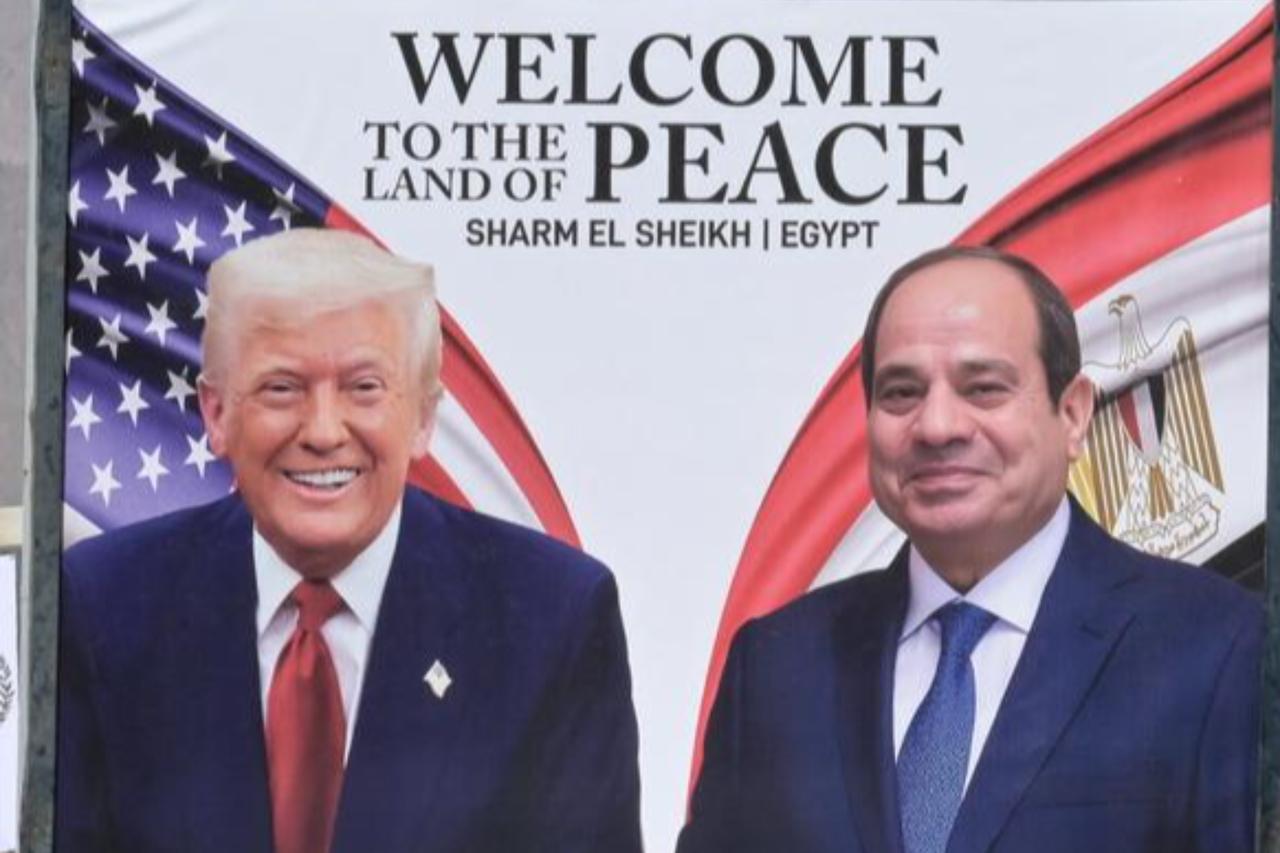


U.S. President Donald Trump said on Jan. 16, in a letter addressed to Egyptian President Abdel Fattah el-Sisi and published on his Truth Social platform, that he thanked Sisi for his “successful leadership” in mediating a ceasefire between Israel and Hamas.
He praised Egypt’s role in managing the “security and humanitarian challenges” facing the region since Oct. 7, 2023, noting that the war has “severely affected Egyptians.”
In the same message, Trump said he was prepared to “resume U.S. mediation between Egypt and Ethiopia” to resolve the issue of “sharing the waters of the Nile” in a “responsible and final” manner, according to the text of the letter.
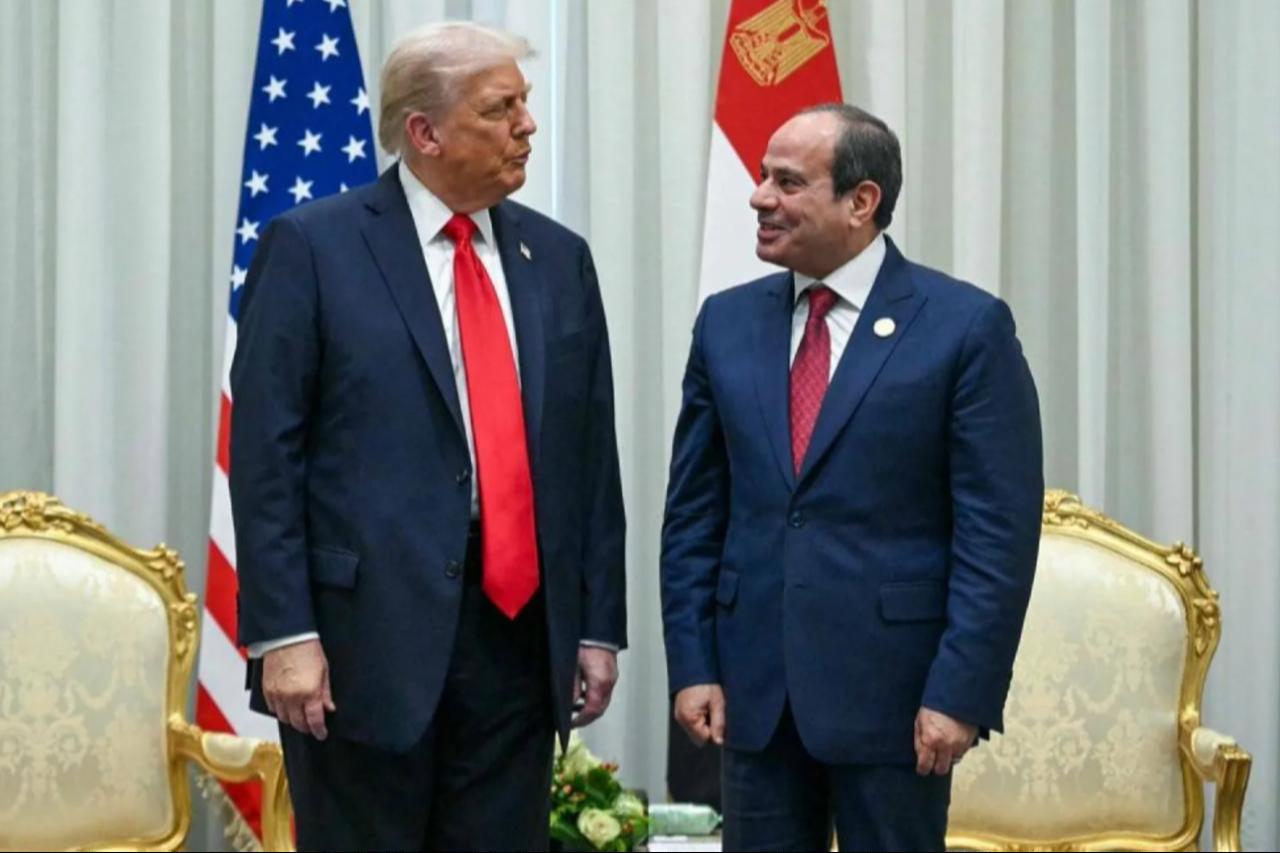

Trump commended Sisi’s role in the Gaza file, referring to Egypt’s handling of security and humanitarian challenges since Oct. 7, 2023.
He then turned to the Nile waters dispute, saying he was “ready to resume American mediation between Egypt and Ethiopia” to reach a “responsible and final” solution to the issue of sharing Nile waters.
The mediation offer, he said, comes “in the spirit of our personal friendship and America’s commitment to peace and the well-being of the Egyptian people,” according to the message published on Truth Social.
On Saturday, Sisi said he sent a message to Trump. In a post published on his official social media accounts, he said he appreciated the message he received from Trump, noting that it included recognition of Egypt’s role in supporting regional security and stability and special attention to the Nile issue, which he described as the lifeline of the Egyptian people and a pillar of national security.
Massad Boulos, senior adviser to the U.S. president for Arab and African affairs, said Washington sees the possibility of a “technical solution” to the GERD (Grand Ethiopian Renaissance Dam) crisis, while acknowledging a “complex political dimension.”
He added that Trump raised the issue in his talks with the Egyptian president and the Ethiopian prime minister, stressing that he understands the matter represents a “red line” for Egypt and its national security.
Boulos said he believes the crisis is “heading toward a solution under President Trump’s leadership” in a way that “satisfies all parties,” according to the statement.
Former Egyptian diplomat Ayman Zain el-Din argued that Trump “does not put forward initiatives without something in return,” suggesting that the mediation may be linked to other regional files, including Gaza.
Cairo University professor of geology and water resources Abbas Sharaqi agreed, warning of “bargaining and the price required” to make any agreement succeed.
In the same context, George Washington University lecturer Atef Abdel Jawad described the initiative as a “political offer” aimed at drawing Egypt into supporting U.S. policies on regional issues.
Amr Hashem Rabie, vice president of the Al-Ahram Center for Strategic, said the United States sees no issue with pressuring Addis Ababa to meet Cairo’s demands on the operation of the dam and safeguarding Egypt’s rights during droughts, “in exchange for” Egypt not opposing the displacement of Palestinians from Gaza, provided such displacement occurs away from Sinai and Egyptian territory.
In a cautionary assessment, Egyptian expert Tamer el-Nahas linked the selection of Egyptian intelligence chief Hassan Rashad for Gaza’s executive council, amid expectations of an Egyptian role in administration, security and reconstruction, to Trump’s offer to mediate with Ethiopia. He suggested the move could be part of a “broader deal” involving other regional arrangements, warning of a possible return to the idea of displacing Palestinians to Sinai.


 Set as preferred source
 Set as preferred source


 1 min read