Newsletters


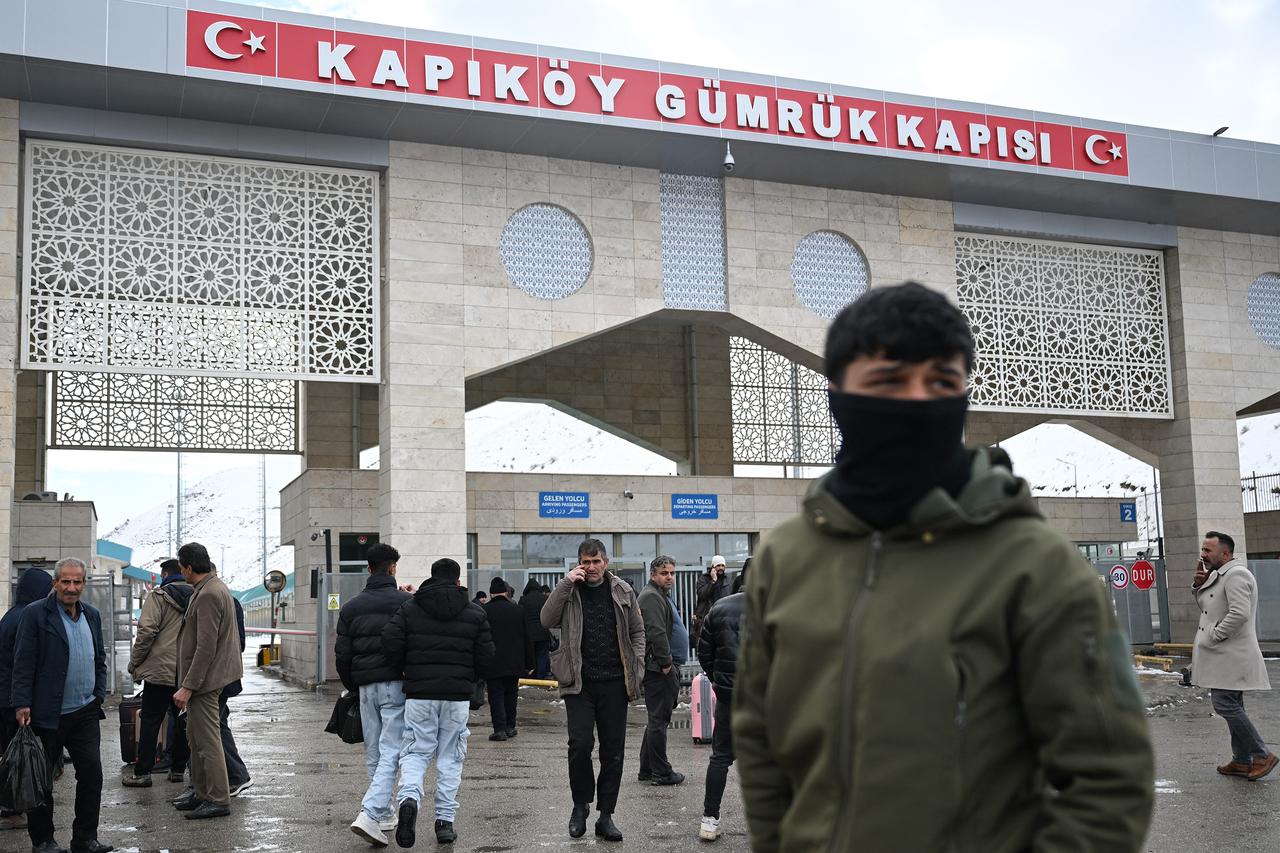


Iran rejected the Istanbul talks format at the last minute after Supreme Leader Ali Khamenei overruled an earlier acceptance, sidelining Türkiye's "silent diplomacy" that had successfully brought Washington and Tehran to the negotiating table, according to detailed analyses by Turkish media outlet Hurriyet columnists Hande Firat and Abdulkadir Selvi.
Türkiye positioned itself at the center of de-escalation efforts from the start of the crisis, with a clear stance: neither strike Iran nor drag the region into a new war.
"According to Ankara, a regional war would directly affect security, raise energy prices and could trigger new waves of migration," Firat wrote.
President Erdogan spoke with both Iranian President Pezeshkian and U.S. President Donald Trump, telling Trump—who had openly asked, "Should the U.S. strike Iran?"—about regional concerns and offering: "Let us bring you together," the report noted.
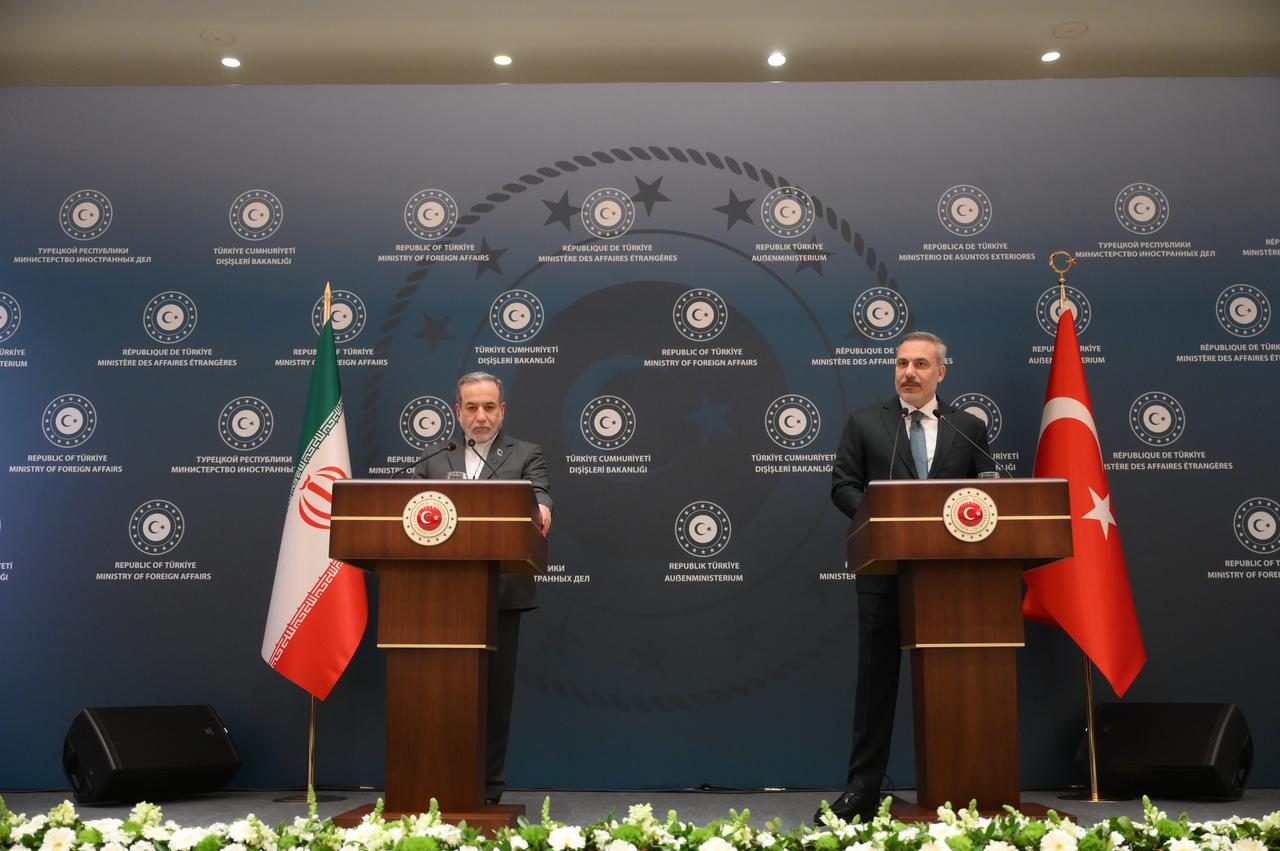
Foreign Minister Hakan Fidan conducted shuttle diplomacy, hosting Iranian FM Araghchi in Istanbul on Jan. 30 and maintaining constant contact with Secretary Rubio, Special Envoy Witkoff and Ambassador Barrack.

Türkiye developed a formula to bridge the gap between the two sides' incompatible positions, Firat reported:
Iran wanted only nuclear negotiations directly with the U.S. The U.S. wanted a package deal covering nuclear issues, enriched uranium disposition, ballistic missile elimination and Iran's regional proxy forces—with mediators potentially involved.
Türkiye's solution: Iran would discuss only the nuclear file directly with the U.S., while regional countries would conduct preliminary talks with Iran on the remaining issues (enriched uranium, ballistic missiles, proxy forces) before those topics reached the U.S.
"This proposal was conveyed to the Iranian president through the foreign minister. They first accepted, and this acceptance was also communicated to Ankara," Firat wrote.
However, Khamenei rejected the Istanbul meeting and format at the last minute, according to foreign sources cited by Firat.
"Khamenei, who has been known for some time to want his son to succeed him, opposed the mediators and regional countries. He said 'only counterpart is the U.S.,' and wanted to proceed with a single-file— nuclear negotiation. Moreover, it was decided to be a continuation of the previous Muscat meetings," Firat wrote.
Firat identified Iran's "multiple actor problem"—different power centers using the crisis to increase their own power or fulfill their desires—as a key obstacle.
One assessment from diplomatic circles captured this dynamic: "The U.S. is also somewhat provoking Iran. There's a reflex of 'Let them come and strike, and we'll do what we need to do.' They're not sitting down for an agreement. Texts were presented to them many times, but they didn't accept."
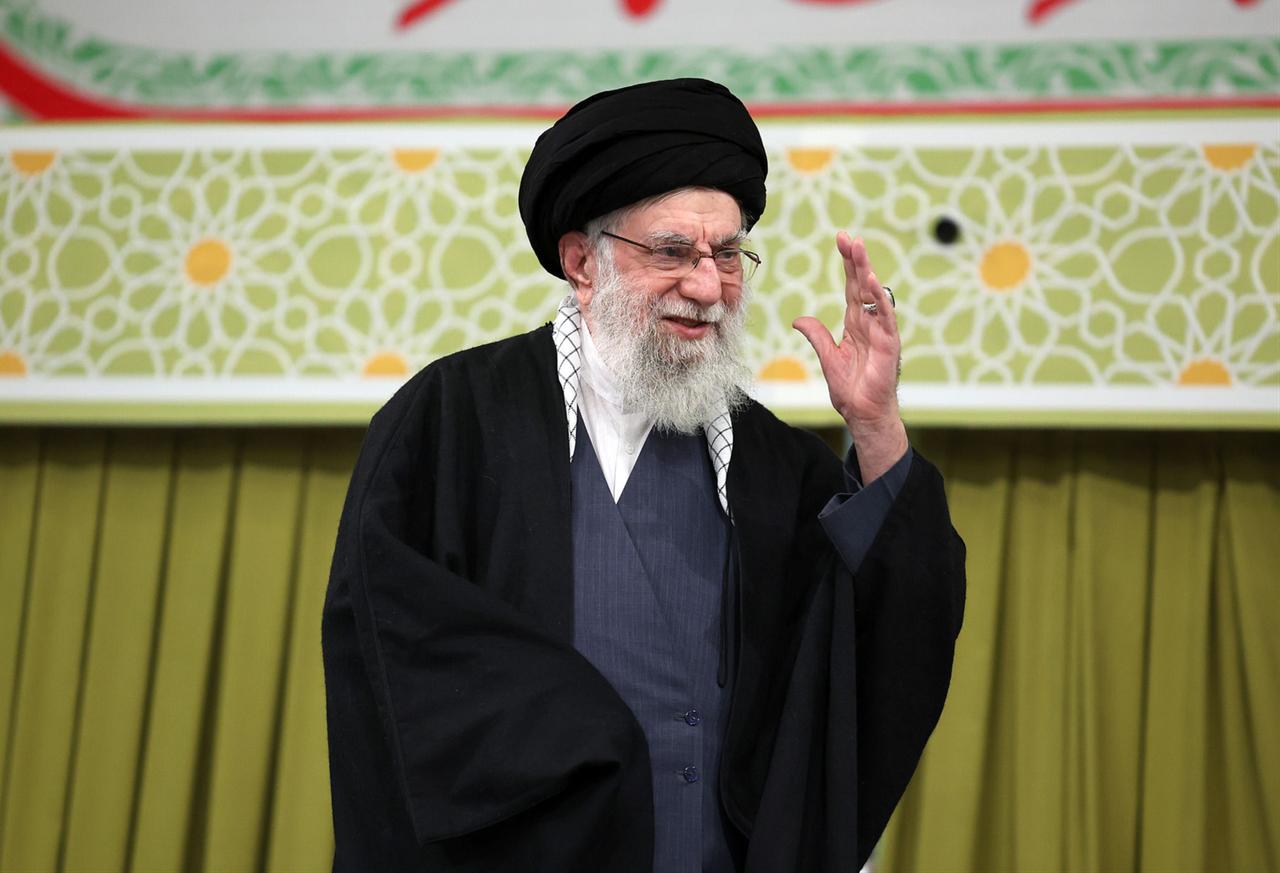
Selvi was blunter in his assessment: "Iran is missing the opportunity; the U.S. is preparing to strike."
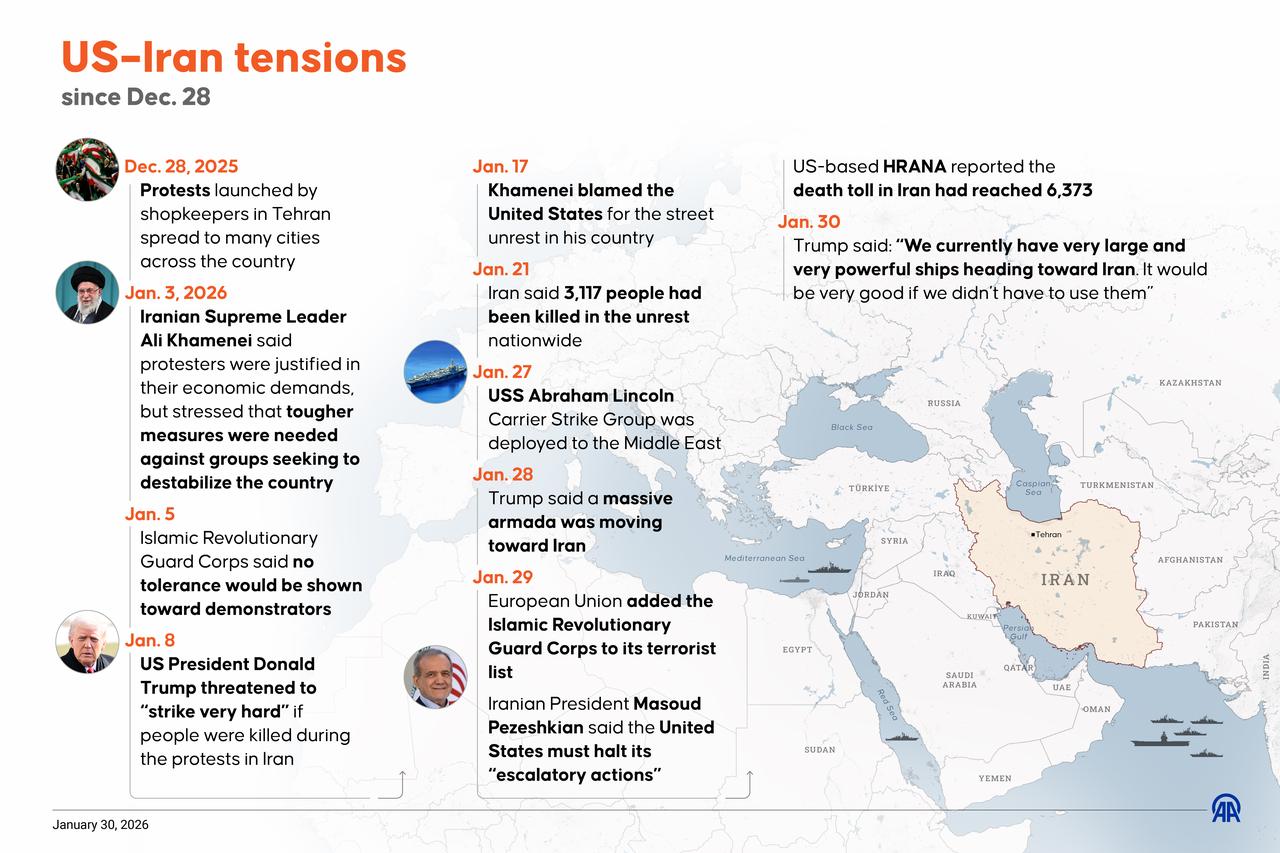
"At a critical time when Trump is threatening Iran, the famous U.S. warship Lincoln is blocking the entrance to the Persian Gulf, and Israel is spreading news every day that Iran will be struck, Türkiye stepped in to mediate," Selvi wrote.
He noted that Erdogan's efforts resulted in the U.S. strike timeline being suspended and diplomacy being given a chance. Trump announced that 800 executions in Iran were prevented through the intervention of "trusted friends"—that trusted friend was Erdogan, Selvi wrote.
"Erdogan extended a hand of friendship to Iran at a time when its closest allies Russia and China, left it alone. The U.S. and Iran holding talks was not achieved by Oman—Türkiye succeeded," Selvi wrote.
Selvi detailed the U.S. demands previously conveyed to Iran through Türkiye and Qatar FM Al Thani:
The Istanbul meeting was to be chaired by President Erdogan, with Witkoff, Kushner, Araghchi, and representatives from Saudi Arabia, Qatar and Oman attending.
"But Iran at the last moment proposed that the meeting be held in Oman instead of Türkiye and that negotiations take place between the U.S. and Iran. Iran also wanted only nuclear topics to be negotiated at the Muscat meeting," Selvi wrote.
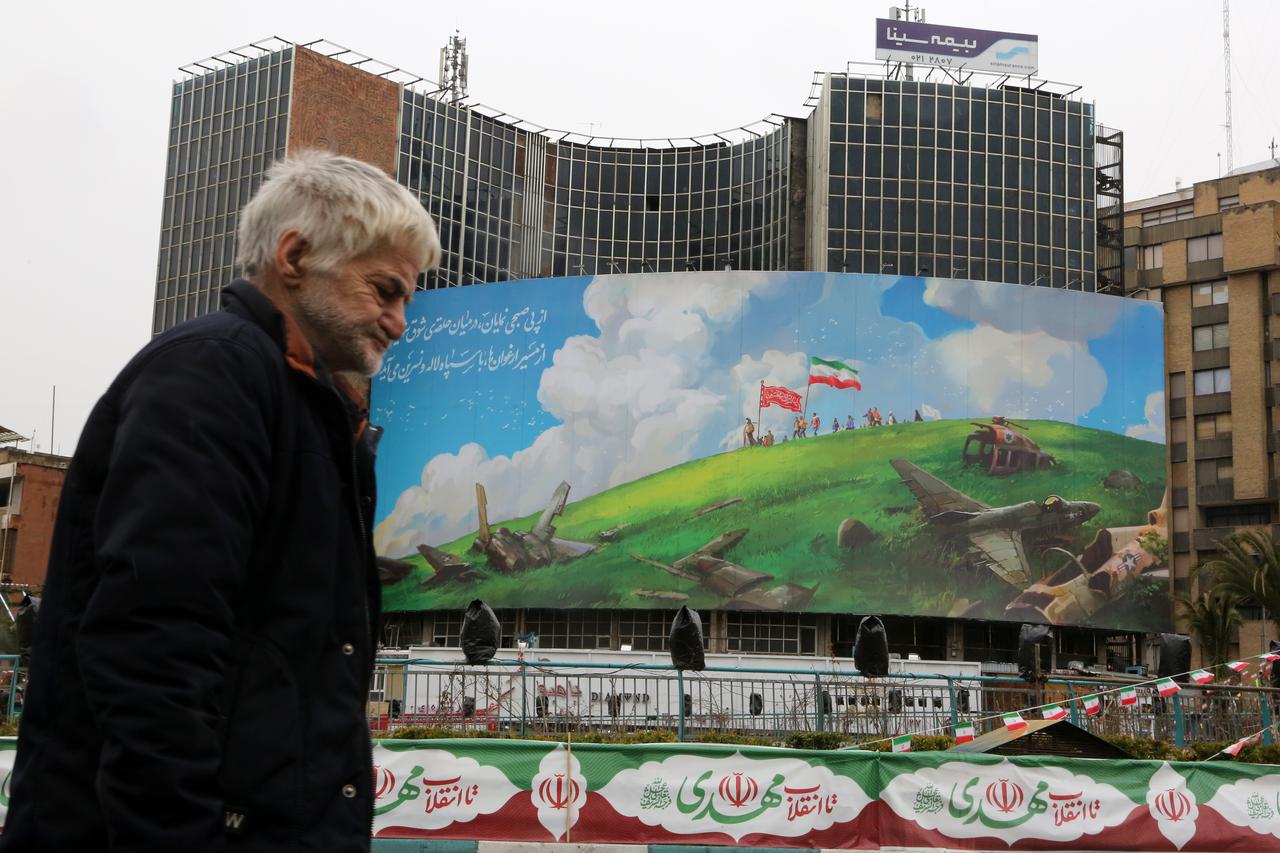
Selvi described Iran's move as damaging trust: "Iran once again made a move to refuse Türkiye, which stood by it in difficult times. This shook confidence in Iran."
He drew a parallel to Erdogan's successful Gaza mediation: "A similar process was run for Gaza. At President Erdogan's proposal, Trump met with representatives of 10 countries in New York. The Gaza peace formula was born from that meeting."
"The presence of Saudi Arabia, Qatar and Oman alongside Türkiye at the Istanbul meeting would have been important in terms of preventing a possible American intervention. But Iran squandered this opportunity," Selvi wrote.
Fırat outlined three realistic scenarios:
Scenario 1: Controlled Diplomacy—Parties don't announce a major agreement, but talks continue, tension-reducing statements are made, and military threat language is temporarily shelved.
"Diplomacy appears to win, but actually time is bought," Firat wrote.
Scenario 2: Breakdown at Table, Not on Battlefield—Talks are tough, parties don't agree on basics, but the U.S. doesn't immediately take military action, Israel doesn't act alone, and Iran doesn't escalate suddenly.
"The crisis freezes. Tension continues but doesn't explode," she noted.
Scenario 3: Escalation—Talks fail, U.S. policy hardens, Israel says, "We can't wait," the U.S. makes a military move, Iran responds, and the regional problem grows.
"This was exactly the scenario Ankara wanted to put the brakes on. But Iran's last-minute game essentially blocked Ankara's braking mechanism," she added.
"In the Middle East, sometimes the greatest success is preventing disaster. This disaster could have been prevented with the presence of Türkiye and the regional countries. If Iran hadn't been stubborn, the table in Istanbul could have been set, and a door could have opened through direct and indirect negotiations," Hurriyet's columnist Firat said.
"From now on, eyes will be on official statements about the process, when and in what scope a possible U.S. military operation will take place, and whether Iran will respond. Pandora's box is unfortunately opening once again," she concluded.


 Set as preferred source
 Set as preferred source


 1 min read
 1 min read