Newsletters


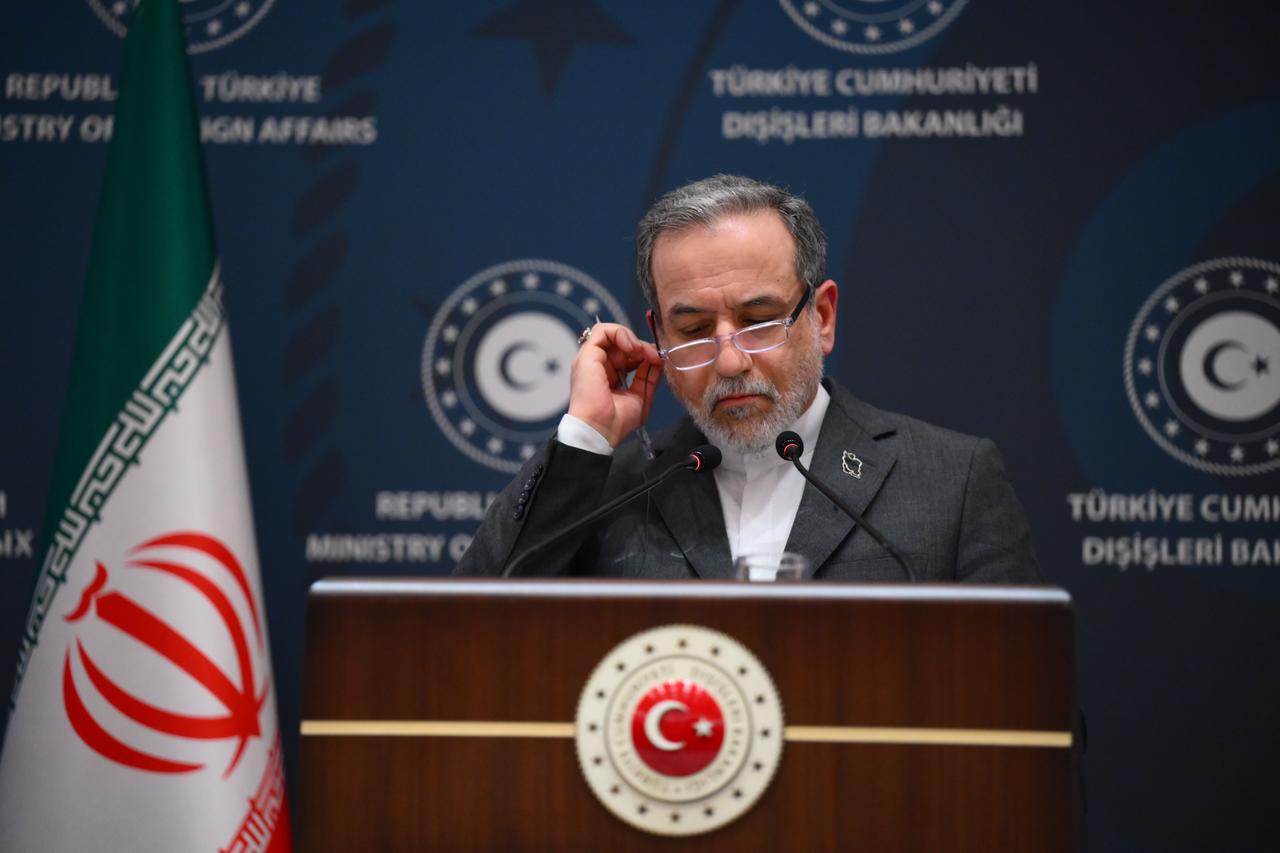


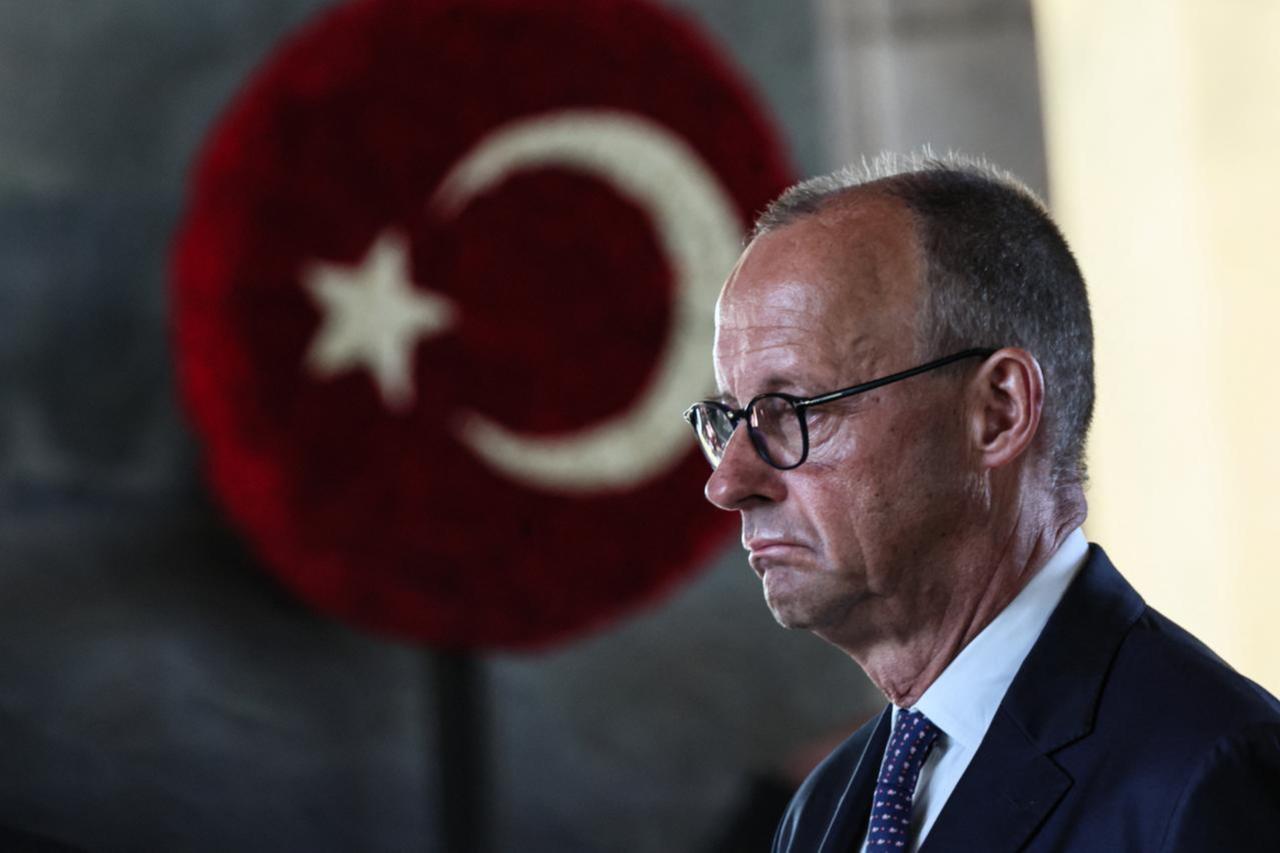
Iran’s Foreign Minister Abbas Araghchi on Thursday sharply criticized German Chancellor Friedrich Merz after Merz called for “increasing pressure” on Tehran over its nuclear program.
In a post on X, Araghchi said the so-called E3 (Britain, France and Germany) had effectively “put an end to their role” in nuclear negotiations by pushing for the return of U.N. sanctions on Iran last September, at Merz’s insistence.”
“Now, Merz is begging to be allowed back into the same negotiations,” Araghchi wrote.
Earlier Thursday, Merz said on X that Germany “wants to work with” Persian Gulf states to “promote peace in the region,” but added that developments in Iran were an obstacle.
“The violence must stop. We are prepared to further increase the pressure and to engage in talks aimed at bringing Iran’s nuclear program to a swift end,” Merz said.
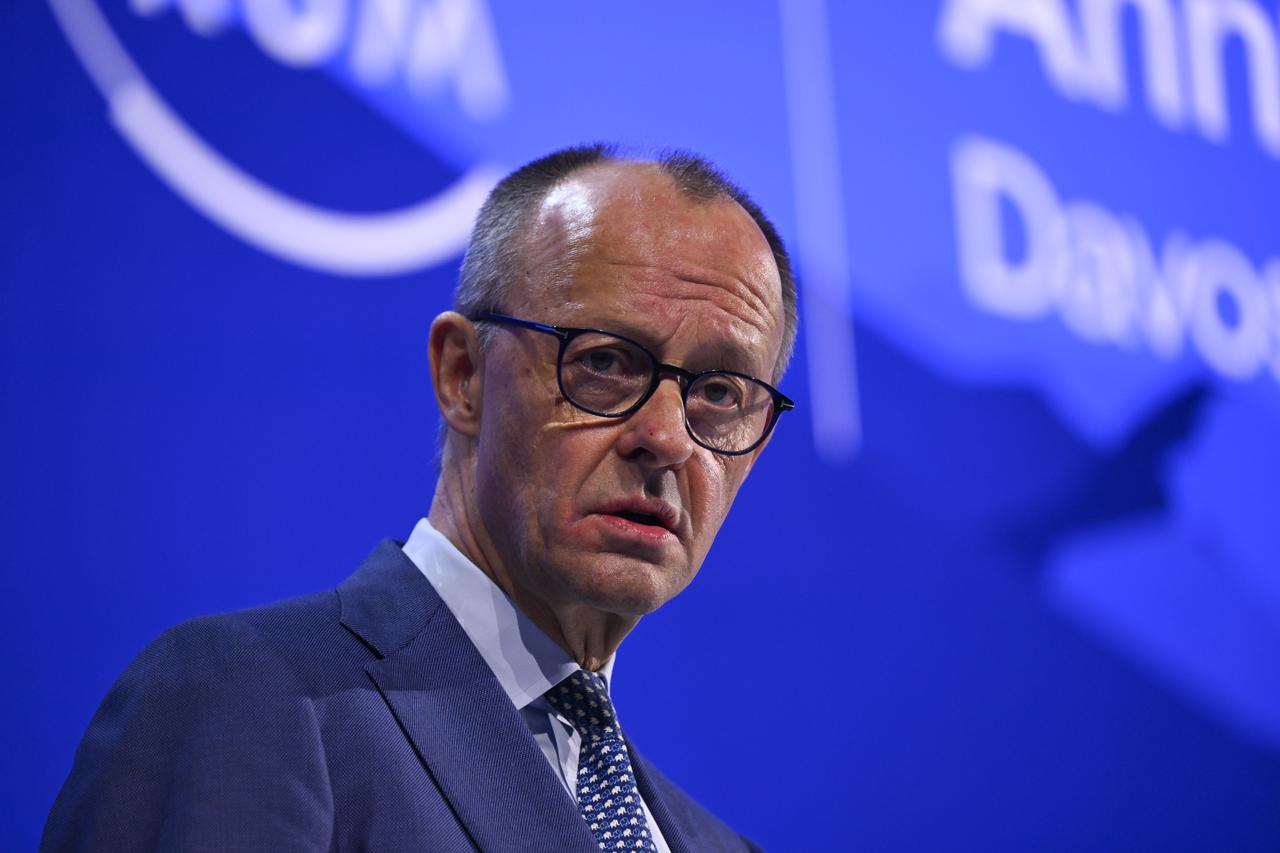

Responding to the remarks, Araghchi said Germany had once been the “engine of Europe’s progress” but had now become an “engine of regression,” in an apparent reference to the current government in Berlin.
“We Iranians have unfortunately been faced with several other examples of Merz’s political naivety and distasteful character,” he added.
Araghchi also claimed that Merz had “expressed exuberance” following Israel’s attack on Iran last June and had promoted claims that Iran was “weeks away from collapse.”
“Germans are a great people who have contributed to humankind with their hard work and ingenuity. Iran has always welcomed strong relations with Germany,” Araghchi said.
“It is therefore doubly regrettable that an individual such as (Mr.) Merz now represents Germany on the world stage,” he added, expressing hope that “a more mature and honorable political leadership will return to Germany.”
 2 min read
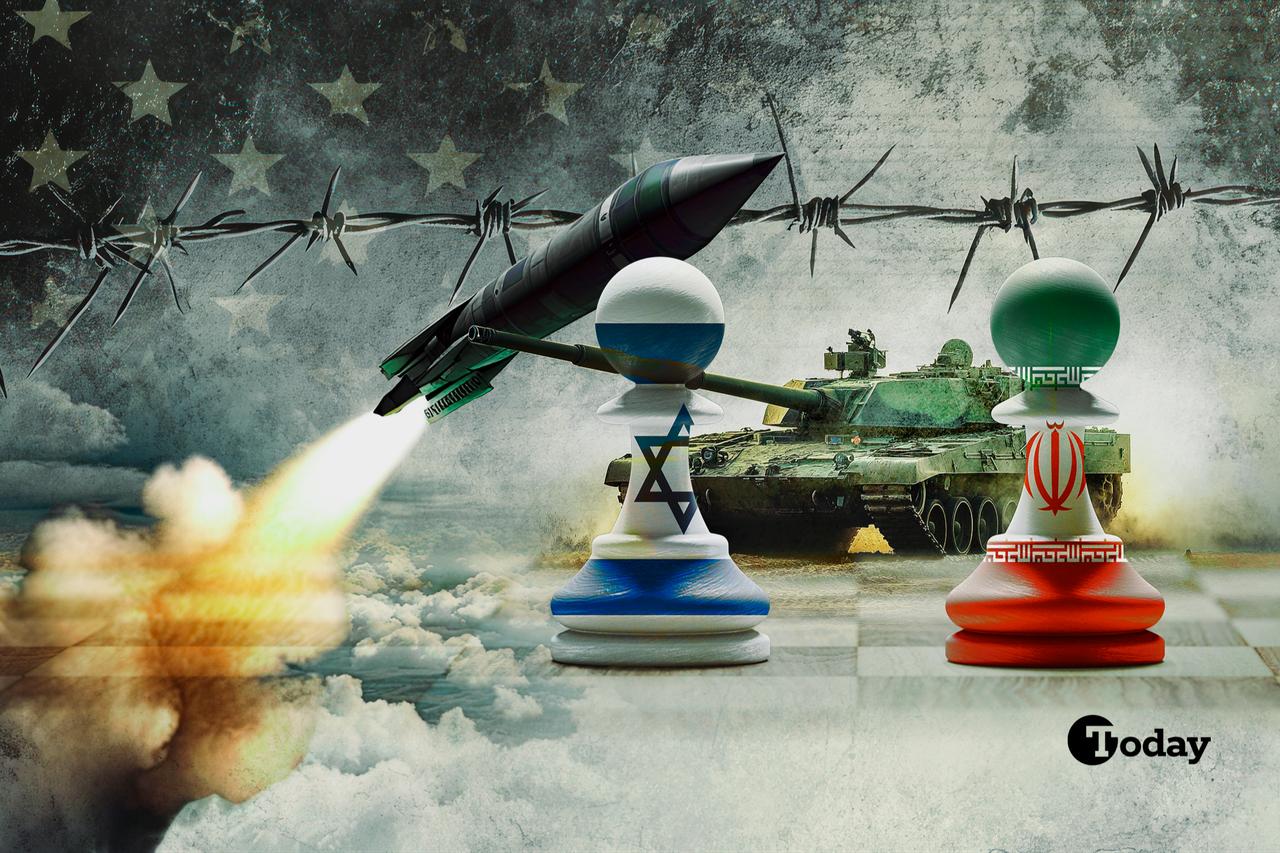
Tensions between Iran and several European countries, particularly Germany, have intensified following recent unrest in Iran.
European states have accused the Iranian government of carrying out a “crackdown” on protesters.
The dispute deepened after the European Union designated Iran’s Islamic Revolutionary Guard Corps as a “terrorist” organization, a move that further strained relations.
Last Thursday, Iran’s Foreign Ministry summoned the German ambassador to Tehran to protest remarks by Merz, which it described as “interventionist and offensive.”
Merz had said the Iranian government’s “days are numbered,” amid threats by U.S. President Donald Trump to militarily intervene in the country.
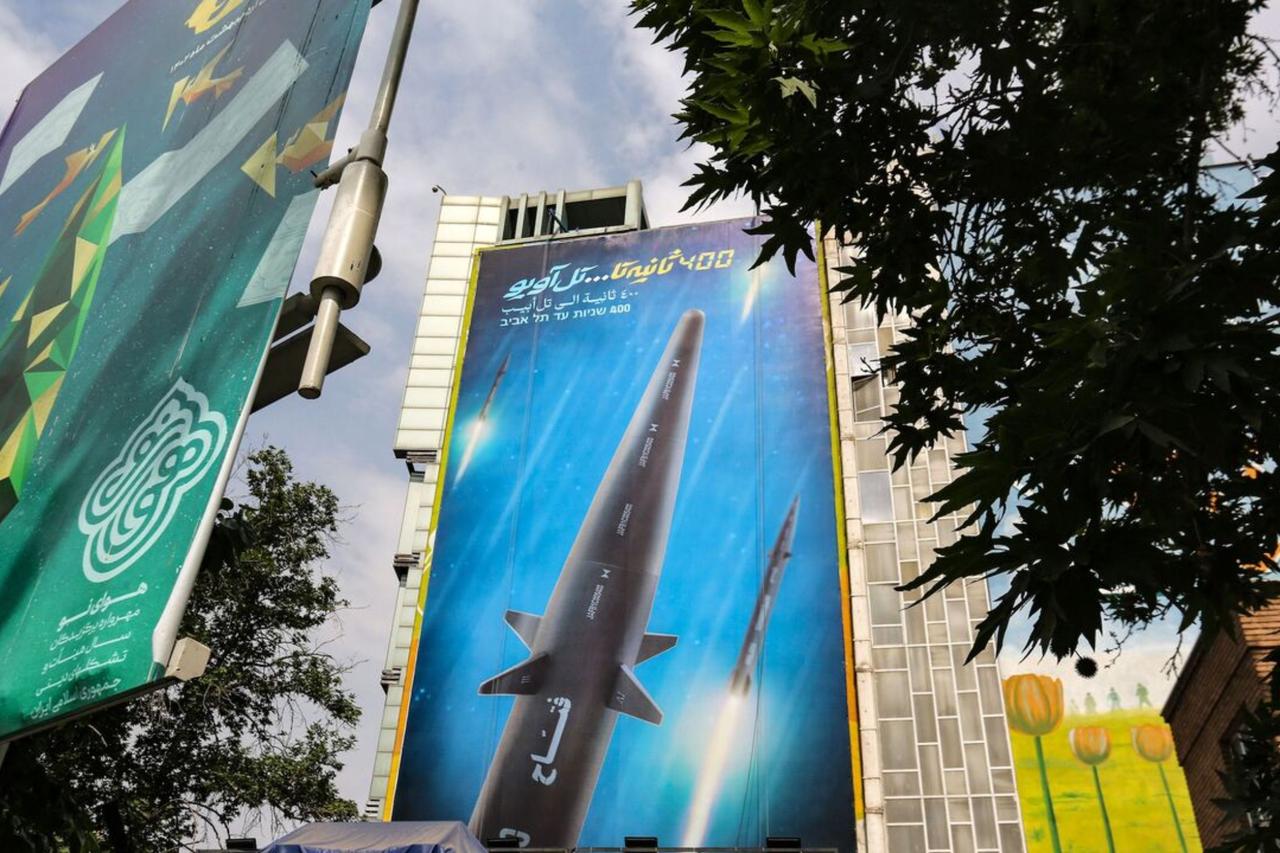
Pressure on Tehran over its nuclear program has increased in recent weeks, particularly since anti-government protests erupted in late December. Iranian authorities have blamed the unrest on the United States and Israel.


 Set as preferred source
 Set as preferred source


 1 min read