Sign in
 Newsletters


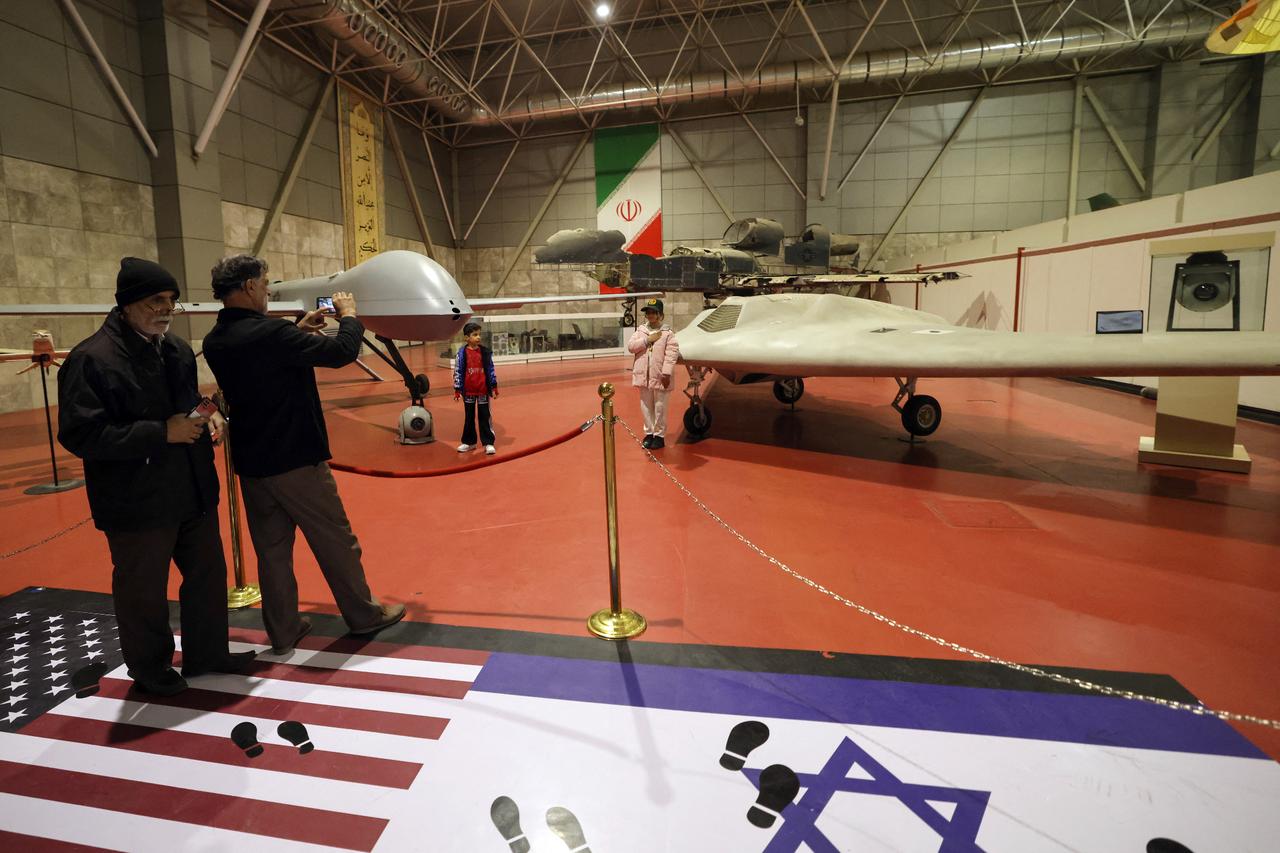


Iran’s parliament speaker and chief negotiator Mohammad Bagher Ghalibaf warned that Tehran would consider any dam, port or power plant near a U.S. or Israeli military base a "dual-use" facility, responding to a New York Times (NYT) report suggesting some Iranian dams may serve missile sites.
"Prepping the next round on civilian infra, their ‘experts’ tell NYT: ‘dams near Iran’s missile sites are dual-use.’ Cool. New rule: Any dam, port, or power plant near a US or Israeli base is dual-use. We’ll apply your logic consistently and even-handedly," Ghalibaf wrote on X.
The New York Times reported that some analysts believe Iran’s unusually large network of dams and water transfer projects may have been built partly to support its military buildup, after U.S. and Israeli airstrikes this year hit concealed missile sites in many of the same areas.
The newspaper said any link remains speculative given the secrecy around Iran’s missile program.
Nima Shokri, a water security expert at Hamburg University of Technology whose team has tracked at least 533 dams in Iran, told the newspaper he noticed strike locations nearly matched his map of dams. He also said many dams serve essential civilian purposes in a water-scarce country.
Former Israeli military intelligence analyst Danny Citrinowicz told the Times that Iran has "a strong incentive" to keep missile complexes independent of national infrastructure.
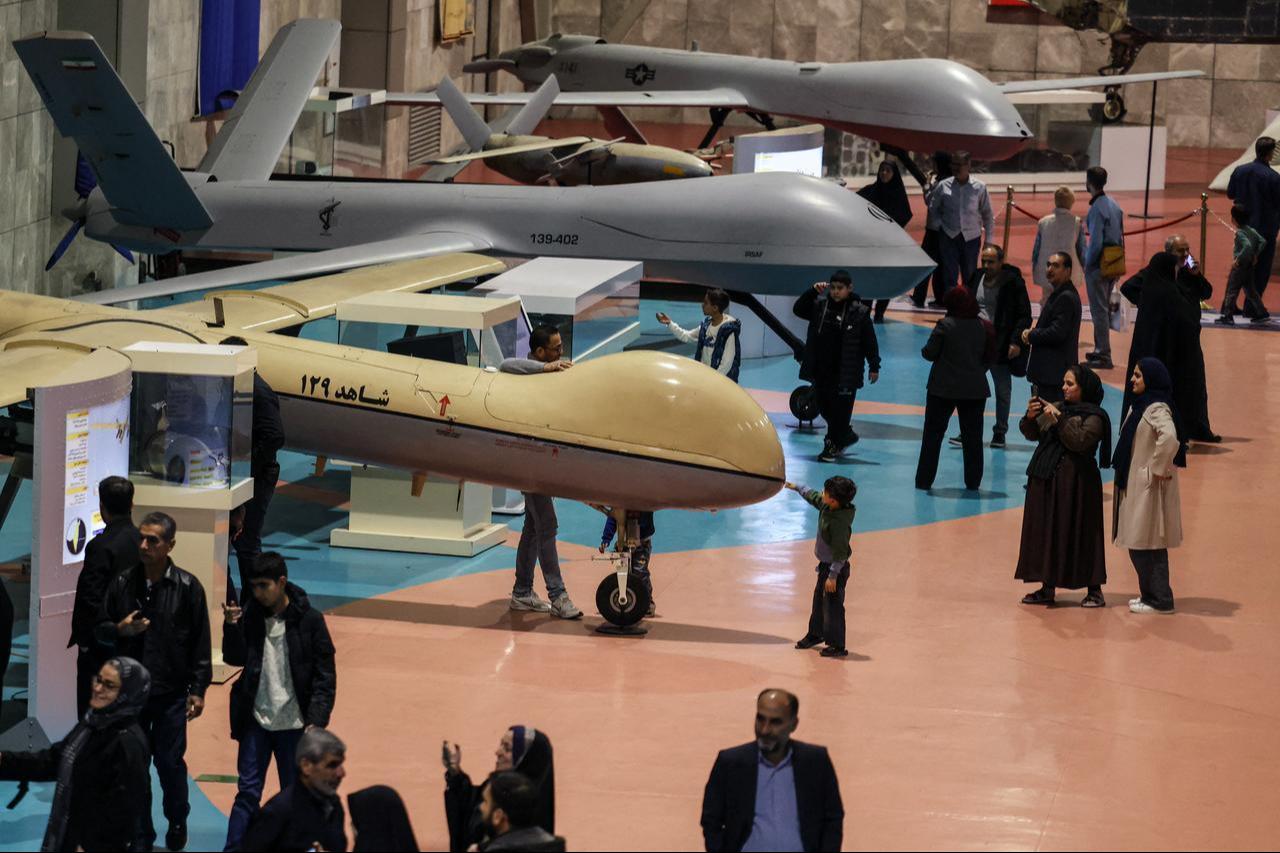

Separately, Foreign Ministry spokesman Esmaeil Baghaei condemned U.S. Secretary of State Marco Rubio’s remark warning against "quoting laws to men with swords," made in criticism of the International Criminal Court.
"If the United States believes that wielding the sword places it above the law, what meaningful distinction remains between this logic and the one employed by ISIS? (Daesh)" Baghaei wrote on X, comparing the approach to Hitler’s use of national security after the Reichstag fire to suspend fundamental rights.
"Today, as the war against Iran is justified through claims of morality and national security, while the very power advancing those claims exempts itself from accountability, the international community should not imagine that it is insulated from the consequences," he said. "The international order begins to unravel precisely when the powerful claim rights for themselves that they refuse to recognize in others."
"The American people should regard Rubio’s words as a serious cause for alarm," Baghaei added, as Ghalibaf’s "dual-use" warning raised the stakes over civilian infrastructure.


 Set as preferred source
 Set as preferred source


 4 min read