Sign in
 Newsletters


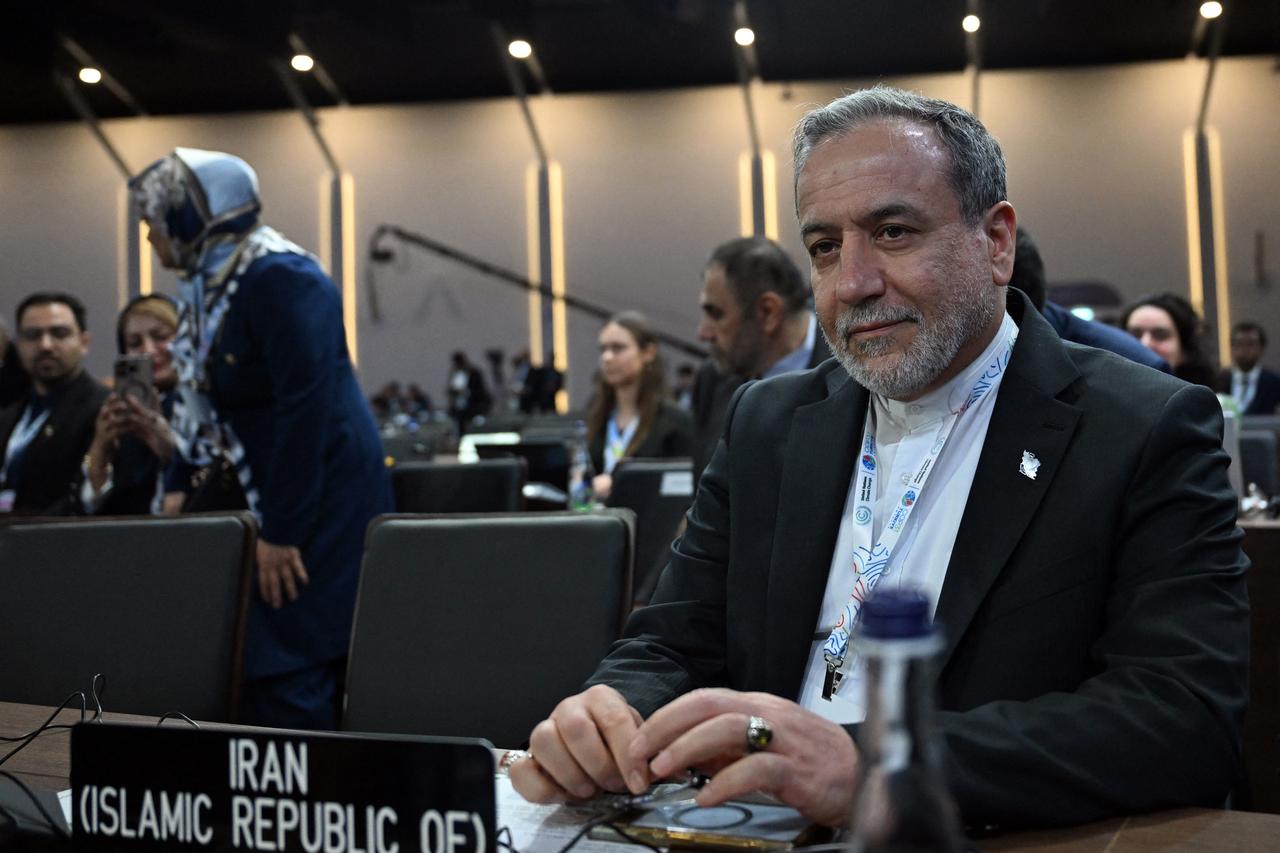


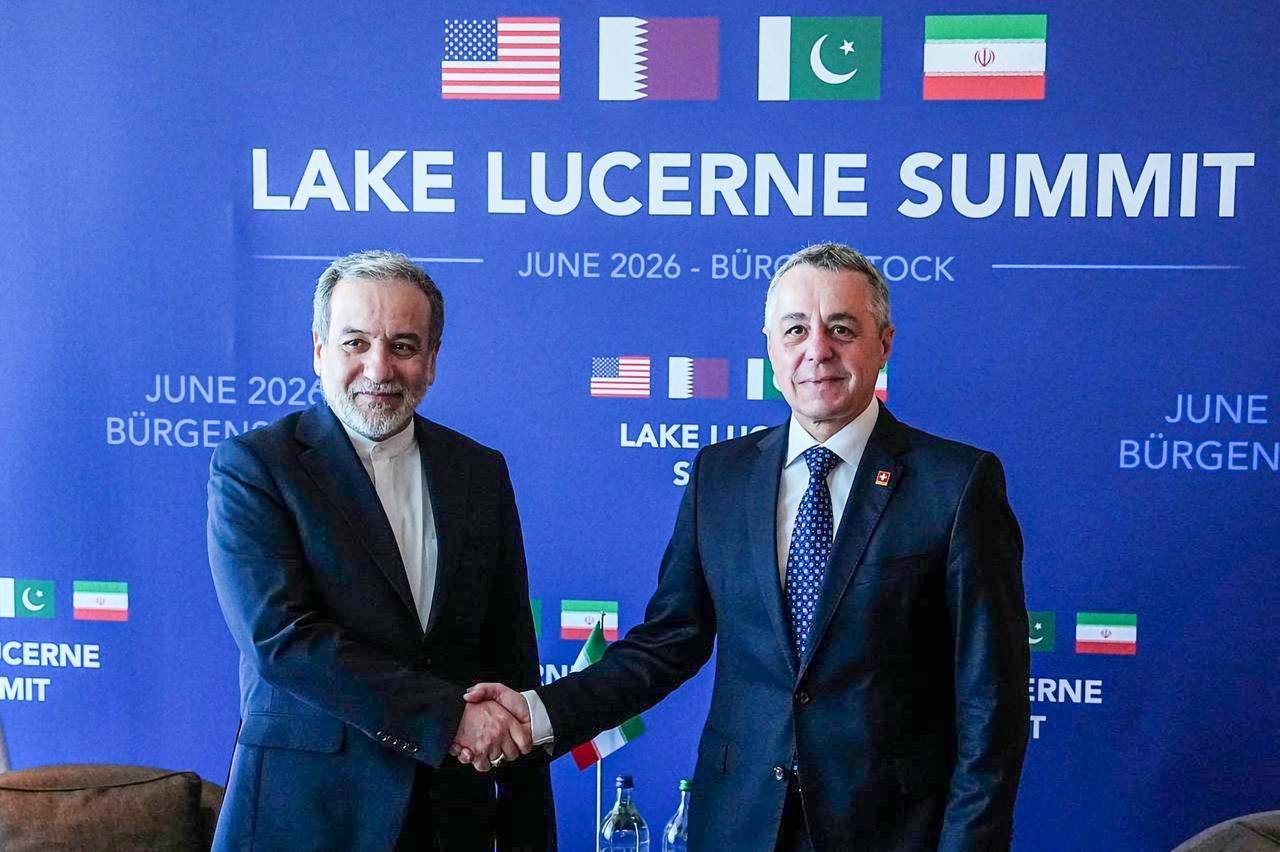
Iranian Foreign Minister Abbas Araghchi said Tehran still hopes diplomacy can end its war with the United States and that a two-day plan to reopen the Strait of Hormuz remains on the table, while U.S. President Donald Trump said Iran wants a deal that is not acceptable to him.
"We are men of diplomacy and still have hope in diplomacy," Araghchi told the state-owned Iran newspaper in a wide-ranging interview, adding that Tehran wants "an agreement that would ensure there was no further war."
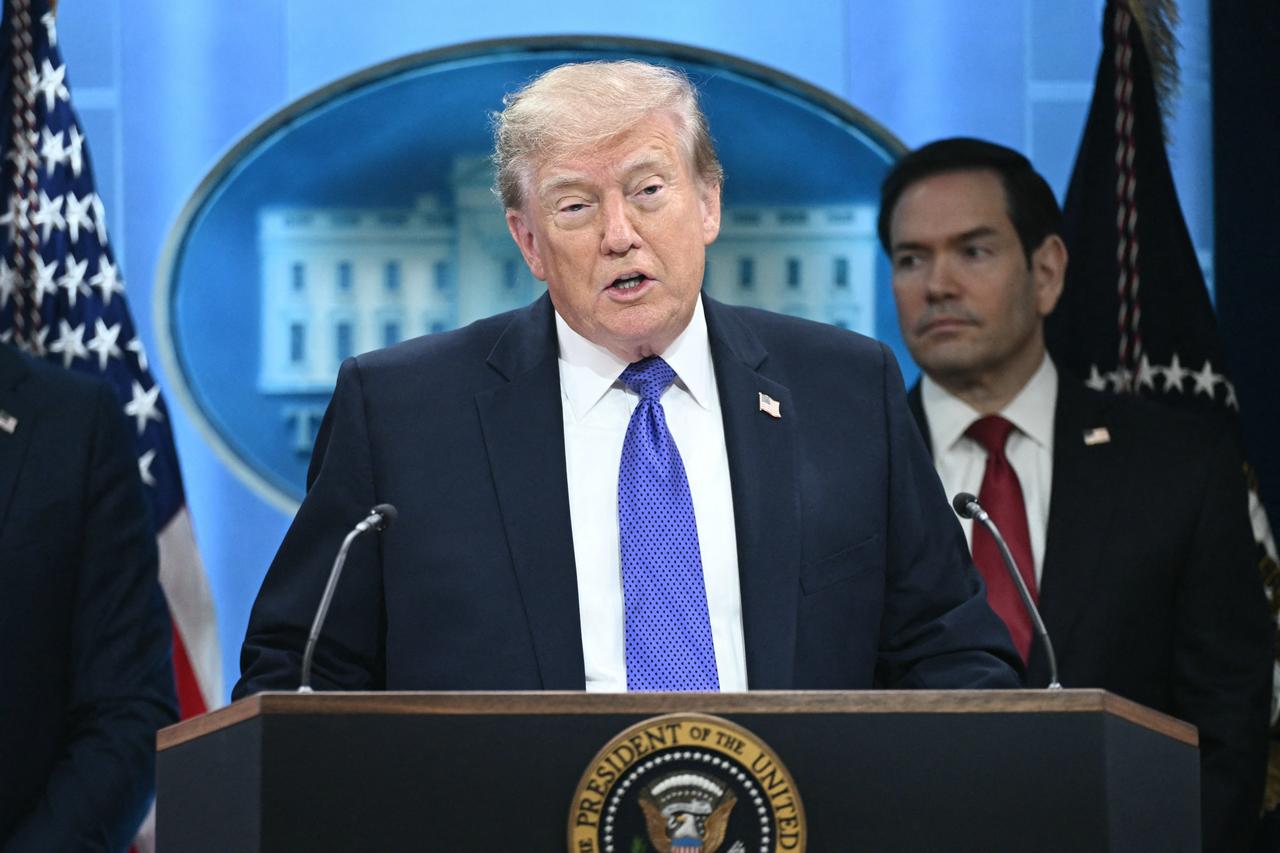
"They want to make a deal, but they don't want to make a deal that's acceptable to me," Trump told a White House news conference Friday.
"They've been bulls...ing people for 51 years," he said, adding that Washington wants a "real deal," not a "fake" one.
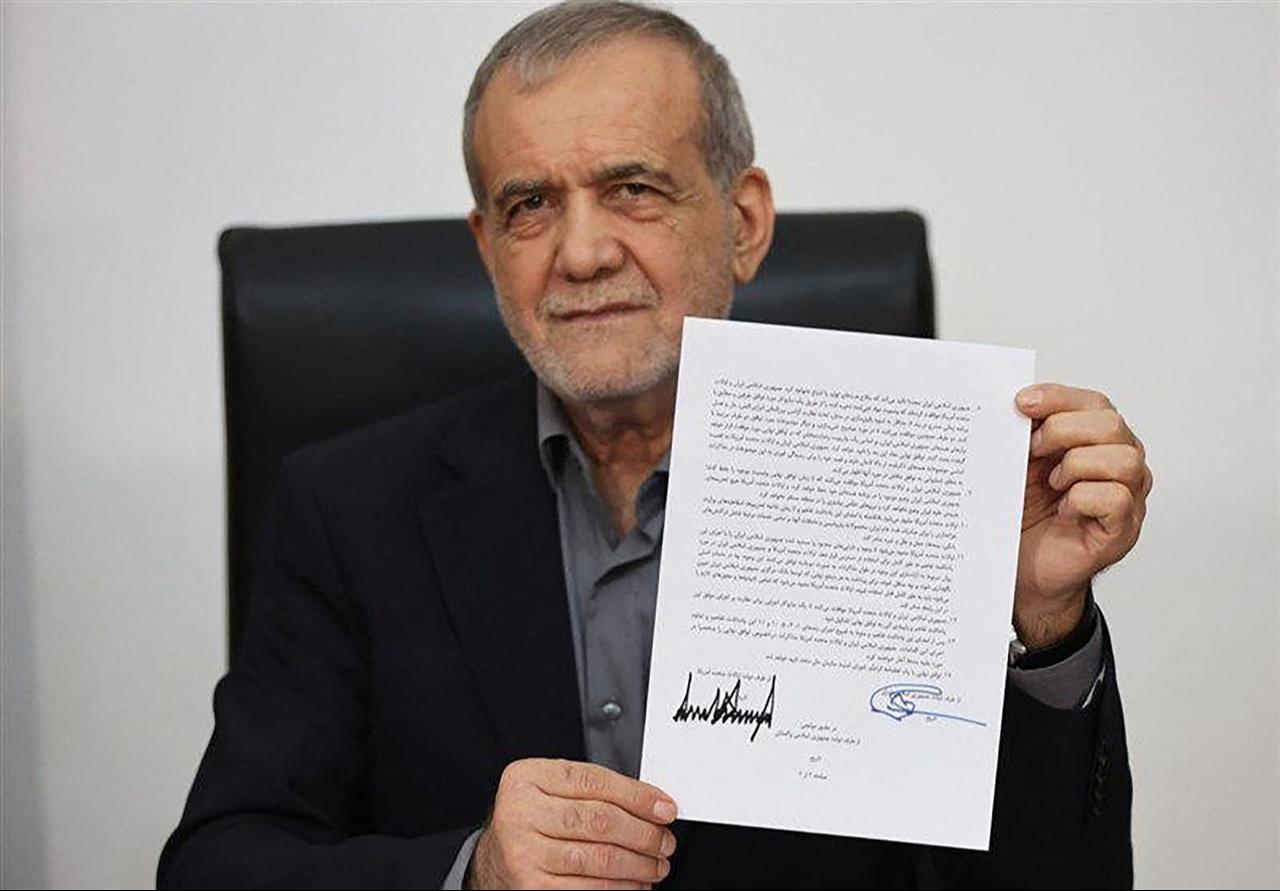
The top Iranian diplomat stated that the Islamabad Memorandum of Understanding (MoU) was signed by both presidents, with Trump "even signing the Persian text," but collapsed after a U.S. violation of "one of the important clauses."
"After a while, both we and the American side lost our motivation to continue on the basis of that memorandum. Therefore, the Islamabad memorandum is no longer on the table," he said.
"However, the commitments that America accepted in that memorandum, and the principle that implementing those commitments can pave the way for a final agreement, are still accepted by both sides," Araghchi added.

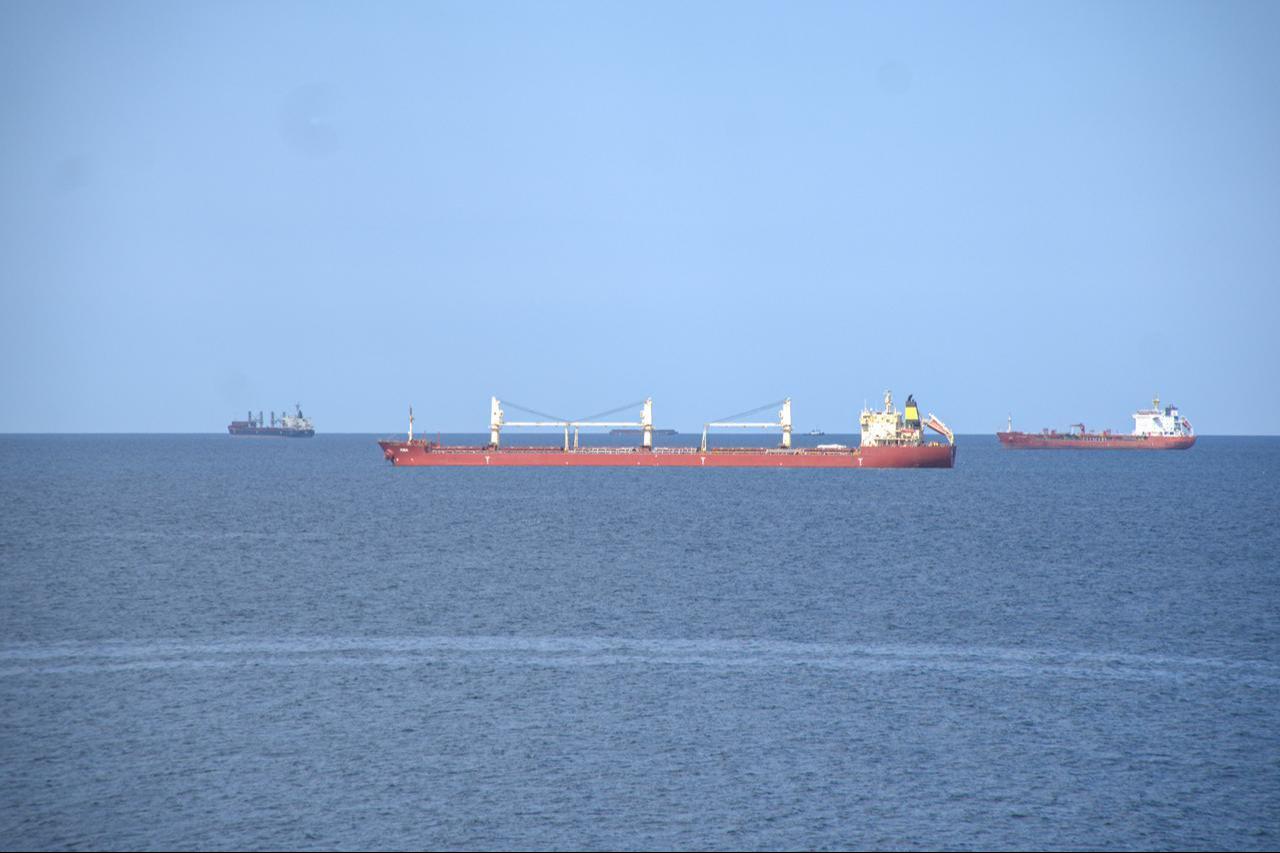
Iran combined the U.S. commitments from the memorandum with new demands, including lifting new U.S. sanctions, into a seven-day plan, also known as Iran's seven conditions for reopening the Strait of Hormuz, Araghchi said.
"Under it, Washington would implement its commitments in the first five or six days, Iran would open the strait on the sixth day, and talks on a final deal would start on the seventh. Iran presented it indirectly through Qatar during a visit to New York in early autumn," he noted.
The U.S. side said it agreed to Iran's demands provided some of its own were added, he said. As the U.S. elections approached, mediators urged a shorter timeline, and Iran turned it into a two-day plan.
"On the first day, the Americans would implement their measures and commitments, and on the second day, we would open the Strait of Hormuz and negotiations between Iran and America would begin. I emphasize that negotiations would start on the second day, not conclude on that day," he said.
The plan included U.S. demands as well, making it "balanced," he added.
"We presented this plan to the American side about 10 days before the U.S. elections. If they had accepted it, perhaps the subsequent results and developments would have turned out differently," the Iranian foreign minister said.
"The Americans, for whatever reason, either they were caught up in the election atmosphere, or did not understand the issue properly, or the conditions for a positive response were not in place, and did not respond favorably," Araghchi added.
"Our current position is that the two-day plan is still on the table," he said, but noted, "Trump had said days ago he no longer wanted a deal and had sent Vice President JD Vance on a wild goose chase."
"Even before Trump published that tweet, we had not received any response from the American side," Araghchi said.
"Our first demand is that he explicitly declare that he wants an agreement. In addition, we need a set of confidence-building measures to make sure that this time conditions are different from the past," the Iranian top diplomat noted.
He said Iran had discussed the form of such measures with mediators.
"Our demand is completely clear: the seven conditions we have set must be implemented for the Strait of Hormuz to open," he said, adding, "If they want to change the two-day timetable to one day or even two hours, it is not a problem for us. What matters is that our demands are met. If Iran's demands are met, the Strait of Hormuz will open."
"No war, no peace" is "by no means a desirable situation" and must end, the Iranian foreign minister said.
"We are seeking a good, honorable and dignified agreement. We resisted in the war and did not allow the other side to win. So we certainly cannot accept an agreement in diplomacy in which we ourselves hand victory to the other side," he said, while acknowledging any deal involves give-and-take.
"Twice we were negotiating and were attacked both times. The third time, we negotiated, reached an agreement and it entered implementation, but the other side violated it again and another war began," he said.
"What is the use of making an agreement today that is violated two months later? The last time, war resumed 15 days after the agreement," he added.
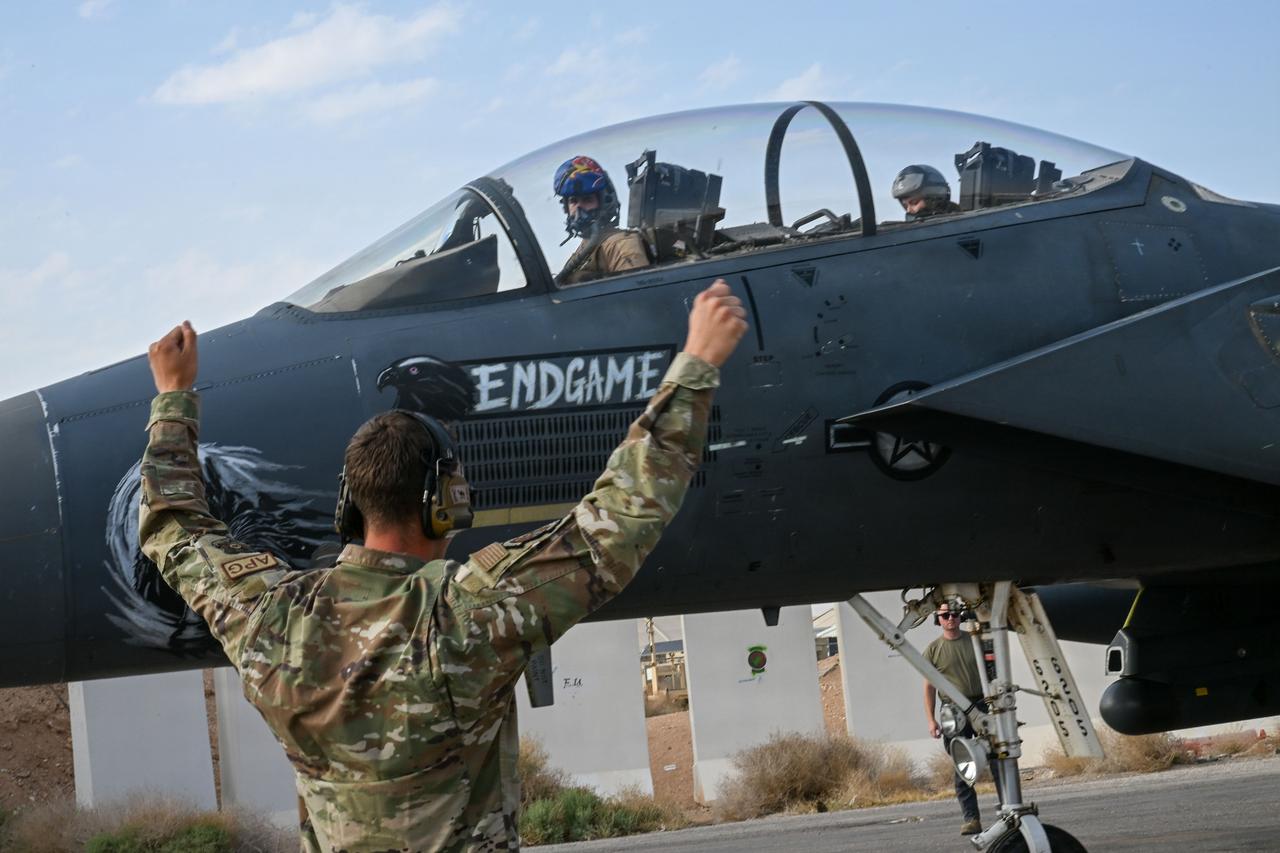
Hawkish officials in Washington and Israel are urging Trump to restart strikes on Iran, while U.S. military planners warn their forces risk becoming overextended if the stalemate drags into the new year, the Financial Times reported, citing three people familiar with the matter, including U.S. officials.
U.S. Central Command (CENTCOM) has briefed officials that sustaining the buildup beyond the end of December could erode military readiness, according to the report.
Planners are also aware that the incoming Democratic-led Congress could cut defense spending and step up oversight of foreign operations, particularly the unpopular Iran war.
One person told the newspaper that CENTCOM was warning the administration it was "running out of time, burning money and readiness," including for other global threats.
A U.S. military official disputed that account, saying CENTCOM had not told the administration that time was running out or that forces would become overextended without renewed strikes before the new year.
Israeli officials have used the argument of a shrinking window to press Trump to strike before the new year, and some U.S. officials are also urging him to finish the job, two sources told the newspaper.
Mossad chief Roman Gofman traveled to the U.S. last week to provide information to the administration and persuade it to renew joint strikes, a person familiar with the matter told the FT.
"Different factions in the White House are trying to steer Trump," Araghchi said, accusing Israeli Prime Minister Benjamin Netanyahu of "trying every day with a new conspiracy to drag America into war."
Trump recently told Israel's Channel 12 he was "not rushing to make any decisions on Iran. We'll see what happens after the new year starts."
Discussions are also underway within Israel's security establishment on a smaller, more targeted Israeli operation instead of a multi-day joint assault, as Araghchi insisted Tehran still bets on diplomacy.


 Set as preferred source
 Set as preferred source


 1 min read
 1 min read