Sign in
 Newsletters


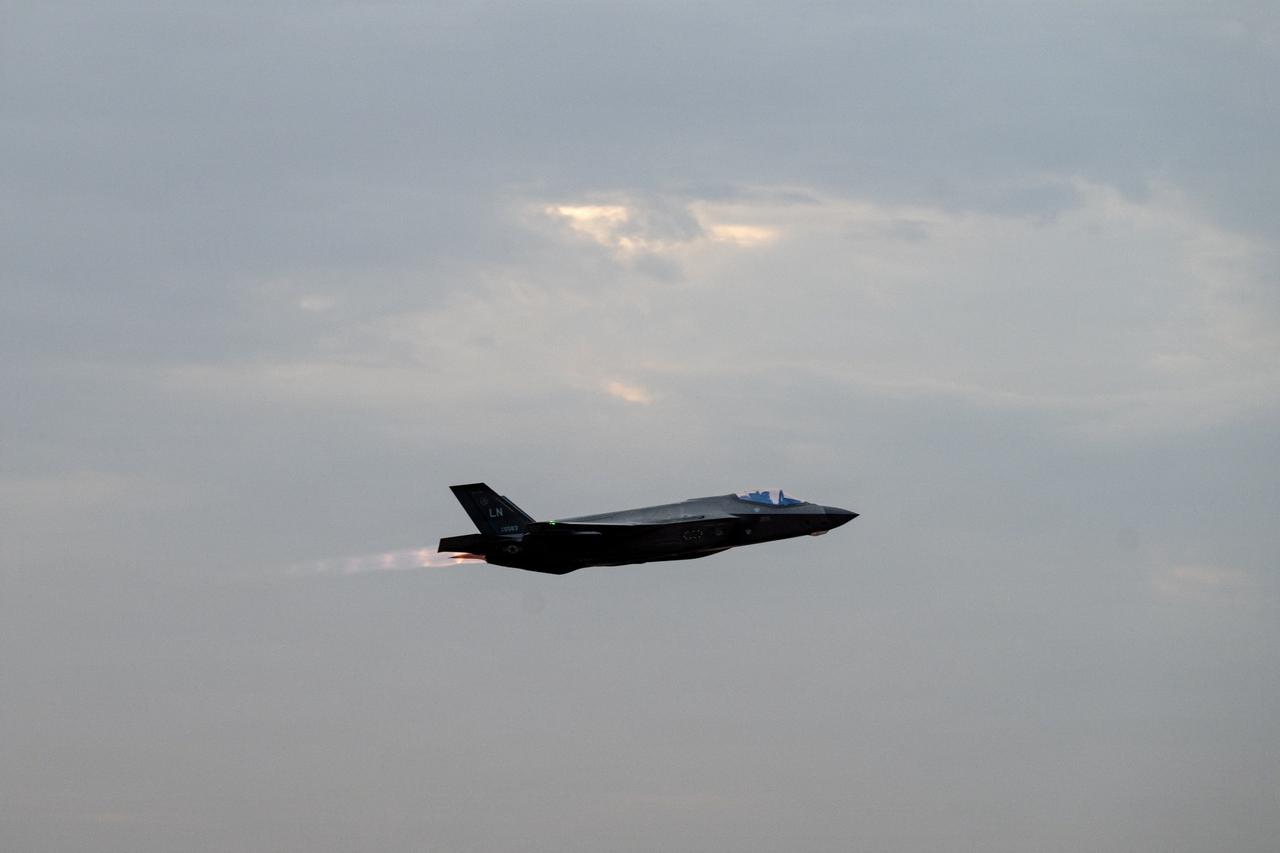


The United States and Israel are considering launching a new assault on Iran in the short term, CBS News reported on Friday, citing sources familiar with the matter, as Israeli concern grows over Tehran rebuilding its ballistic missile production and moving military and nuclear sites underground.
Israel's military is prepared for a new round of fighting and is in peak defensive posture to respond to any first Iranian attack, the sources told CBS.
Israeli Prime Minister Benjamin Netanyahu would prefer a joint operation with the U.S., but it remains unclear whether U.S. President Donald Trump wants to order new military action, and if so, what kind, according to the report.
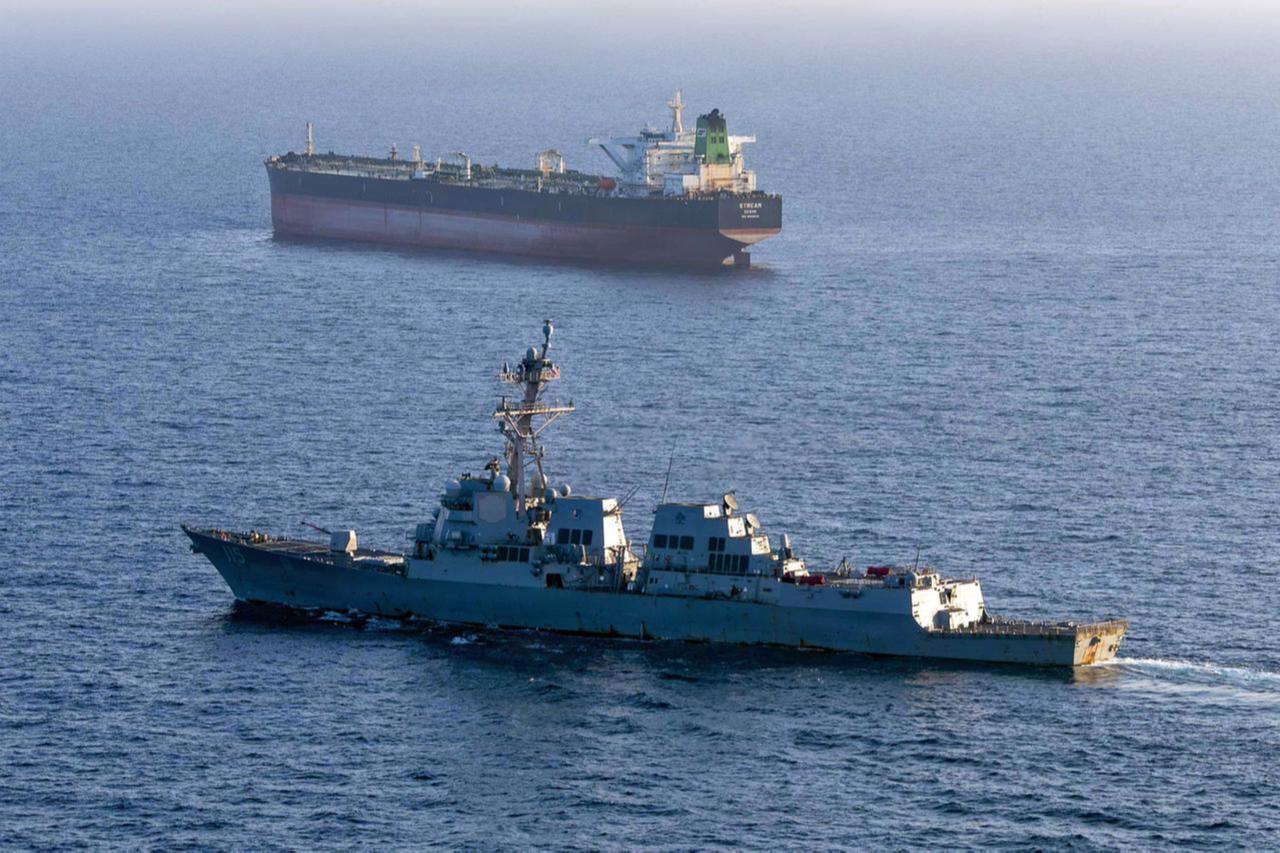
With assets already in the region, including two aircraft carrier strike groups, a new offensive could be mounted within two to four days if ordered.
The window for joint action may be closing for both leaders.
Netanyahu could lose his post within weeks as opposition leader Gadi Eisenkot tries to form a government, while Trump's Republicans lose control of both chambers of Congress in January, giving opponents greater say over war funding.
Trump told Fox News on Wednesday he still wants a lasting deal but renewed his threat: "I’m going to finish it off. Yeah, soon. I mean, one way or the other, we’ll finish it off."
On Thursday, he told Israel’s Channel 12 he is "not rushing into any decision."
"We will see what happens after the beginning of the year," he added.
The New York Times (NYT) reported Wednesday that Netanyahu is pressing Washington to join a four- to seven-day air campaign. U.S. Central Command (CENTCOM) chief Adm. Brad Cooper met Israeli army chief Eyal Zamir and Mossad Director Roman Gofman at the Israeli Defense Ministry on Wednesday for what the military called a "joint, comprehensive situational assessment."
"The head of the Mossad, who hardly leaves the country, didn’t go for a brief in and out, but for a couple of days. It’s a serious matter on the table," said Erez Winner of the Israel Defense and Security Forum, referring to Gofman’s Washington trip.
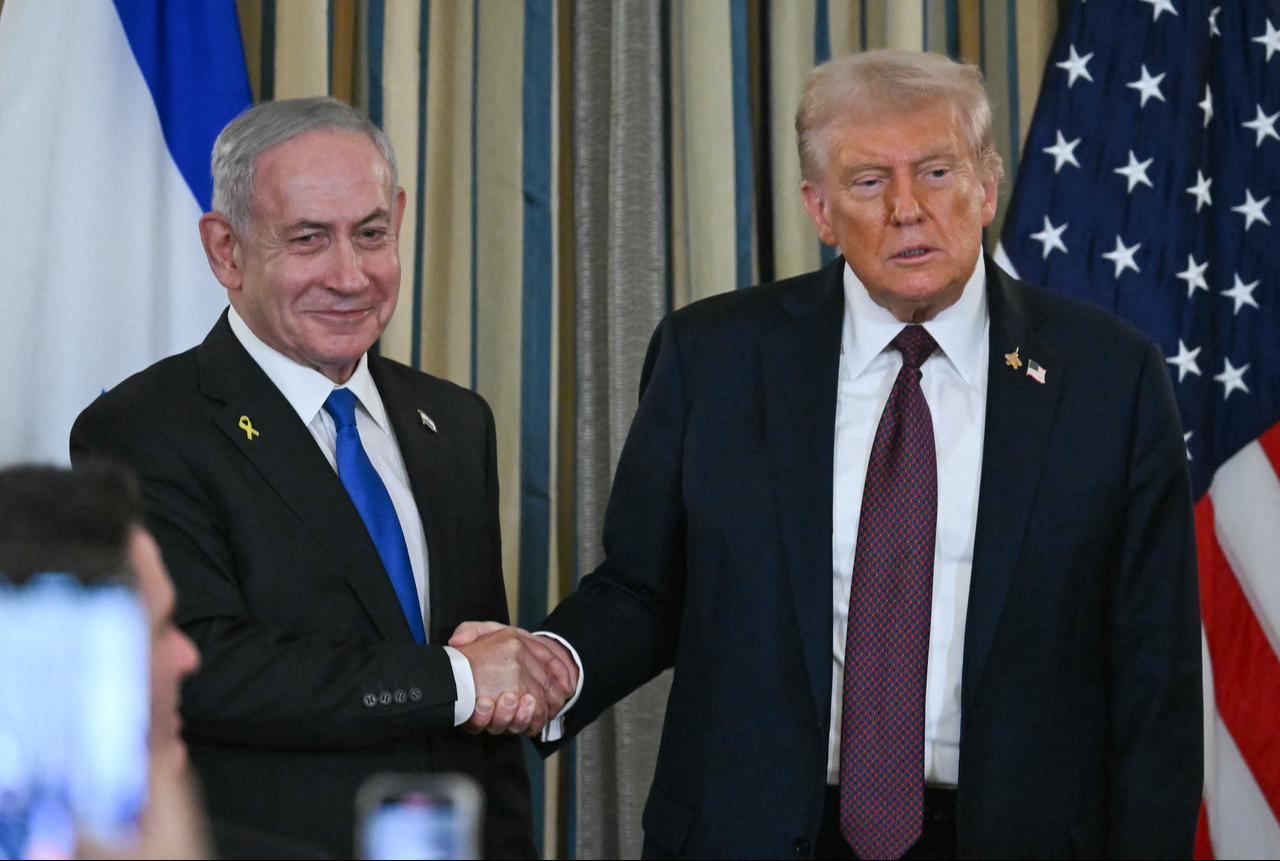

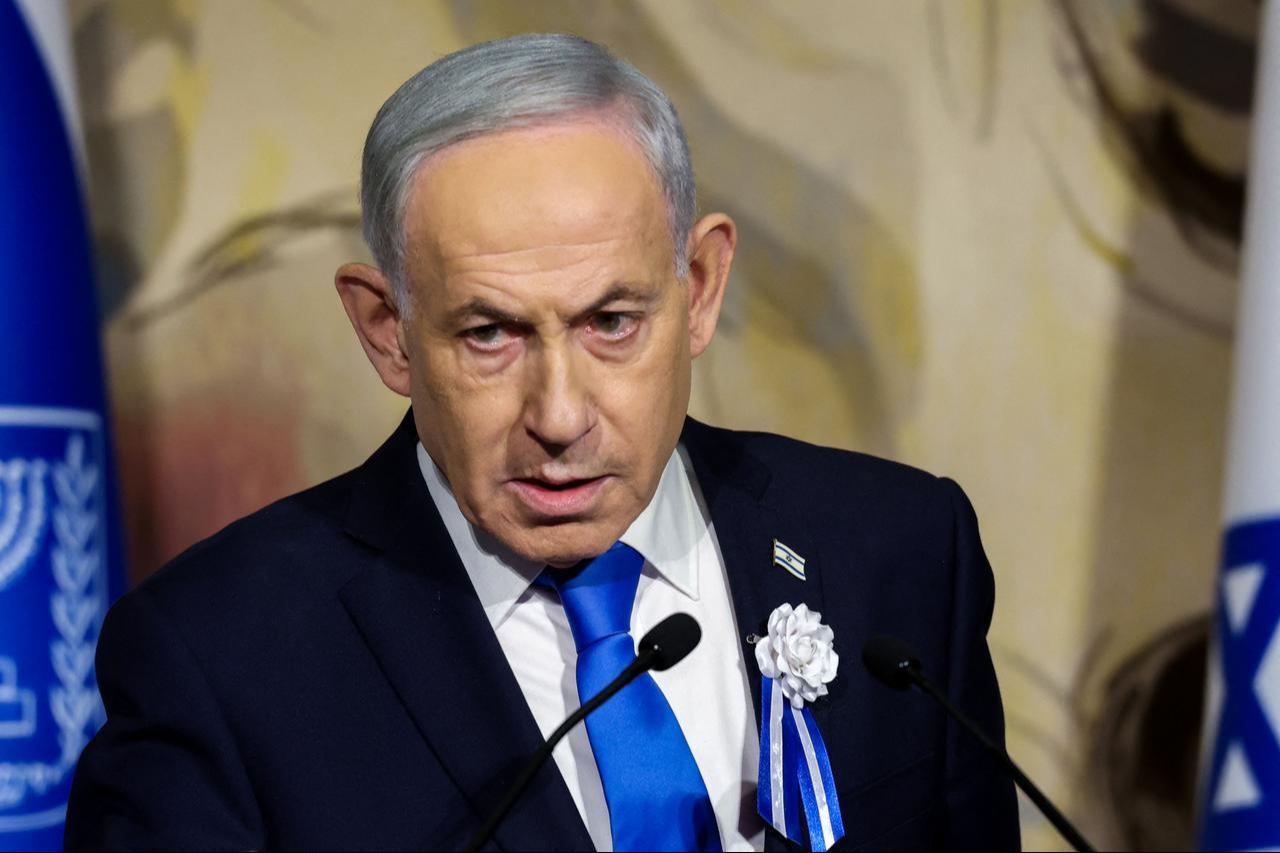
Israeli analysts said Netanyahu is using the Iranian threat to obstruct Eisenkot’s coalition bid or force a unity government under his leadership.
"Netanyahu, fearful for his future, disconnected from most Israelis and indifferent to their fate, pulled out the Iranian threat again in a bid to prevent the opposition bloc from forming a coalition," Haaretz’s Amos Harel wrote.
Harel said Zamir opposes a new attack now, with the military viewing the danger from Iran as "real but not immediate," though he "largely accepts the case that a third campaign against Iran will be needed in the future."
Maariv’s Ben Caspit accused Netanyahu of placing "his personal interests" ahead of "the national interest."
Yedioth Ahronoth’s Ron Ben-Yishai said Netanyahu "can use the intelligence to argue both for forming a national unity government and for launching a joint military operation with the United States now."
Netanyahu’s camp won 53 of the Knesset’s 120 seats in October’s election, against 67 for opposing parties.
On Nov. 14, he invited Eisenkot to unconditional unity talks, which Eisenkot called a "media maneuver."
Iran’s Foreign Ministry compared Trump’s claim that Tehran was exploring chemical and biological weapons to U.S. claims before the 2003 Iraq invasion.
"We find ourselves facing ominous new allegations and a narrative that appears to be following the same fraudulent script," spokesman Esmaeil Baghaei wrote on X.
"If they hit infrastructure, we will certainly hit their infrastructure,” said Brig. Gen. Abdolreza Abed, commander of the Khatam al-Anbiya headquarters, calling threats against Iran’s dams "completely hollow."
A statement attributed to Supreme Leader Mojtaba Khamenei said that in renewed hostilities "there would be no geographical limit for Iranian missiles."
"The Shenzhen summit sent a clear message to the region: the United States no longer has the clout to rally support against Iran," wrote Mohammad Mokhber, an adviser to the supreme leader.
IRGC commander Ahmad Vahidi told IRNA that Iran’s enemies had suffered "not just a military defeat" but "a doctrinal and political defeat."
Iran refuses to discuss its nuclear program unless the U.S. lifts its naval blockade and accepts six other conditions.
International monitors believe Iran retains about 900 pounds of uranium enriched to 60% under the rubble of damaged sites, as Washington and Israel weigh a new assault on Iran.


 Set as preferred source
 Set as preferred source


 4 min read