Sign in
 Newsletters




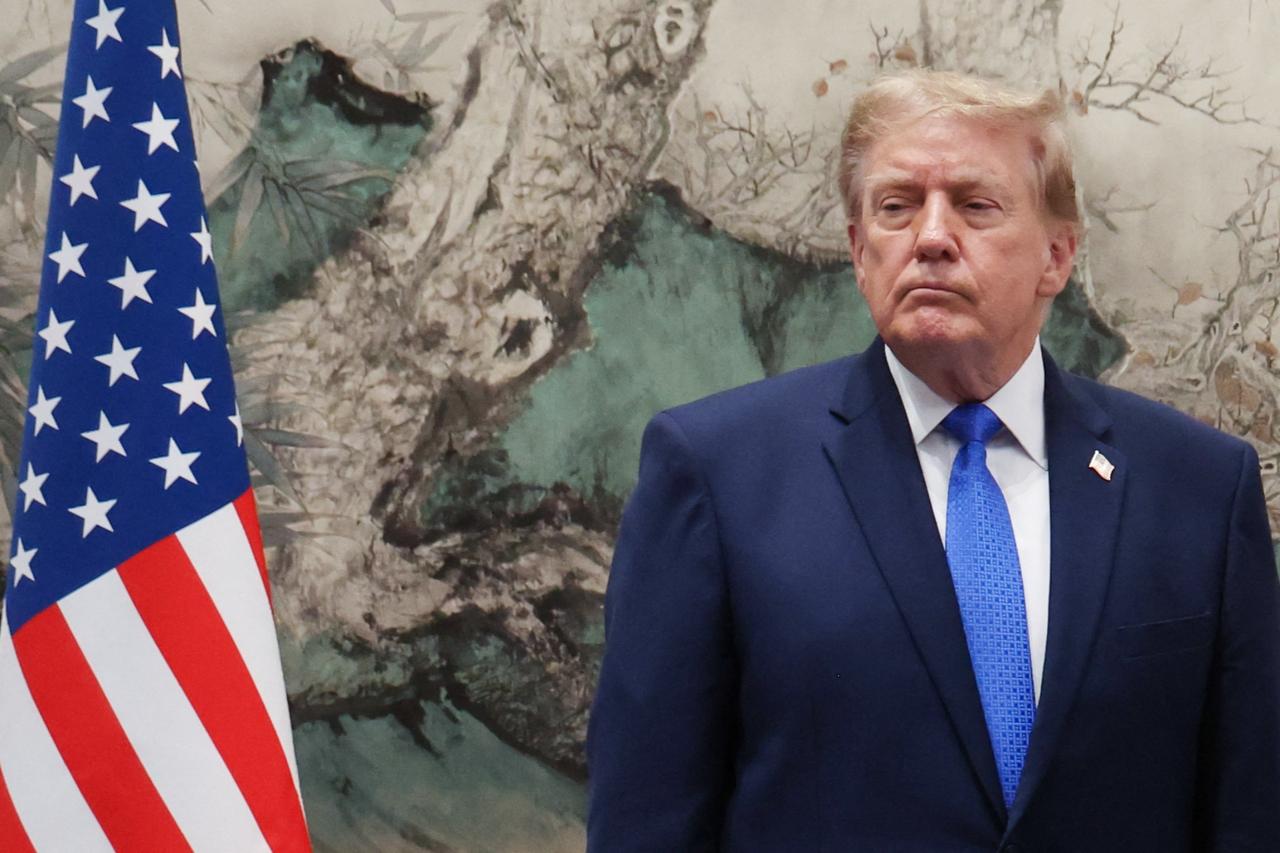
The likelihood of the United States launching another round of large-scale strikes on Iran has increased in recent days as military clashes escalate, Western officials told Bloomberg on Thursday, while U.S. President Donald Trump weighs his options under pressure from Israel.
Trump has not decided whether to order attacks but is considering the move, one official said, according to the report. Peace talks remain stalled, and neither side is willing to concede on key points.
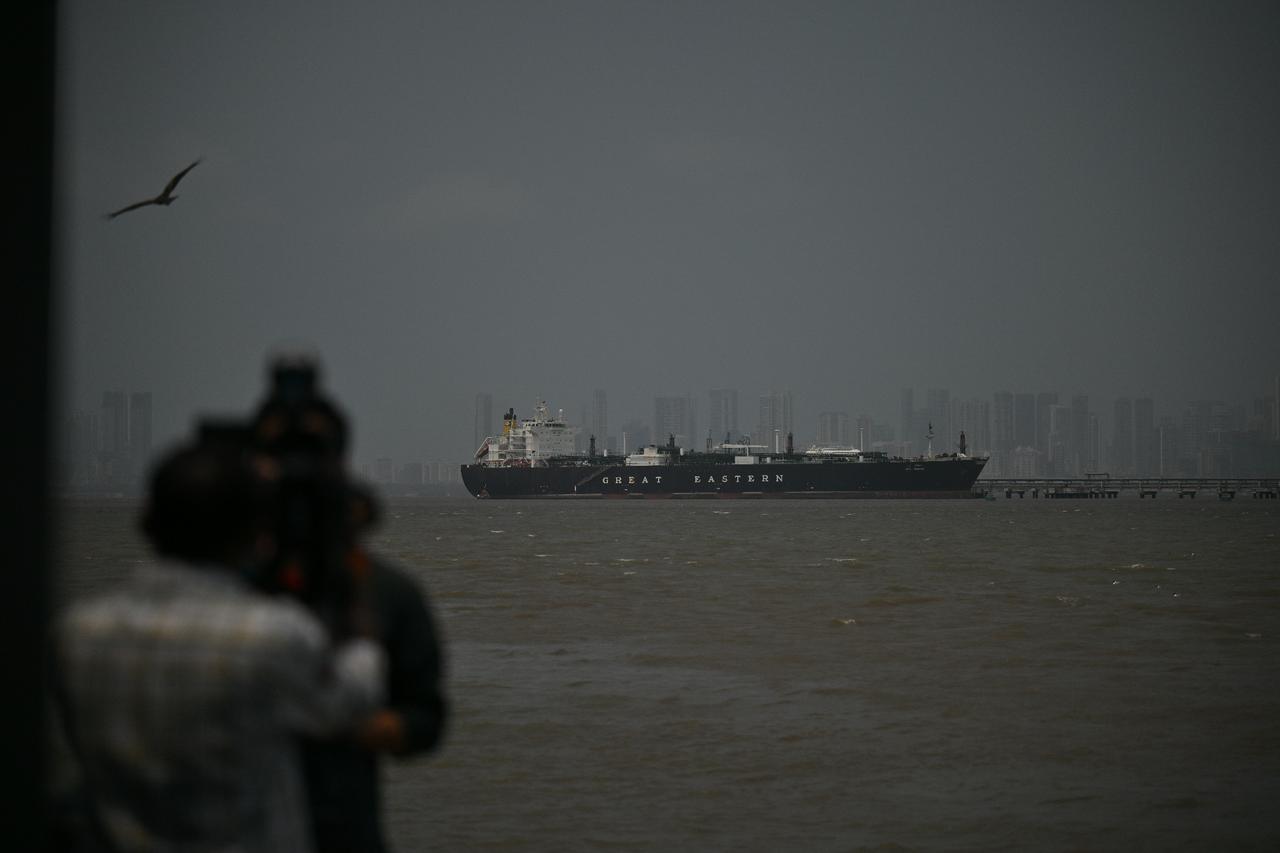
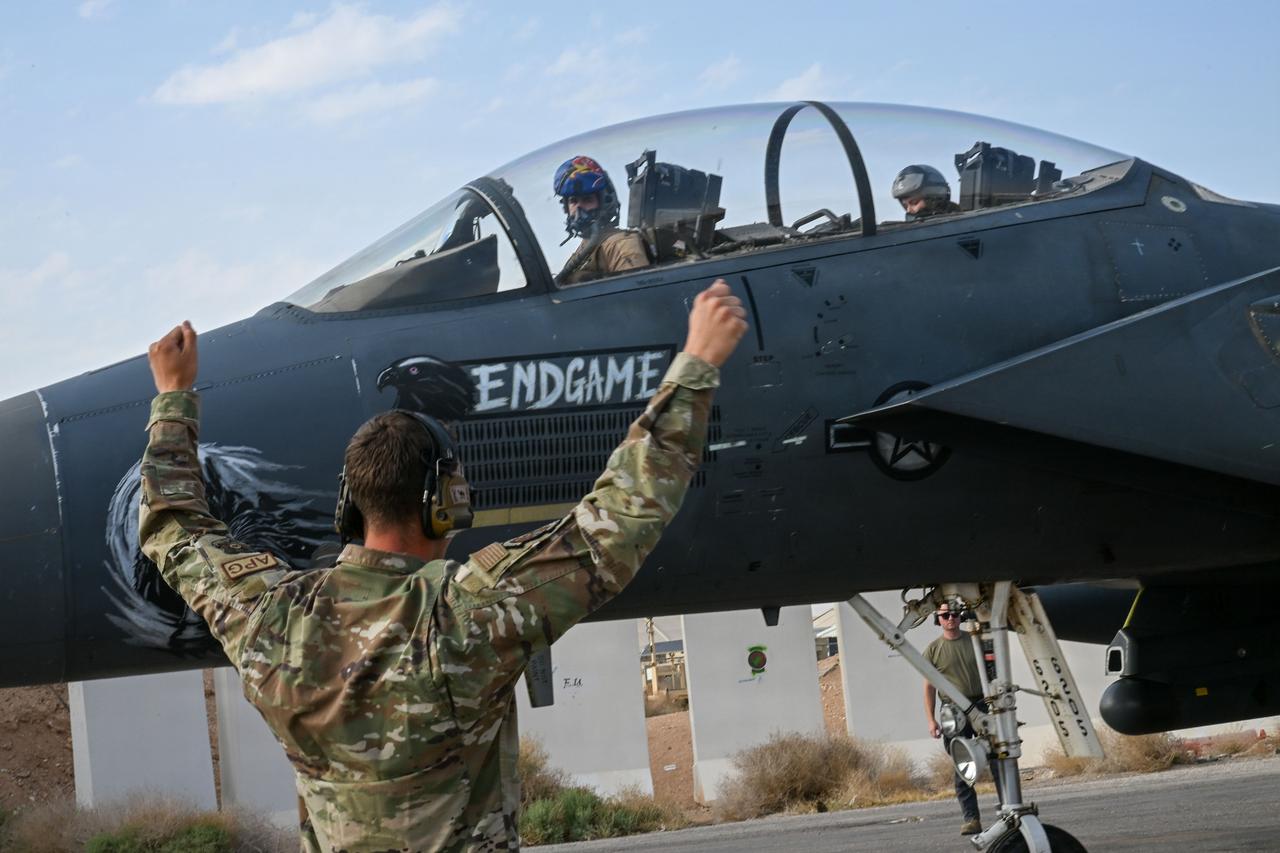
Over the past week, Iran has struck U.S. military facilities in Bahrain and Kuwait several times and stepped up attacks on ships in the Strait of Hormuz, while a U.S. fighter jet struck an Islamic Revolutionary Guard Corps (IRGC) missile launch site on Qeshm Island on Tuesday.
"We’re going to have a new year coming up, and we’ll see what happens after Jan. 1. But they’ve been nasty," Trump told Fox News during his trip to China, without explaining the date’s significance.
Trump is weighing plans for another round of extensive strikes, taking into account new intelligence about Iran rebuilding its missile and drone arsenals and advancing chemical and biological weapons programs, The New York Times (NYT) reported, citing U.S. and Israeli officials.
There are major differences within the administration over the strength of the intelligence and the wisdom of attacking again after Republicans’ midterm losses.
A U.S. official told NYT that Trump no longer needs major combat because economic pressure has devastated Iran, but "has all options available to ensure that Iran could never have a nuclear weapon."
The Pentagon said, "All options remain on the table."

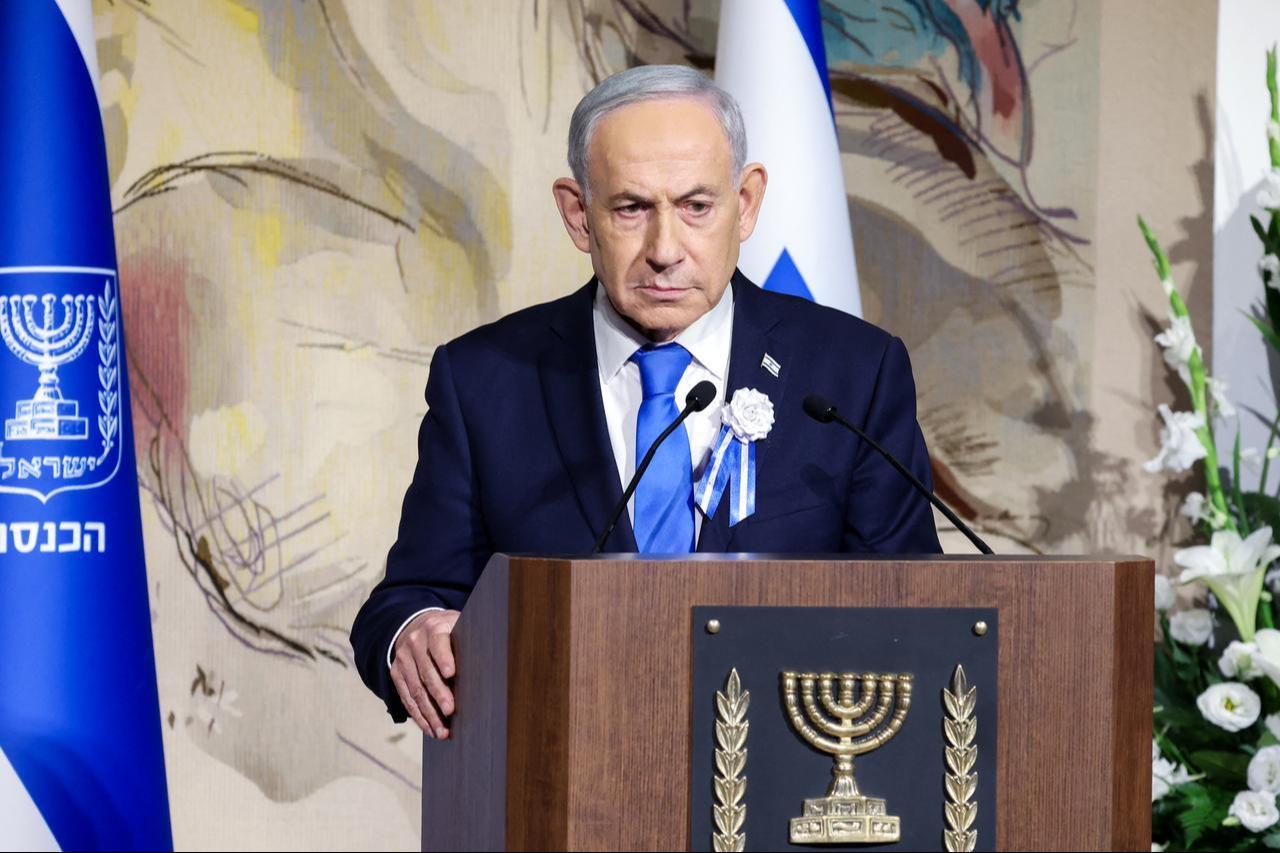
Israeli Prime Minister Benjamin Netanyahu is pressing for a joint four- to seven-day campaign of airstrikes. Israeli intelligence agency Mossad Director Roman Gofman met Central Intelligence Agency (CIA) Director John Ratcliffe in Washington and envoy Steve Witkoff in Miami, and military intelligence chief Shlomi Binder also advocated resuming operations.
A senior Israeli official disputed that Netanyahu had pressured Trump.
Israel has highlighted Iranian chemical and biological capabilities, but the prevailing U.S. intelligence view is that Tehran is bolstering them as a deterrent rather than for preemptive use.
Netanyahu’s push is tied to his political survival as rival Gadi Eisenkot tries to form a government.
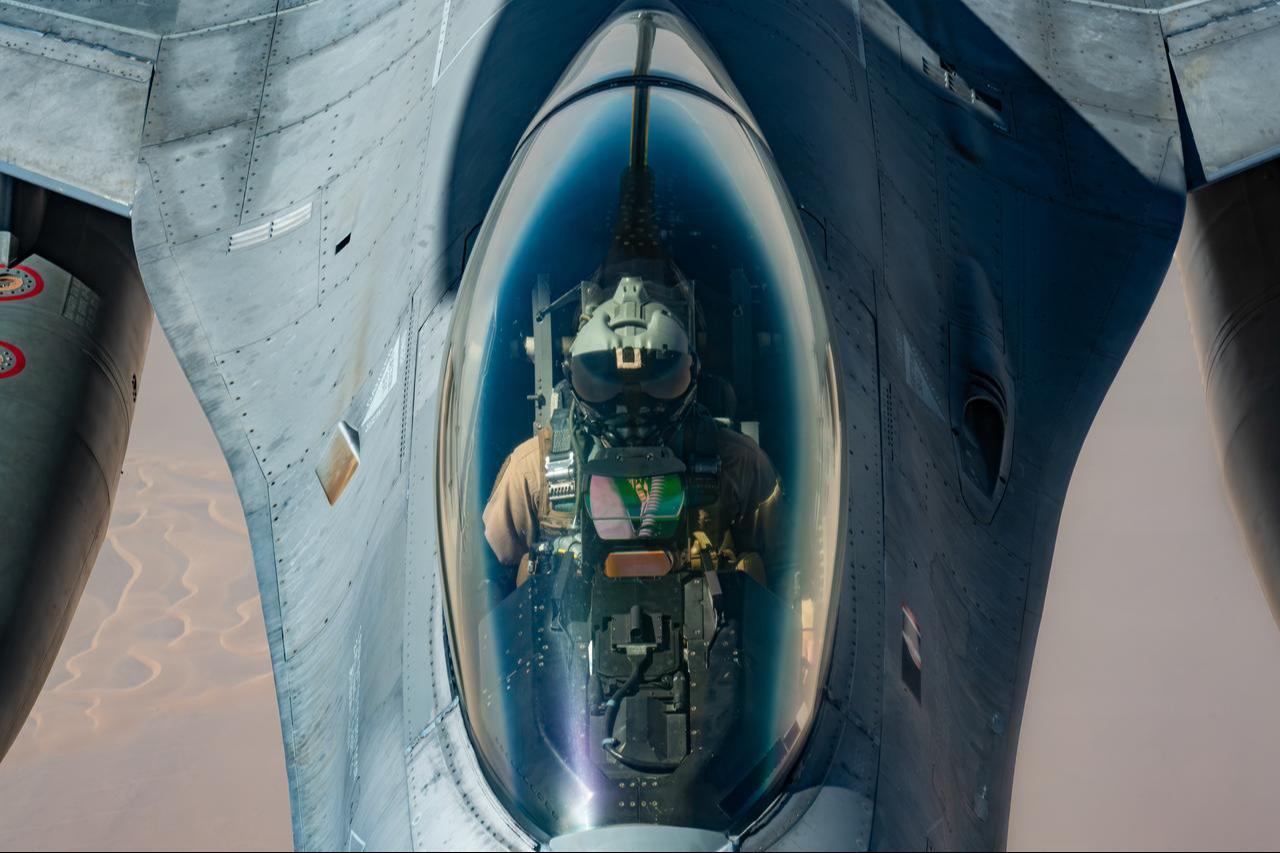
U.S. B-1 and B-2 bombers have been on 96-hour notice for weeks, and the Pentagon and State Department have withdrawn some personnel from the region. Any strikes would likely target Iran’s rebuilt missile and drone arsenal, energy facilities and IRGC command posts.
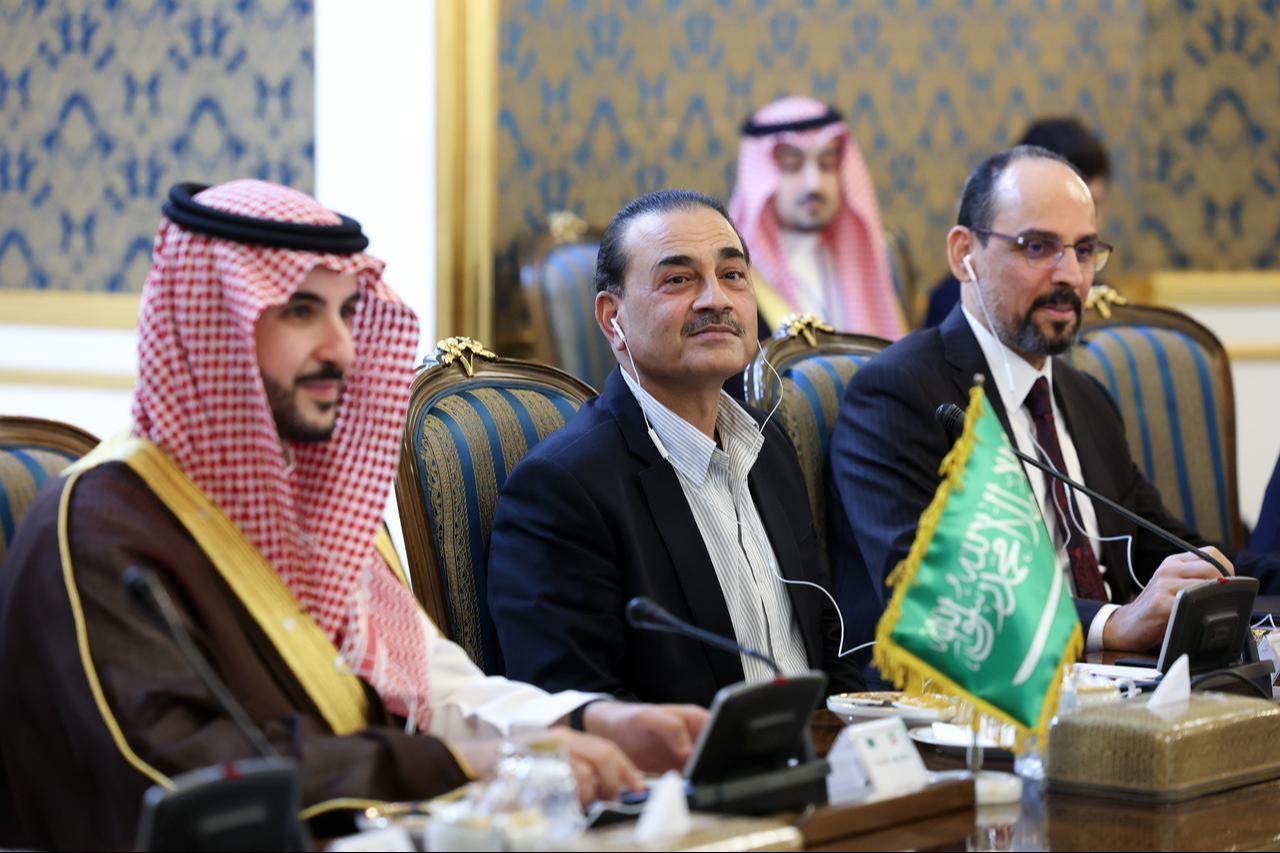
Gulf states, Pakistan and Türkiye have stepped up diplomacy, including calls with senior U.S. officials, to prevent a return to all-out war, four regional officials told The Associated Press (AP).
They fear Iranian retaliation on oil facilities, power and desalination plants and undersea cables, and Houthi disruption of the Bab el-Mandeb Strait.
"Even if neither side intends to enter a broader confrontation, the accumulation of military incidents across multiple fronts increases the risk of miscalculation," Hamidreza Azizi of the International Crisis Group wrote on X.
Former Israeli intelligence analyst Danny Citrinowicz said Iran "appears to be pursuing a strategy of deliberate, calibrated escalation" to raise the cost of the blockade.
Bloomberg Economics analysts said the status quo is "unsustainable."
Western officials said Trump has no good options: an attack would provoke counterstrikes on Arab allies, while walking away without a deal would likely leave Iran in de facto control of Hormuz.
The U.S. now has two carriers in the region, the USS George H.W. Bush and USS Theodore Roosevelt, after the USS George Washington left for the Pacific.
Iran is hitting roughly one vessel a day.
UAE oil company ADNOC said one crew member was missing and 11 injured after a tanker attack Tuesday.
Brent crude rose slightly to $92.60 a barrel, down from about $117 before the midterms.
Qatari officials met Iranian Foreign Minister Abbas Araghchi in Oman this week without a breakthrough. Iran demands an end to the blockade, sanctions relief and unfrozen assets before talks, while the U.S. wants nuclear concessions, as the odds of new U.S. strikes on Iran rise.


 Set as preferred source
 Set as preferred source


 4 min read