

 Newsletters


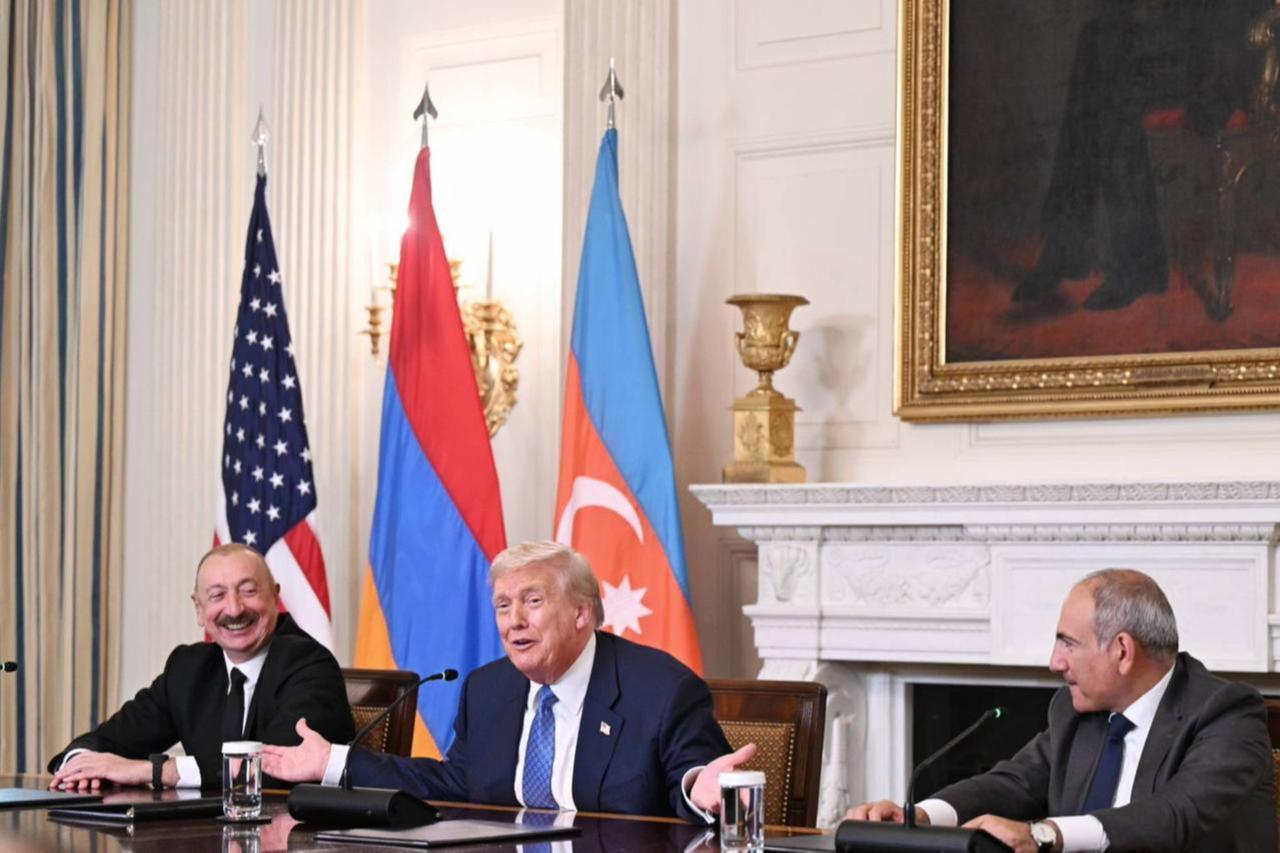


Key representatives from Armenia and Azerbaijan sat together for their first public joint interview, describing a peace process they say has transformed decades of conflict into economic cooperation that could reshape the Eurasian transport corridor.
Hikmet Hajiyev, assistant to the president of Azerbaijan, and Armen Grigoryan, secretary of the Security Council of Armenia, spoke with Euronews in Doha on December 9, detailing how the two nations moved from active hostilities to what they termed an "irreversible" peace agreement.
The officials revealed that negotiations began in 2020 following the most recent confrontation between the two countries, with talks facilitated by the European Union in Brussels. The peace process culminated in an agreement between Azerbaijan's President Ilham Aliyev and Armenian Prime Minister Nikol Pashinyan, brokered by US President Donald Trump.
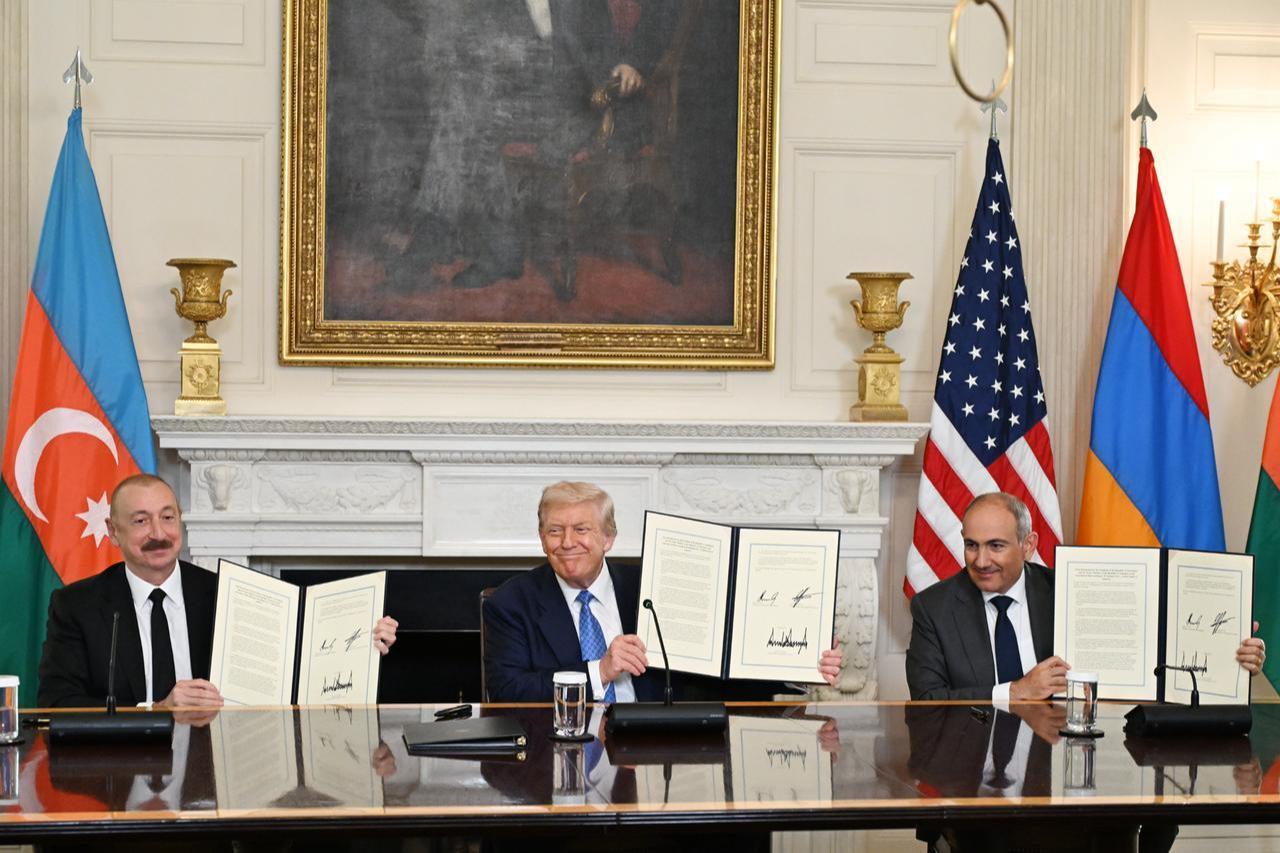

The Armenia-Azerbaijan conflict, centered on the disputed Karabakh region, has been one of the most intractable disputes in the post-Soviet space, resulting in multiple wars and tens of thousands of casualties over more than three decades.
Grigoryan acknowledged the fundamental challenge facing former adversaries. "In all conflicts, sides don't trust each other. But we have been working towards this," he said, adding that the process resembled building a wall of trust "brick by brick."
Both representatives emphasized that initial meetings in Brussels allowed their countries' leaderships to decide to pursue peace despite longstanding disagreements. "The leaderships have been thinking about how to bring peace and stability to the region," Grigoryan said, which led to discussions on how to institutionalize the peace framework.
With what Hajiyev called "real peace on the ground," both nations are now focusing on large-scale economic projects designed to increase interdependency and strengthen the peace agreement through shared prosperity.
The centerpiece of this cooperation is the Trump Route for International Peace and Prosperity, known as TRIPP, which officials say will fundamentally alter the Eurasian continent's transportation infrastructure. Grigoryan described the Washington agreement that produced TRIPP as "the big, beautiful deal" and said implementation discussions with the United States are now intensively underway.
"After that the whole technical process will start and we will work on that direction to unblock the region to open the trip, which is a very huge and very important historical project in our region," Grigoryan told Euronews.
Hajiyev characterized the joint peace process as a "success story, in the global context of conflicts and wars," noting that the transformation would bring economic benefits to both societies through increased regional integration.
Both officials stressed that the peace agreement is designed to endure beyond current political leadership, describing it as irreversible and meant for generations to come. They acknowledged that achieving lasting peace requires sustained effort from both governments and societies after decades of animosity.
"Peace is like a strategic commodity," both representatives agreed, framing the transformation as not merely ending hostilities but creating shared interests that make future conflict less likely.
The joint appearance itself served as a symbol of the progress made. "The proof of that also is that me and Hikmet are sitting together in your studio here in Doha," Grigoryan said.
The officials concluded their interview by emphasizing that the war was over and that both Armenia and Azerbaijan must now focus on building a joint future, with confidence-building measures continuing to develop trust between the two nations.


 Set as preferred source
 Set as preferred source


 1 min read
 1 min read


