Newsletters


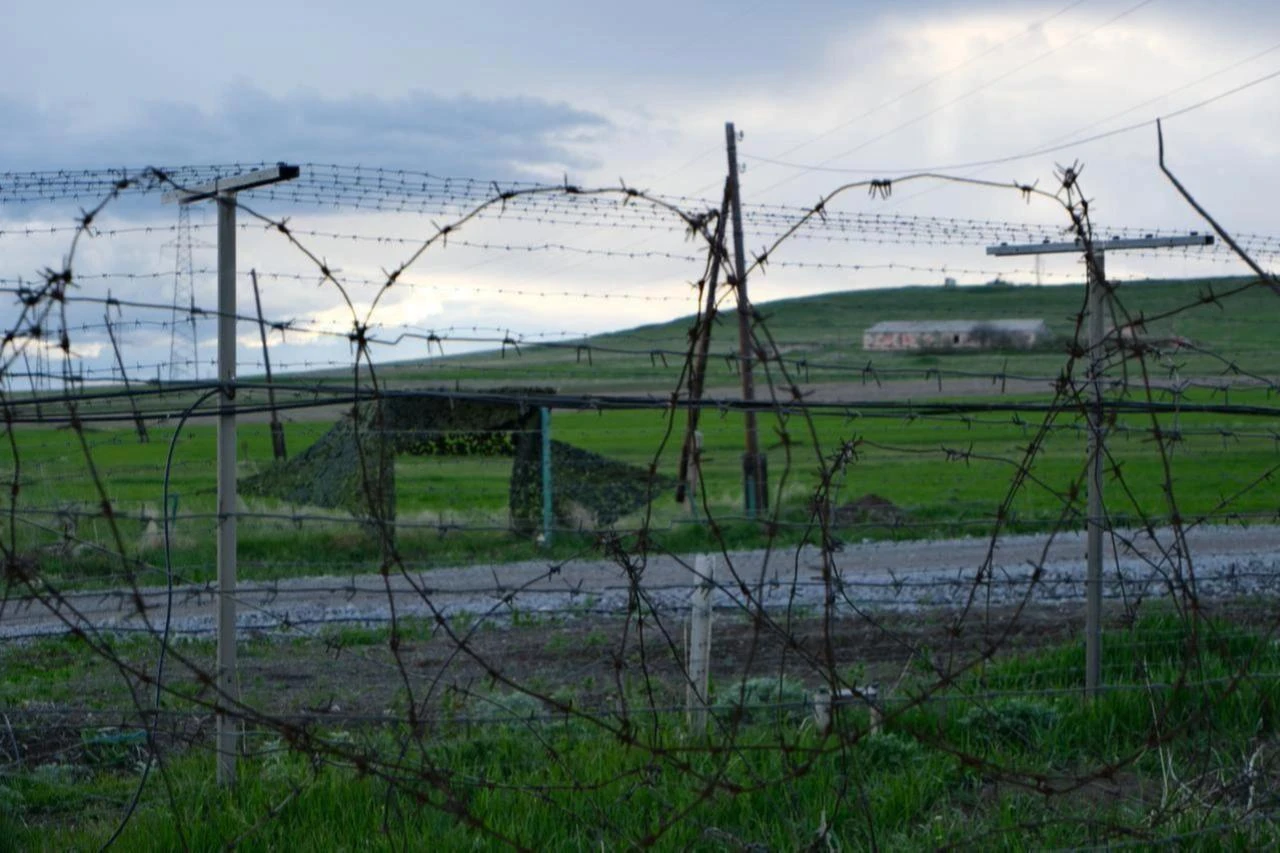


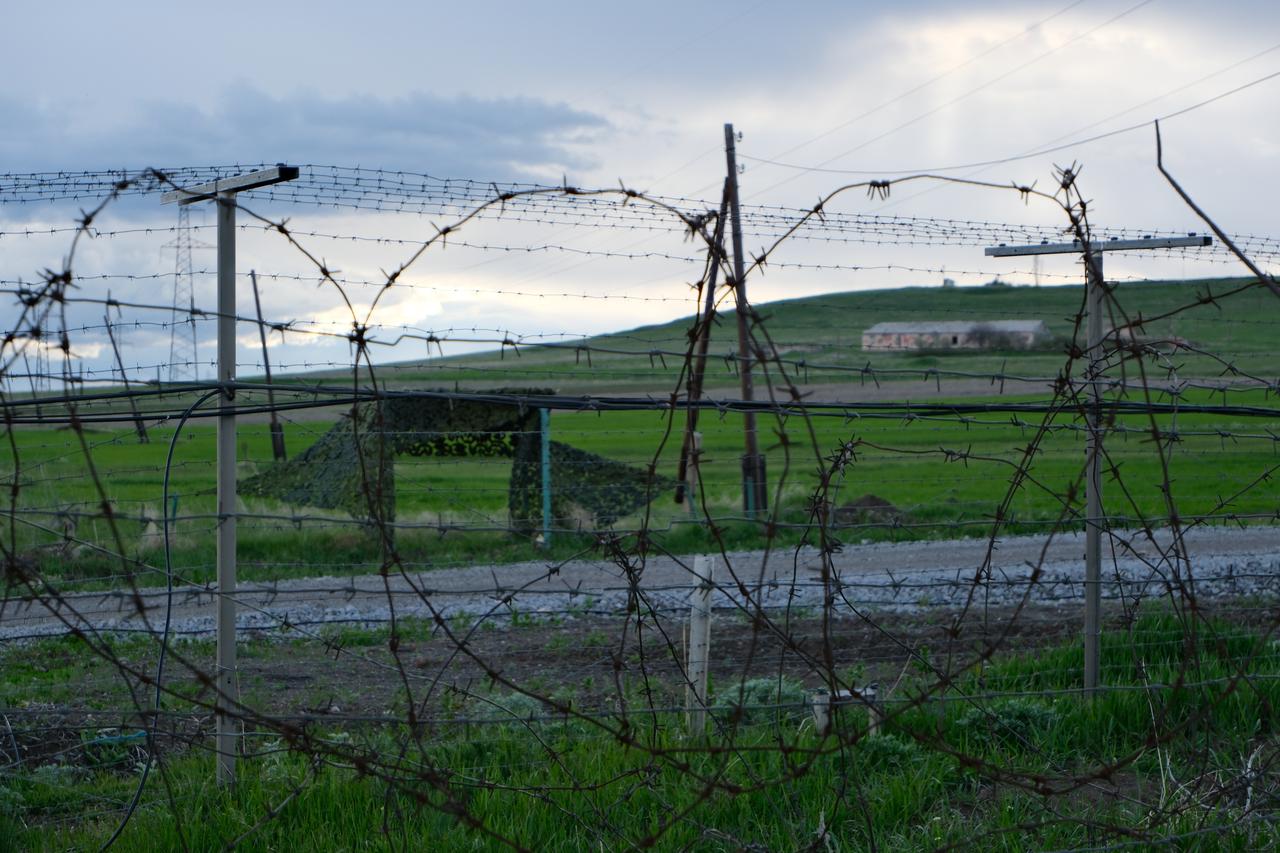
Armenia is ready to open its border with Türkiye to third-country nationals and diplomatic passport holders and is waiting for Ankara to implement the 2022 agreement, Armenian parliament speaker candidate Ruben Rubinyan said.
Rubinyan made the remarks during the opening session of Armenia’s ninth National Assembly while responding to opposition lawmakers who questioned the results of the normalization process and why the border agreement had not yet been implemented, according to Armenpress.
He said the current normalization effort began in December 2021, with the first meeting held in early 2022, and described it as the fourth such process in Armenia’s history.
Rubinyan said several agreements had been implemented, while others were still awaiting completion.
Armenia’s Cabinet previously approved a temporary reopening of the Margara border crossing on June 11 to allow humanitarian aid for Lebanon to transit through Türkiye.
The crossing, which normally remains closed, operated from June 12 through June 22 solely for the delivery of relief supplies, particularly assistance for ethnic Armenians affected by Israeli military operations in Lebanon.
The temporary opening came amid cautious but accelerating efforts toward broader normalization between Armenia and Türkiye.
The two countries launched a formal normalization process in 2022, when their special envoys agreed to open the land border to third-country nationals and diplomatic passport holders.
Armenia later renovated the Margara checkpoint at a cost of about 1 billion drams ($2.76M), while officials from both countries periodically signaled their readiness to move forward.
Rubinyan said Armenia’s border infrastructure had been prepared for a long time and that Türkiye had also recently completed renovation and restoration work on its side.
“We are waiting for the agreement to be implemented,” he said.
Opposition lawmaker Agnesa Khamoyan questioned why the border remained closed despite the agreement announced in 2022.
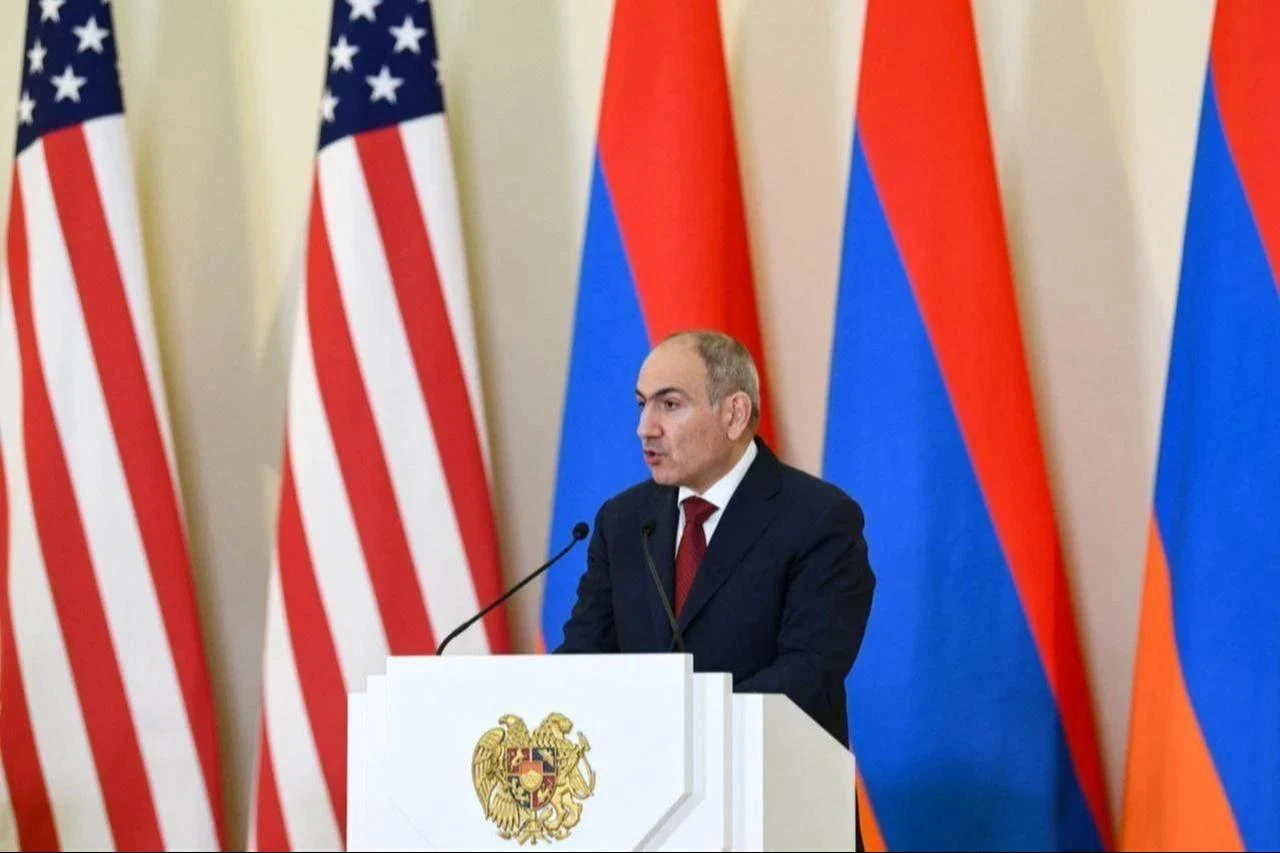

Rubinyan said one implemented agreement was the restoration of direct flights between Yerevan and Istanbul, which had not operated for several years as of 2022.
Turkish Airlines resumed direct Istanbul-Yerevan flights in early 2026, and the number of flights later increased.
The two governments also simplified visa procedures for diplomatic passport holders.
Rubinyan said another agreement established direct air cargo transportation between Armenia and Türkiye.
He also said direct trade had become possible after Türkiye removed a restriction about one or two months earlier.
Previously, goods exported from Armenia to Türkiye or imported from Türkiye into Armenia had to be processed through Georgia for customs purposes and later registered again.
Rubinyan also highlighted the opening of access to the Akhalkalaki-Kars railway for Armenian businesses.
He said restrictions on railway transit for Armenia were first removed through Azerbaijan and later through Türkiye.
The change gives Armenian businesses access to the Turkish market and, through Türkiye, to markets in the European Union and Syria, he said.
Armenia and Türkiye have also agreed to jointly restore the historic Ani bridge.
Rubinyan said Armenia and Türkiye had established a working group to discuss the technical requirements for restoring and reopening the Gyumri-Kars railway.
Both governments had stated at the foreign ministry level that reopening the railway was their objective, he said.
Türkiye had already begun restoration work on its section of the railway extending to the Armenian border, Rubinyan added.
He described the railway project as another important step toward expanding transport and commercial connections between the two countries.
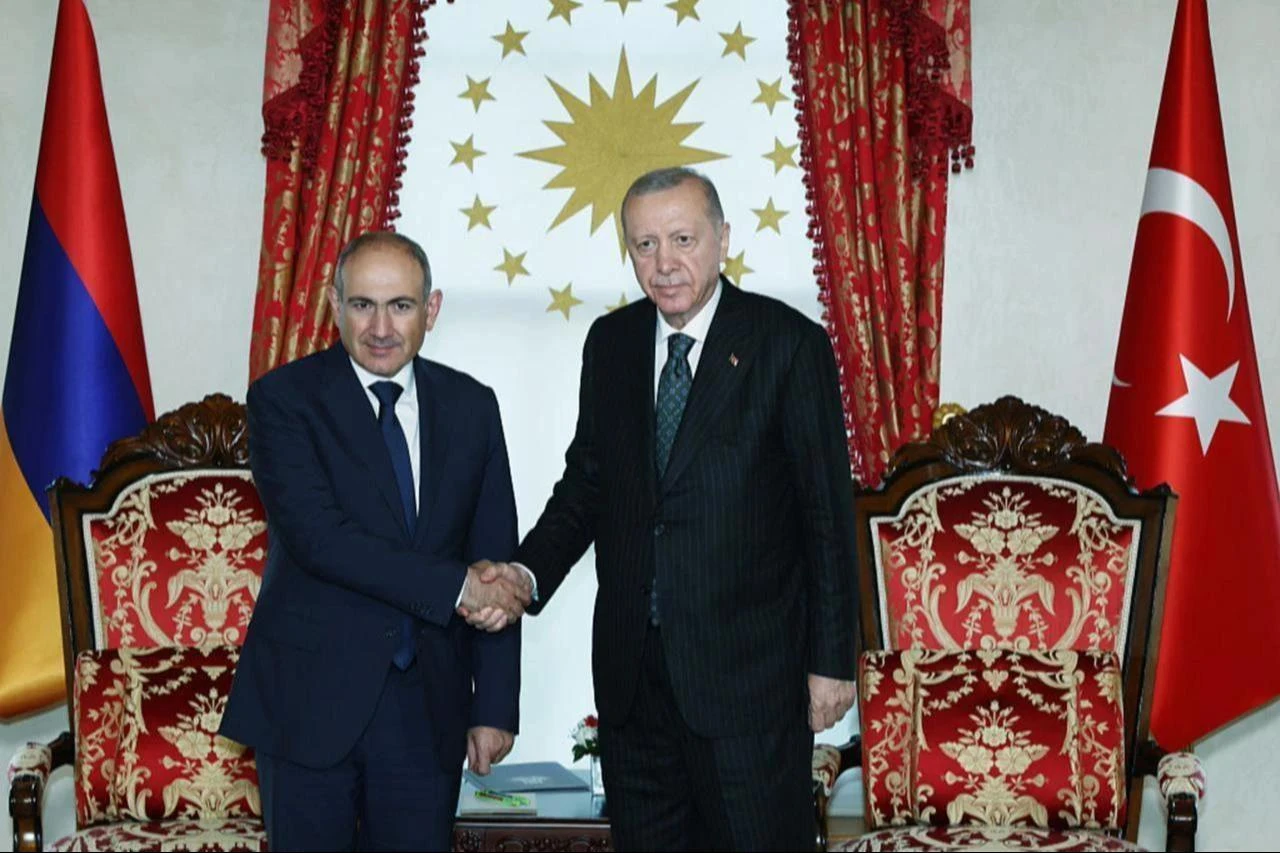
Responding to opposition lawmaker Gegham Manukyan, Rubinyan acknowledged that statements from Türkiye had linked normalization with Armenia to other regional developments.
Manukyan argued that Türkiye had continued to connect its Armenia policy to the normalization of Armenia-Azerbaijan relations, despite the talks initially being presented as a process without preconditions.
Rubinyan said the Armenia-Azerbaijan process was currently further advanced than Armenia-Türkiye normalization.
He noted that Azerbaijan removed restrictions on railway transit from Armenia before Türkiye did, although Ankara later took the same step.
Rubinyan also said direct trade now existed between Armenia and Azerbaijan, referring to petroleum products.
He said it was time for Türkiye to take more active steps in the normalization process.
“I cannot point to any reason why Armenia and Türkiye should not have diplomatic relations tomorrow and why the Armenia-Türkiye border should not be open tomorrow,” Rubinyan said.
He acknowledged that the process had not progressed as quickly as Armenia wanted and said he would have preferred it to have been completed years earlier.
A full border reopening has not yet occurred, with progress remaining linked in part to relations between Armenia and Azerbaijan.
Rubinyan described Armenia-Türkiye normalization as a difficult process that successive Armenian governments had attempted to complete since the early years of independence.
He said he remained confident that full normalization was a matter of time and was now very close.


 Set as preferred source
 Set as preferred source


 3 min read

 1 min read