Newsletters


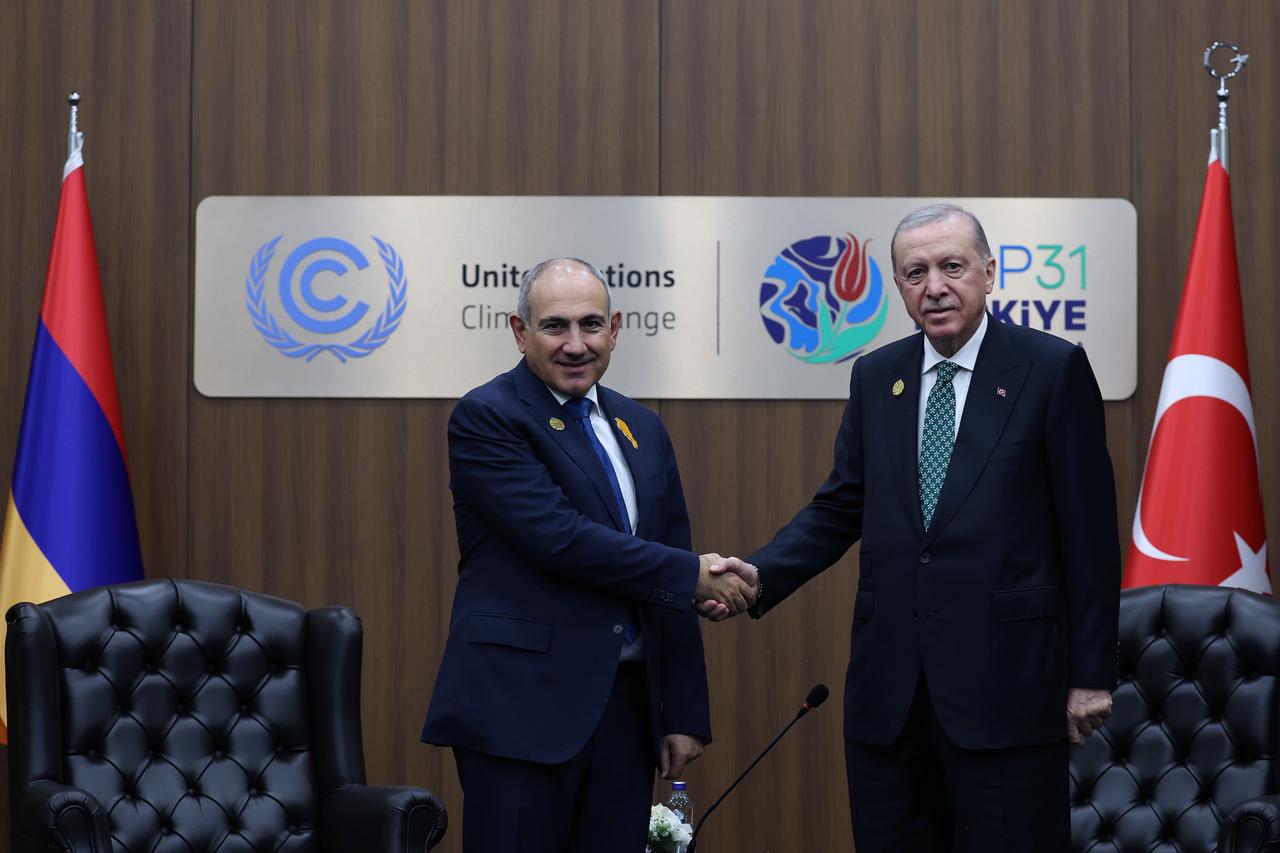


Armenian Prime Minister Nikol Pashinyan said Armenia and Türkiye were close to establishing diplomatic relations and fully reopening their shared border, signaling progress in efforts to normalize ties between the two neighbors, Russian state news agency TASS reported Saturday.
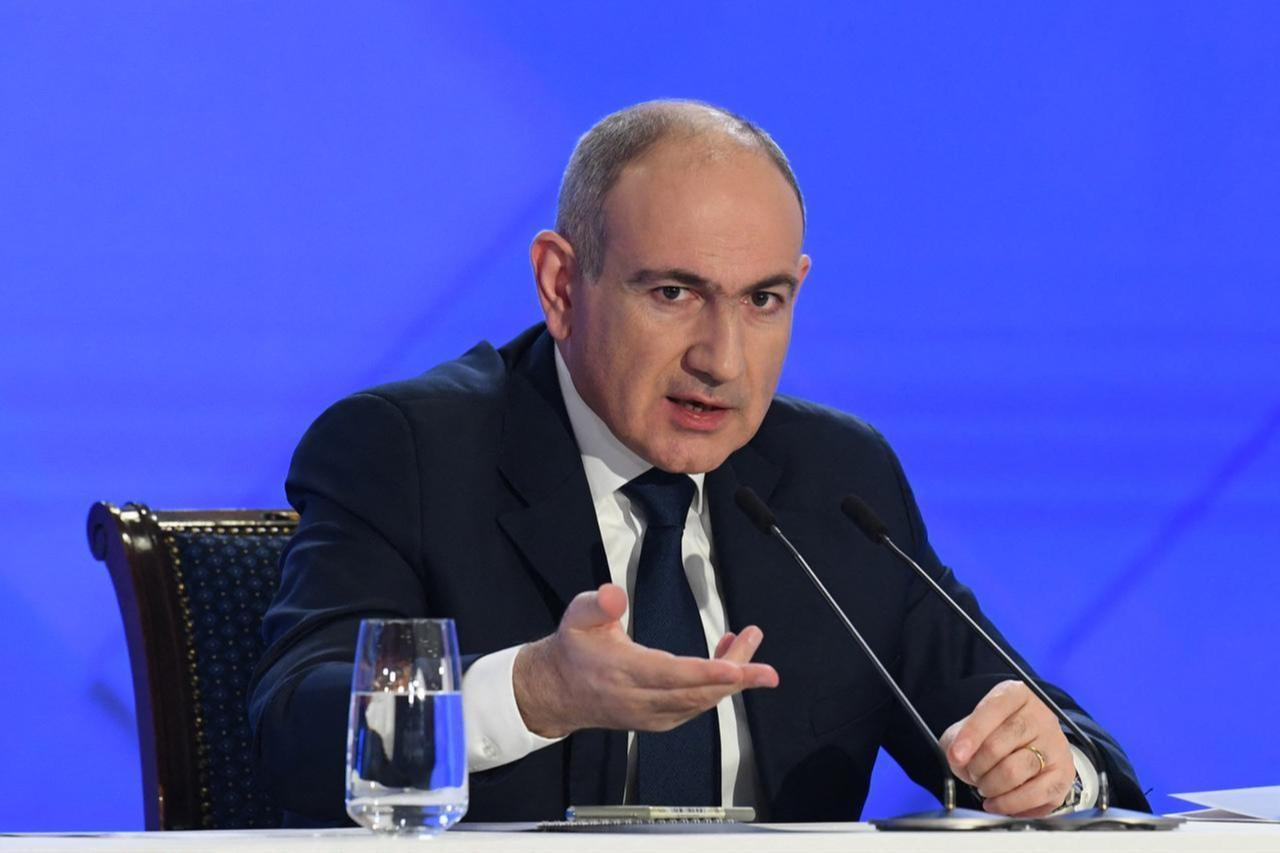
Speaking at the Institute of International and European Affairs in Dublin, Pashinyan said relations between the two countries had changed significantly in recent years and voiced confidence that full normalization could be achieved soon.
"We are very close to the final step," Pashinyan said, referring to the establishment of formal diplomatic ties and the complete reopening of the land border.
He highlighted growing bilateral trade, saying Türkiye had opened routes for Armenian exports and imports, although goods currently pass through Georgia rather than directly across the Turkish-Armenian border.
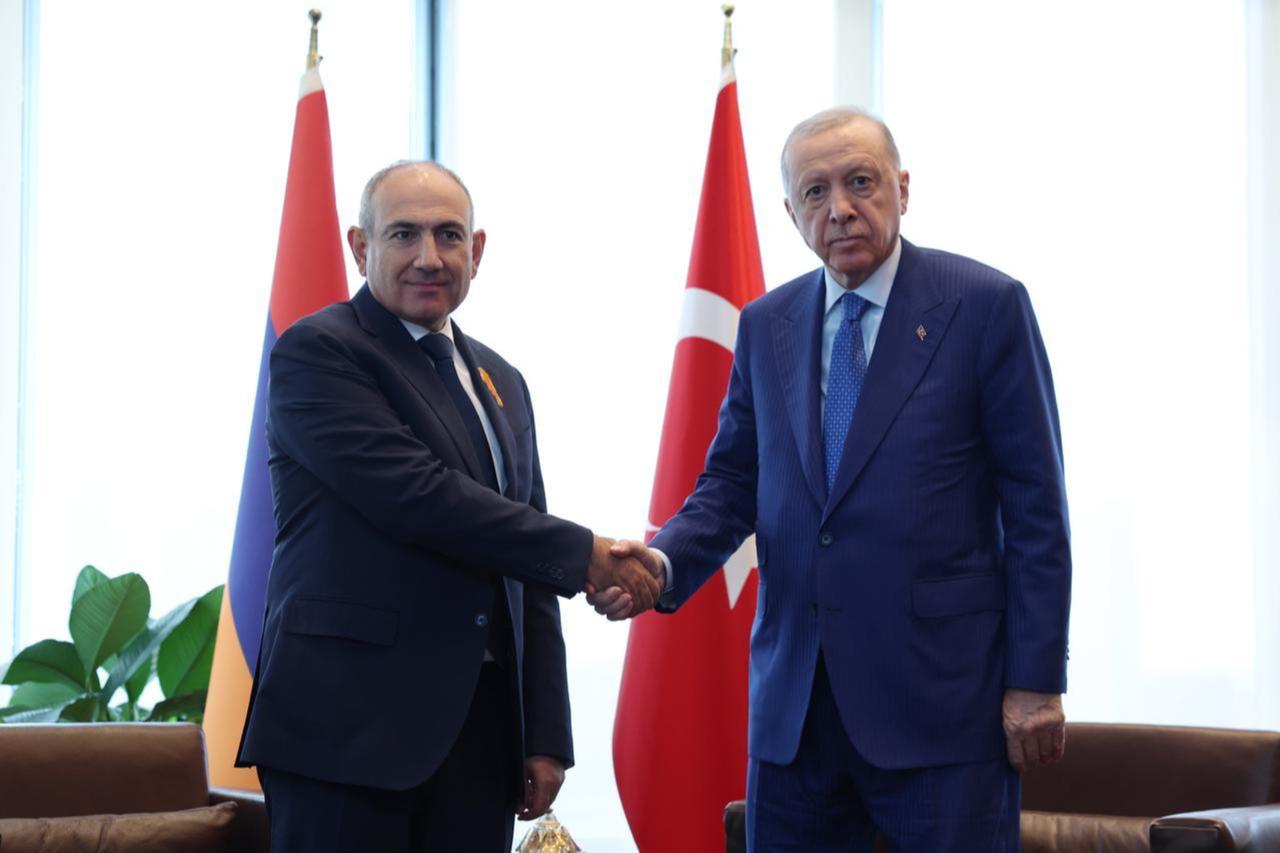
Pashinyan also pointed to his meeting with Turkish President Recep Tayyip Erdogan earlier this week as an indication of further progress.
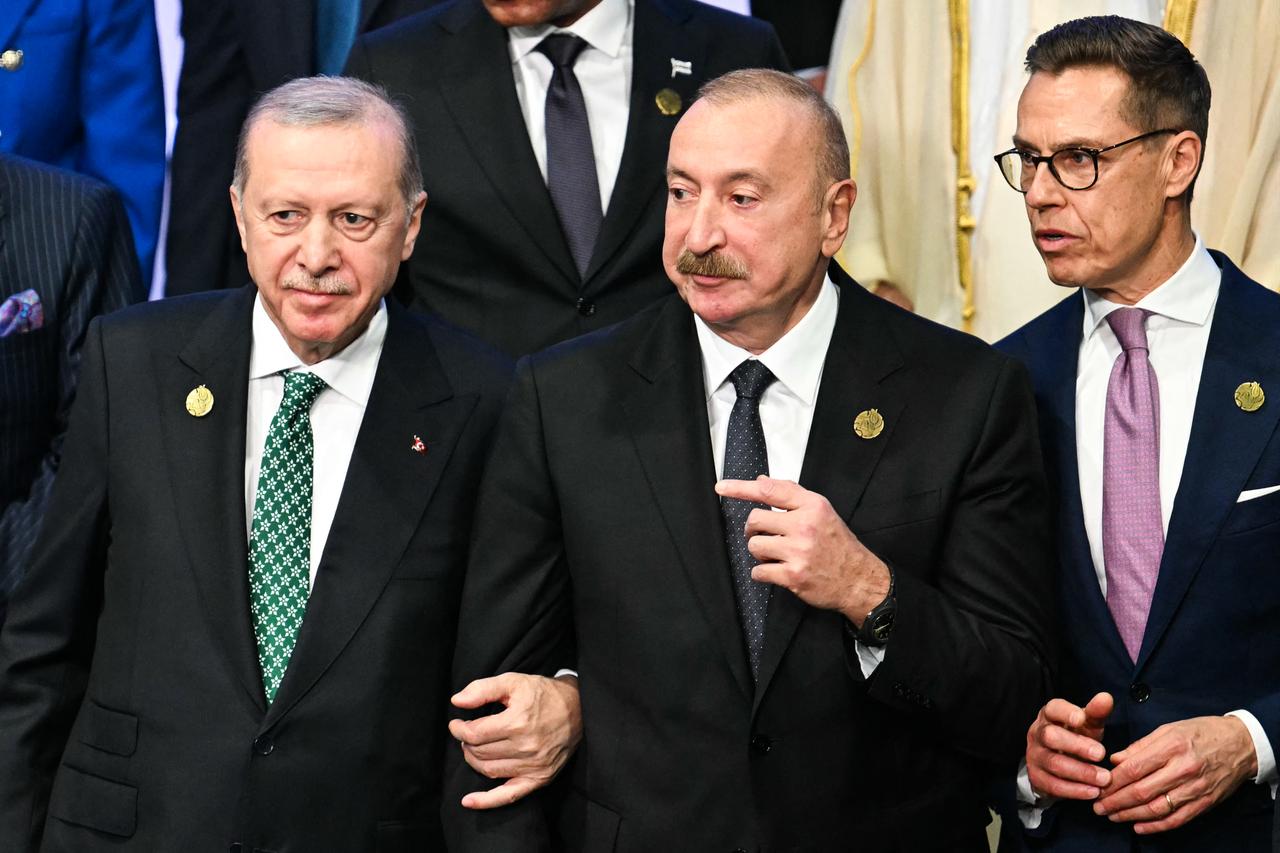

Erdogan and Pashinyan met Nov. 11 on the sidelines of the COP31 U.N. Climate Change Conference in Antalya, Türkiye.
According to an official Armenian statement, the leaders discussed the normalization process and emphasized the importance of advancing it toward its "logical conclusion."
They also reviewed previously reached agreements and discussed opportunities to expand bilateral trade and economic relations.
Pashinyan subsequently described the meeting as "very positive" and stressed the need to repair and reopen the railway connection between the two countries.
Türkiye and Armenia currently have no formal diplomatic relations, while their land border has remained closed since 1993.
The two countries launched their latest normalization process in late 2021, appointing special representatives to conduct negotiations.
They subsequently agreed in principle to reopen their land border to third-country nationals and diplomatic passport holders, although the agreement has yet to be fully implemented.
During a meeting at the Margara border crossing in September 2025, the special representatives reaffirmed their commitment to implementing previous agreements.
An earlier normalization initiative resulted in the signing of protocols in Zurich in 2009, outlining steps toward establishing diplomatic relations and reopening the border.
However, the protocols were never ratified, and Armenia formally annulled them in 2018.
The latest Erdogan-Pashinyan meeting also addressed regional transport connectivity and steps toward implementing the Trump Route for International Peace and Prosperity (TRIPP) project, according to the Armenian prime minister's office.
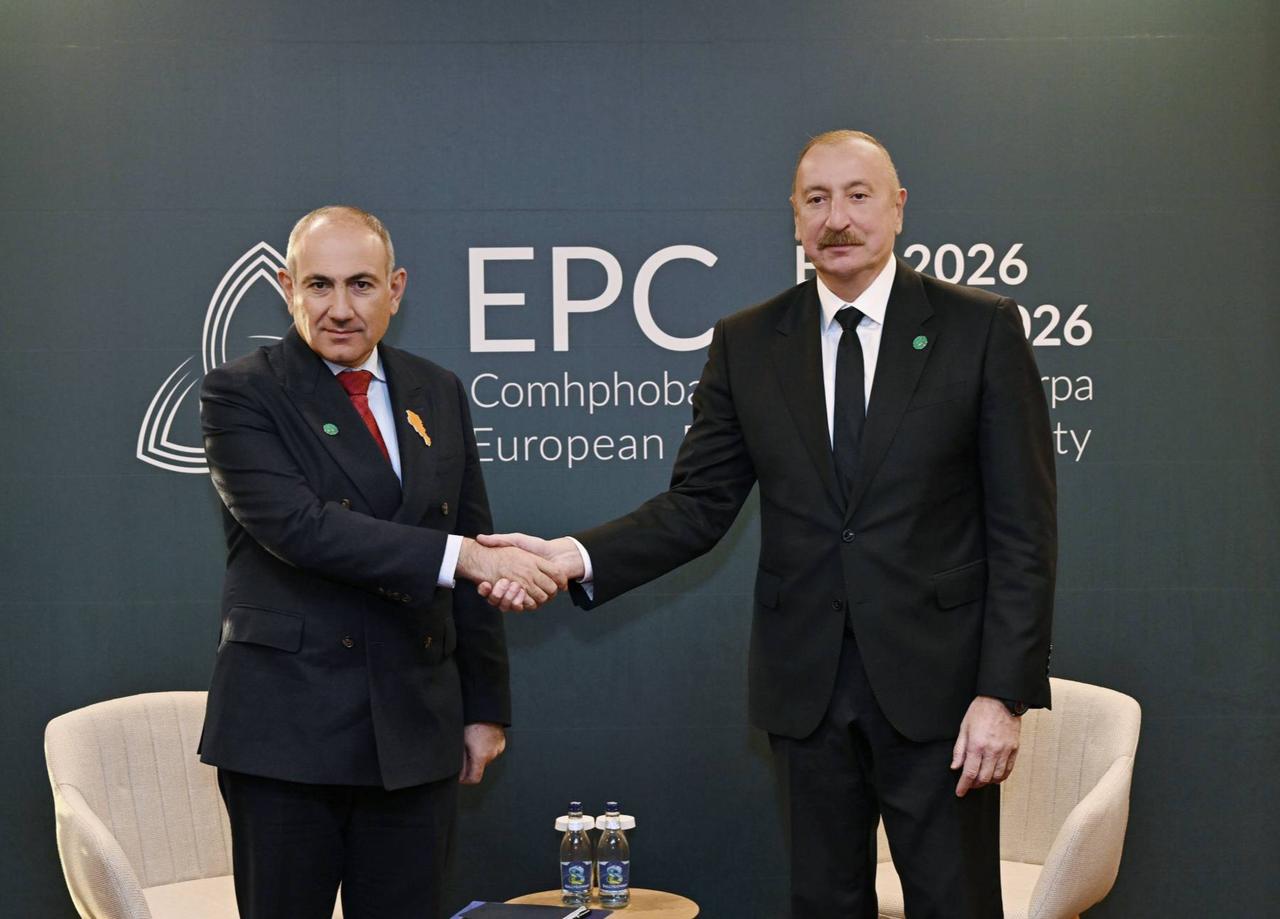
Separately, Pashinyan met Azerbaijani President Ilham Aliyev on the sidelines of the European Political Community summit in Dublin to discuss further steps toward consolidating peace between their countries.
In statements following the meeting, the Azerbaijani presidency and Armenian prime minister's office said the discussions built on the August 2025 peace summit, where Baku and Yerevan signed a joint declaration and initialed a peace agreement.
“The discussions focused on practical steps towards further consolidating peace between the two countries,” the statement said, citing the "development of transport and transit connectivity, economic and trade relations, border delimitation, and the implementation of confidence-building measures."
The two leaders reviewed progress on the TRIPP project, including plans for its railway and highway components and opportunities to expand regional transit connections.
They also welcomed the movement of goods to and from Armenia through Azerbaijani territory as a “positive development.”
According to the statement, approximately 105,000 metric tons of cargo have been transported to Armenia through Azerbaijan since November 2025.
“The sides also exchanged views on opportunities for further developing economic and trade relations between Azerbaijan and Armenia, including the forthcoming interconnection of electricity grids,” the statement said.
The leaders also welcomed the establishment of working groups on transboundary river management and emphasized cooperation on shared water resources and environmental issues.
“The leaders reaffirmed the importance of maintaining positive momentum in the peace process and continuing dialogue aimed at strengthening peace, stability, and prosperity in the region,” the statement added.


 Set as preferred source
 Set as preferred source


 1 min read
 1 min read