Newsletters




Armenian Prime Minister Nikol Pashinyan said Wednesday that the Trump Route for International Peace and Prosperity (TRIPP) would fundamentally reshape the regional security environment and help establish lasting peace in the South Caucasus.
Pashinyan made the remarks while speaking at the forum “Armenia and Peace: At the Crossroads of Risks and Opportunities,” organized in Yerevan by the Armenian Institute of International Affairs and Security.
Linking Armenia’s current stability to decisions taken by his government in late 2022, Pashinyan said the country has never experienced such a secure environment.
“As of Jan. 14, 2026, Armenia has never found itself in such a stable environment free of threat elements,” he said, adding that the TRIPP implementation framework announced in Washington a day earlier had “completely changed the environment.”
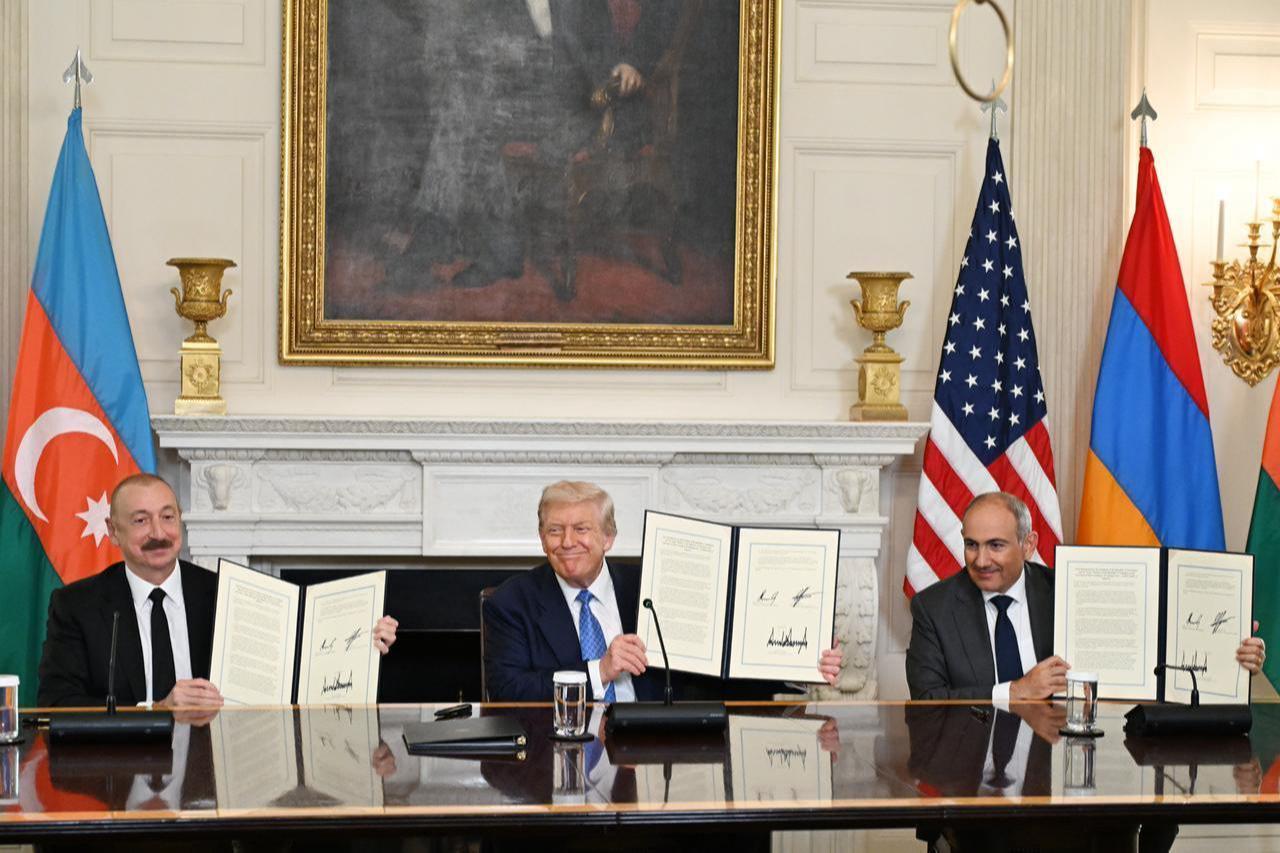

Pashinyan highlighted the role of United States President Donald Trump in advancing the project, noting that the agreement reached at the White House in August 2025 had been made possible by Trump’s personal involvement.
He said outstanding questions surrounding the corridor had now been resolved, describing the framework as fully aligned with Armenia’s interests while also satisfying the U.S. and Azerbaijan.
“This gives a green light for the establishment of long-term and stable peace in the region,” Pashinyan said, adding that major investments are expected to flow into Armenia and neighboring countries.
He also said Yerevan is keen to discuss potential European Union participation in TRIPP-related projects.
Pashinyan reiterated his government’s goal of making Armenia a full EU member, saying reforms are underway to align the country with EU standards.
He said cooperation with Brussels continues on modernizing border crossings, including the construction of a new customs control point on the Armenia-Iran border.
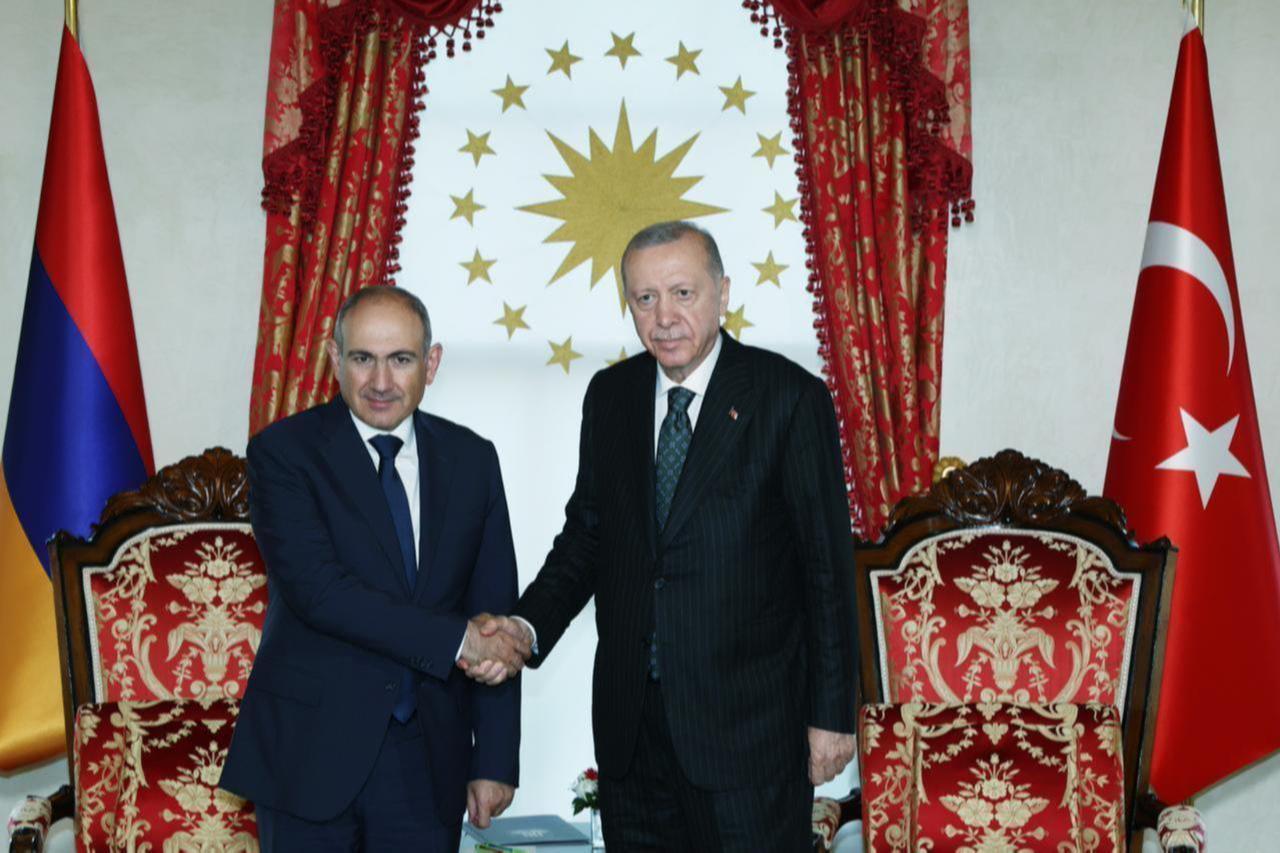
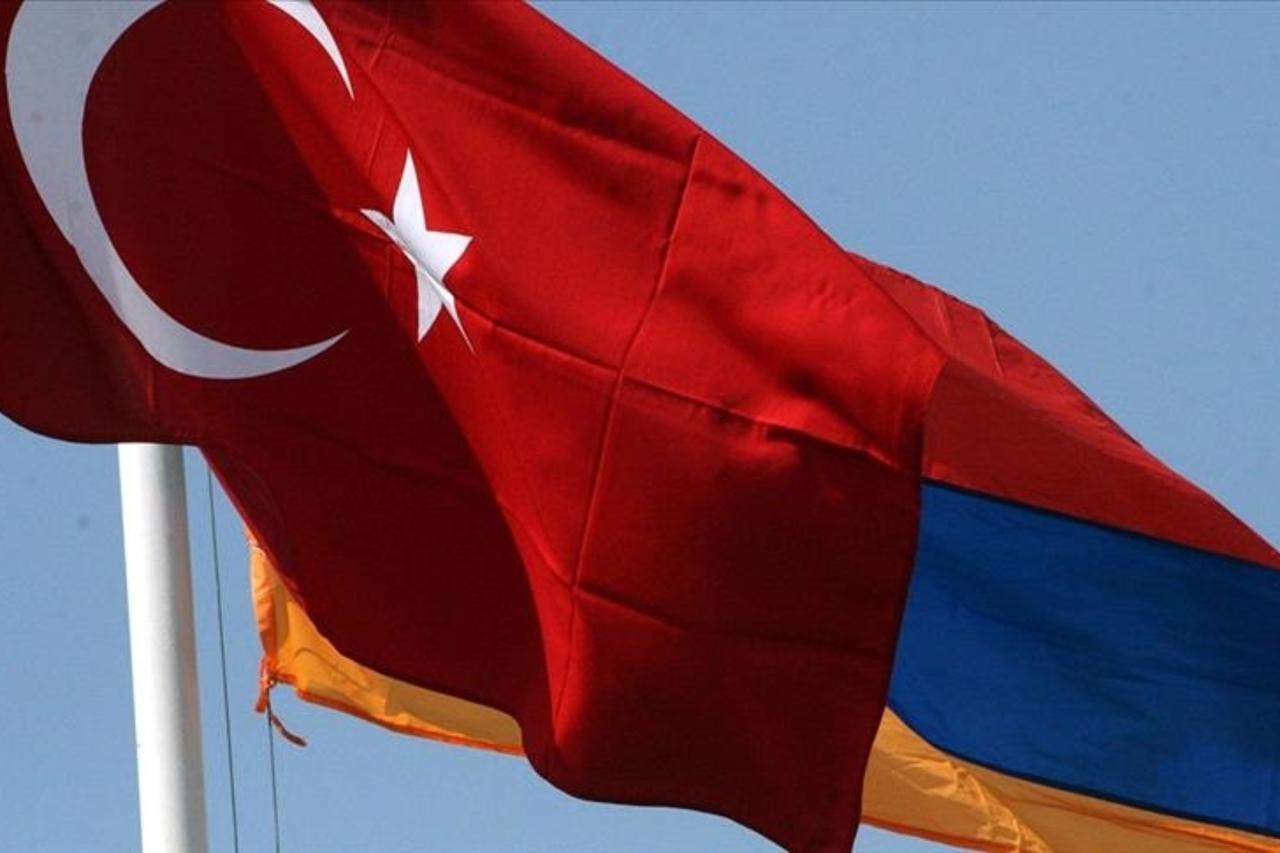
Turning to relations with Türkiye, Pashinyan said he expects positive developments following progress on TRIPP.
“Now, logically, there should be progress in the Armenia–Türkiye track,” he said, adding that political agreements should be reflected on the ground.
He cited planned infrastructure projects, including border terminals at Alican–Margara and Akyaka–Akhurik, as well as the modernization of Soviet-era electricity transmission lines.
Pashinyan described TRIPP as a milestone toward institutionalizing peace with Azerbaijan, noting that bilateral trade contacts had emerged earlier than expected.
Meanwhile, Marco Rubio and Ararat Mirzoyan on Wednesday published the TRIPP Implementation Framework following talks in Washington.
The joint statement said the project would establish uninterrupted transit connections across Armenian territory, linking mainland Azerbaijan with its Nakhchivan Autonomous Republic while strengthening Armenia’s role in regional connectivity.
Under the framework, 74% of the TRIPP Development Company will be owned by the United States, with Armenia holding a 26% stake. Armenia will retain full sovereignty over all project areas.
Mirzoyan said Türkiye is not formally part of TRIPP but described Ankara’s involvement as “logical” for regional connectivity, particularly through the reopening of the Gyumri–Kars rail line.
“Türkiye’s involvement in the opening and regional development process is logical, but that does not mean it is part of TRIPP,” he said.
Mirzoyan also noted that Russia would not be included in TRIPP but said Yerevan does not aim to exclude Moscow from broader regional cooperation.
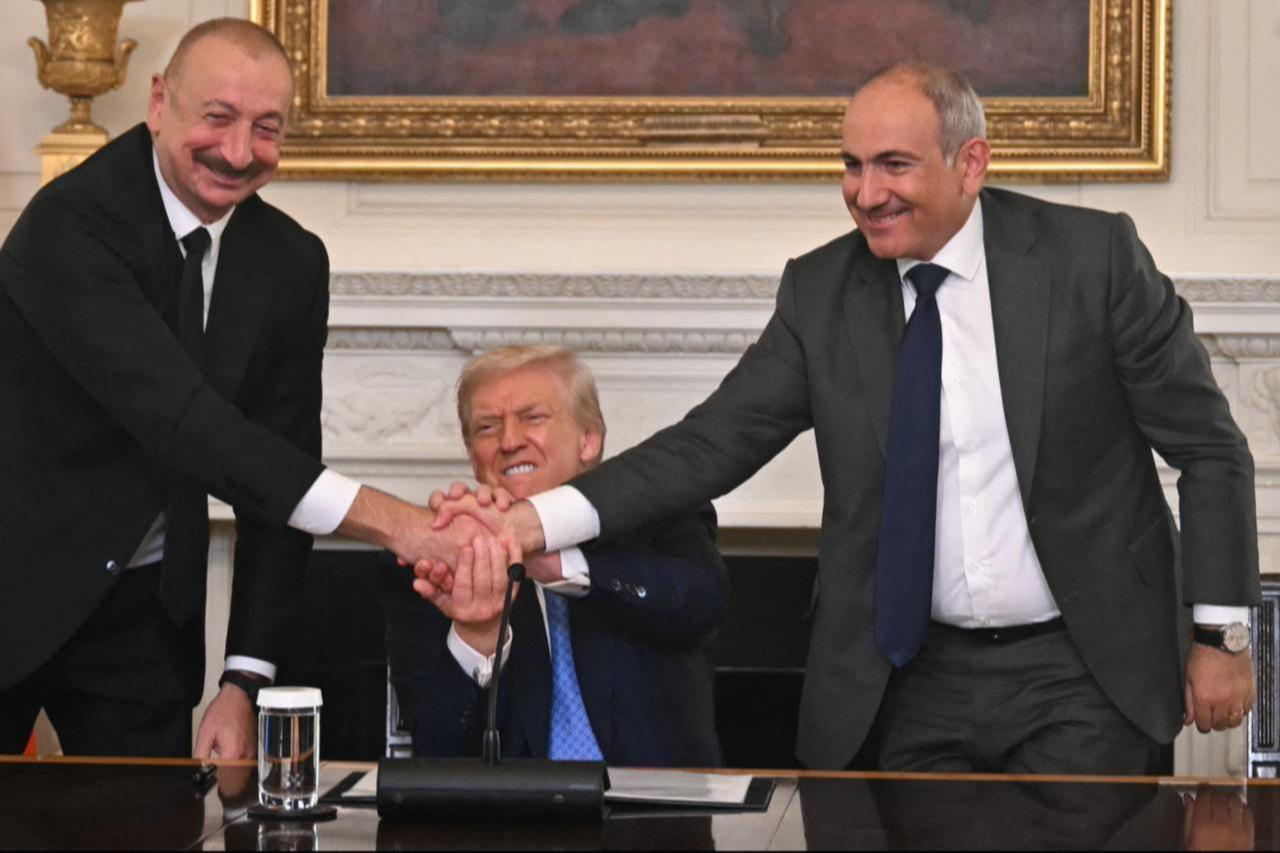
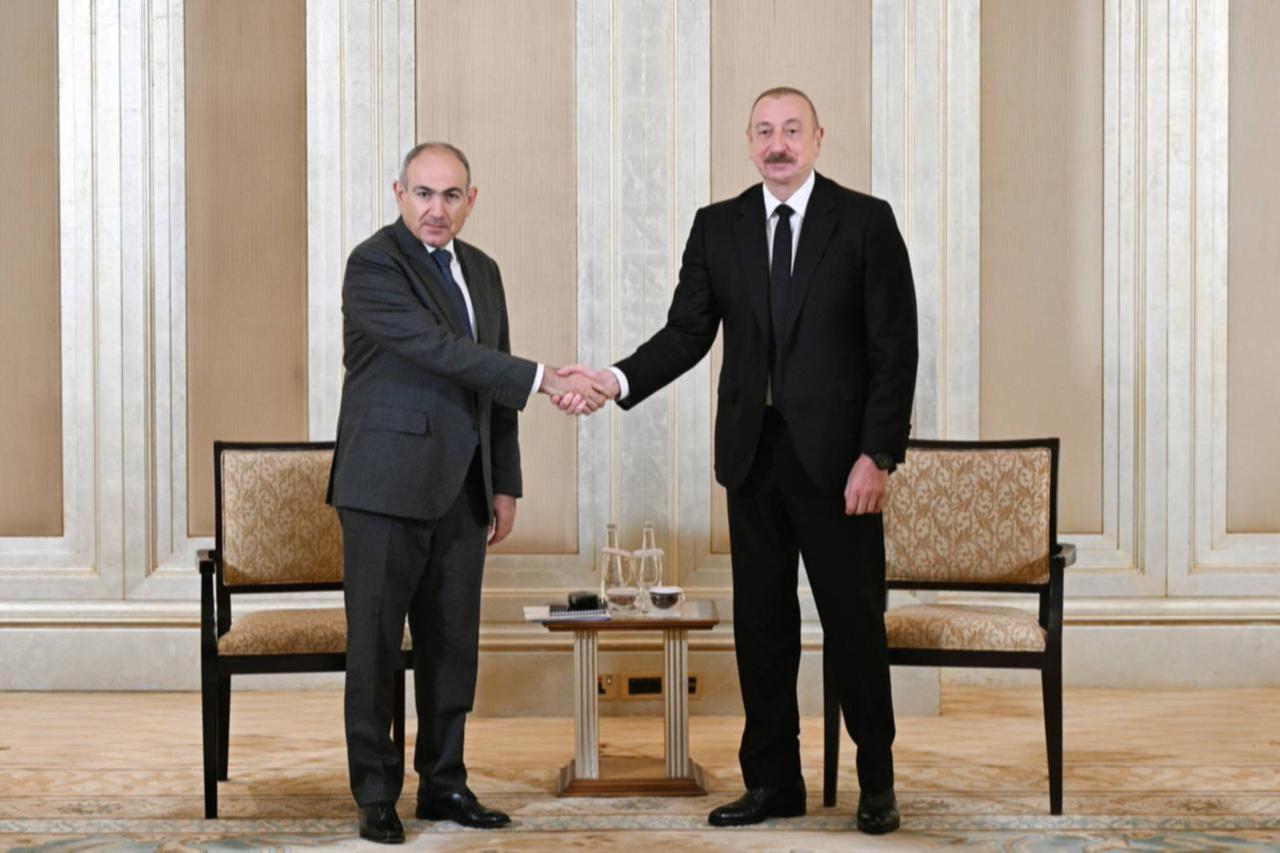
The TRIPP initiative was agreed upon at a White House summit on Aug. 8, 2025, involving Pashinyan, Ilham Aliyev, and Trump, to reopen regional transport links and expand trade routes between Central Asia, the Caspian region and Europe.


 Set as preferred source
 Set as preferred source


 2 min read
 1 min read