

 Newsletters


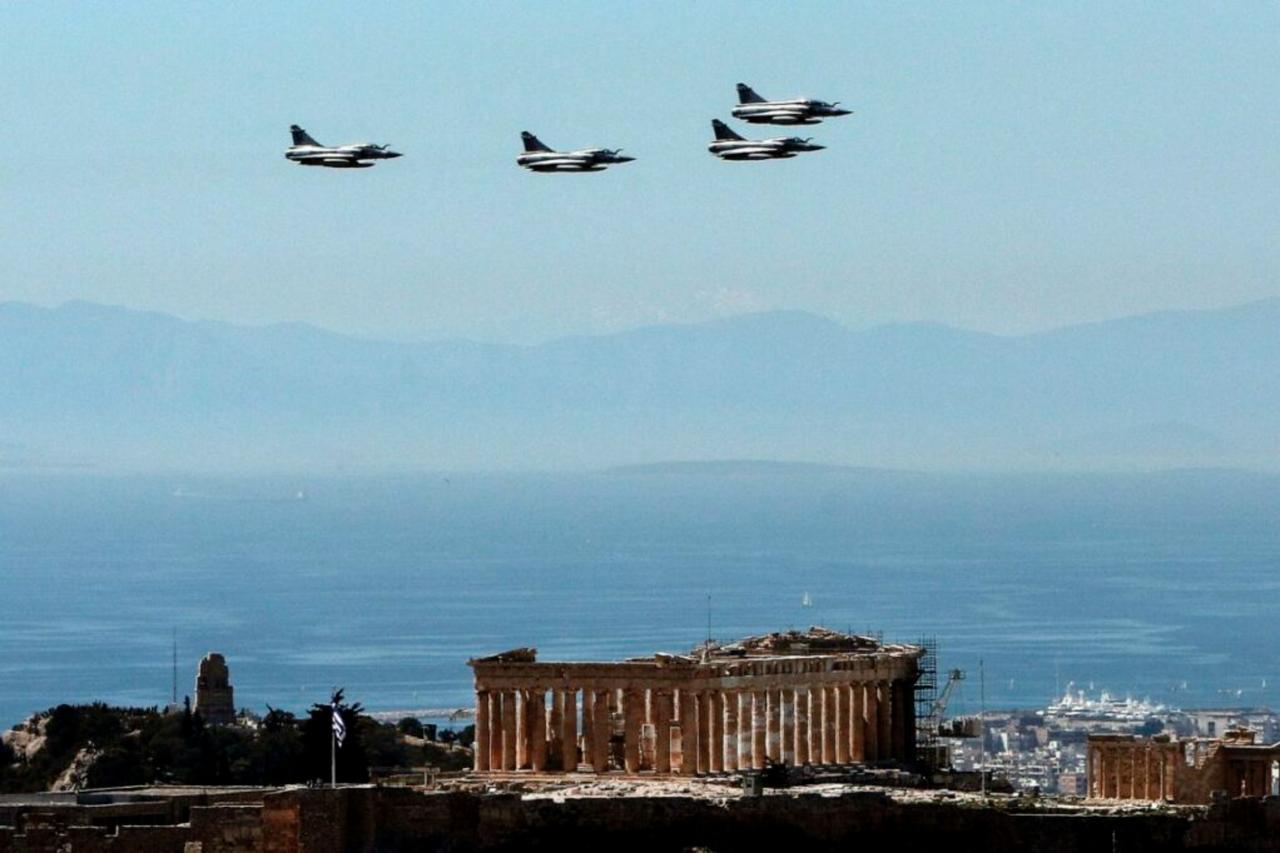


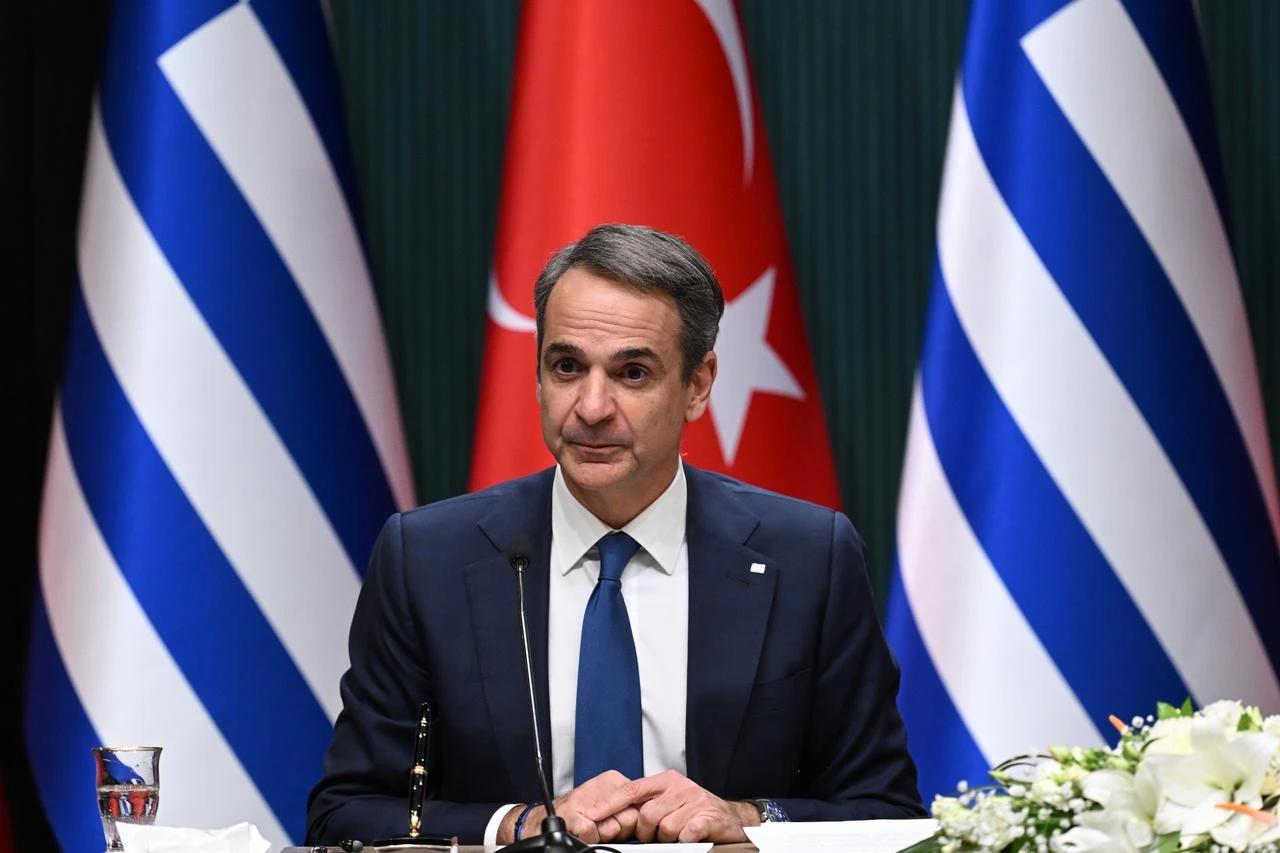
Greek Prime Minister Kyriakos Mitsotakis said Sunday that Greece's air power upgrades, including its F-16 modernization, Rafale acquisition and incoming F-35s, give Athens a significant military advantage that "we could never simply leave unused," speaking at a press conference on the sidelines of the 90th Thessaloniki International Fair.
Mitsotakis also reaffirmed that Greece retains what he called an "inalienable right" to extend its territorial waters to 12 nautical miles "whenever it judges the timing appropriate," while addressing recent tensions with Türkiye over maritime parks and Ankara's "Blue Homeland" doctrine.
"Today, Greece has managed to upgrade its F-16s, acquire Rafales, and is now receiving F-35s. This gives us a very significant advantage. I would even dare to call it superiority. And this is an advantage that we could never simply leave unused," Mitsotakis said.
Mitsotakis said Greece is one of five NATO countries that have already reached the target of spending 3.5% of GDP on defense, saying this reflects both consistency and the current security environment, which he said requires Greece to remain shielded and capable of projecting a strong deterrent force.
He said prioritizing national defense and security is part of what he described as an understanding with Greek society, expressing pride that the defense gap created during Greece's economic crisis years has largely been closed, citing the Navy's acquisition of new ships after three decades without them.
"The shift in philosophy toward smaller, cheaper systems that are constantly evolving is a reality, and Greece is adapting to this reality," Mitsotakis said, closing by describing Greece as "a peaceful country" whose top priority is its own defense.
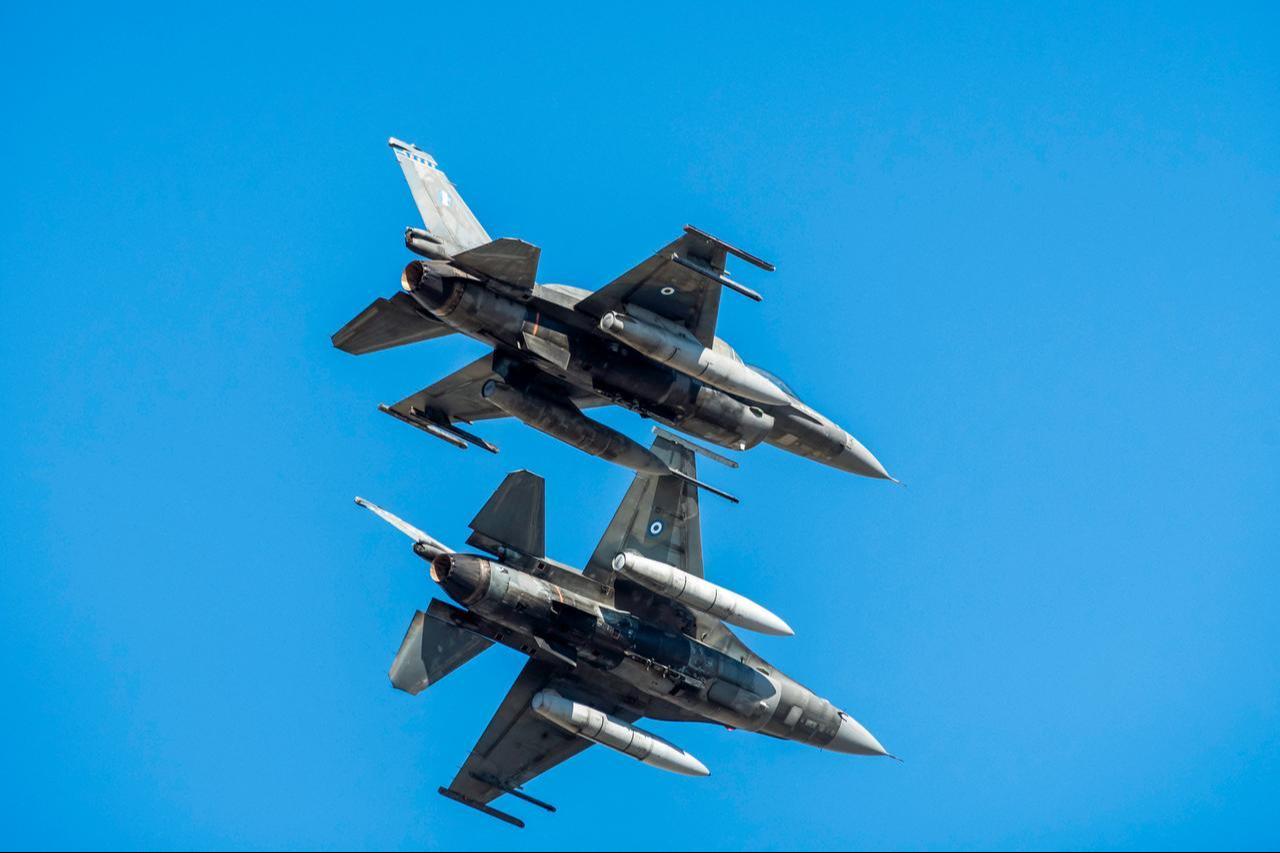
Greece is upgrading a significant portion of its existing F-16 fleet to the F-16V Viper standard through cooperation between Lockheed Martin and the Hellenic Aerospace Industry (HAI), incorporating an AN/APG-83 AESA radar, an advanced mission computer, new avionics and data-link infrastructure.
As of Sept. 5, 2026, Greece had received 59 F-16Vs under the program, with Lockheed Martin saying the delivery of the 59th aircraft would enhance Greece's contribution to NATO's air power.
Greece's program plans to upgrade a total of 84 F-16s to the Viper standard.
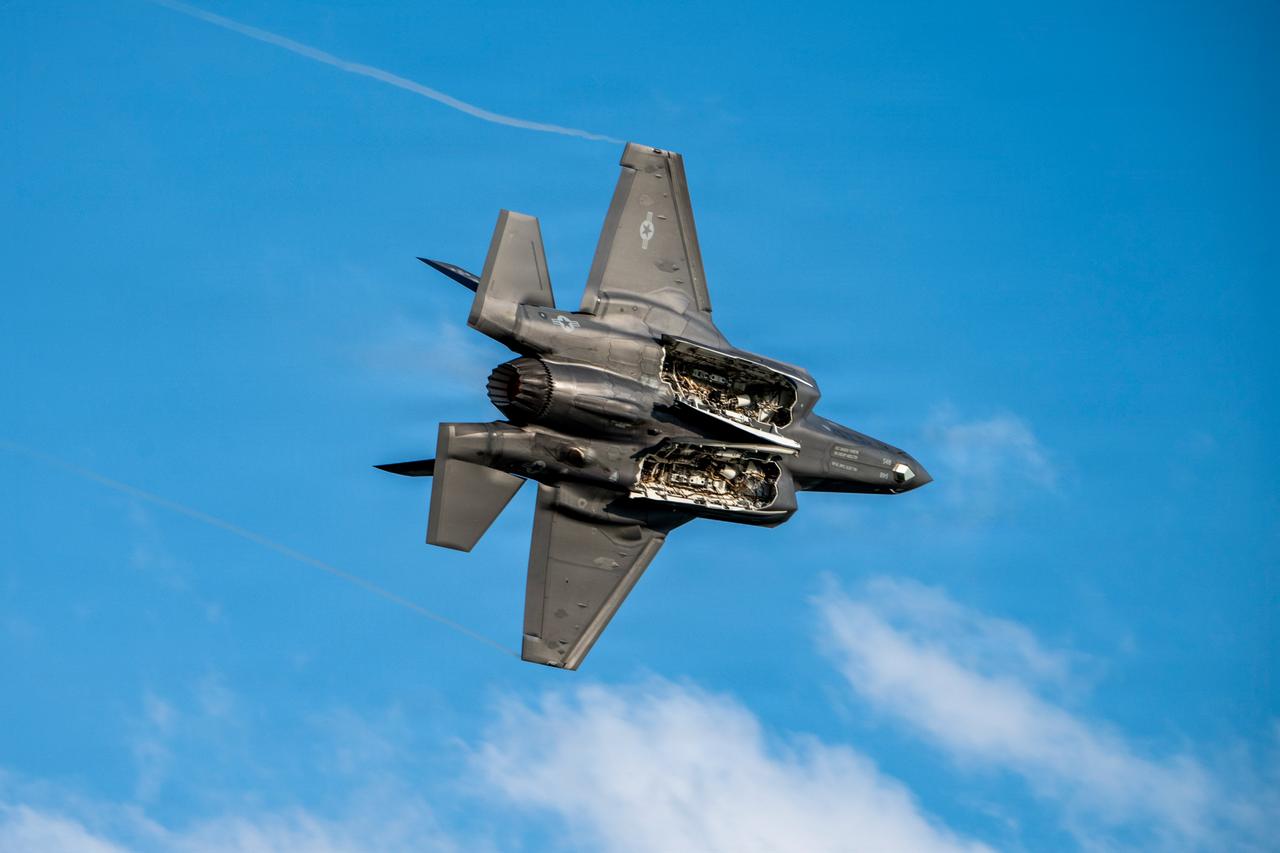
Greece has also acquired 24 French-made Dassault Rafale F3R fighter jets, along with the Meteor ramjet-propelled air-to-air missile, and signed a contract in 2024 for 20 F-35A fighters from the United States, with an option for 20 more.
Greece's first F-35s are expected to be delivered toward the end of 2028, and Mitsotakis said Greek pilot training for the F-35 would begin ahead of the aircraft's arrival in the coming years.

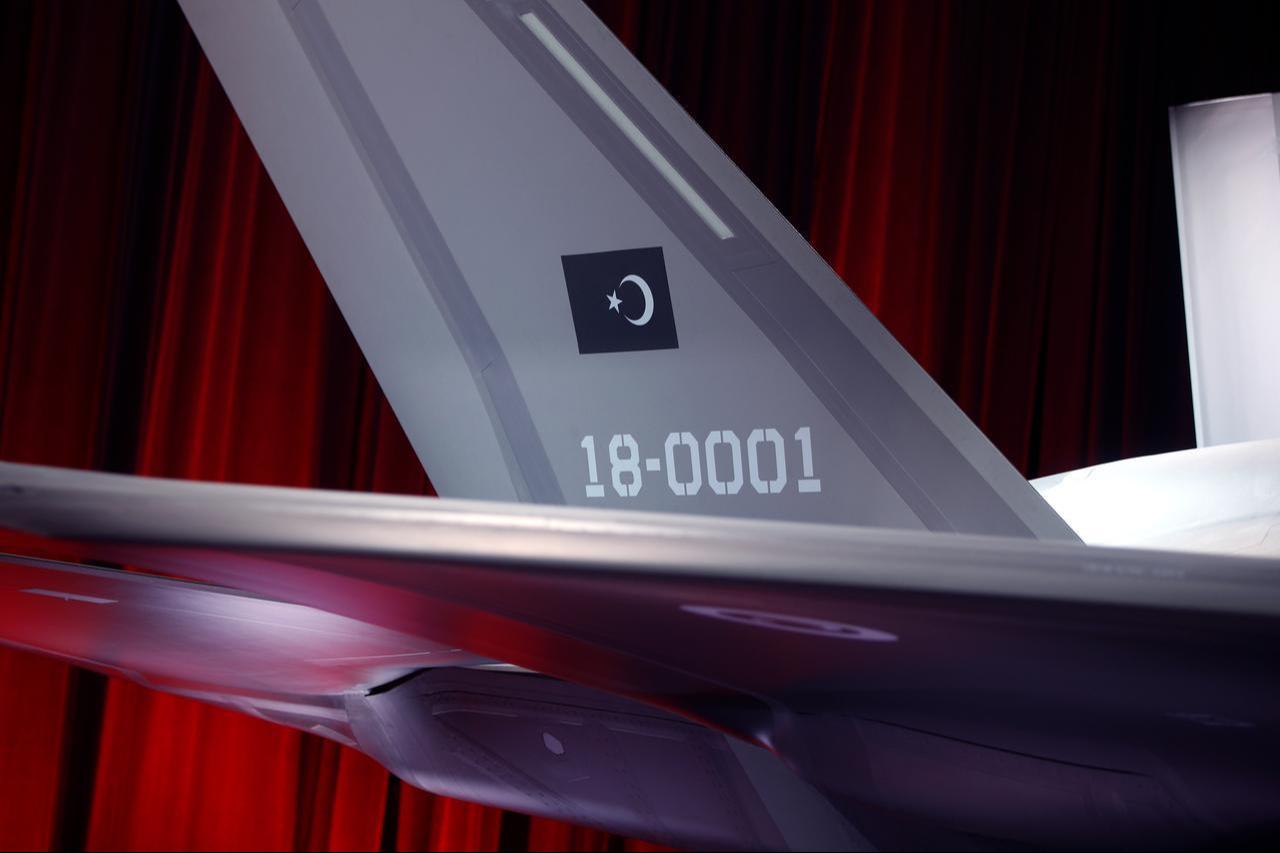
Asked whether Ankara could overcome obstacles to acquiring American F-35 fighter jets, Mitsotakis said Athens has no role in advising Washington on its arms sales.
"It is not our job to tell the U.S. where they will sell their defense systems. However, there currently are indeed major legal obstacles that I don't see how Ankara would overcome," he said.
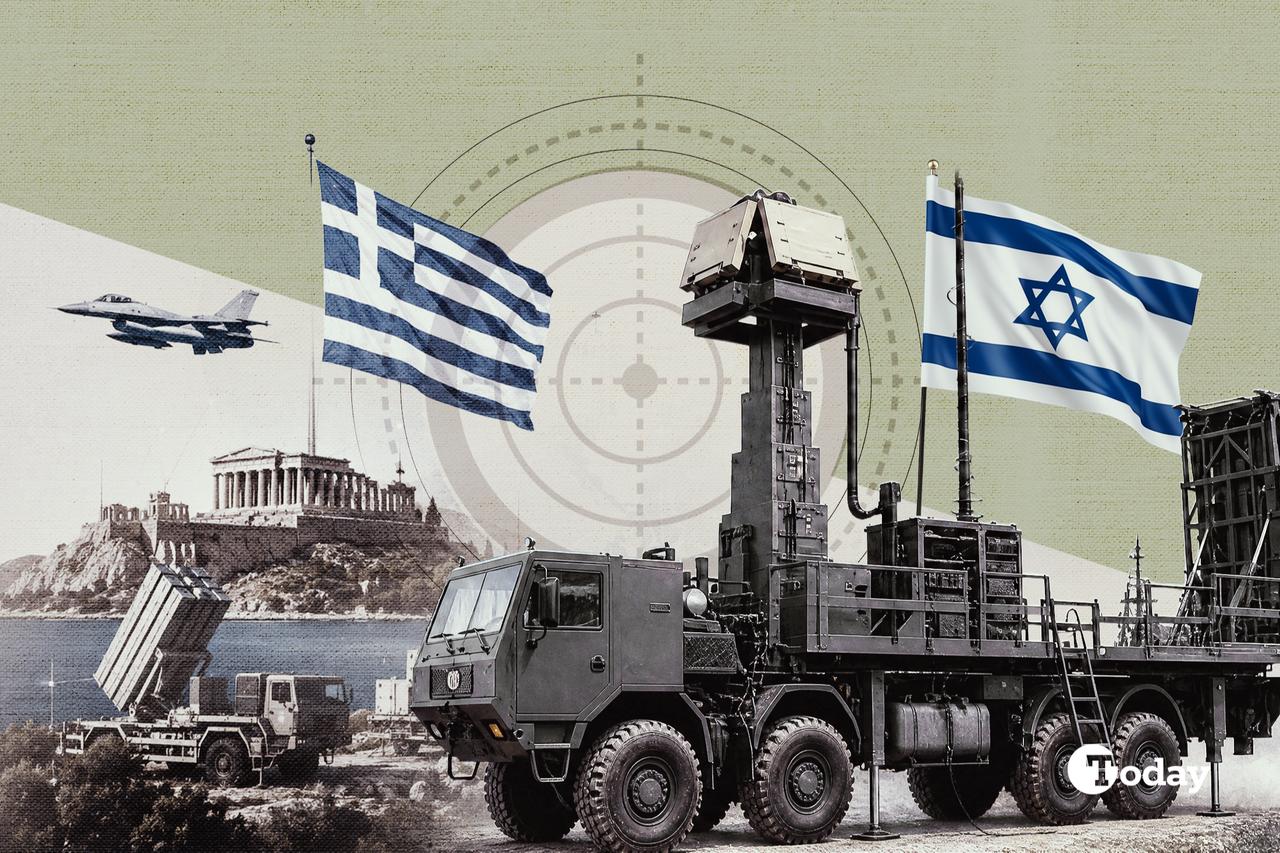
Mitsotakis described Greece's "Achilles' Shield" air defense program as a defensive system designed to shield the country from any threat, describing it as a framework that also addresses "the threats of the future."
Asked about recent developments in Greek-Turkish relations, including Türkiye's declaration of maritime parks and the legislative codification of its "Blue Homeland" doctrine, Mitsotakis said the Athens Declaration remains a functioning, institutionalized framework for organized dialogue with Türkiye, despite recent difficulties.
"There are open channels of communication with Türkiye at many different levels, and I think this is, in principle, positive, so that we can communicate our messages to Türkiye and, conversely, Türkiye can do the same," Mitsotakis said.
He said Greek foreign policy in recent years had undertaken initiatives that previous governments lacked the resolve to implement, citing the extension of territorial waters, the delimitation of exclusive economic zones (EEZs) with Italy and Egypt, maritime spatial planning, and the declaration of marine parks, which he described as "evidence that Greece exercises sovereignty in practice within the territorial waters surrounding its islands, rather than merely asserting sovereign rights."
He noted that, for the first time, drilling activity would take place both west of Corfu and south of Crete, saying this demonstrated that a major American multinational company recognized it needed "Greece's permission" before proceeding with such activity.
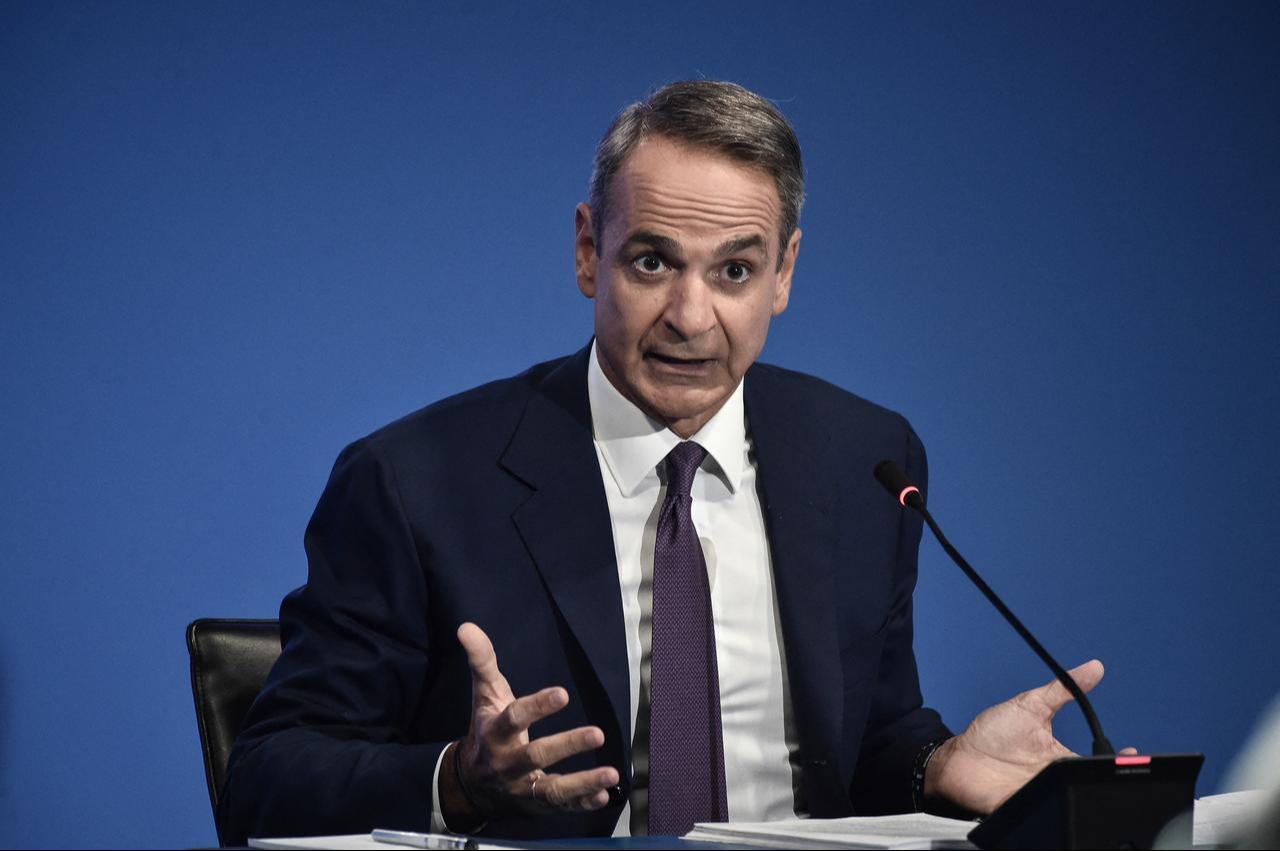
Mitsotakis said Greece seeks good relations with Türkiye but has one major point of disagreement: the delimitation of maritime zones in the Aegean and Eastern Mediterranean.
"I will never enter into discussion with Türkiye on issues that Türkiye itself raises, which constitute non-issues for the Greek state," Mitsotakis said.
On territorial waters, he said Greece's Foreign Ministry had made clear in formal diplomatic protests, filed in response to what he referred to as Türkiye's "illegal" maritime parks, though he noted many details from Turkish authorities remain unclear, that Greece retains the inalienable right to extend its territorial waters to 12 nautical miles whenever and however it deems most appropriate.
Mitsotakis said Greek foreign policy should not be viewed solely through the lens of relations with Türkiye, describing what he called an "extremely dense network of relations" with countries in North Africa and the Middle East, built substantially on personal relationships of trust with regional leaders, citing Lebanon and Jordan as examples.
Asked about the Mecca Agreement signed by Türkiye, Saudi Arabia and Pakistan, Mitsotakis said, "This agreement, about which we don't know many details, is certainly a development worth monitoring."
He said Greece's strategic relationships with Gulf countries remain steady, announcing plans for an official visit to Saudi Arabia "to reaffirm these relations."


 Set as preferred source
 Set as preferred source


 2 min read
 1 min read



