Newsletters


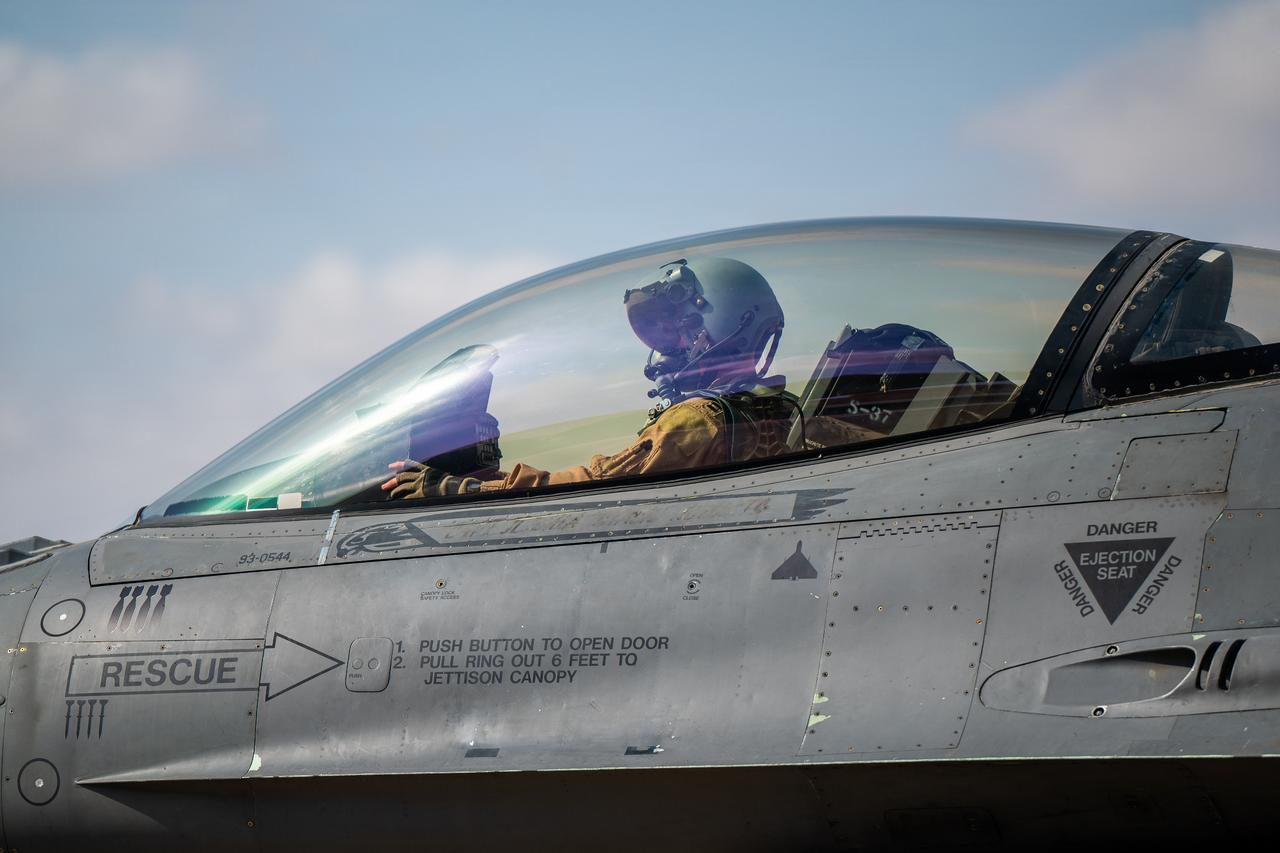


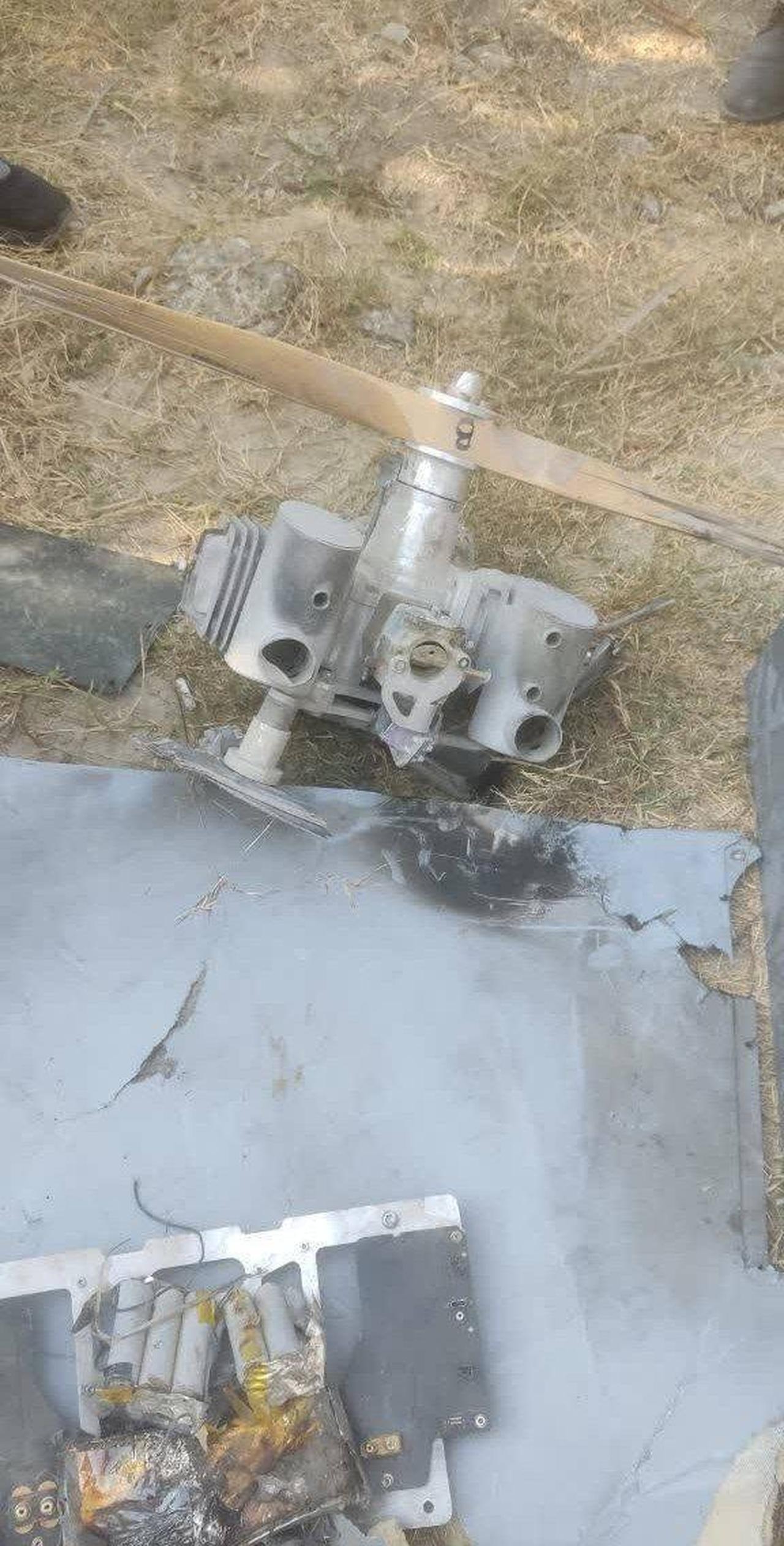
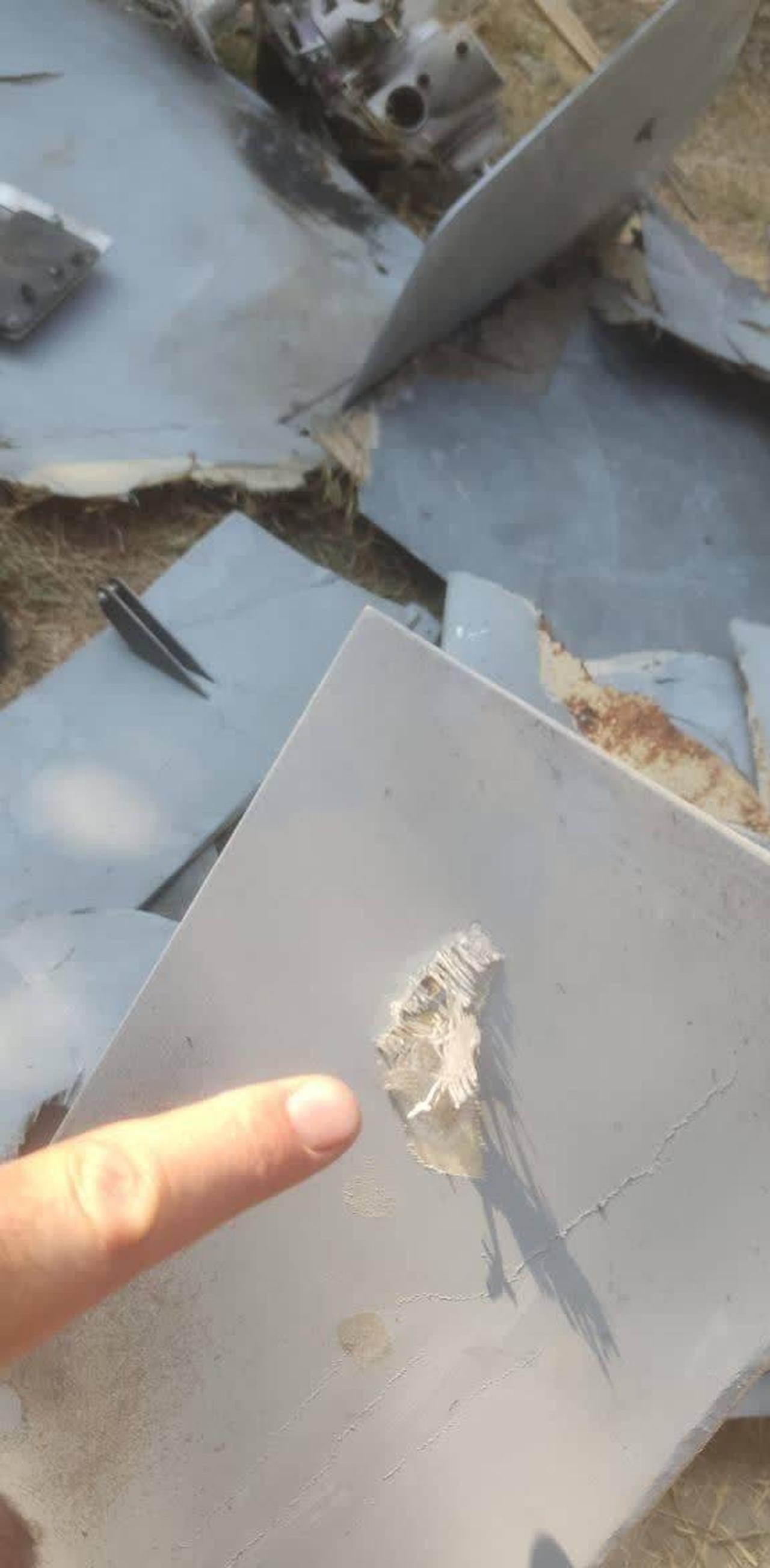
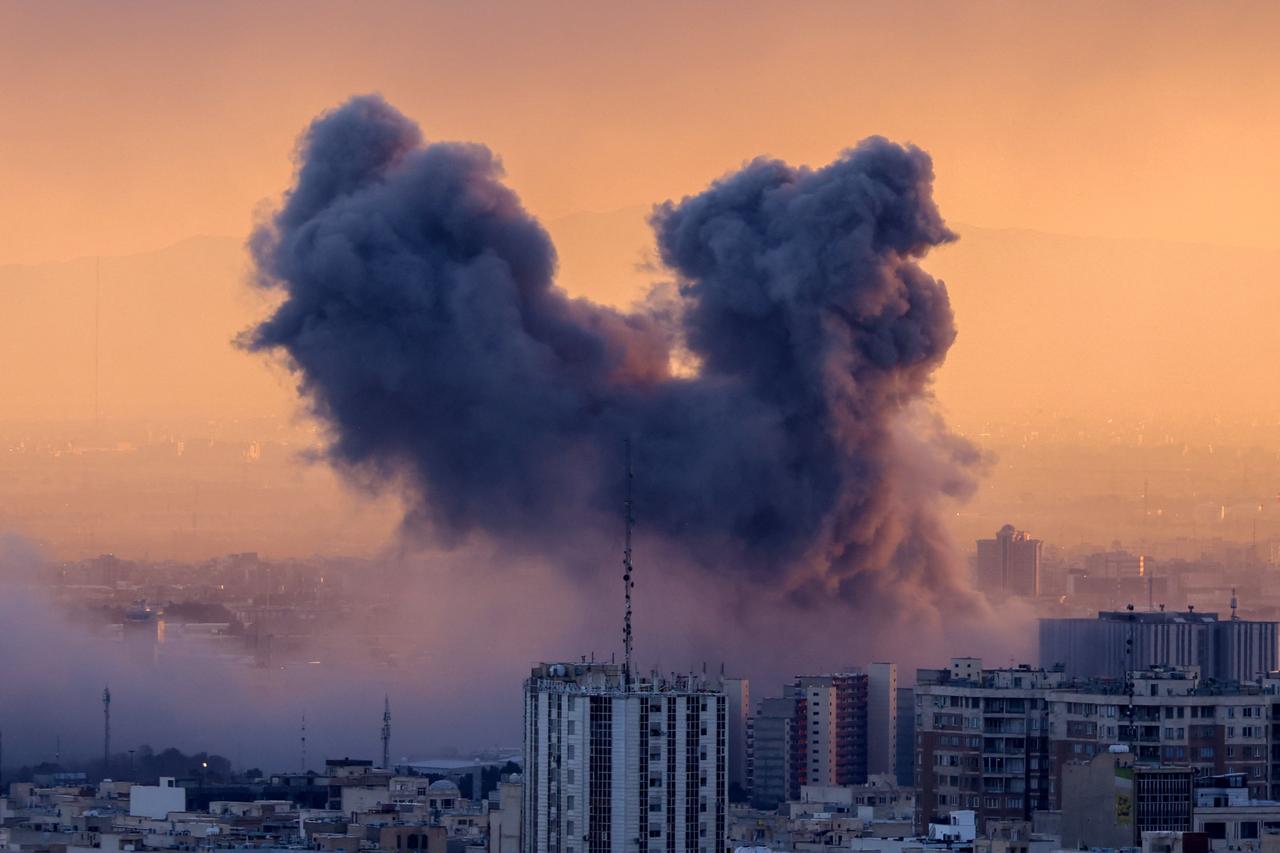
Iran’s army said Sunday it shot down a U.S. LUCAS (Low-cost Uncrewed Combat Attack System) one-way attack (OWA) drone over the southern port city of Bandar Abbas, as U.S. Central Command (CENTCOM) reportedly has Iran strike plans ready pending White House approval after the Nov. 3 midterm elections.
The claimed downing came as Iranian Foreign Minister Abbas Araghchi said management of the Strait of Hormuz "will not be as before" and called for foreign forces to leave the region.
"An American LUCAS drone was hit and destroyed in the skies of Bandar Abbas by fire from the Army Air Defense Force systems, under the country’s integrated air defense network," the army’s public relations office said, according to the semi-official Tasnim news agency.
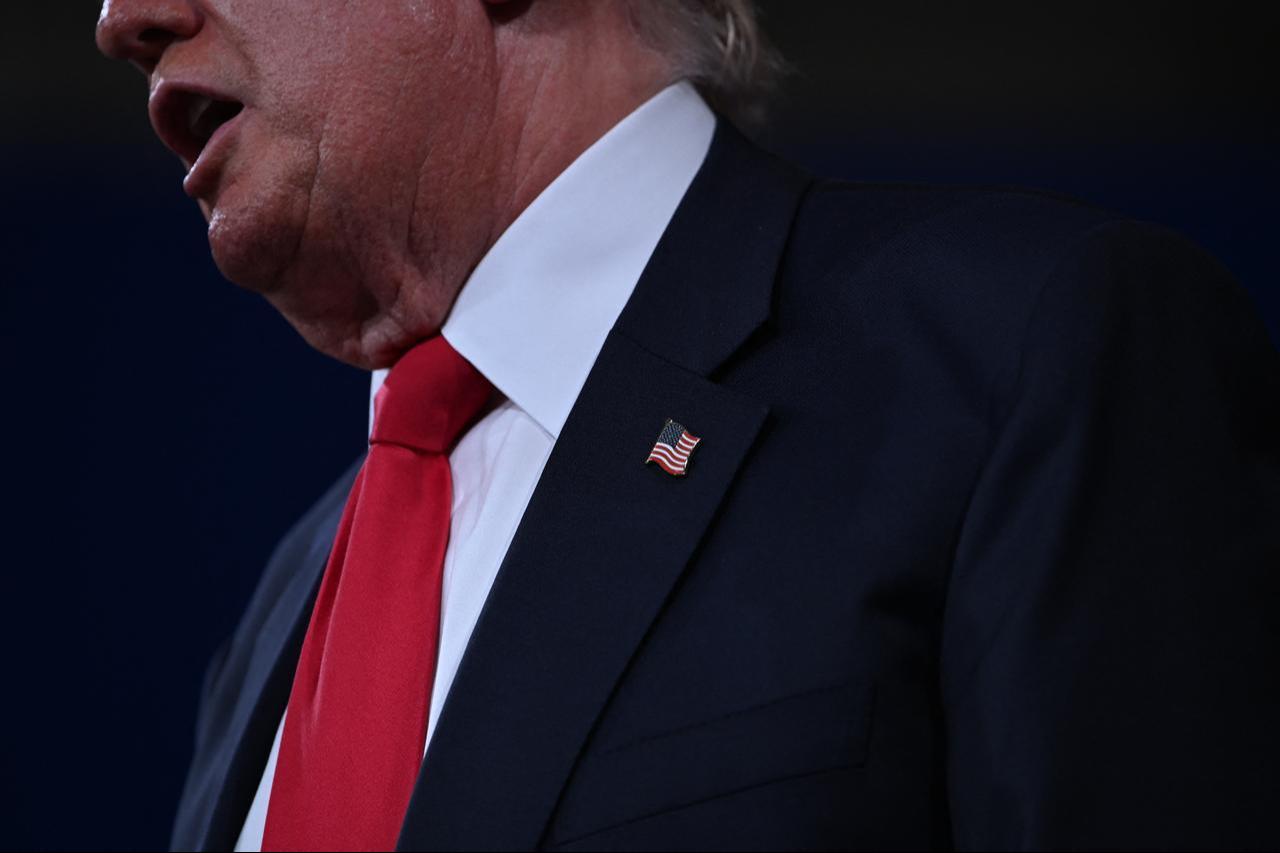
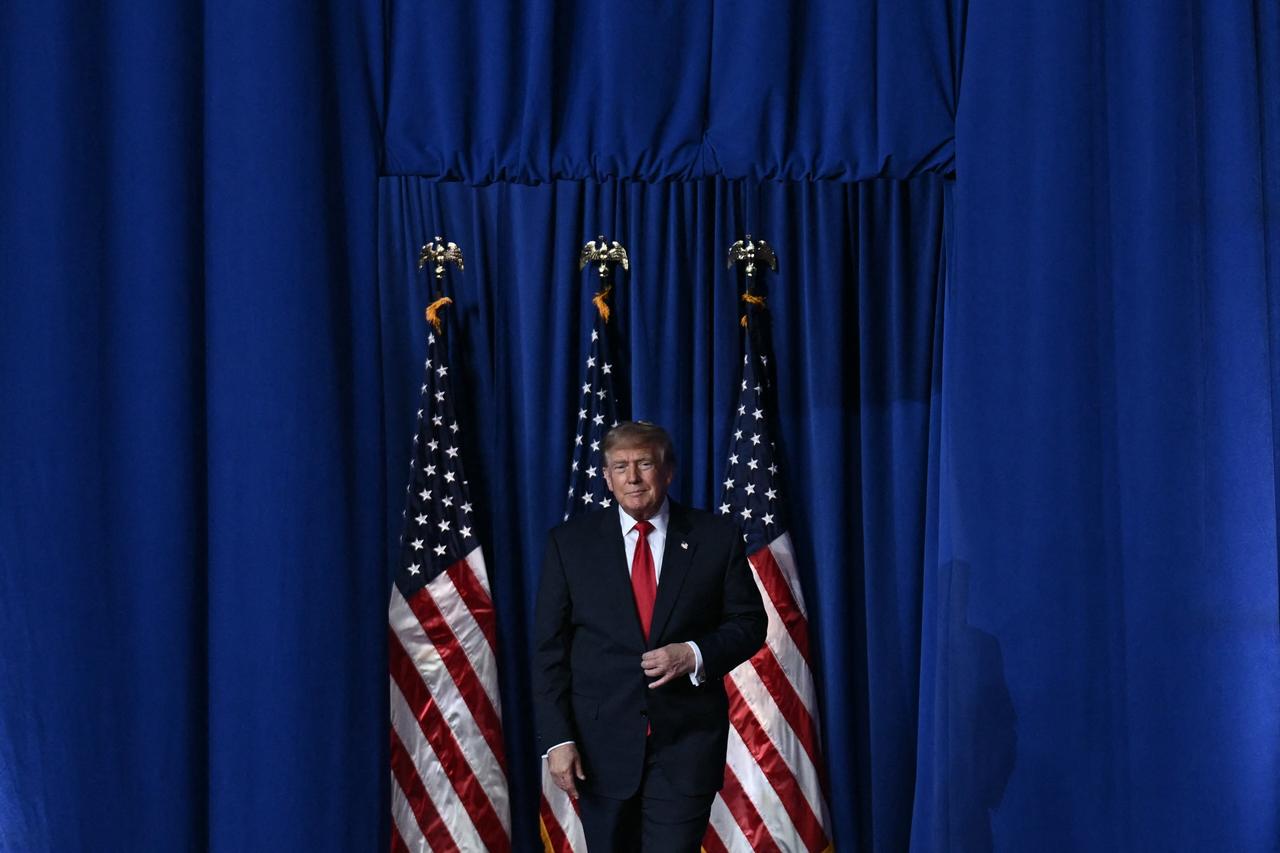
The reported incident came after U.S. President Donald Trump said Saturday that Washington could strike Iran as soon as Sunday or reach a "big, beautiful" agreement with Tehran, amid reports that he was considering renewed attacks on the country.
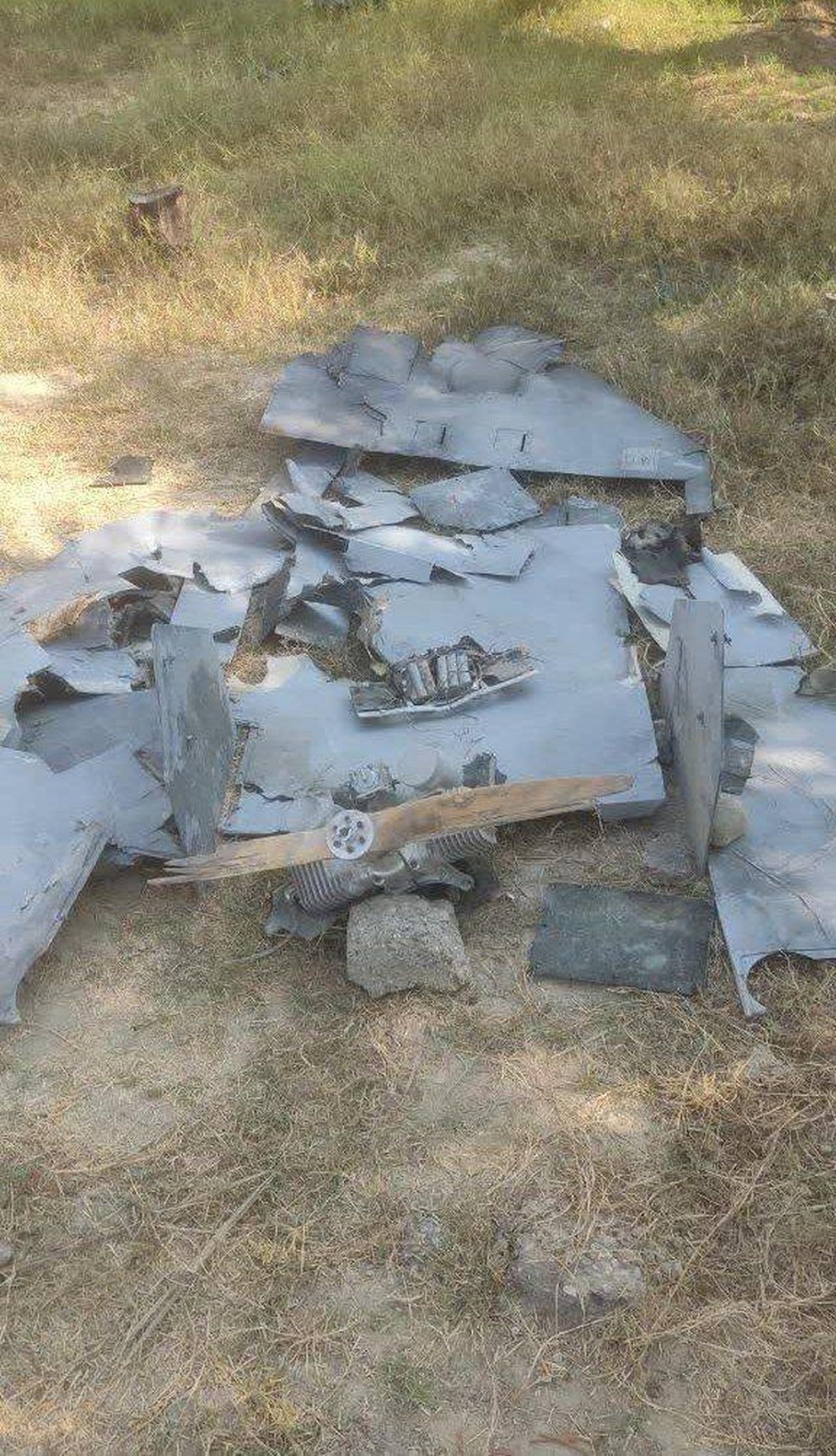
CENTCOM has plans ready for follow-up strikes on Iran if the White House authorizes them, a source aware of the plans told The Hill. Several strike options have been presented to Defense Secretary Pete Hegseth, another source said.
Trump will keep all options open until he must make a final decision, the second source said.
A Pentagon official said the department’s "job is to develop and present military options to the President." "We don’t speculate on hypothetical situations or future operations," the official said.
"To me, it looks pretty likely that the U.S. goes back to military strikes on Iran once the midterm elections are passed," said Gregory Brew, an Iran expert at Eurasia Group, who spoke to The Hill.
Harrison Mann, a former executive officer of the Defense Intelligence Agency’s Middle East/Africa Regional Center, said that Trump could return to striking military and political targets inland or hit civilian and energy infrastructure if Israel is involved.
"I emphasize inland because since April, the U.S. has basically not attacked anything except for targets on Iran’s coasts. It has apparently not flown aircraft except for maybe one or two strikes over Iranian territory," Mann told The Hill.
"There’s no level of U.S. or Israeli strikes that is going to compel Iran to change course at this point," Mann said, adding, "They’ve increasingly come to understand that they have leverage, they have the upper hand, and they want to drive that advantage to try and get concessions from Trump."
Brew said strikes would aim at "using force to add to the existing pressures that are on Iran, force them to capitulate, reach a deal, and allow the U.S. to exit the war."
"The Iranians are not bending; they’re not showing any flexibility," he said, adding, "They have a negotiating position that they’ve been sticking to now for several weeks."
Iranian leaders have signaled that retaliation would be "bigger," "more aggressive" and "different" than earlier this year, Brew said.
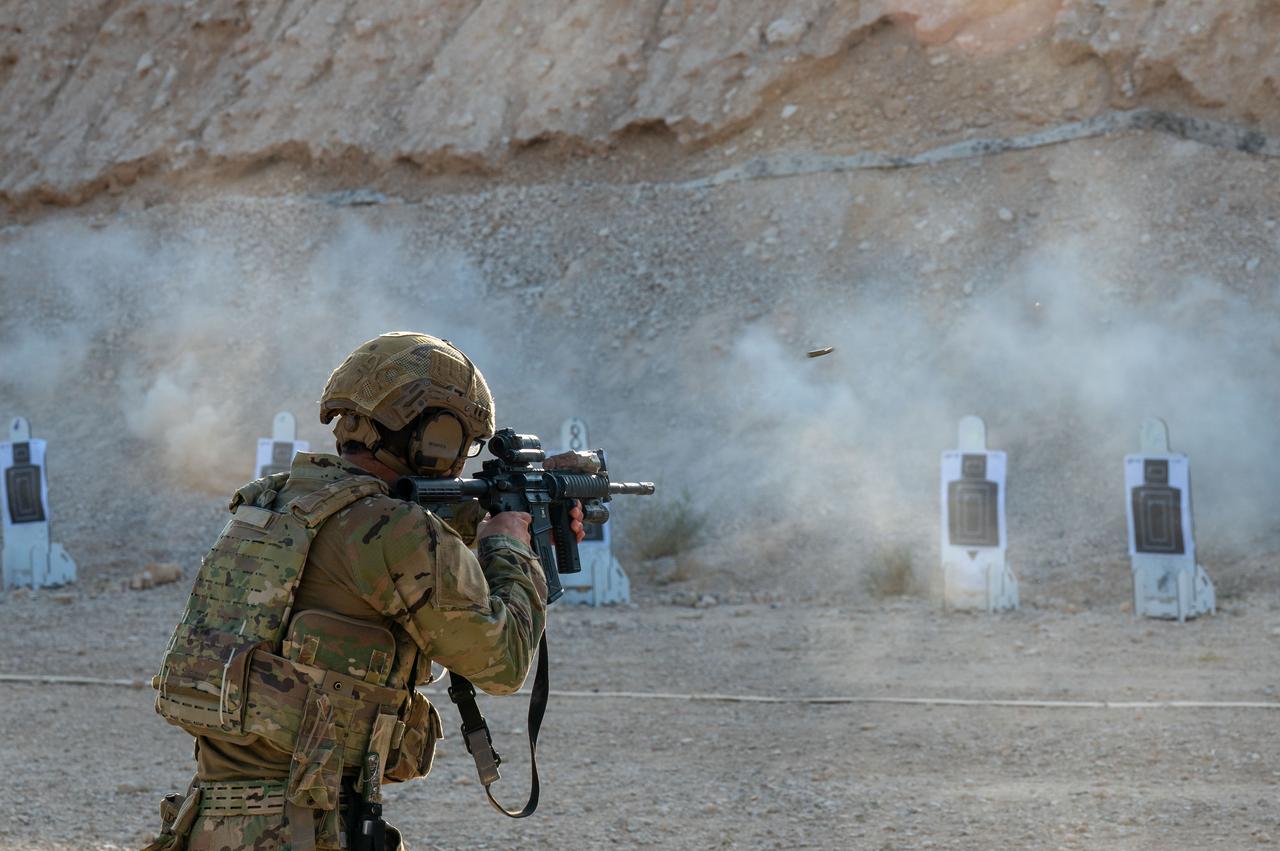

The U.S. has more than 50,000 service members and about 20 warships in the Middle East, with two carrier strike groups in the region and the USS Theodore Roosevelt heading there.
Hegseth praised Israel as "good partners" after visiting Netanyahu.
"We’ve worked with the Israeli military quite a bit. That’s nothing new. We have for a long time. They have great capabilities, and we appreciate their contributions to assuring Iran never gets a nuclear weapon," he said.
"We are going to have something one way or the other that’ll happen fairly soon. Most people seem to think it’s after the election, and we’re going to see what happens," Trump said Wednesday. "But I will say this: what we’ve done with Iran is amazing."
"We’re thinking about doing it, and maybe tomorrow," Trump told reporters on Saturday when asked how far along he was in considering an attack. At a campaign rally in Georgia on Saturday, Trump said he needed to stop killing Iranian leaders to know who the U.S. is negotiating with. "I gotta stop killing Iranian leaders," Trump said, "because I gotta figure out who the hell we’re negotiating with."
"They don’t have any airplanes, no ships, no anything, no leaders. Level one leader is gone, level two leader is gone," he said.
U.S. Ambassador to Türkiye Tom Barrack said Friday: "Could there be a strike this weekend? Absolutely. The president has been clear, I’m giving you American policy, the president is very clear: he’s open, and available and accessible to a deal. And we’ve been at the table for months and months and months."
Araghchi spoke at the opening of a Foreign Ministry documents center, according to his Telegram channel.
"The wars of the past year and a half, and especially the Ramadan War, are considered a turning point, and nothing will be the same as before after this war," he said.
"The Strait of Hormuz has been open for decades, and neither Iran nor Oman, the two coastal states of the strait, created any obstacle to passage; rather, they established security and safety and took care of the environment. The management of the Strait of Hormuz will not be as before," the top Iranian diplomat added.
He said the strait’s routes and management would be revised based on new conditions and ongoing consultations between Iran and Oman.
"American bases in our region did not bring peace and security to anyone," the Iranian foreign minister said, adding, "For the countries that hosted these bases, they did not bring peace and security; on the contrary, these very bases were the cause of their insecurity."
"Our region, for its own peace and stability, must move in a direction where the presence of foreign forces reaches zero," he added.
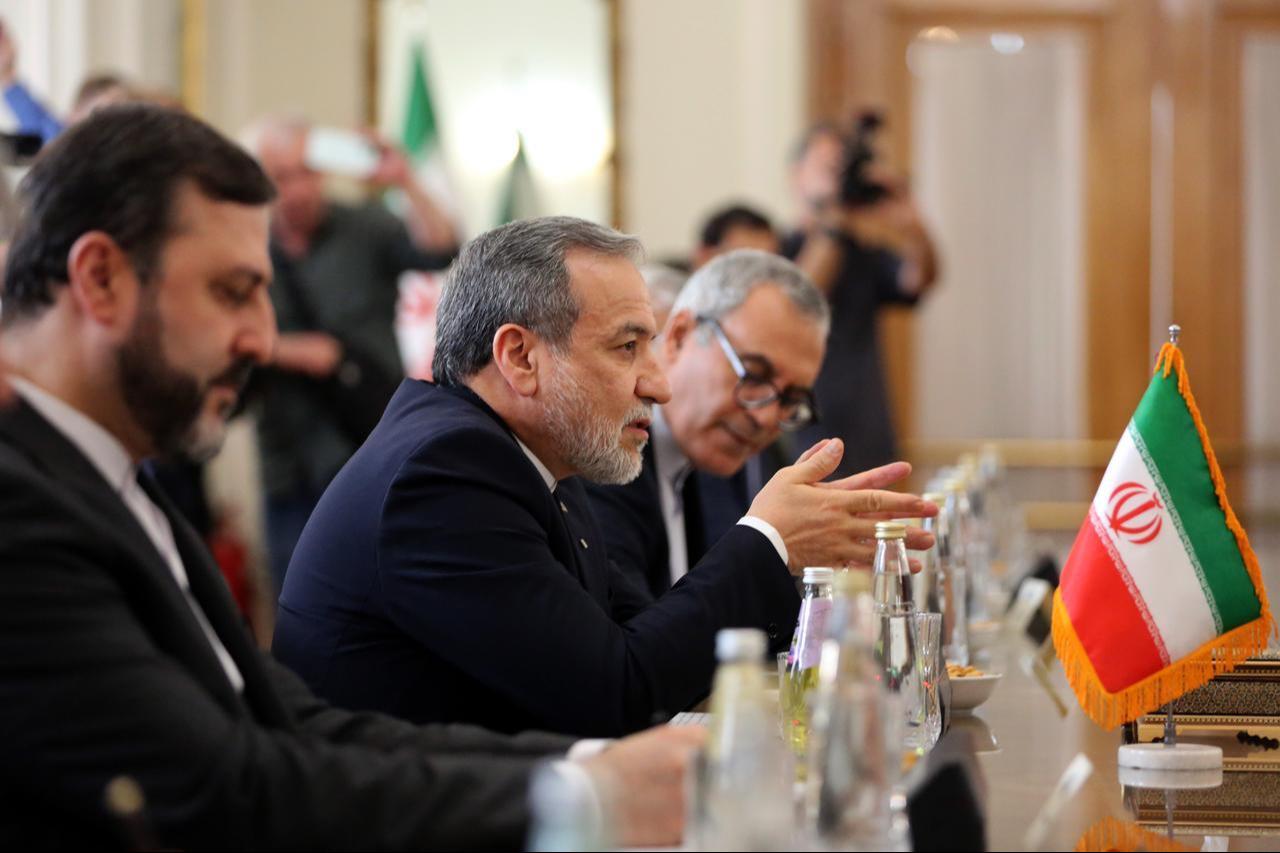
"In all the negotiations we had with the American side through the mediation of Pakistan, Qatar and others, we emphasized that all fronts must see an end to the war, otherwise we will not see stability in the region," the Iranian top diplomat stated.
"These days there is talk of war again. Whether there is war or not, our policies remain in place. If there is rationality, they will not repeat military aggression against the people of Iran," he said.
"We and the countries of the region must live in peace in this region without foreign interference, and this is the only way to peace, security and stability in our region," the Iranian foreign minister added.


 Set as preferred source
 Set as preferred source


 2 min read

 1 min read