Newsletters


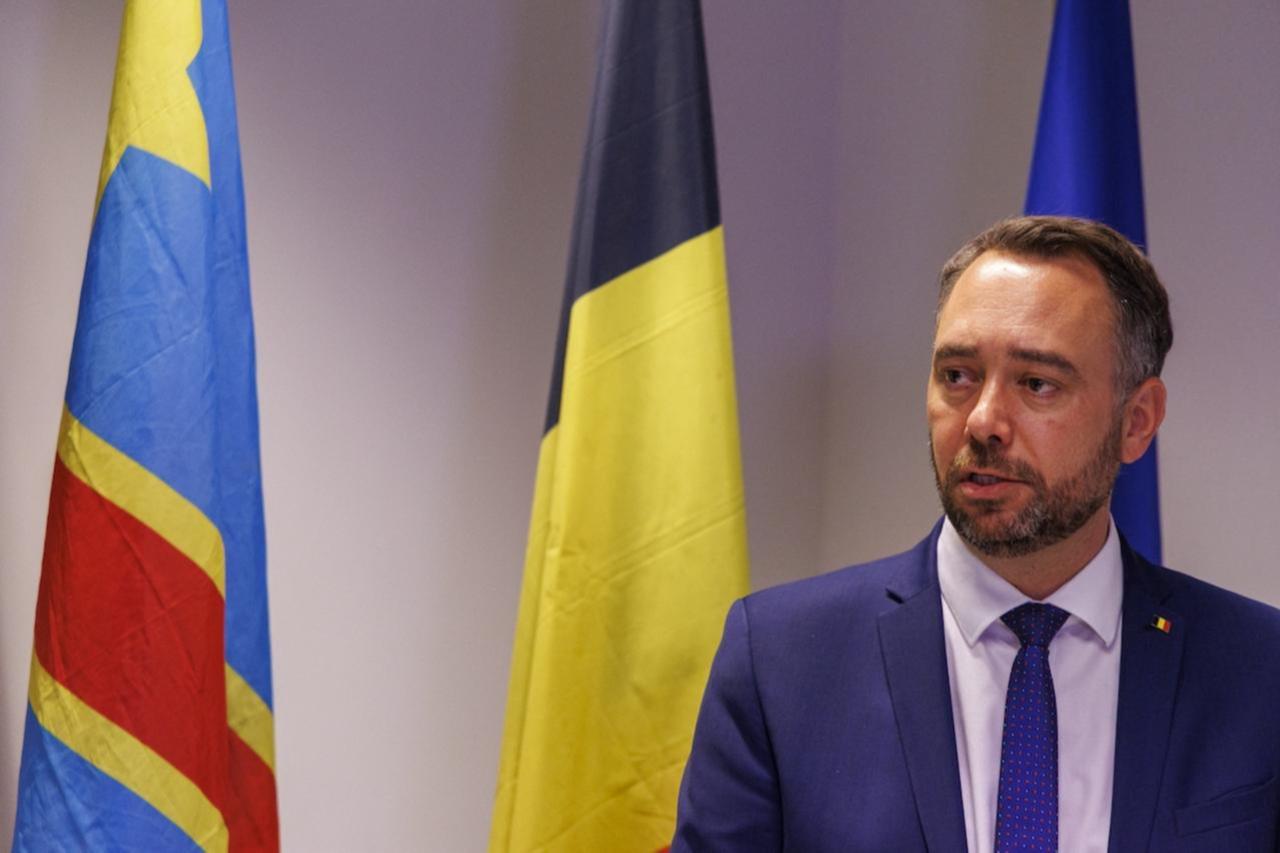


Belgian Foreign Minister Maxime Prevot said his country’s position against using frozen Russian assets for Ukraine has not changed, warning that any process amounting to confiscation would carry major risks.
Prevot made the remarks after an informal meeting of European Unions foreign ministers in Ireland.
He said the issue of frozen Russian assets was brought back to the agenda at the initiative of Sweden, the Netherlands, Poland and Spain.
“However, this issue did not arouse much interest or appetite among colleagues,” Prevot said.
“I was careful to reiterate Belgium’s position, which has not changed for a year,” he added.
“The reasons behind our objection have not magically disappeared. Using these assets through a process that amounts to confiscation carries very great risks,” Prevot said.
Prevot said Belgium was also aware of Ukraine’s short-term budget needs and that support for Kyiv must be maintained, while stressing that Brussels’ position on Russian assets remained unchanged.
Sweden, the Netherlands, Poland and Spain last week called on the EU to consider new options for using frozen Russian assets to support Ukraine.
In a joint letter sent by the foreign ministers of the four countries, they said Ukraine needed more financial support in the short and long term.
“We believe it is time to return to the issue of how we can make greater use of Russia’s frozen assets for the benefit of Ukraine,” the letter said.
The letter emphasized that any methods developed must comply with international law and that any financial and economic risks that may arise must be shared by all EU countries.
About €210 billion ($243.6 billion) in assets belonging to the Russian Central Bank were frozen in EU countries as part of sanctions imposed after the Russia-Ukraine war began in February 2022.
About €185 billion of those assets are held at Euroclear, the Brussels-based securities clearing and custody institution.
Last year, the European Commission proposed using cash generated from frozen Russian assets to finance a loan for Ukraine.
Belgium opposed the proposal, saying the plan did not contain sufficient guarantees on sharing risks arising from potential lawsuits and compensation claims that Russia could file.
After Belgium’s reservations could not be addressed, EU countries decided to provide €90 billion in funding to Ukraine through joint borrowing.


 Set as preferred source
 Set as preferred source


 1 min read

 1 min read