Newsletters


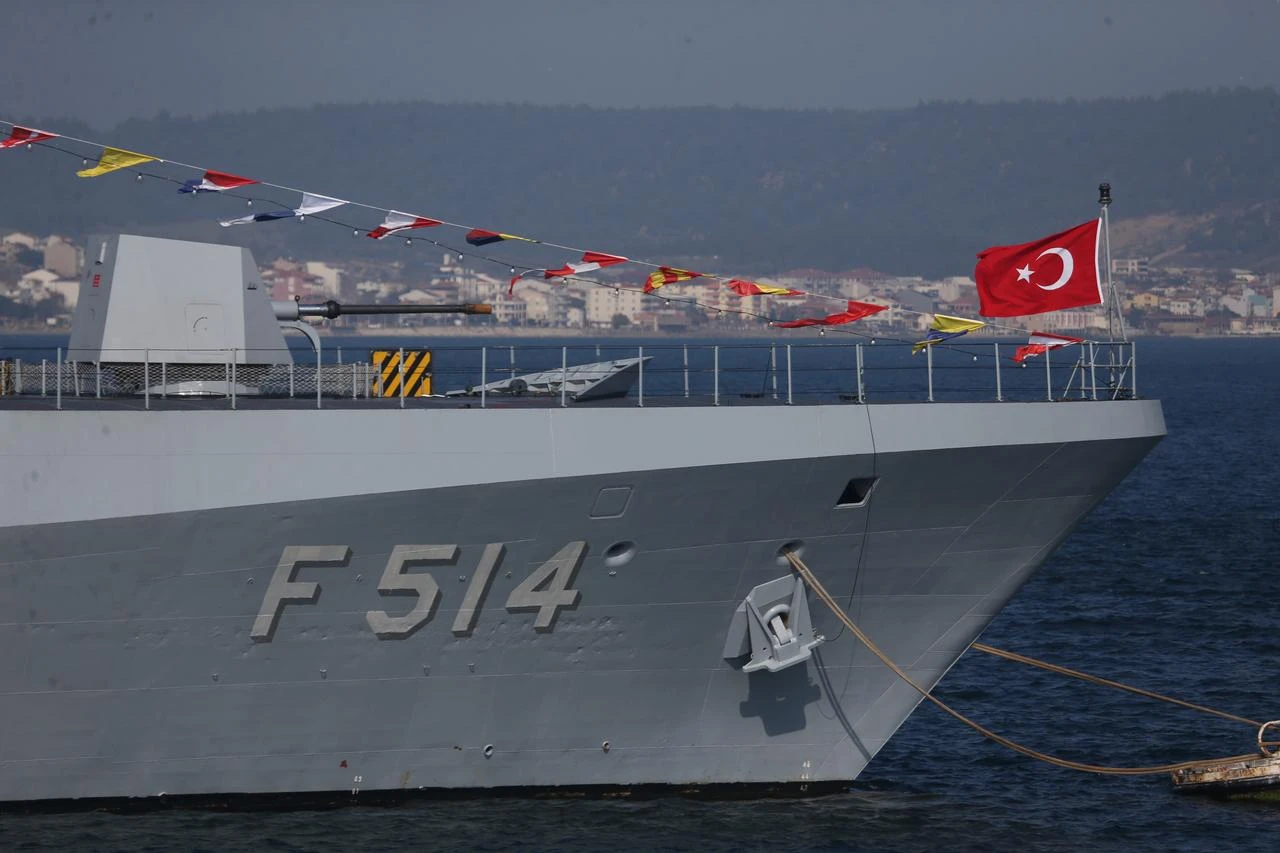


Belgium will formally request information from shipyards in Türkiye and four European countries as it weighs abandoning its troubled anti-submarine warfare (ASW) frigate program with the Netherlands, Defense Minister Theo Francken announced, with a decision due in October.
The move puts Türkiye's Istanbul-class (Istif) frigates in contention for one of Belgium's largest-ever defense investments, and follows months of deepening Belgian-Turkish naval contacts, including Francken's visit to an Istanbul shipyard and his praise of Türkiye as a "quietly emerging" maritime power.
Speaking to Belgian broadcaster VTM Nieuws, Francken said the cost of the Anti-Submarine Warfare Frigate (ASWF) program led by the Netherlands has spiraled while deliveries slip deep into the 2030s.
"First it was 600 million, then 900 million, and now it is 1.3 billion euros per frigate," Francken said, calling the program "a disaster" on both price and timing.
"We need those frigates now, but they will only be delivered five years later, toward the end of the 2030s," he noted.
Belgium needs two frigates and would like a third, he said, "but not at this price."
"Monday, a letter is going out to countries that build frigates to see what they have to offer. In Europe that is Spain, France, Germany, Italy, and Türkiye," Francken said, describing a Request for Information (RFI) covering price, delivery timelines and platform capabilities.
Francken said he has not decided to drop the Netherlands.
"If possible, we will continue with the Dutch. But if that is under the conditions that now appear, more than double the price, and timing that is a disaster, then we have a problem," he said, noting Germany had already walked away from a frigate project with the Netherlands "because it completely fell apart."
The urgency stems from Belgium's two Karel Doorman-class frigates, Leopold I and Louise-Marie, which are reaching the end of their service lives.
"We still have frigates now, but they are completely at the end of their lifespan. We urgently need new ones," Francken said.
He stressed that Belgium's new minehunters, delivered on time and on budget under the Belgian side of the two countries' naval division of labor, cannot operate without frigate protection. "Soon we won't have a boat that can sail out," he said.
The Belgian Naval Component is a force of about 1,500 personnel, including 200 reservists, operating five Tripartite minehunters, two Castor-class patrol vessels and the two Karel Doorman frigates, which carry Belgium's blue-water missions including escort, maritime surveillance and NATO and EU deployments, according to French defense outlet Meta-Defense.
The ASWF program sits within BENESAM, the Belgian-Dutch naval cooperation dating to 1948, under which the two navies integrated training, support and equipment, with the Netherlands leading the frigate acquisition from Dutch shipbuilder Damen.
Meta-Defense reported the alternatives now under review include Navantia's F110 (Spain), Naval Group's FDI (France), TKMS's MEKO A200 (Germany), Fincantieri's FREMM EVO (Italy) and Türkiye's Istanbul class.
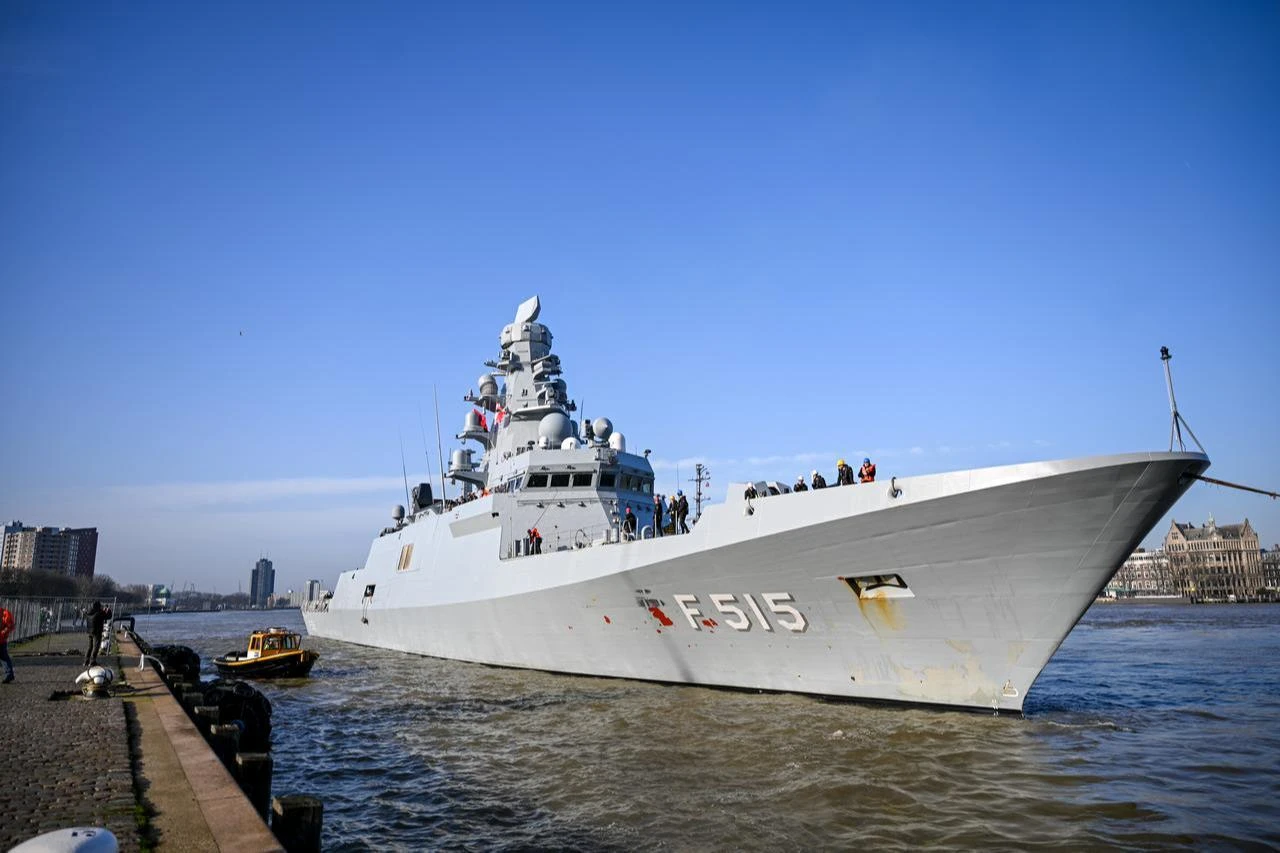

Türkiye's inclusion follows a run of high-level defense industry contacts between Ankara and Brussels.
Francken visited Istanbul's Sedef Shipyard in May 2026 during a Belgian economic mission led by Queen Mathilde, described as the largest such delegation in Belgian history with some 400 to 500 entrepreneurs, inspecting Türkiye's naval shipbuilding capabilities firsthand.
"While all eyes are focused on the naval arms race between China and the US, Türkiye is quietly emerging as a maritime power," Francken wrote on X at the time, saying Turkish naval vessels are "gradually gaining ground on the global market" and praising an industry producing submarines, corvettes, frigates, destroyers and aircraft carriers "quickly, with high quality and competitive prices."
In the VTM interview, Francken again pointed to Türkiye's "very good defense industry—cheap, fortunately," recalling his recent visit.
Turkish shipbuilding was also on display in Belgium itself this month: the MILGEM-built corvette TCG Burgazada (F-513) joined Navy Days 2026 in Zeebrugge, held for the Belgian Navy's 80th anniversary, and was opened to visitors.
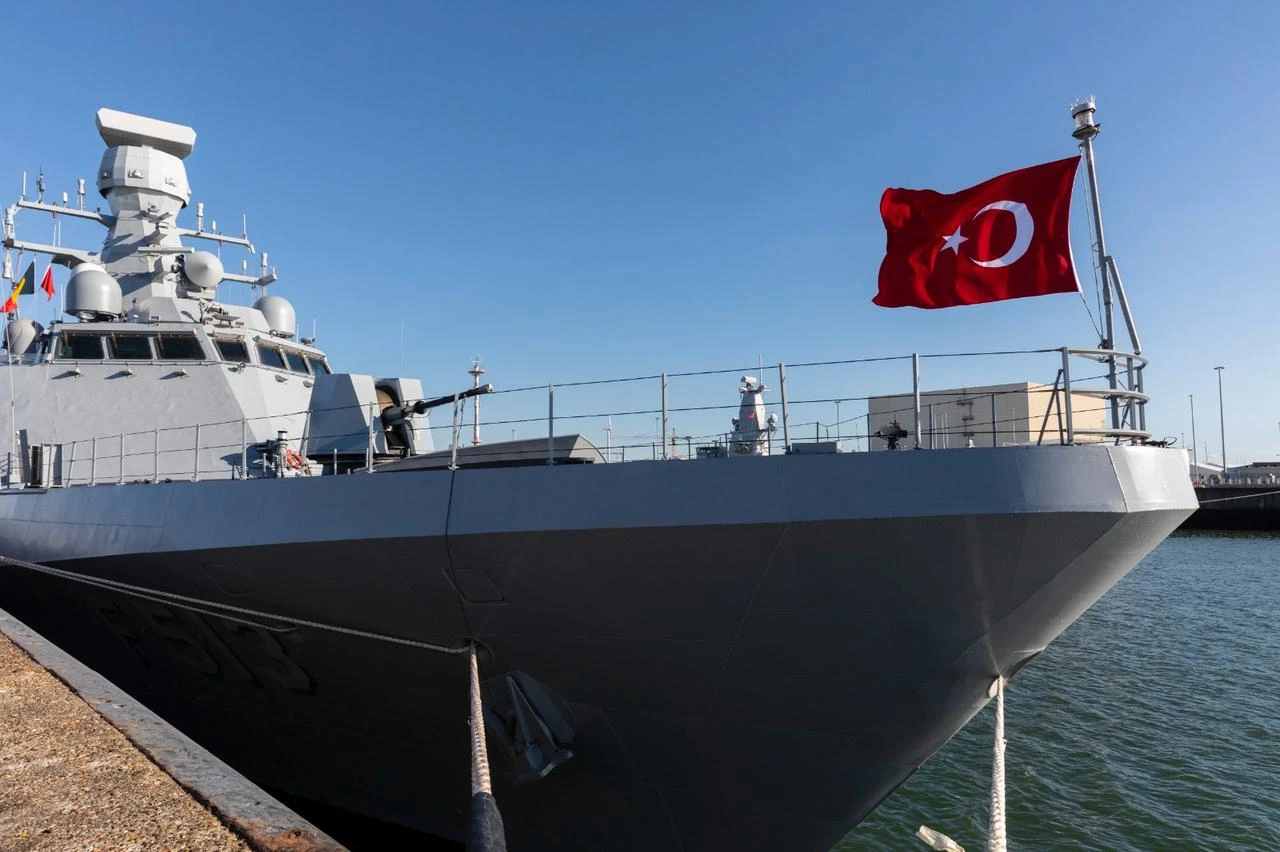
Francken said he is in talks with the Dutch government and will take a decision in October on the program's future, a call that could end decades of Dutch-built ships for the Belgian fleet.
He acknowledged the value of staying integrated with the Dutch navy on a common platform: "We have a very long naval tradition with the Dutch. We are integrated. It is best to work on the same platform."
But he described the frigate file as "a terribly difficult dossier" on which he must now take decisions and responsibility.


 Set as preferred source
 Set as preferred source



 3 min read