Newsletters


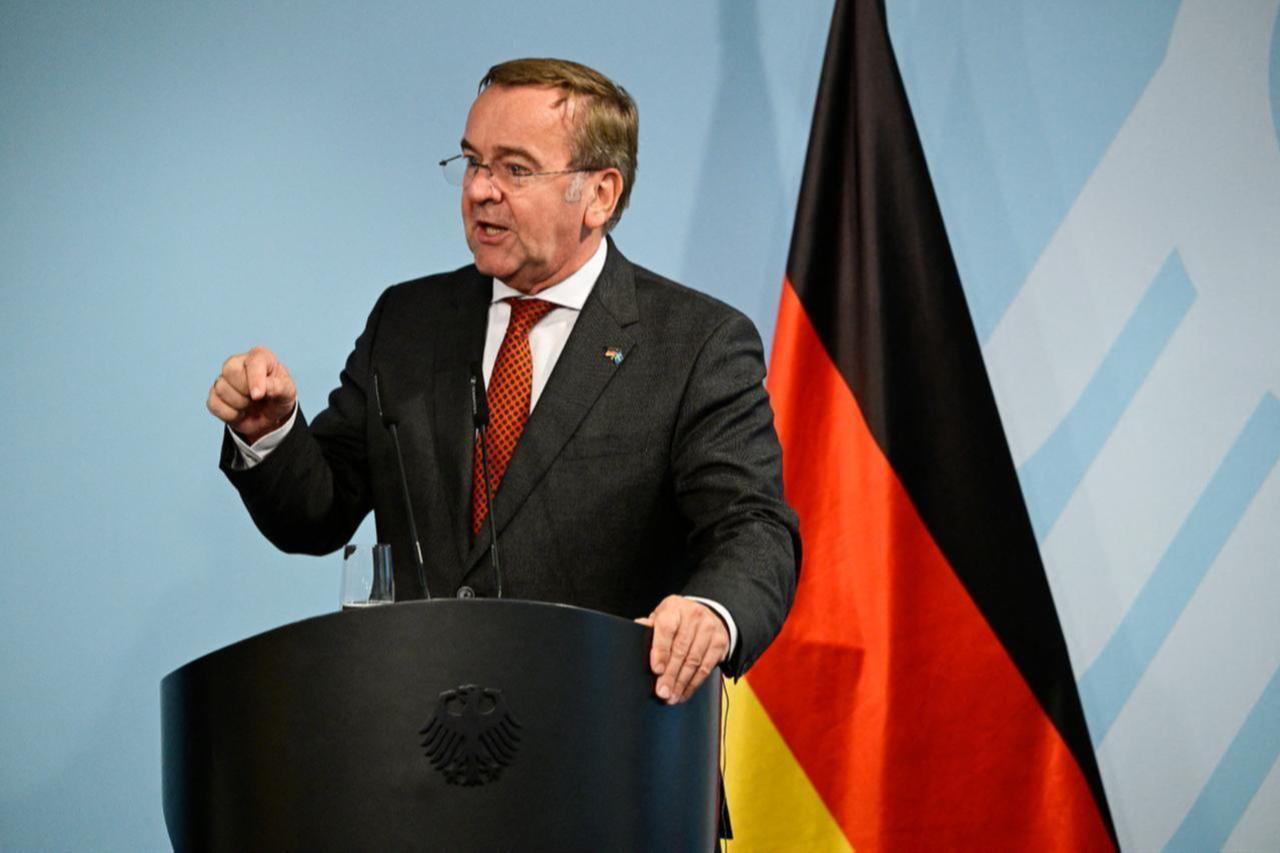


Germany's Defense Minister Boris Pistorius said Wednesday he has yet to receive any binding confirmation from Washington about plans to withdraw American troops from German soil, underscoring growing uncertainty in Berlin over the future of the US military presence in Europe.
Speaking after a meeting of the parliamentary defense committee in Berlin, Pistorius said there is "still no truly reliable confirmation" of the reported drawdown.
While he acknowledged reports that the number of US brigades in Europe is set to be reduced by one unit, he cautioned that the extent to which troops based in Germany would be affected "remains to be seen."
A day earlier, US General Alexus Grynkewich, who serves as NATO Supreme Allied Commander Europe, offered the clearest picture yet of how the announced reduction would unfold.
Grynkewich said the withdrawal of roughly 5,000 troops from Europe, announced by President Donald Trump, would largely be carried out through the return of a Brigade Combat Team, a combined-arms unit typically comprising several thousand soldiers organized for independent combat operations.
On the question of further reductions, Grynkewich said he did not expect any additional announcements in the near term.
 2 min read
The NATO commander framed the potential reduction in broader strategic terms, arguing that a stronger European role within the alliance would allow the United States to gradually scale back its military footprint on the continent, a rationale that echoes longstanding American pressure on European NATO members to increase their own defense spending and capabilities.
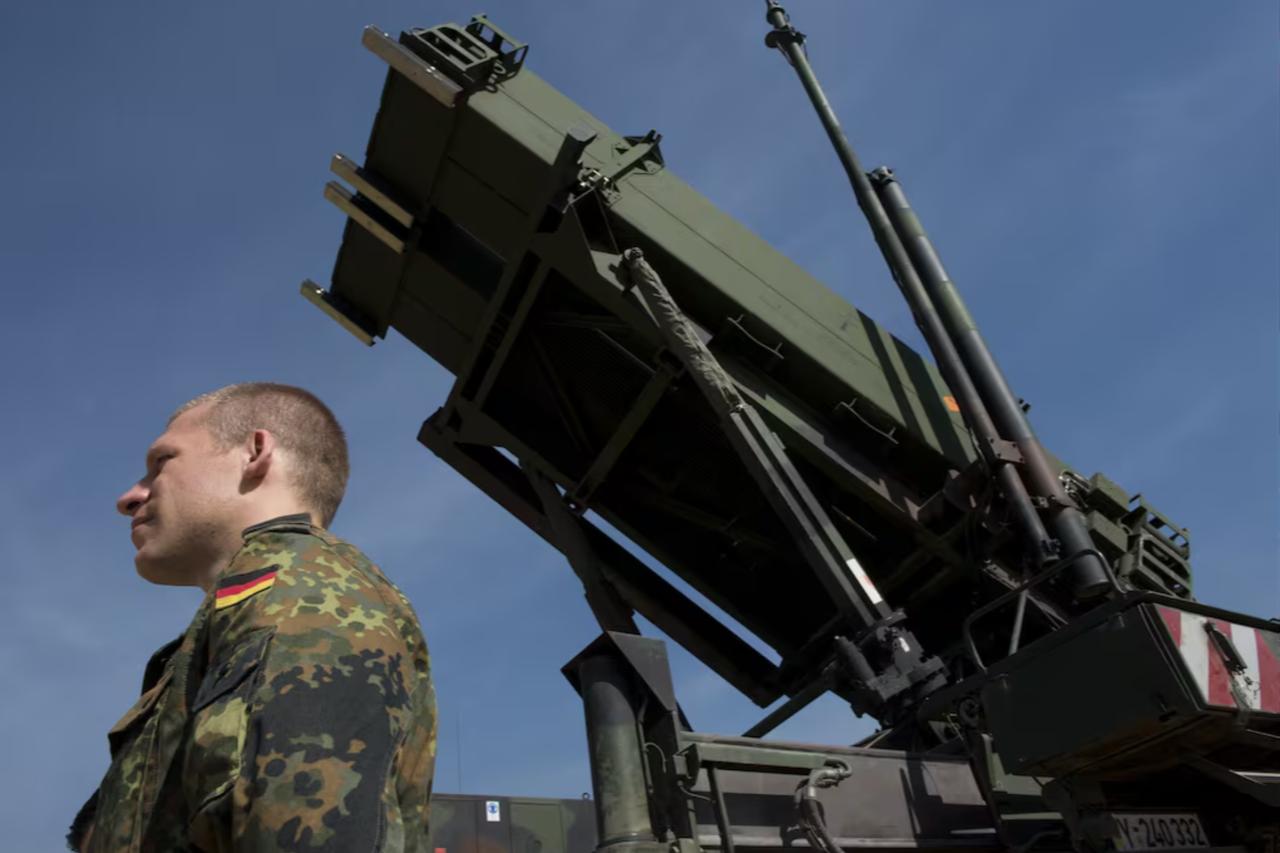
Germany hosts one of the largest concentrations of US forces in Europe, with American bases scattered across the country that date back to the post-World War II occupation and were subsequently anchored by Cold War deterrence strategy.
The uncertainty over troop levels arrives at a particularly sensitive moment, as European governments are accelerating their own defense investments amid concerns about the reliability of US security commitments under the Trump administration.
Pistorius's public acknowledgment that Berlin has received no firm plans from Washington highlights the communication gap between the two allies as the alliance navigates a significant shift in the balance of military responsibility.


 Set as preferred source
 Set as preferred source


 1 min read