Newsletters


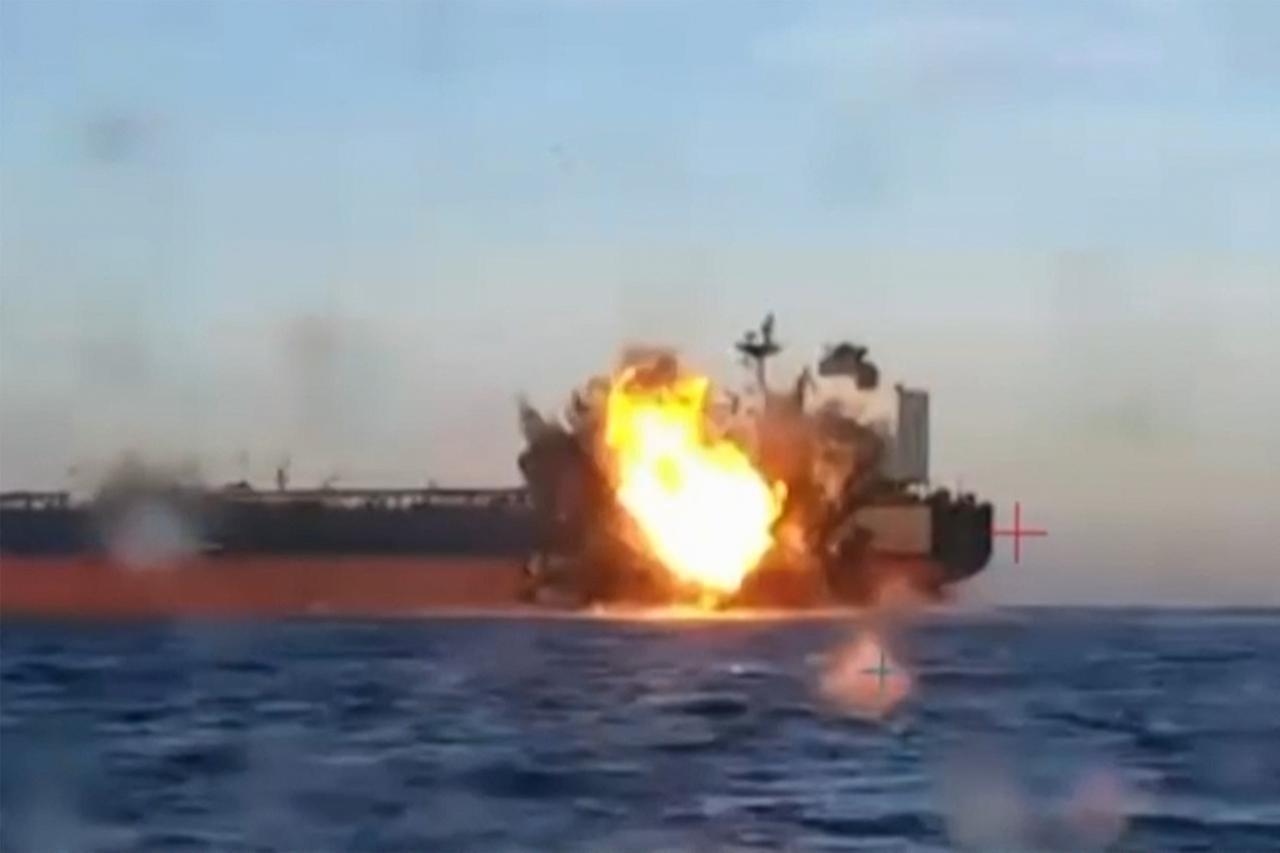


The Black Sea has become the deadliest waterway for merchant sailors this year, ahead of the Gulf, as Russia and Ukraine escalate attacks on commercial shipping and the violence moves toward NATO members’ waters, the Financial Times reported.
According to the newspaper, which cited the maritime security company Ambrey and the International Maritime Organization, more than 570 vessels have been struck in the Black Sea this year and at least 40 sailors have been killed.
That compares with 24 confirmed deaths around the Strait of Hormuz. The FT said reporting of attacks in both regions is patchy, so the true scale is hard to establish.
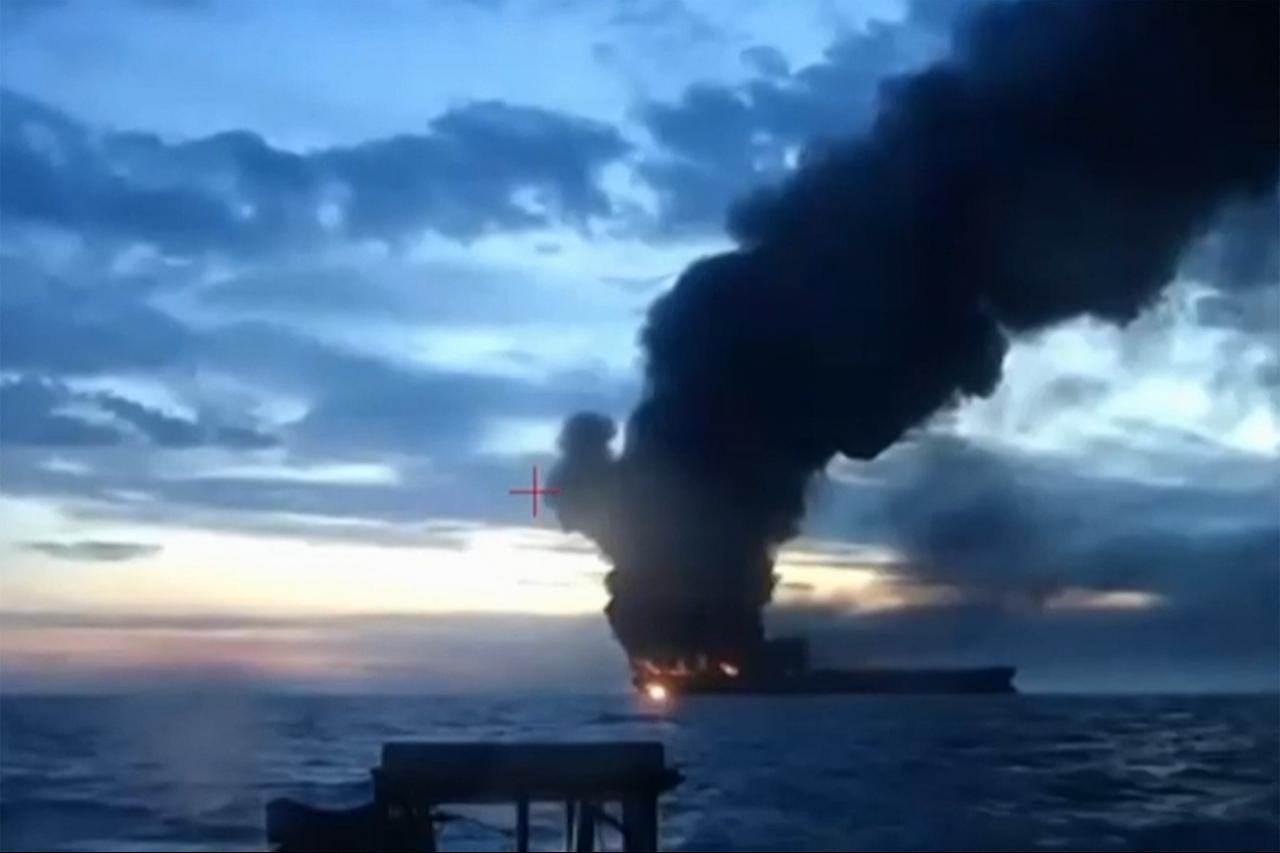

Ambrey data cited by the FT show about 387 ships were struck between July and September, more than five times the previous quarter’s total, with attacks averaging more than four a day.
The newspaper said Russia accounted for around 90% of strikes on shipping over the past 45 days.
Ukraine’s campaign against Russian-linked vessels was a major driver of the summer escalation.
Ukrainian media reported that Kyiv launched an operation in July against Russia’s shadow fleet of tankers in the Black Sea and the Sea of Azov.
The FT said Ukrainian forces claimed to have hit more than 300 Russian vessels in 11 weeks, though Kyiv’s strikes have since slowed.
The Black Sea has been a high-risk trading zone since Russia’s full-scale invasion in 2022.
A UN and Türkiye-brokered grain export deal briefly eased the situation before it collapsed in 2023, and Russian strikes on Ukrainian ports have continued since.
The latest incidents have unfolded close to NATO territory. Romania’s naval authority said the San Marino-flagged chemical tanker Wine Trader caught fire near Sulina on October 15 and that seven crew members were missing.
The Comoros-flagged chemical tanker Yara J also caught fire the previous evening nearby, and its crew of Syrian, Indian and Iranian sailors were reported safe.
Romania’s defense minister said an investigation was under way into whether a drone struck the Yara J, noting that radar showed no drone approaching the ship, though two drones entered Romanian airspace later that night.
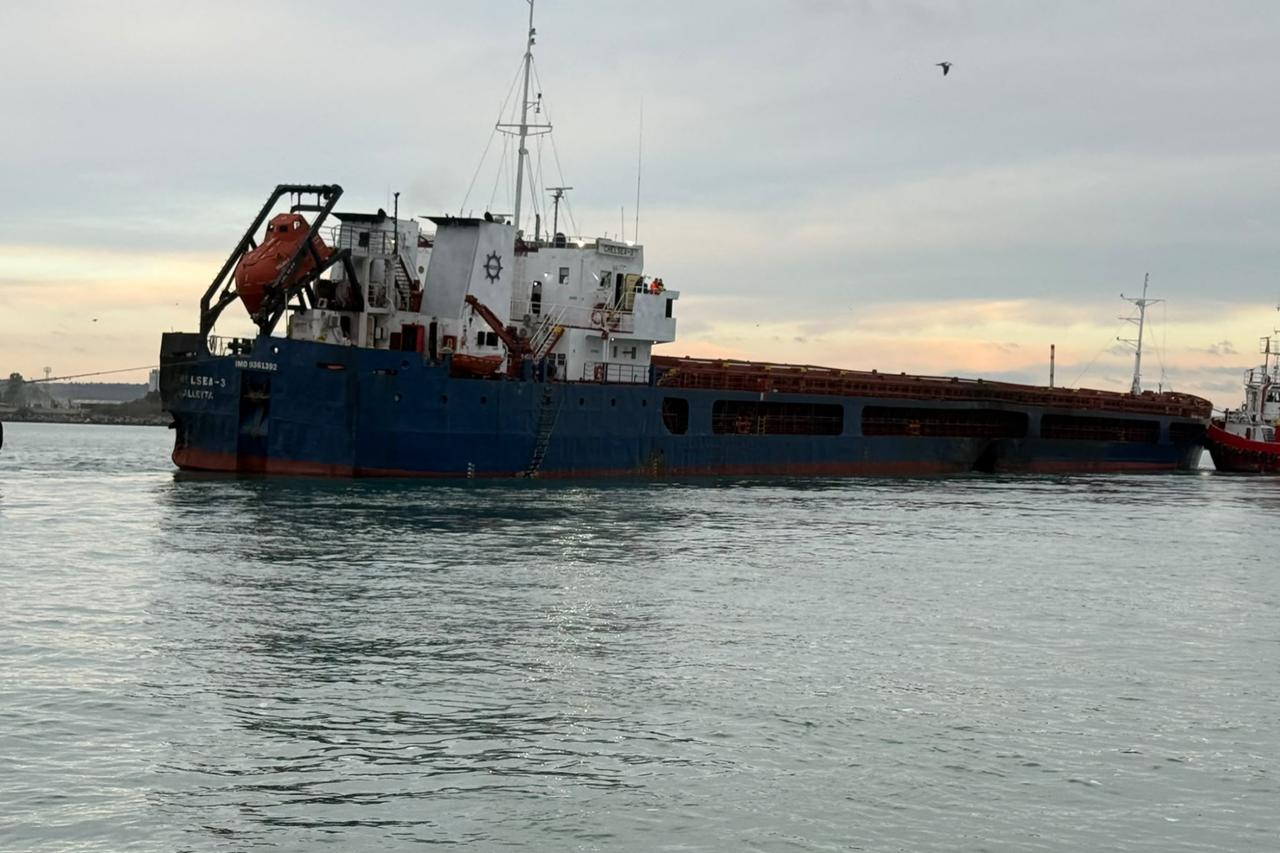
On Friday, the Comoros-flagged cargo ship Khoryv sank about 13 nautical miles from the Romanian port of Constanta after it sent a distress signal, Romanian officials said.
Of the 13 crew members, 10 Ukrainian and three Azerbaijani, another vessel rescued 10, one of whom had died, while three remained missing. Poor weather ruled out a helicopter rescue, the Romanian Naval Authority said.
President Nicusor Dan called the attack part of Russia’s escalation of the war, and Prime Minister Luca Niculescu described it as a flagrant violation of international law.
Moscow Times reporting on the incident did not include a Russian response.
The FT said the Greater Odesa ports handled fewer than 10 ships last month, compared with roughly 400 in July.
Insurers have extended their highest war risk designation to almost the entire Black Sea, excluding only the territorial waters of Romania, Bulgaria and Türkiye.
According to the newspaper, war insurance could reach 15% of a ship’s hull value, almost double the Gulf rate.
Bulgaria has also been affected. Ukrainian media reported that two cargo ships were struck off Bulgaria’s Black Sea coast on October 13, and Prime Minister Rumen Radev called the attacks “absolutely unacceptable.”
Türkiye called for a moratorium on ship attacks in August. Ukrainian media reported that Kyiv says it accepts the idea while Moscow has shown no interest.
A Turkish official told Reuters that Ankara had imposed temporary measures because of security concerns, and that transit through the Turkish straits remains open under the Montreux Convention, the 1936 treaty governing passage through the Bosphorus and Dardanelles.
After security talks on Tuesday, NATO said it was deploying additional aircraft, drones and radar systems to the area.
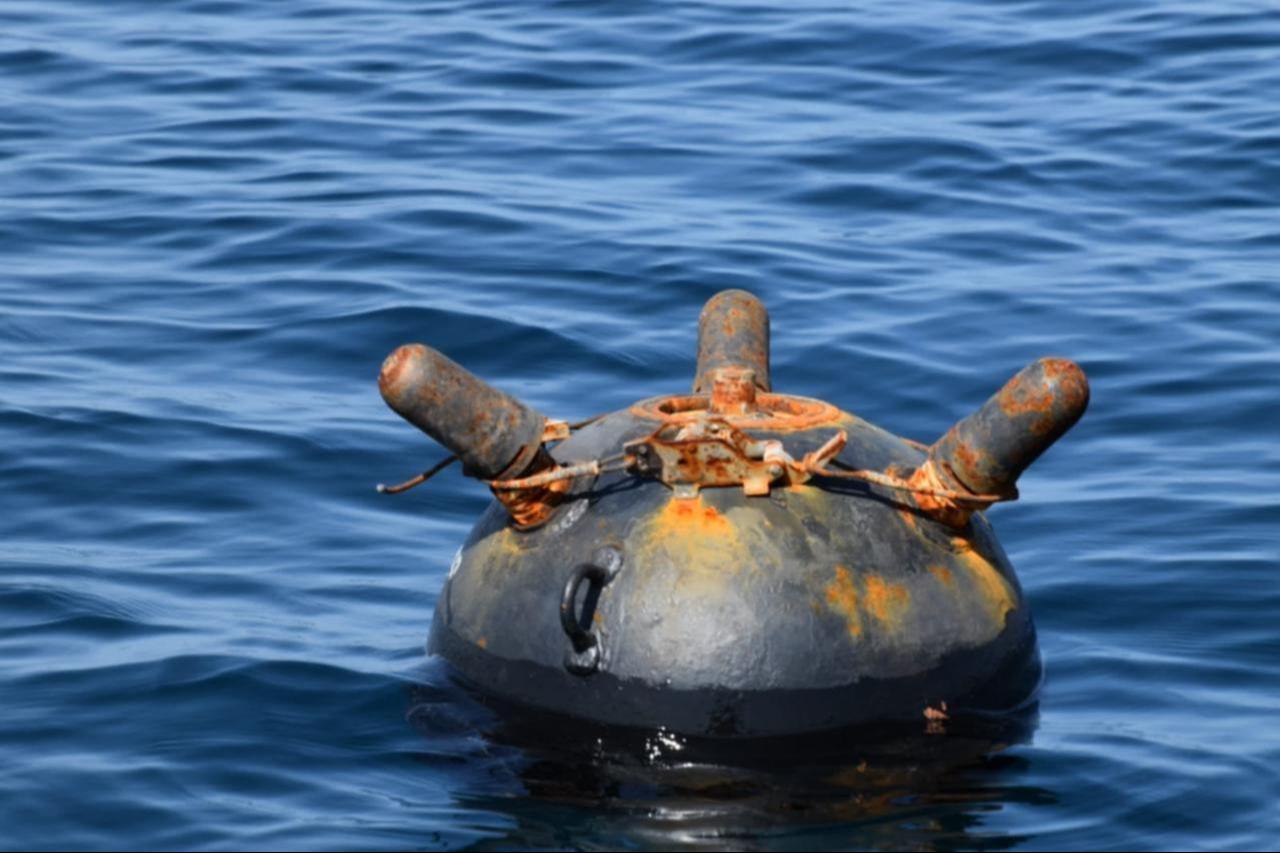
Romania’s Supreme Council for National Defense said threats to navigation and critical infrastructure had increased significantly, and the government is pursuing maritime surveillance, mine countermeasures and counter-drone capabilities.
Romania’s foreign minister said Bucharest is working with Bulgaria and Türkiye to speed up added surveillance. The FT also noted that the European Parliament has called for an EU naval operation in the Black Sea, though direct NATO intervention is considered highly unlikely.


 Set as preferred source
 Set as preferred source


 2 min read

 1 min read