Newsletters


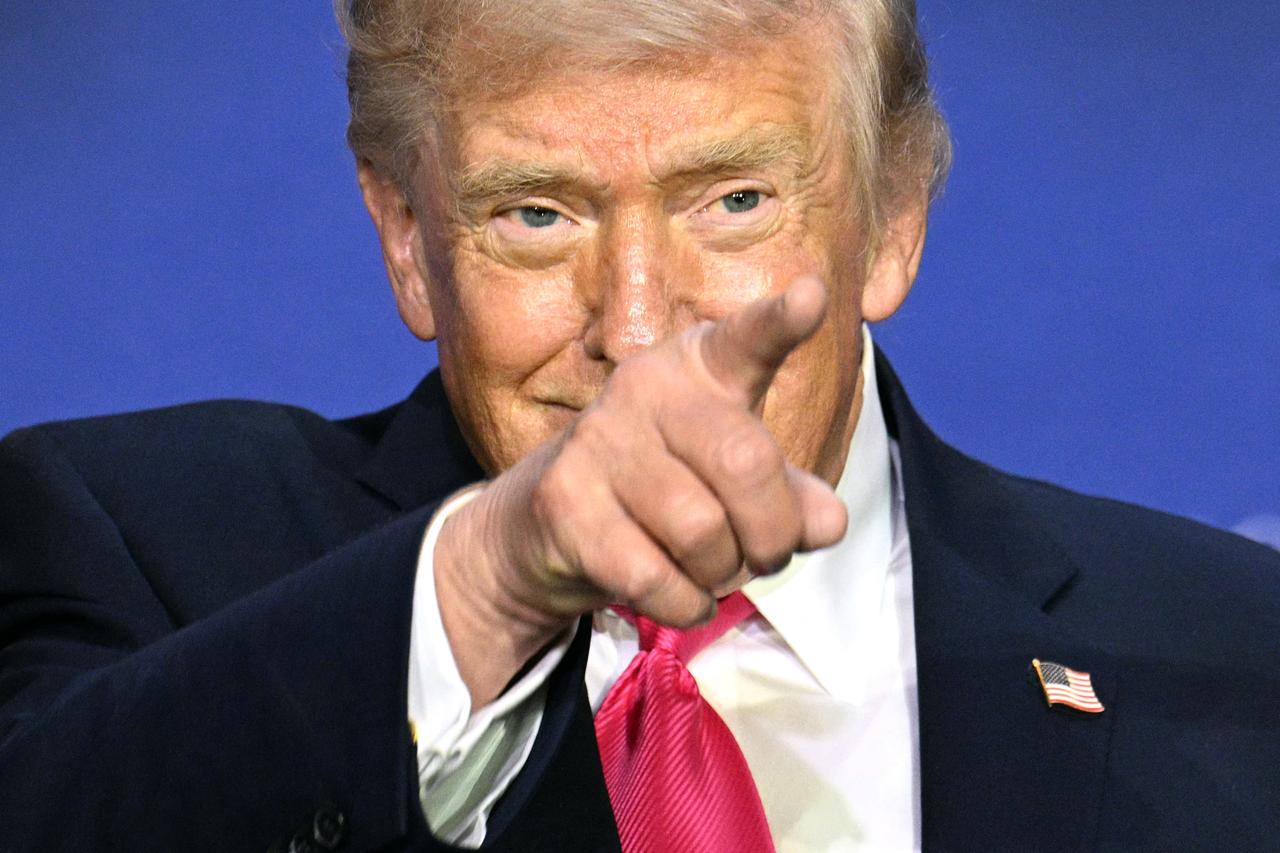
U.S. President Donald Trump said Saturday that the Iran ceasefire "maybe I won't extend" past its April 22 expiry, and that the naval blockade of Iranian ports "is going to remain" regardless.
He also warned that if no deal is reached with Tehran, "unfortunately, we'll have to start dropping bombs again," even as he told reporters there had been "some pretty good news about Iran 20 minutes ago" that he declined to elaborate on.
Trump addressed reporters aboard Air Force One while returning from a rally in Phoenix, Arizona.
"Maybe I won't extend it. So, you have a blockade, and unfortunately we'll have to start dropping bombs again," he said when asked about the ceasefire expiry.
The two-week ceasefire, which began April 8, is set to expire April 22. CENTCOM confirmed the blockade, which began Monday, has so far forced 21 ships to turn back toward Iran.
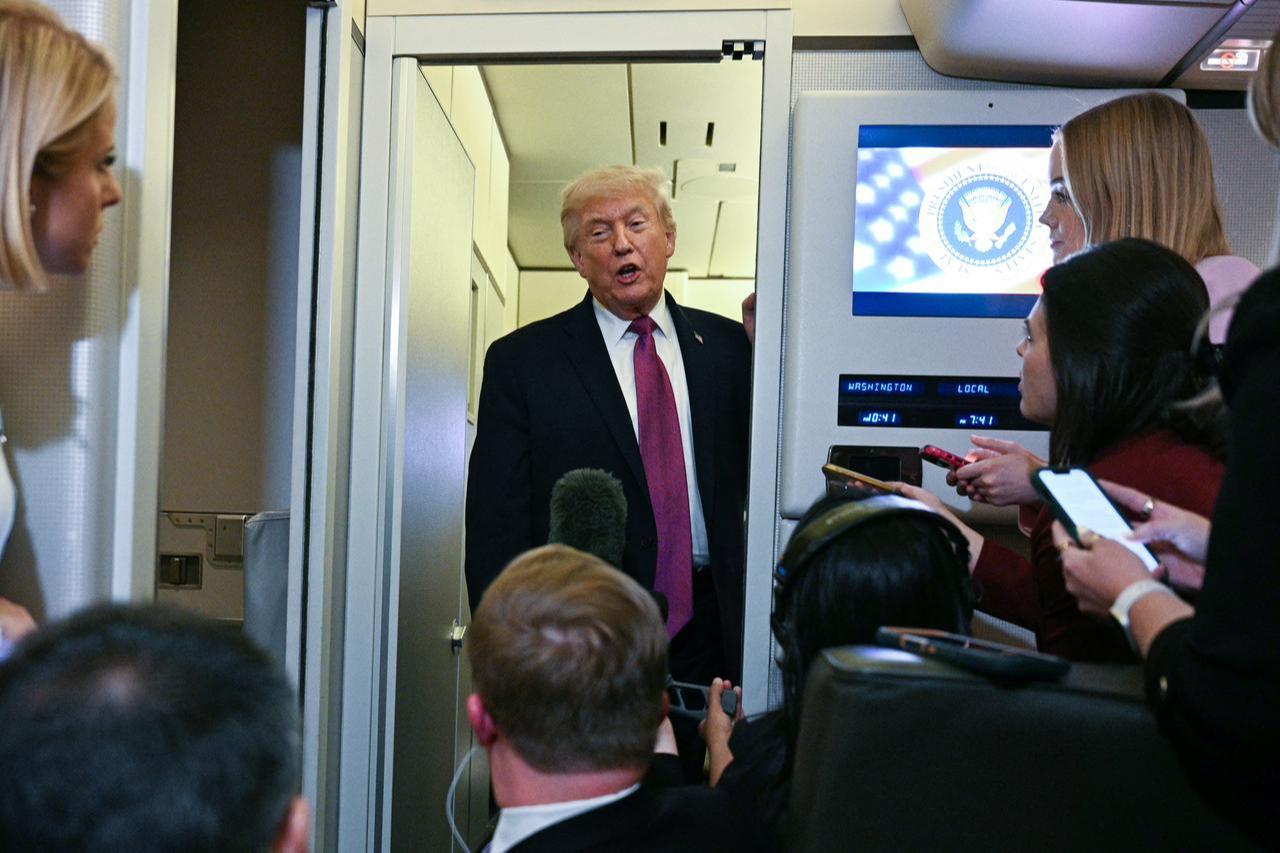

In a separate exchange aboard Air Force One, Trump offered a cryptic positive signal.
"We had some pretty good news 20 minutes ago, but it seems to be going very well in the Middle East with Iran," Trump said.
He added: "Many of these things have been negotiated and agreed to."
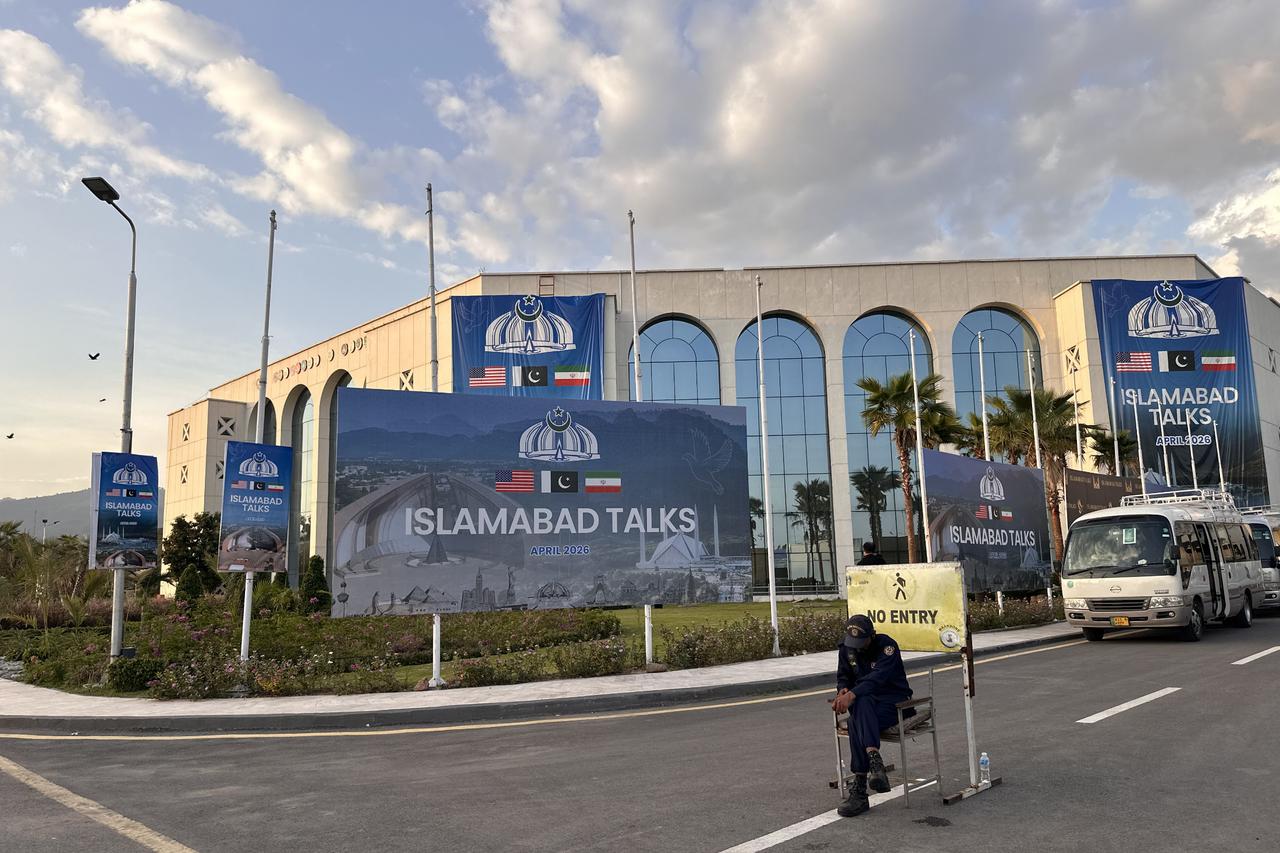
He told Reuters he expected more direct talks to take place "probably over the weekend" and said he "might" travel to Islamabad once a deal is made.
Trump said the U.S. would go into Iran "at a nice leisurely pace" to recover enriched uranium.
"We're going to go in with Iran, at a nice leisurely pace, and go down and start excavating with big machinery. We'll bring it back to the United States," he said in a Reuters phone interview, referring to the stockpile as "nuclear dust."
He also denied the $20 billion cash-for-uranium framework reported by Axios.
"It's totally false. No money is changing hands," Trump said, and later at his Arizona rally said, "no money will exchange hands in any way, shape or form."
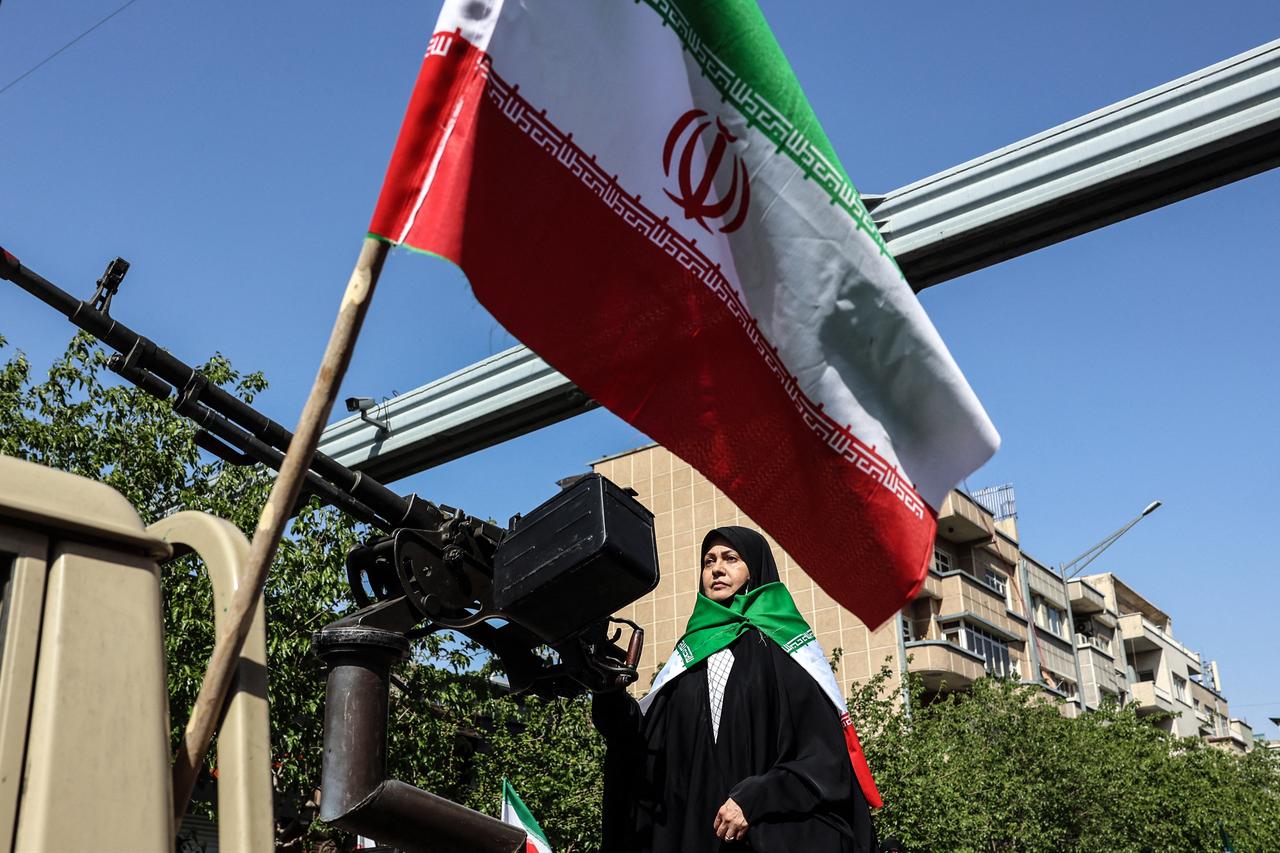
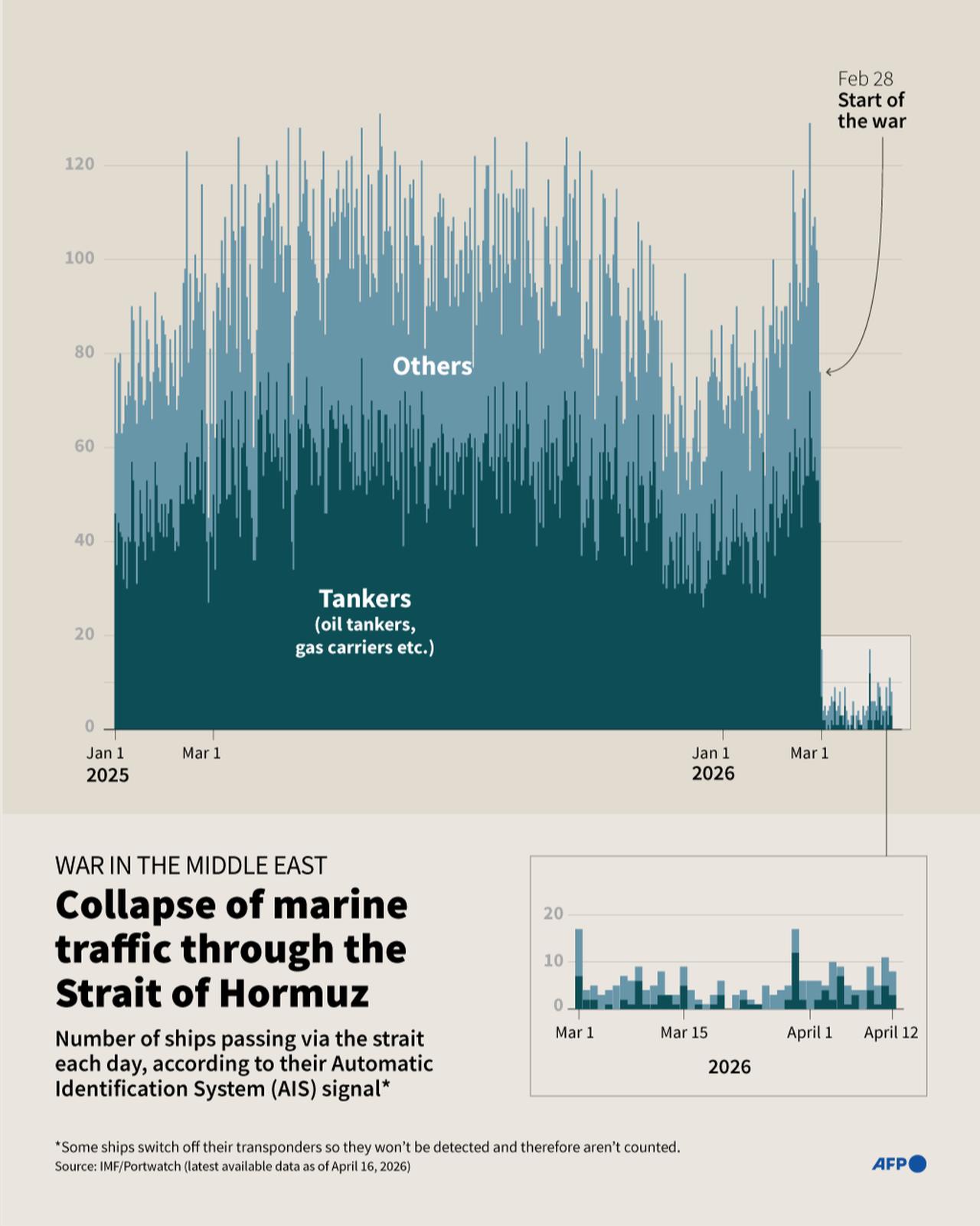
Iranian Foreign Minister Abbas Araghchi announced on social media that the strait was open for all commercial vessels for the duration of the 10-day Israel-Lebanon ceasefire.
Oil prices fell approximately 10% and global stocks jumped on the news.
However, Iran's parliament speaker Mohammad Bagher Ghalibaf immediately posted that the Strait of Hormuz "will not remain open" if the U.S. blockade continued.
Iran also said ships must coordinate with the IRGC before transiting, a condition that did not exist before the war, and confirmed that military vessels and ships linked to "hostile forces" remain blocked.
Vessel tracking data showed around 20 ships, including container ships, bulk carriers, and tankers, moving toward the strait Friday evening, but most turned back; it was unclear why.
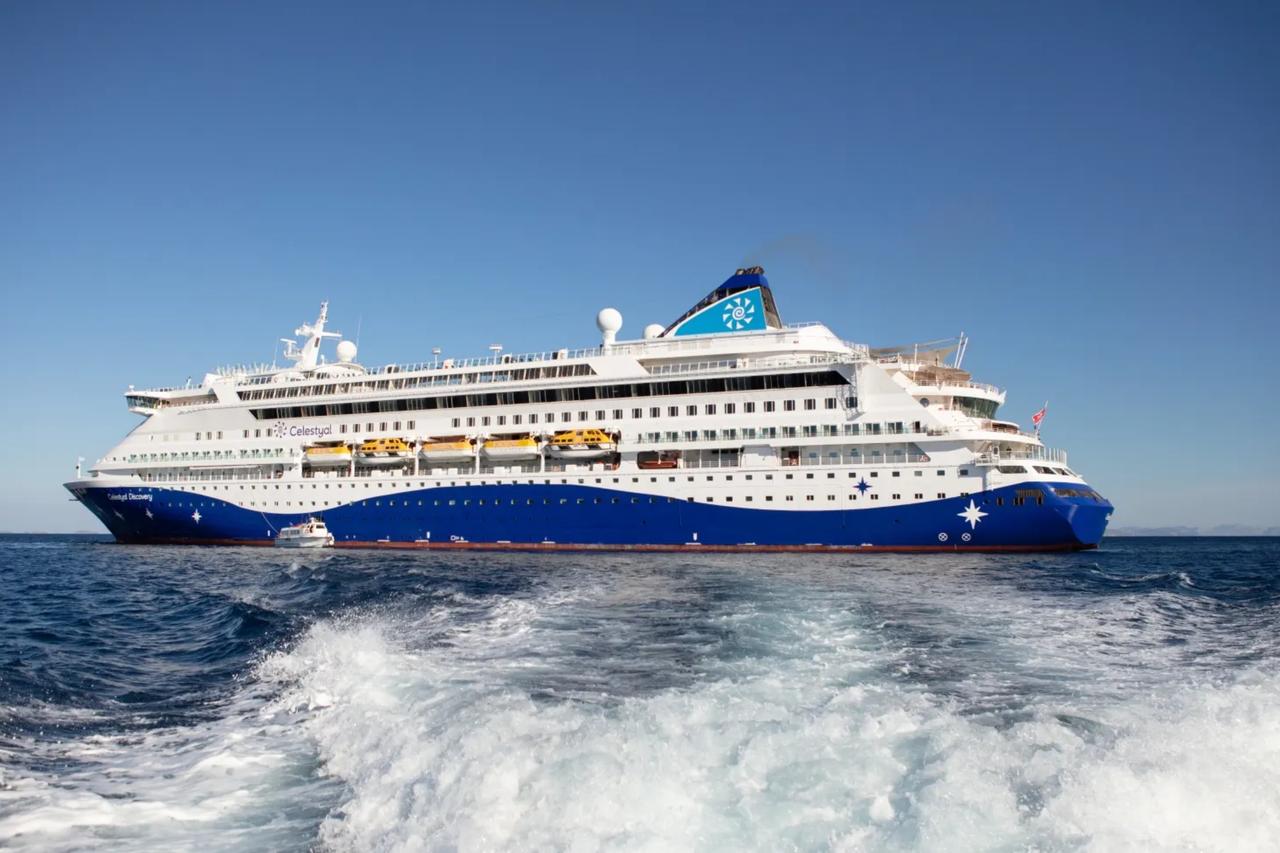
A CMA CGM-operated group of three container ships reversed course, though the company declined to comment. A cruise ship, the Celestyal Discovery, stranded in Dubai, crossed and was heading toward Oman Saturday morning.
The U.S. Navy issued a warning to seafarers that the mine threat in parts of the waterway was "not fully understood" and advised vessels to consider avoiding the area.
Iran's Foreign Ministry spokesperson Esmaeil Baqaei told state television that enriched uranium "is not going to be transferred anywhere; transferring uranium to the United States has not been an option for us", directly contradicting Trump's claim that Iran had agreed to give the U.S. "the nuclear dust."
A senior Iranian official separately told Reuters there had been agreement on unfreezing billions of dollars in Iranian assets as part of the accord, though no timeline was given.
Trump denied this at his Arizona rally.
An Iranian cleric at Friday prayers struck a defiant tone: "Our people do not negotiate while being humiliated."
More than a dozen countries said after a video conference on Friday that they were willing to join an international mission to protect shipping in the strait when conditions permit, according to Britain.
Pakistan's Army Chief Field Marshal Asim Munir has been holding talks in Tehran since Wednesday.
A Pakistani source familiar with mediation efforts said a meeting between Iran and the U.S. could produce an initial MoU, followed by a comprehensive peace agreement within 60 days.


 Set as preferred source
 Set as preferred source


 1 min read
 1 min read