Newsletters


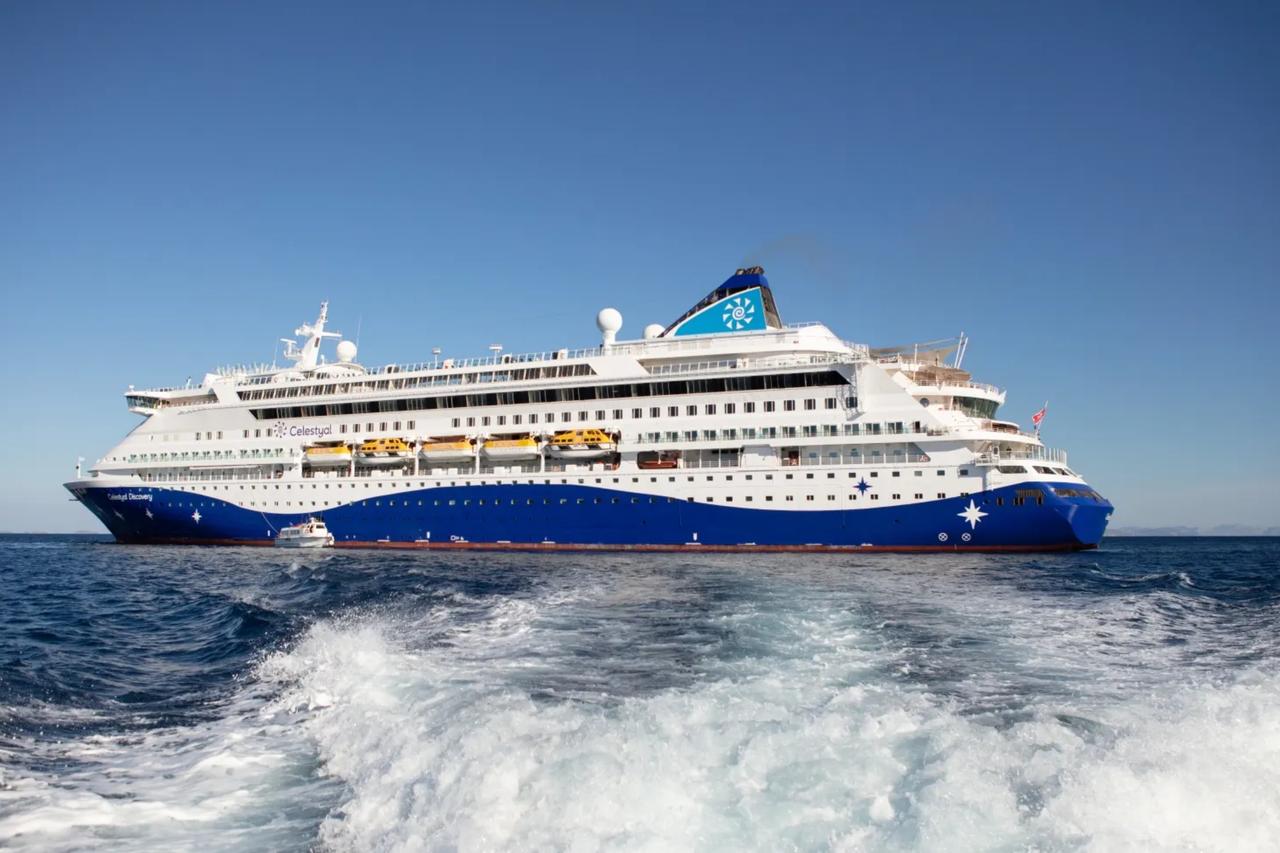


The Malta-flagged cruise ship Celestyal Discovery passed through the Strait of Hormuz on Friday, becoming the first confirmed transit since the strategic route reopened after weeks of disruption.
Operated by Greece-based Celestyal Cruises, the vessel had remained in the Arabian Gulf since early March, according to tracking data, before making its passage through the strait.
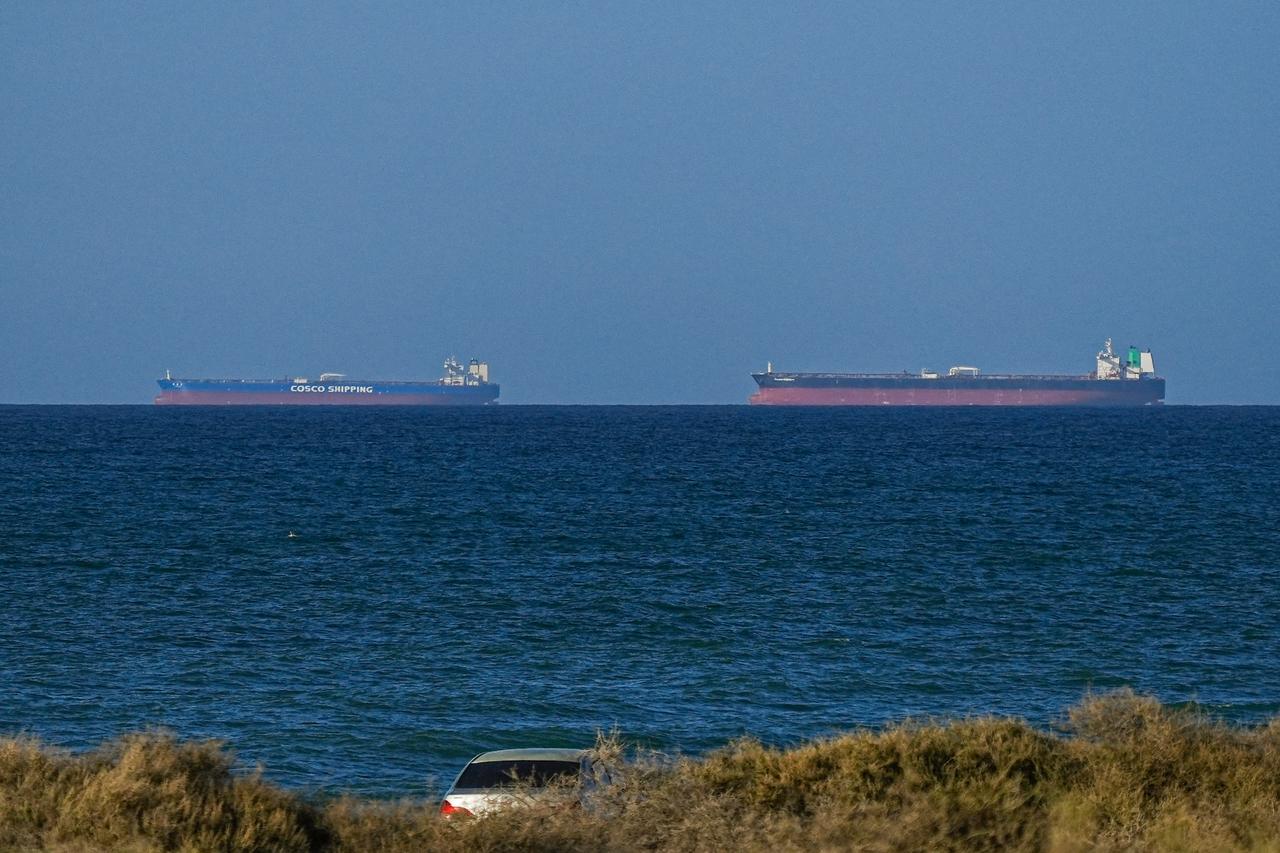
The crossing marks a breakthrough in maritime traffic conditions after nearly 2,000 vessels were stranded in the Gulf region when Iran imposed restrictions following U.S.-Israeli strikes on Feb. 28.
U.S. President Donald Trump said the waterway is "completely open," while noting that a U.S. naval blockade targeting Iranian ports will remain in place until transactions with Tehran are "100% complete."
He added that Iran would not attempt to shut the strait again.
Iran’s Foreign Minister Abbas Araghchi, meanwhile, confirmed that commercial vessels are now allowed to pass following the Lebanon ceasefire, with access set to remain in place until the truce expires.
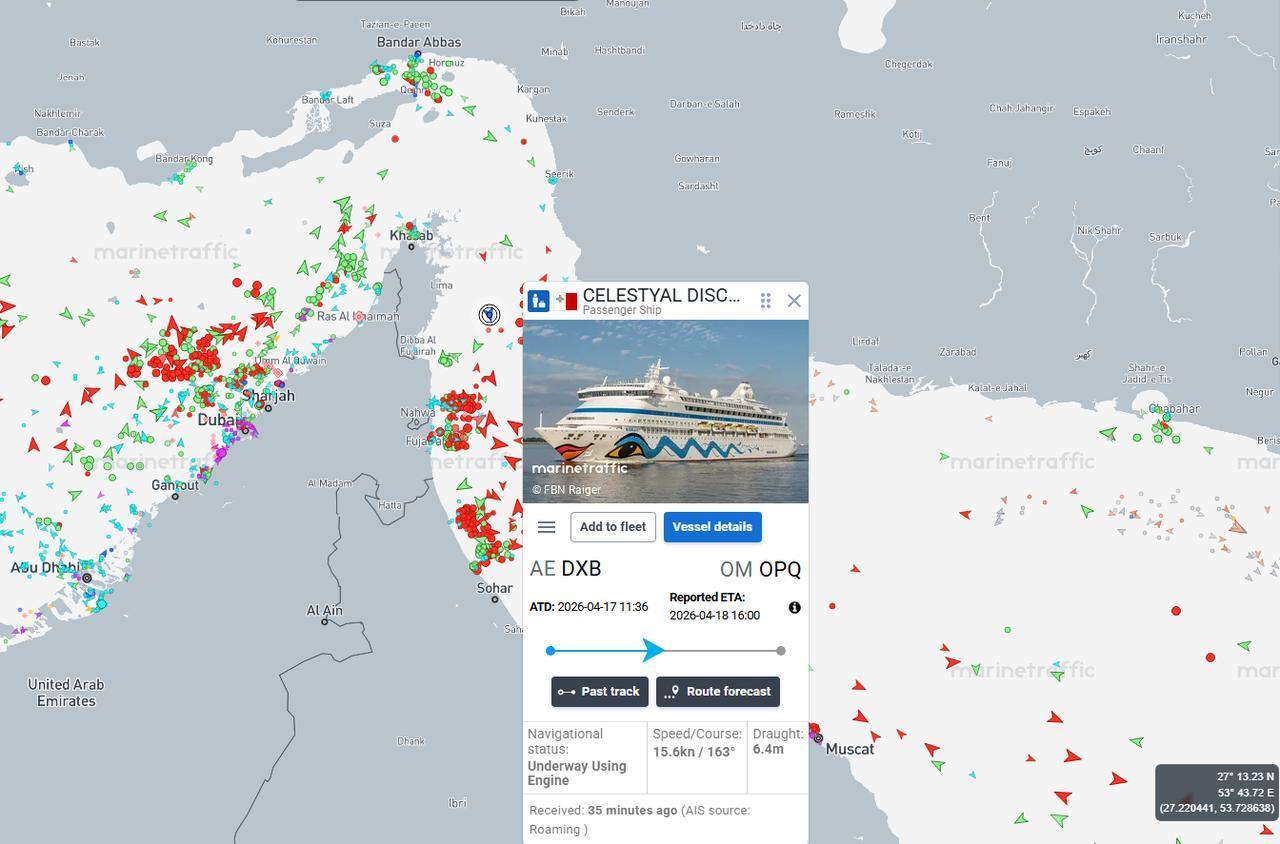

European leaders moved to reinforce the reopening with a coordinated maritime plan. France, the United Kingdom, Germany, and Italy called for the immediate restoration of passage "with no tolls and no restrictions" during a joint appearance in Paris.
The meeting, co-chaired by Paris and London, centered on a proposed multinational mission aimed at safeguarding shipping routes through the strait.
French President Emmanuel Macron indicated that preparations are being intensified alongside the United Kingdom to establish what he described as a neutral force to accompany and secure merchant vessels.
"We will strengthen and accelerate the planning efforts we have already launched," Macron noted, pointing to coordination with maritime stakeholders to restore confidence in shipping activity.
German Chancellor Friedrich Merz signaled readiness to support the effort, outlining potential contributions such as mine clearance and maritime reconnaissance, though he stressed that legal and political conditions must first be met.
He added that any deployment would require a clear legal mandate, such as a United Nations Security Council resolution, once hostilities fully end.


 Set as preferred source
 Set as preferred source


 1 min read
 1 min read