Newsletters




A potential agreement between Washington and Tehran is taking shape, U.S. President Donald Trump said on Friday, stating that Iran has agreed to permanently stop its nuclear program without receiving $20 billion in frozen assets, as he also insisted that Israel "has to stop" its attacks in Lebanon.
The outline of the deal, still awaiting formalization, is largely settled, Trump stated, pointing to rapid progress ahead of expected talks over the weekend.
Negotiations to end the conflict have reached an advanced stage, with only limited issues left unresolved, Trump told Bloomberg in an interview.
"Most of the main points are finalized. It’ll go pretty quickly," he said, suggesting that the remaining steps are procedural rather than substantive.
He rejected any notion of a time-bound arrangement, stressing that the nuclear restrictions would not expire. Asked directly about the duration, Trump responded: "No years, unlimited."
The composition of the U.S. team for the next round of talks remains undecided. Trump said he has not finalized who will represent Washington, leaving open the possibility that he could attend himself.
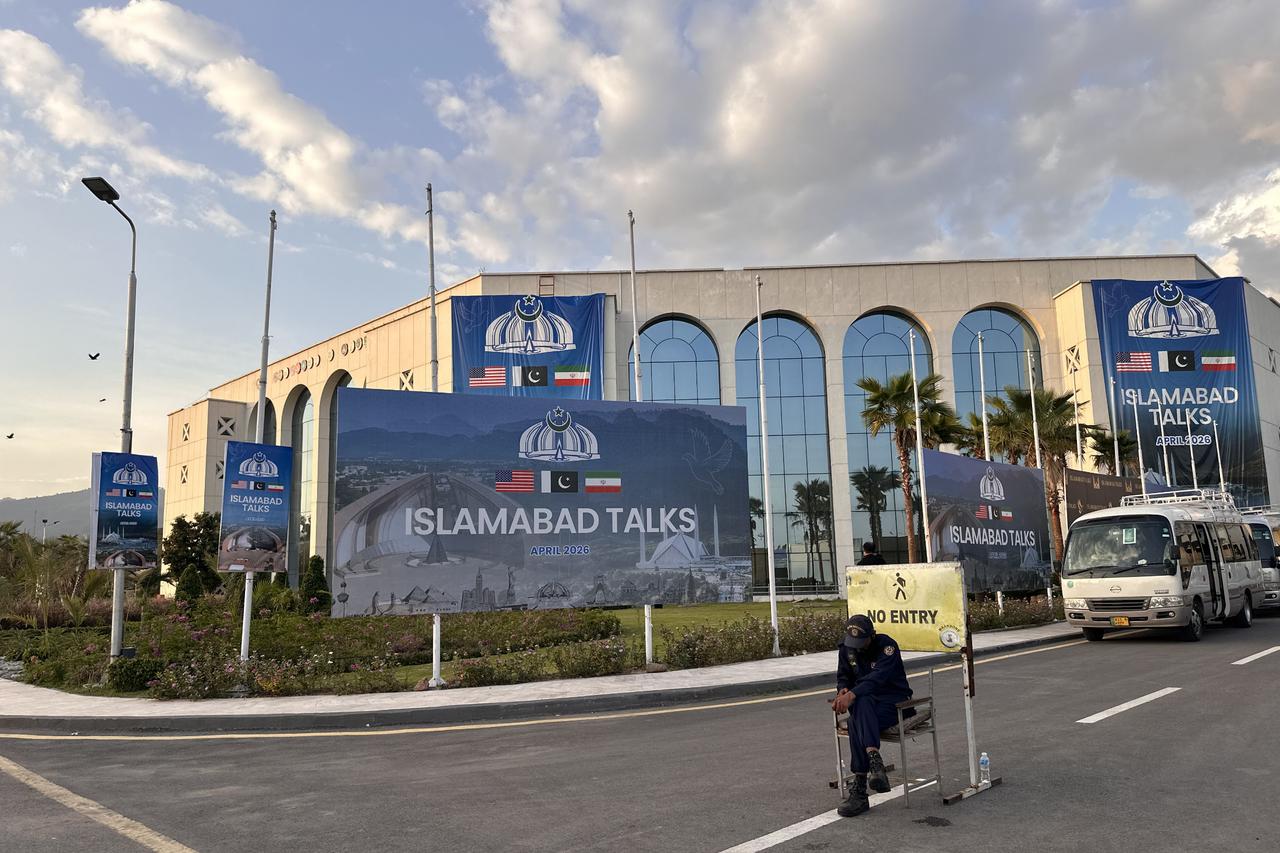
"I may," he noted when asked about traveling to Pakistan, which has hosted recent negotiations.
Vice President JD Vance led discussions with Iranian officials last weekend. Trump is now considering sending him again, alongside Jared Kushner and envoy Steve Witkoff, as efforts shift toward sealing an agreement.
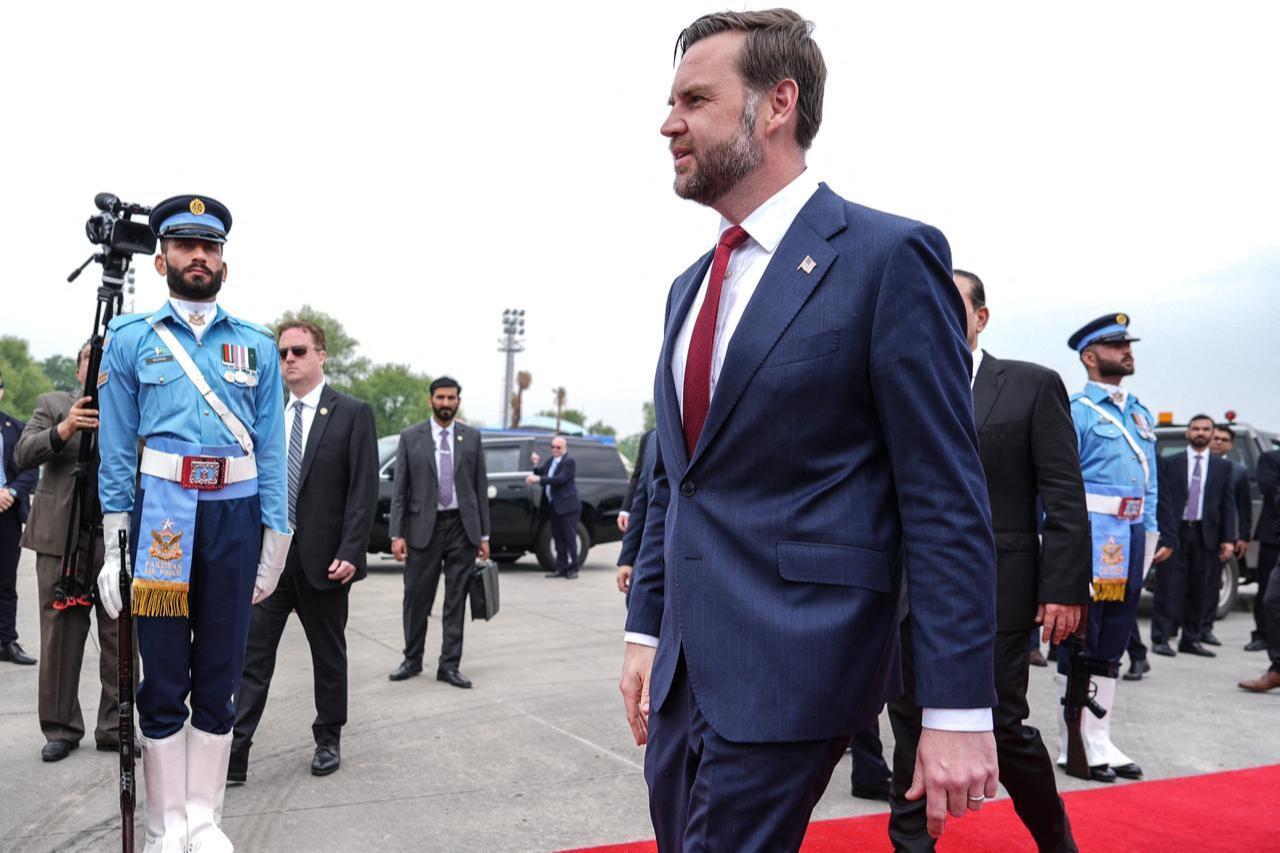

Trump also struck an optimistic tone about the timeline, telling Axios that U.S. and Iranian negotiators are likely to meet over the weekend and could finalize an agreement within days.
"The Iranians want to meet. They want to make a deal. I think a meeting will probably take place over the weekend. I think we will get a deal in the next day or two," he said.
Despite the momentum, gaps remain on key issues, according to officials familiar with the talks, even as both sides move closer to a framework agreement.
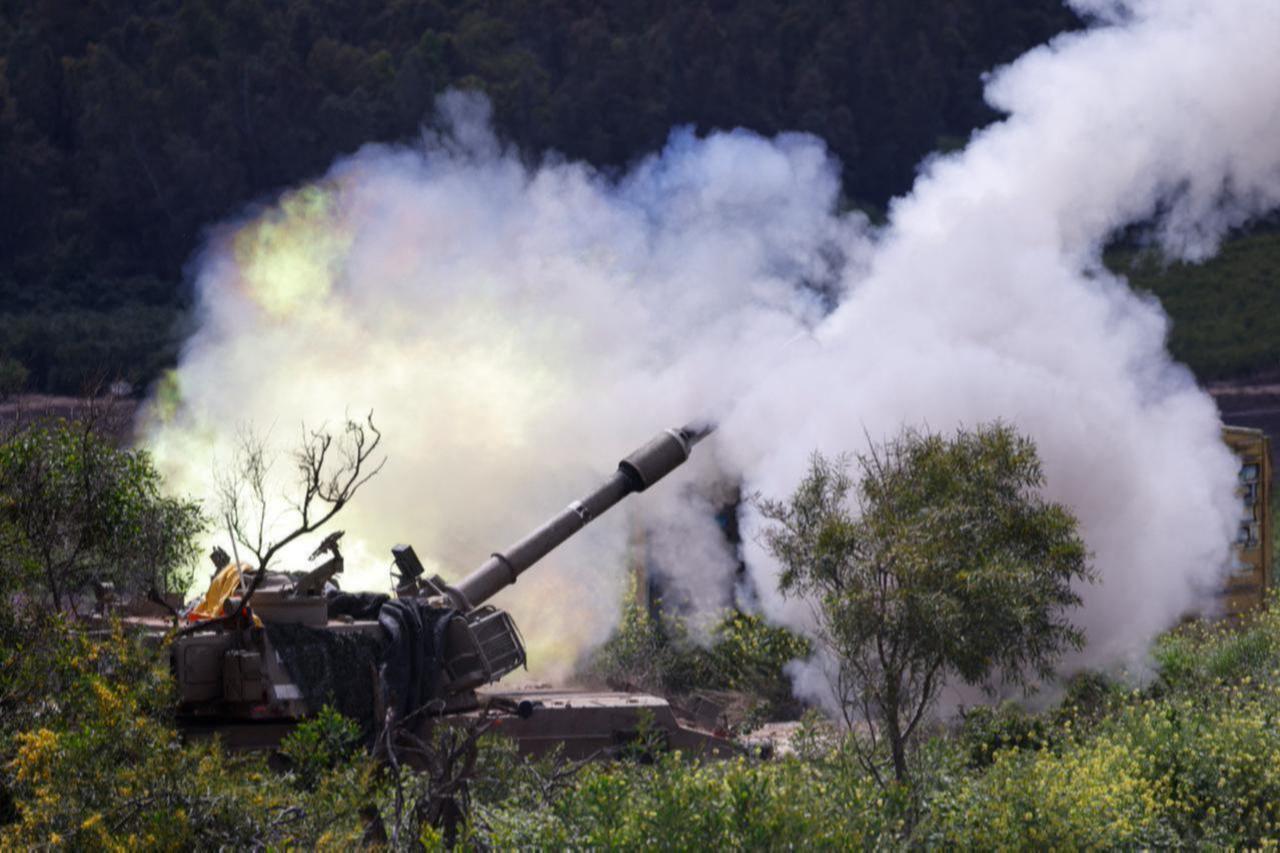
He also framed the potential agreement as a security outcome for Israel, saying it would "make Israel safe," while pressing for an end to Israeli strikes in Lebanon.
"Israel has to stop. They can't continue to blow buildings up. I am not gonna allow it," he said.
Separately, Pakistan, which has facilitated dialogue between the two sides, signaled that negotiations are approaching their final stage but still require compromise.
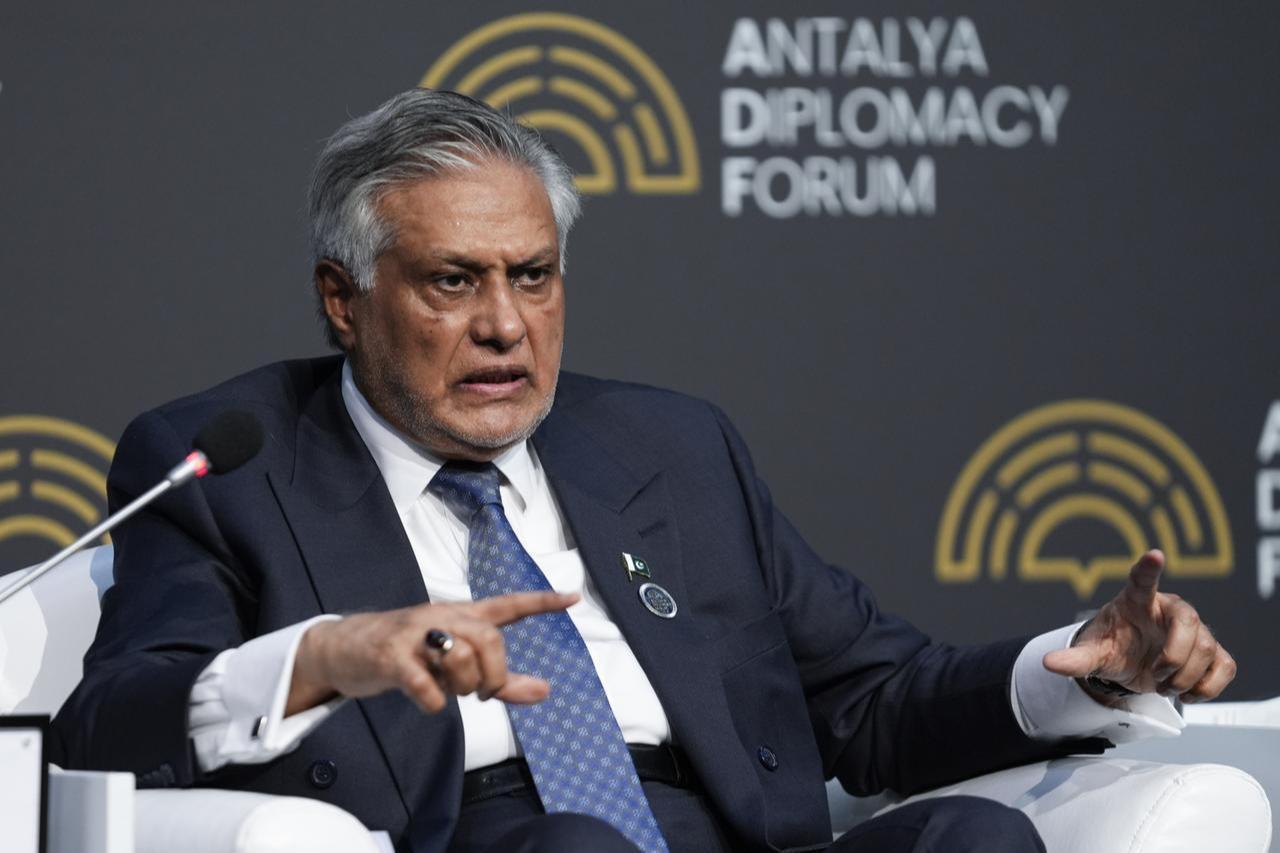
Foreign Minister Ishaq Dar, speaking at the Antalya Diplomacy Forum in Türkiye, emphasized that the objective is not a temporary pause but a lasting end to the conflict.
"Our main objective is the permanent termination of war," Dar said, adding that "more than 80% of the work has been done."
He urged both Washington and Tehran to "show flexibility" as discussions move toward closure.
Pakistan previously brokered a 14-day ceasefire on April 8 and has hosted the highest-level contacts between the two countries since their diplomatic ties were cut in 1979.
While diplomatic progress accelerates, tensions persist around the Strait of Hormuz, a critical route for global energy shipments.
Iran announced Friday that the waterway is fully open to commercial traffic following the implementation of a U.S.-backed ceasefire to halt Israeli strikes in Lebanon, marking a shift after weeks of restricted access since the outbreak of war.
The reopening, however, comes with conditions. Iranian media indicated that vessels must coordinate with its forces while transiting the strait.
At the same time, the United States continues to enforce a blockade on shipping linked to Iranian ports. Trump said that these restrictions will remain in place until a final agreement is secured, framing them as leverage in the negotiations.
Iran has warned it could shut the strait again if the blockade continues.
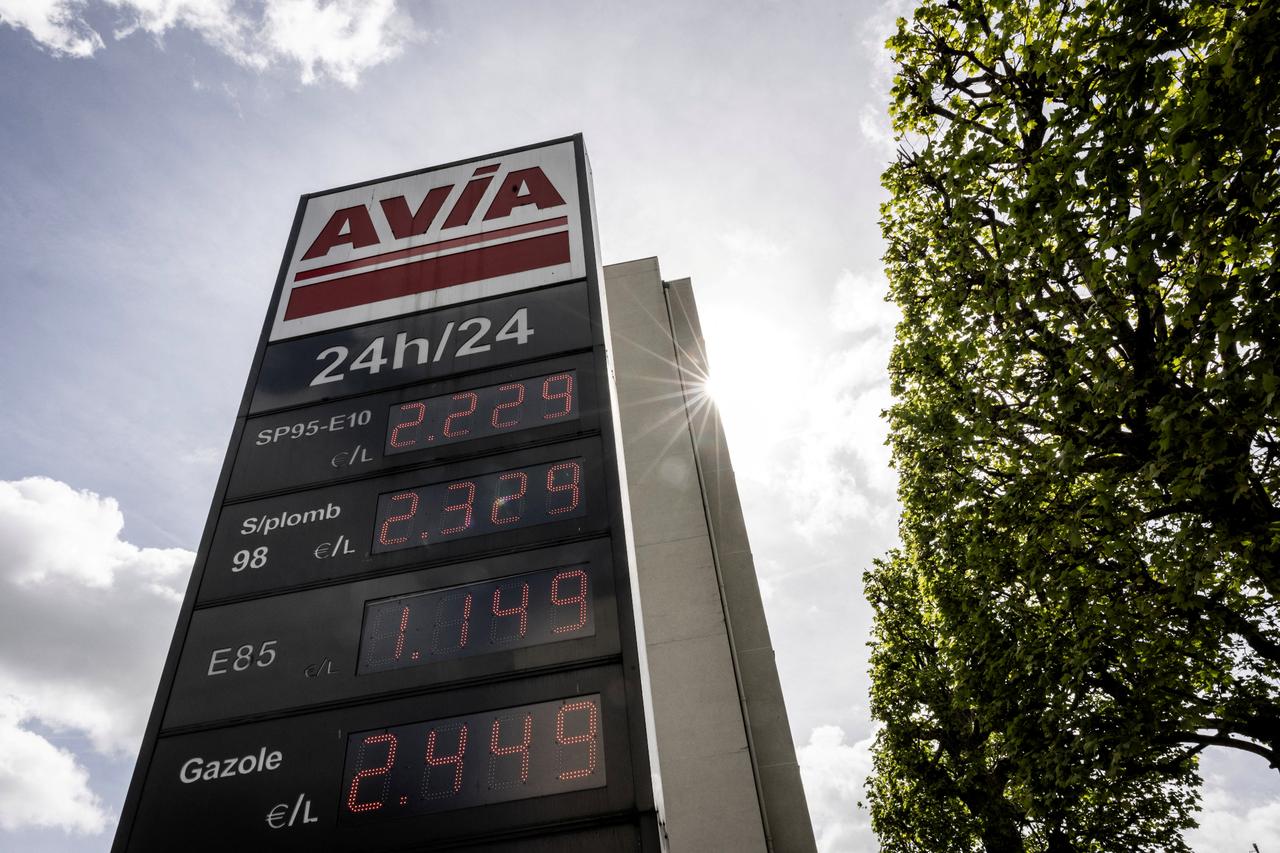
The strategic waterway has remained central to the conflict since Tehran tightened its control in late February, disrupting maritime flows and raising concerns over global energy supply.


 Set as preferred source
 Set as preferred source


 1 min read
 1 min read