Newsletters




This article was originally written for Türkiye Today’s bi-weekly Balkans newsletter, BalkanLine, in its May 15, 2026 issue. Please make sure you are subscribed to the newsletter by clicking here.
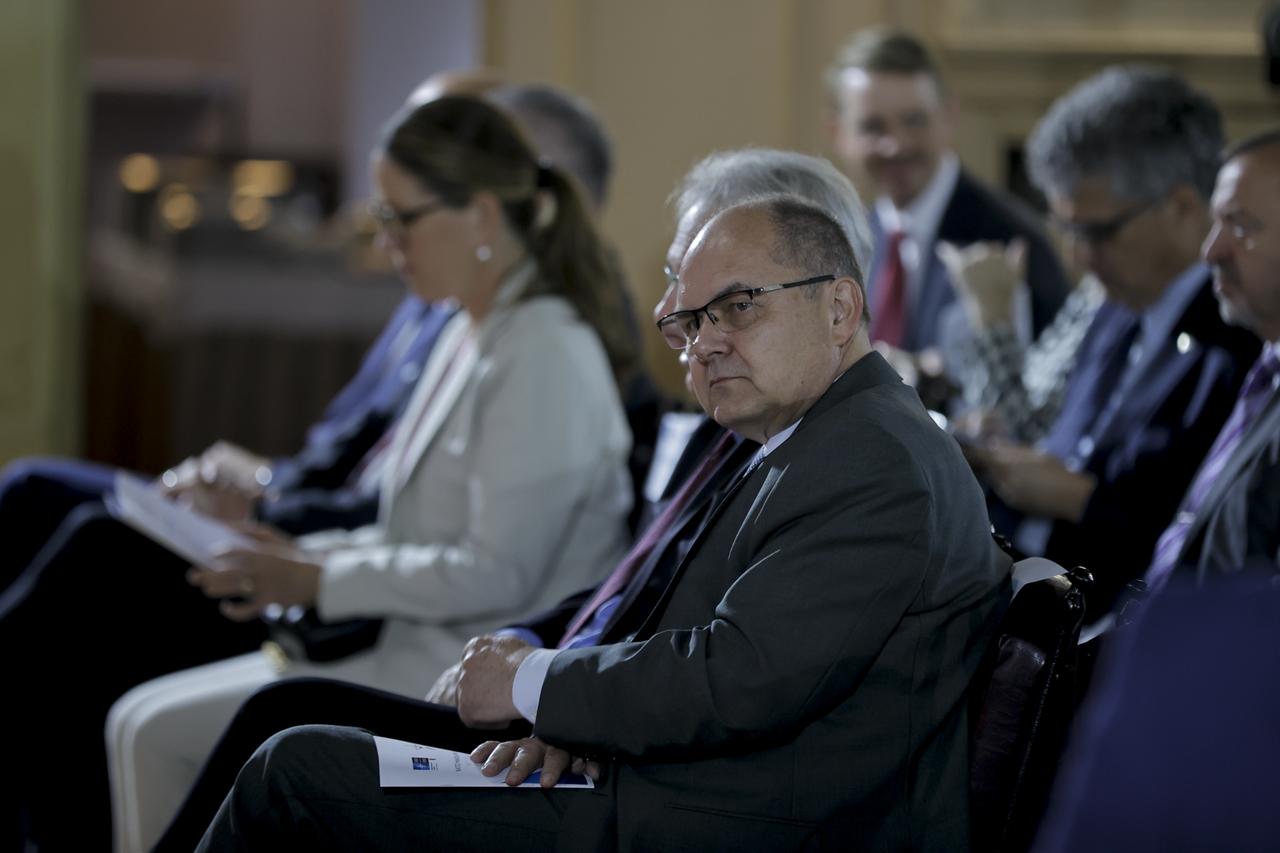
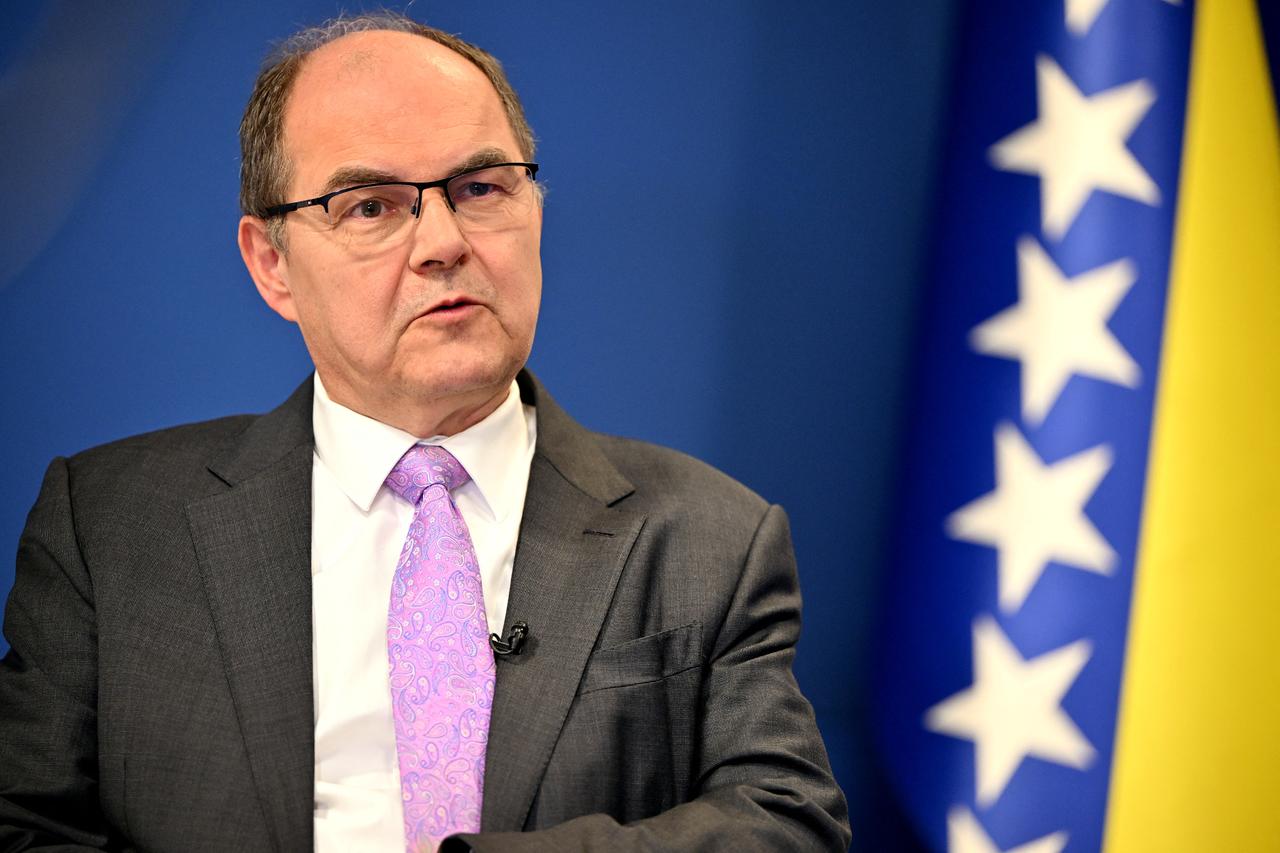
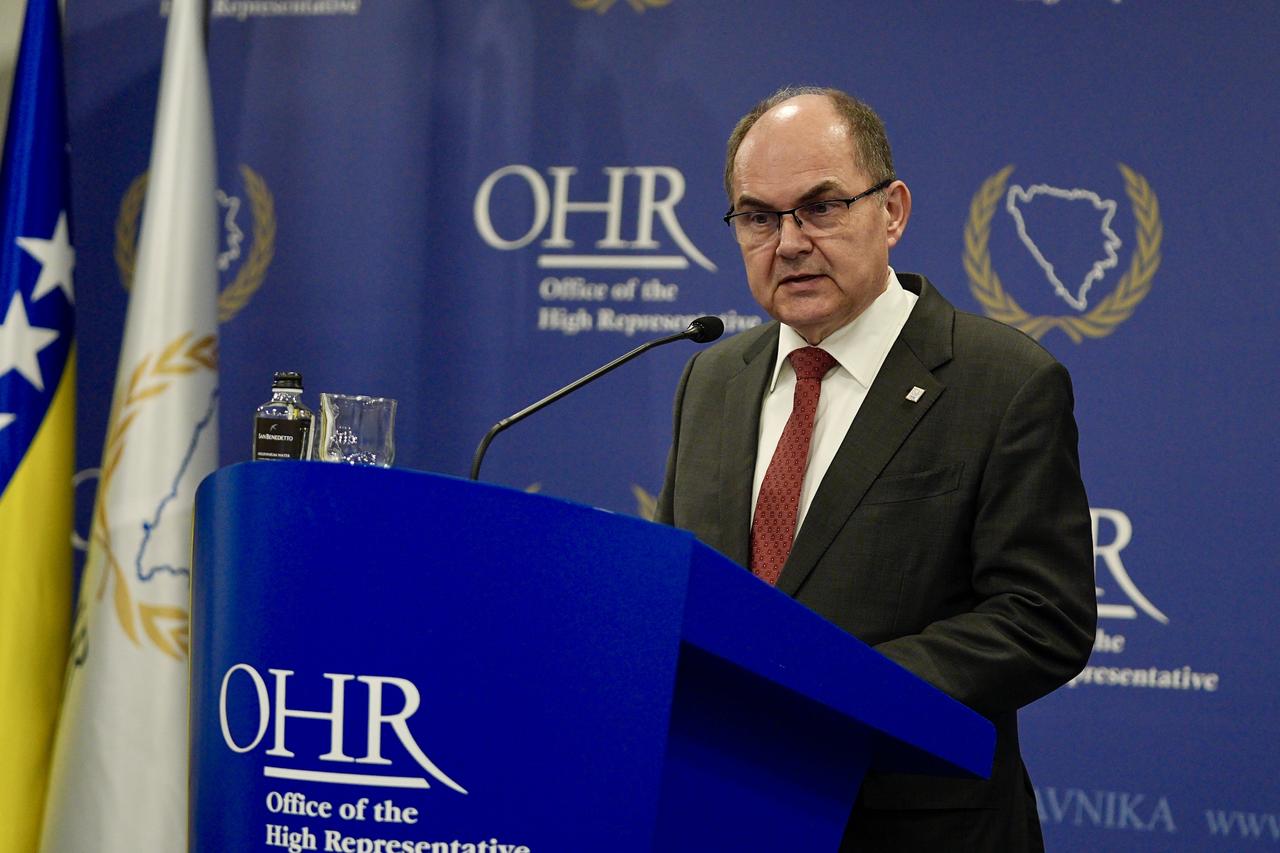
Christian Schmidt’s resignation has hit Bosnia and Herzegovina just as it enters a politically sensitive election year.
The international envoy overseeing the civilian implementation of the Dayton Peace Agreement confirmed that he will leave the Office of the High Representative (OHR) in June, citing personal reasons.
Yet, the timing has immediately pushed his departure beyond the level of a routine institutional transition.
Bosnia is scheduled to hold general elections on Oct. 4, when voters will choose members of the tripartite presidency, the national parliament and entity-level assemblies. That means the question of Schmidt’s successor will unfold not in a calm political environment, but during an election cycle already shaped by institutional paralysis, nationalist rhetoric and disputes over the future of the state.
For Republika Srpska’s leadership, especially Milorad Dodik, Schmidt became the symbol of everything they rejected in post-Dayton Bosnia: foreign supervision, Western intervention and an authority they argued lacked legitimacy because his appointment was not endorsed by the U.N. Security Council.
Every use of the Bonn Powers deepened that confrontation. When Schmidt annulled Republika Srpska legislation, amended laws or defended state institutions against separatist moves, he became a larger political target in Banja Luka.
But criticism of Schmidt was never limited to Republika Srpska.
In Sarajevo, many Bosniak and civic-oriented politicians accused him of accommodating Croat nationalist demands, especially after his controversial 2022 election-night changes to the Federation’s constitution and electoral system.
That made Schmidt a rare figure in Bosnia: an international official opposed by almost every political camp, but for entirely different reasons.
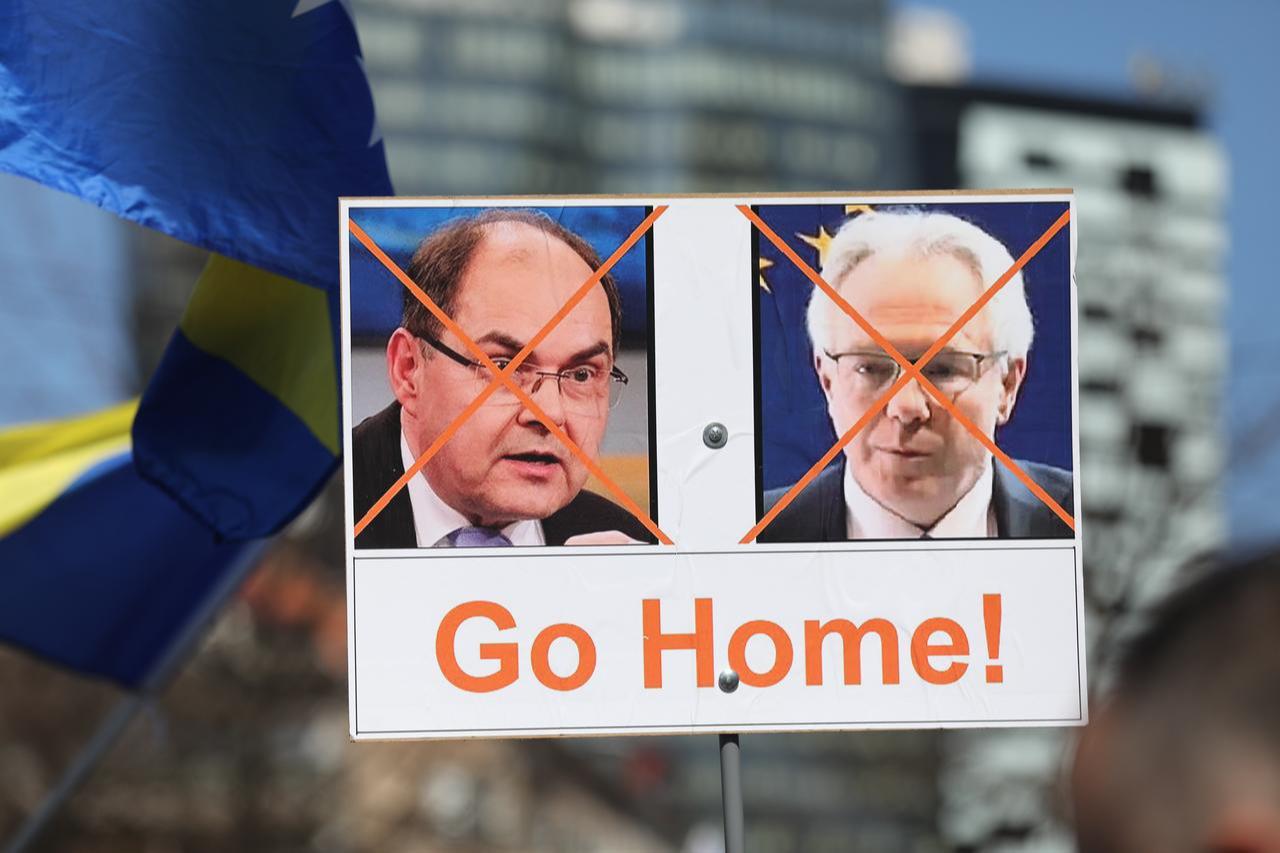

Russia, which never recognized Schmidt’s appointment, used his resignation to renew calls for the immediate closure of the OHR.
Washington’s reaction pointed in a different but equally significant direction. U.S. Deputy Ambassador to the U.N. Tammy Bruce said the next high representative should operate with a more limited mandate, describing Schmidt’s departure as the end of one phase of international presence in Bosnia rather than a victory or defeat for any side.
And I think that is where the deeper uncertainty begins.
The debate is no longer only about who succeeds Schmidt. It is about what the future role of international supervision in Bosnia is supposed to look like.
A weakened or contested OHR could encourage local political actors to test institutional boundaries ahead of elections. A rushed succession process risks deepening legitimacy disputes. A prolonged transition could leave Bosnia entering the campaign season without clarity over one of the central pillars of the post-Dayton order.
The issue also exposes a contradiction the West has struggled to reconcile for years.
Bosnia has simultaneously been presented as a sovereign European democracy moving toward EU integration and as a country still requiring strong international supervision to preserve institutional stability.
Schmidt’s resignation forces that contradiction back into the open.
If the OHR remains indispensable, then Western actors need a coherent long-term strategy for its future. If international oversight is gradually being reduced, then the transition will need to be managed carefully enough to avoid creating a political vacuum during one of Bosnia’s most consequential election periods in recent years.
As Nafisa Latic emphasized in her op-ed for Türkiye Today, Bosnia’s crisis is no longer only domestic. It is increasingly geopolitical.
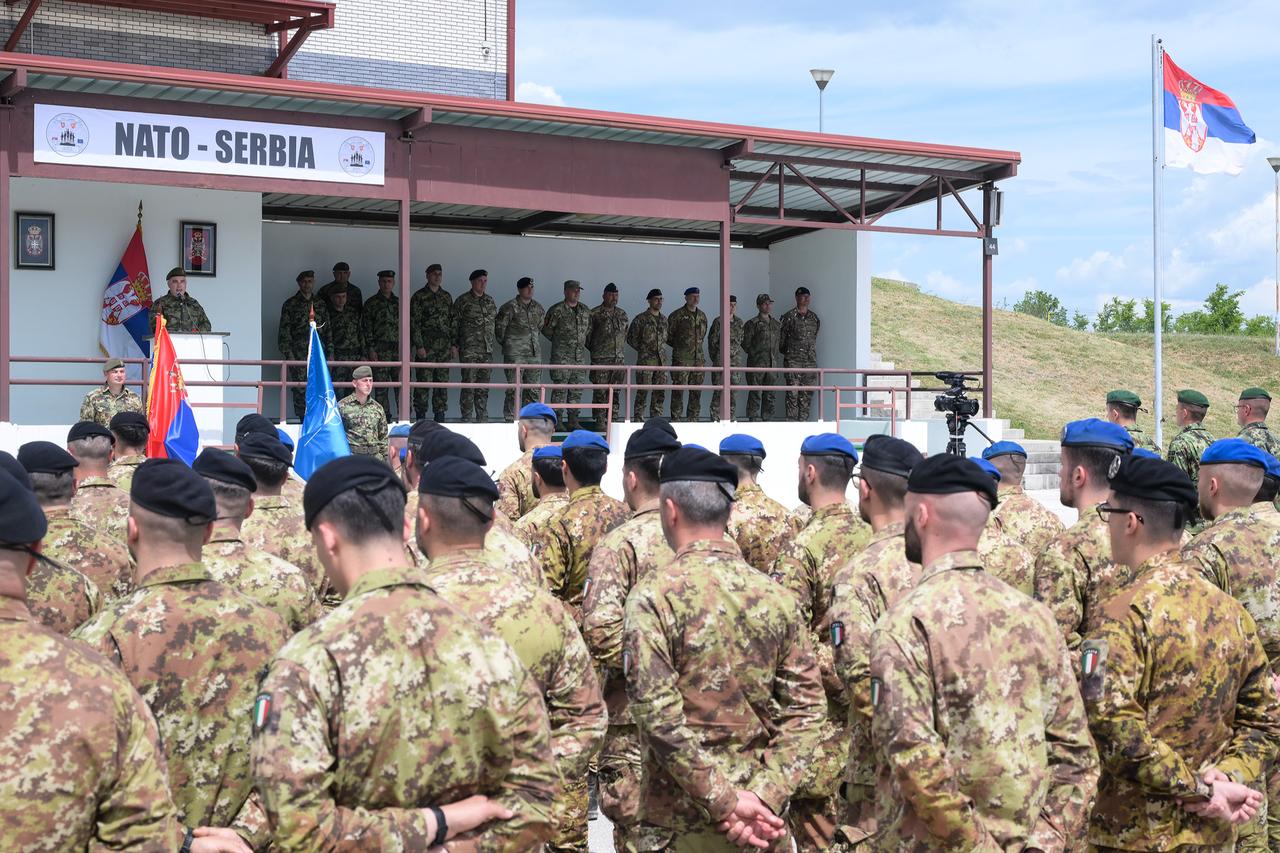
Elsewhere in the region, a familiar “strategic balancing” act was on display.
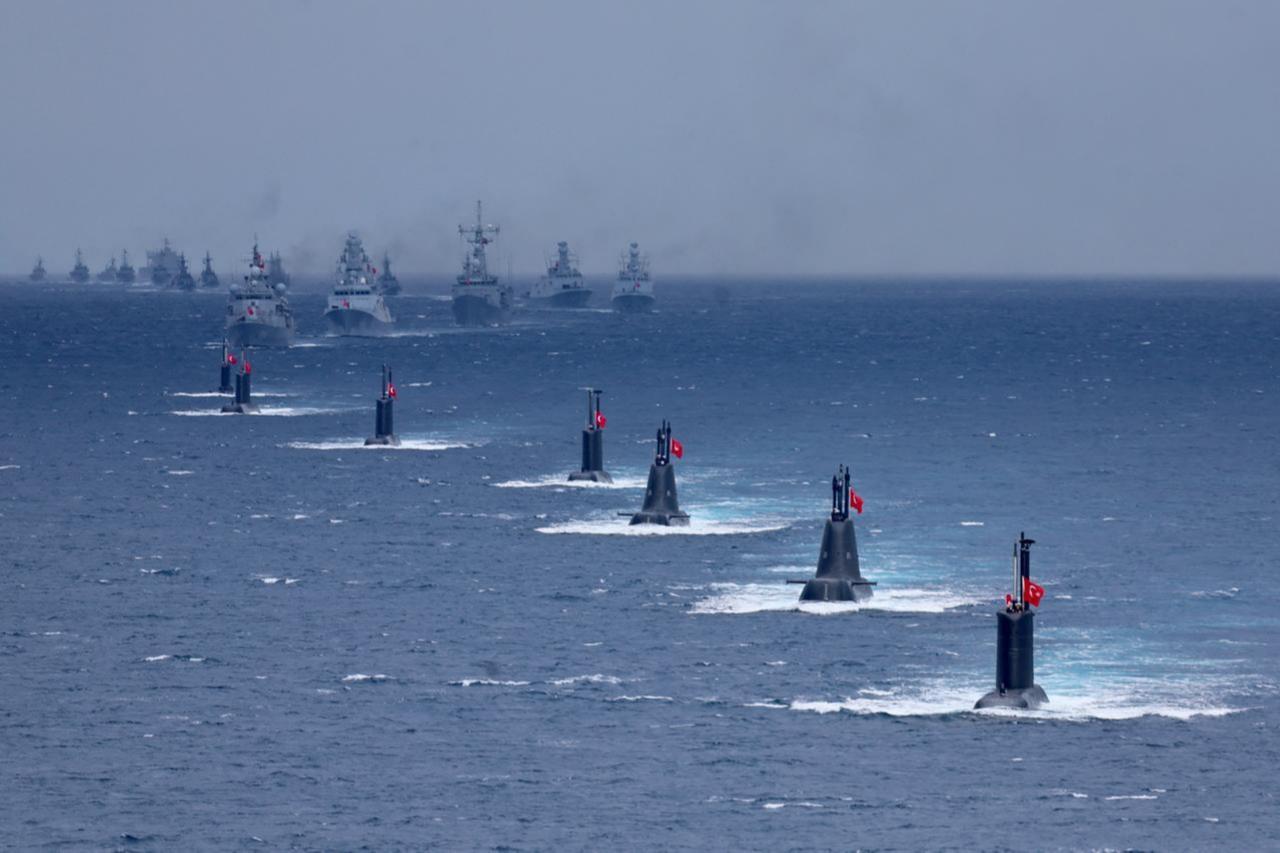
Serbia hosted its first-ever direct joint military exercise with NATO, involving troops from Serbia, Italy, Romania and Türkiye.
The drills took place under the Partnership for Peace framework and in line with Belgrade’s declared military neutrality.
However, the symbolism is difficult to ignore.
 1 min read
Serbia remains outside NATO, maintains close ties with Russia, yet Serbian and NATO soldiers are now training side by side in southern Serbia.
This is not a Serbian pivot toward NATO. That would be too simplistic.
It is something far more familiar to the Balkans: strategic balancing.
And increasingly, the region’s political future may depend on how long that balance can still hold.


 Set as preferred source
 Set as preferred source


 1 min read