Newsletters


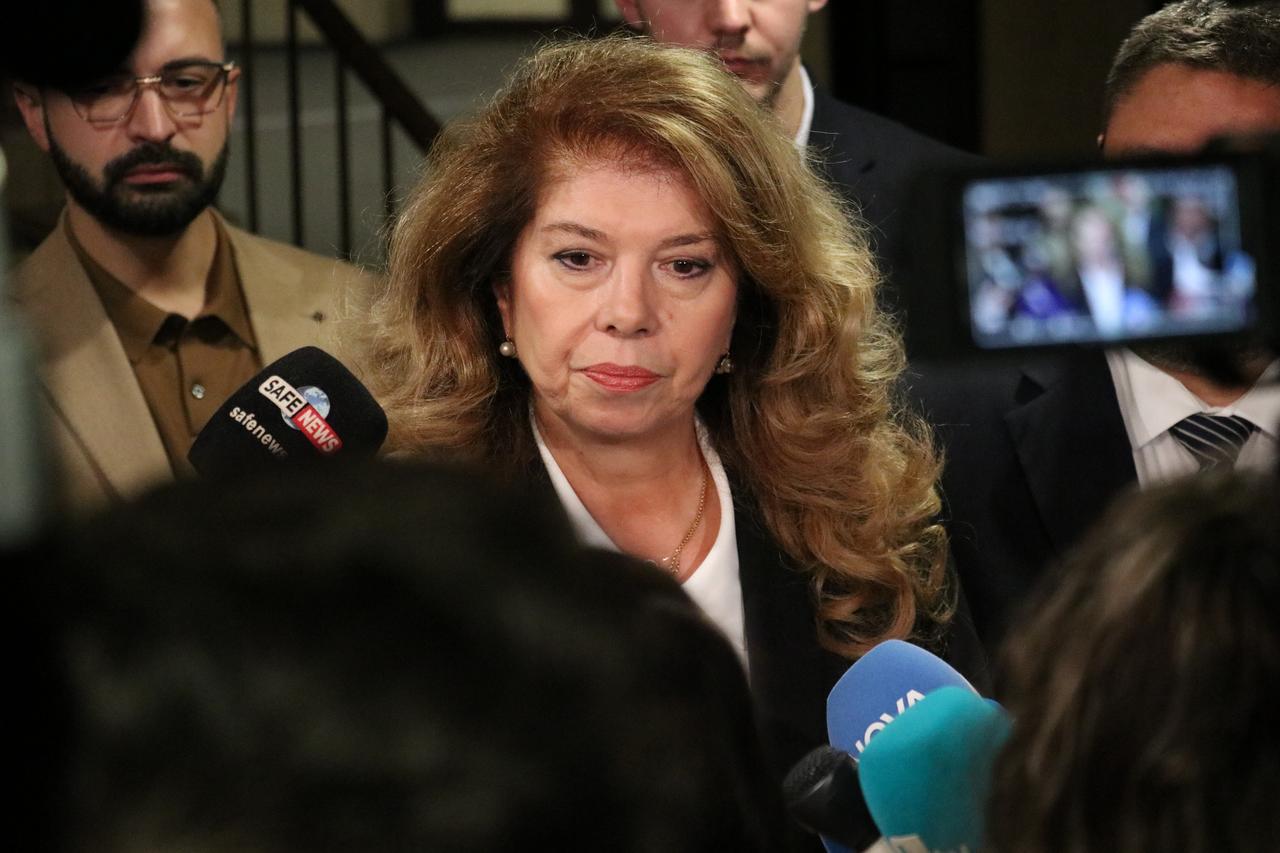


Bulgaria’s presidential election will proceed to a runoff, as no candidate ticket secured more than 50% of the vote. Voter turnout stood at 22.5%.
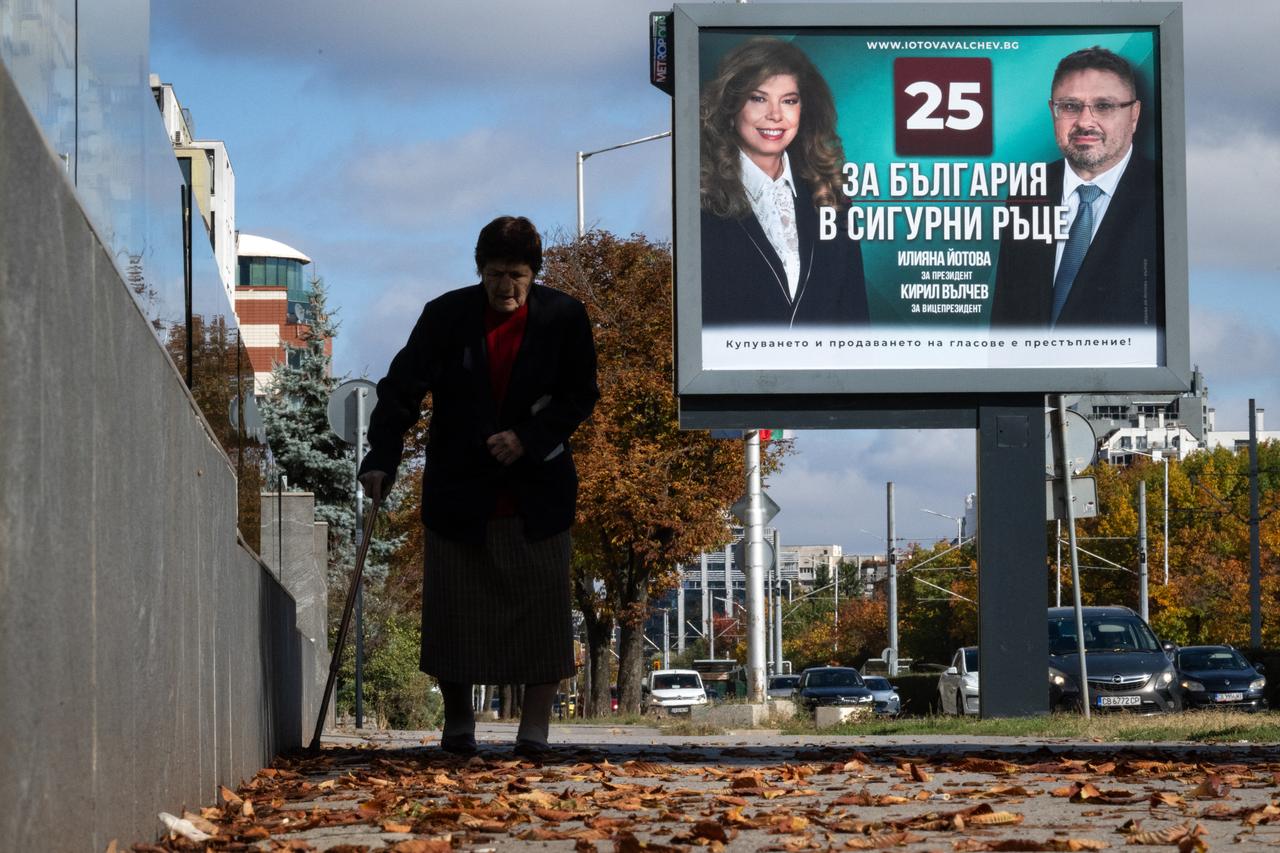
Bulgaria's President Iliana Iotova narrowly led the first round of presidential elections Sunday, exit polls showed, in a vote held amid security concerns following a series of drone attacks on ships in the Black Sea.
Iotova, who favors dialogue with Moscow and opposes military aid to Ukraine, scored 34.6% of the vote, according to unofficial results from polling agency Alpha Research released by Bulgarian National Television (BNT).
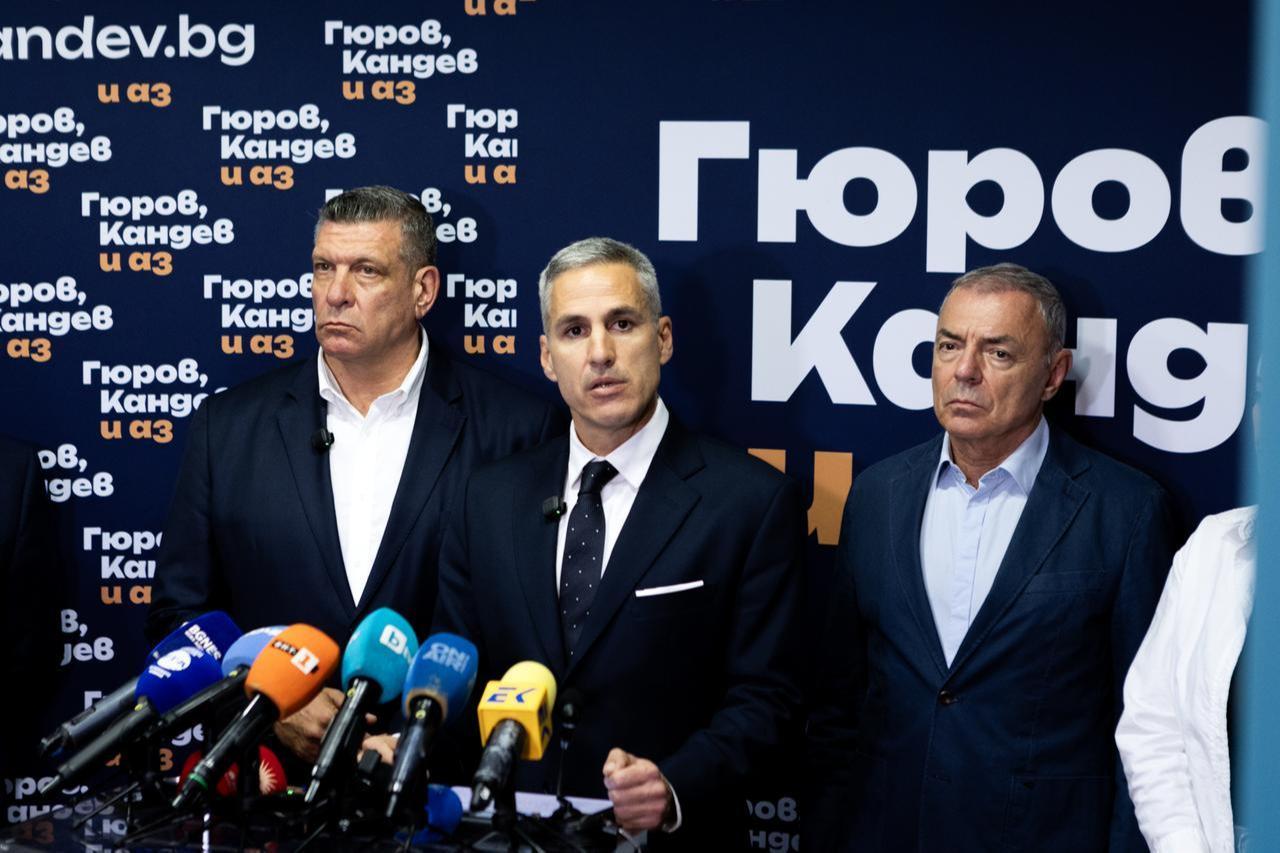
She will face Andrey Gyurov, a banker and former caretaker prime minister backed by the pro-Western opposition and his running mate Georgi Kandev, who secured 32.7%.
Unofficial results from polling agency Myara put Iotova at 35% and Gyurov at 31.9%, with turnout reported at 22.2%.
The result was closer than expected, with surveys ahead of the vote predicting a comfortable win for Iotova.

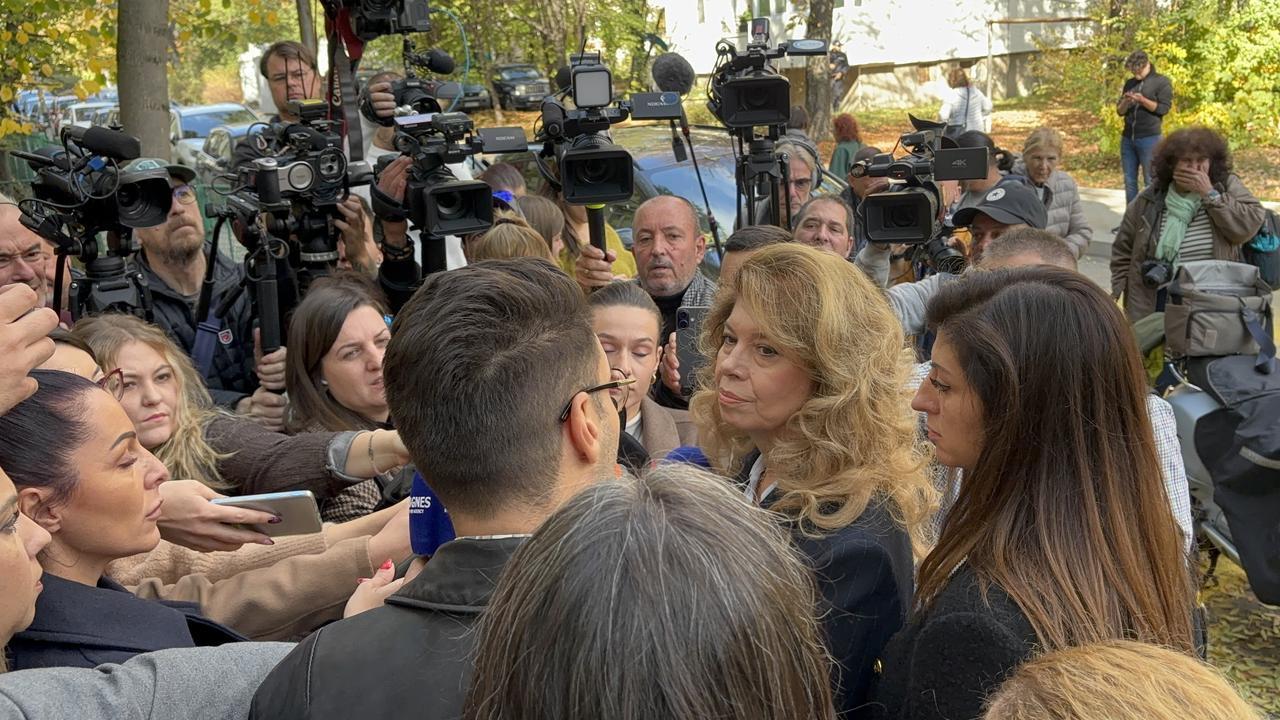
After casting her vote, Iotova said she wanted to address "the dire issue of poverty" in the European Union’s poorest member state, "alongside inequalities and regional disparities".
"I believe that there must be peace, stability, and security," added the 62-year-old, who has made the war in Ukraine a central theme of her campaign, promising to be a "president of peace."
Gyurov meanwhile said he wanted "a Bulgaria that looks forward, a country that is European, free, and proud ... and where the state works as it should".
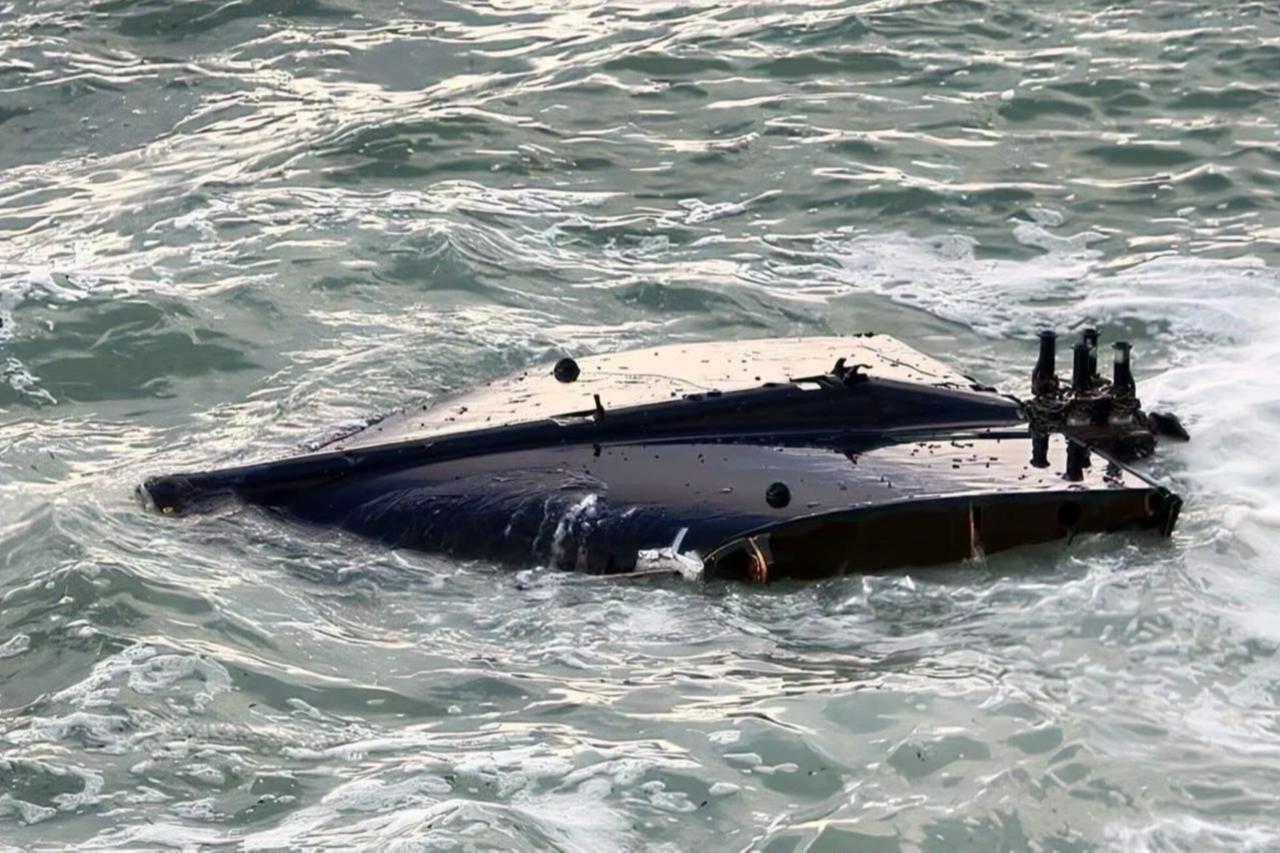
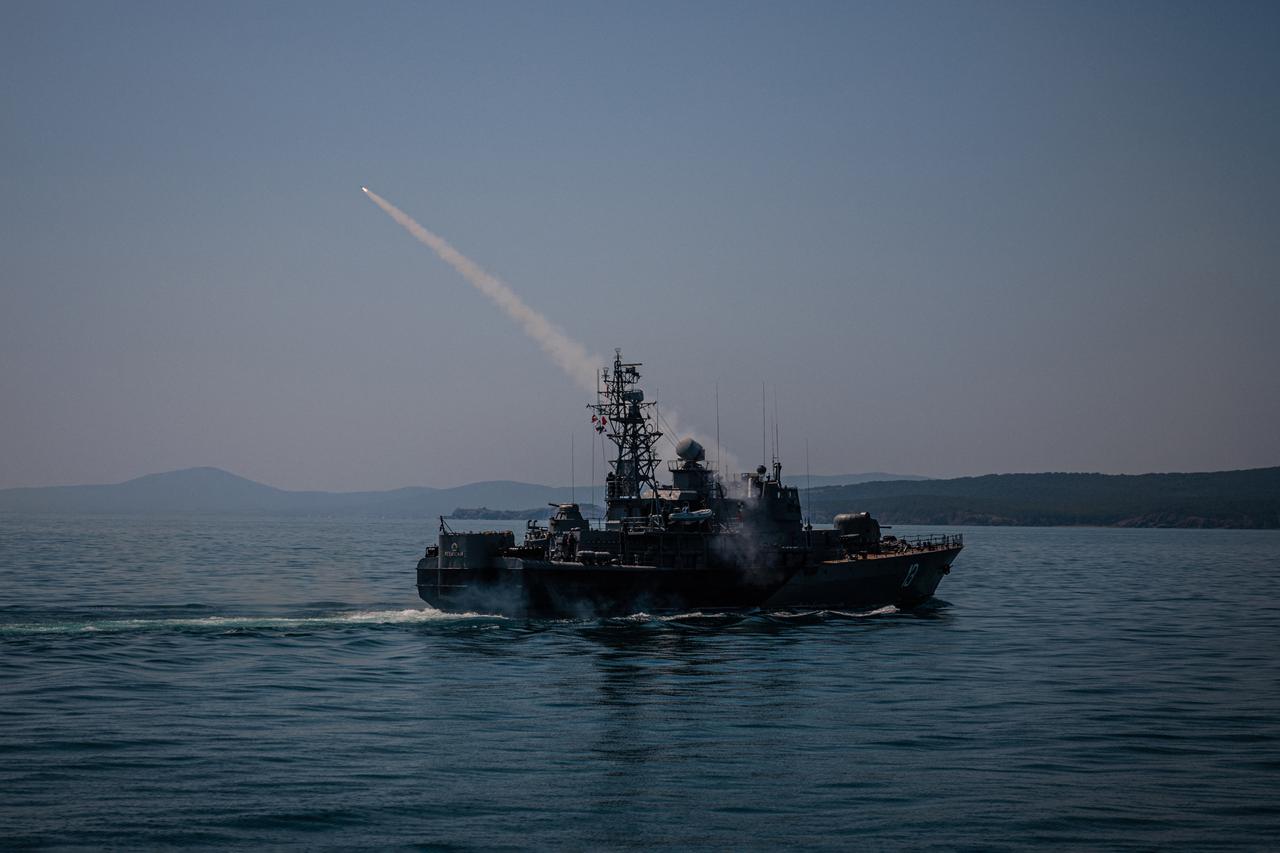
Four vessels were struck off Bulgaria's coast this month, leaving 21 people missing, in suspected spillover from the Russia-Ukraine war.
While Prime Minister Rumen Radev said the attacks appeared to serve Russian interests and summoned the Russian ambassador, his government insists there is so far no evidence directly linking Moscow to them.
Iotova took over this year as president of Bulgaria, an EU and NATO member state, when Radev stepped down to run in parliamentary elections.
If successful in the runoff, she would become the first woman ever elected president in the country of 6.4 million people.
A win for Iotova would be a boost for Radev, who has also called for dialogue with Moscow.
A former journalist and member of the European Parliament, Iotova was elected vice president alongside Radev in 2016 and 2021.
Without questioning Bulgaria's membership of the EU or NATO, she opposes military aid to Ukraine and advocates negotiations.
Gyurov, 50, has sharply criticized Radev's foreign policy and is a strong supporter of Bulgaria's Euro-Atlantic ties.
At his final campaign rally in Plovdiv on Wednesday, Gyurov said he wanted Bulgaria to be "a reliable ally within NATO, defending its interests through solid preparedness, strong diplomacy and clear positions".
Parvan Simeonov, founder of polling institute Myara, said Iotova "did not step out of her presidential role" during the campaign, "which prevented her from engaging in sharper debate."
He added that the low turnout showed "that we don't have a problem with the polls, but with the very functioning of democracy".
Casting his vote earlier, Radev blamed the low turnout on the "significant lead between the first and second according to surveys, which gives reassurance in one camp and perhaps a sense of doom in the other."
Historically close to Russia, Bulgaria remains deeply divided over its relationship with Moscow.
Twenty-seven pairs of candidates for president and vice president were competing in the first round, nearly half of them openly pro-Kremlin.
Teodor Slavev, a political analyst and program director at the Bulgarian Institute for Legal Initiatives, told Agence France-Presse (AFP) the results were "a resounding electoral slap in the face for Rumen Radev's administration and their inability to address people's problems."
He also said voters were giving their verdict on "Iotova's unconvincing response regarding Russian threats in the Black Sea."


 Set as preferred source
 Set as preferred source


 2 min read
 1 min read