Newsletters


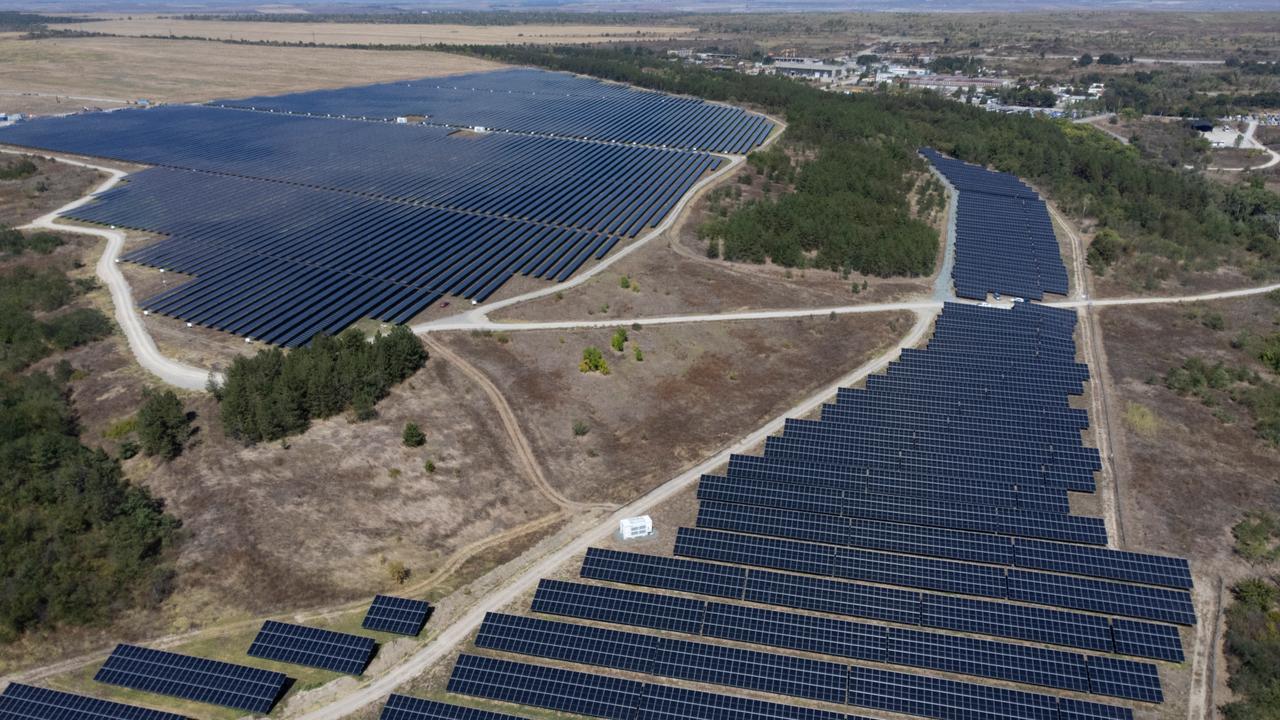
Bulgaria has gained from pairing rapid solar growth with battery storage while a record drought squeezes power generation across Eastern Europe.
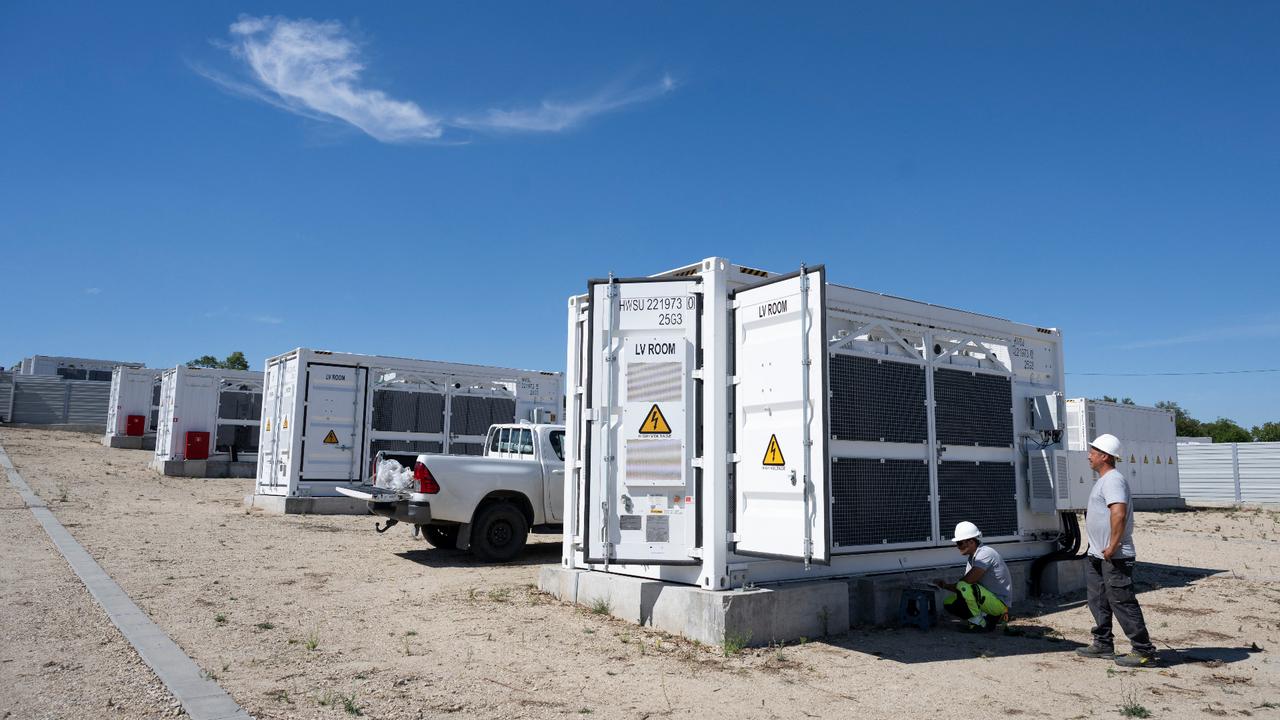
Some 100 grid-scale battery facilities, known as BESS, now operate in the country, and most came online within the past 2 years.
Developers have placed the large projects on former industrial land and airfields or inside existing power plants, coal-fired ones included.
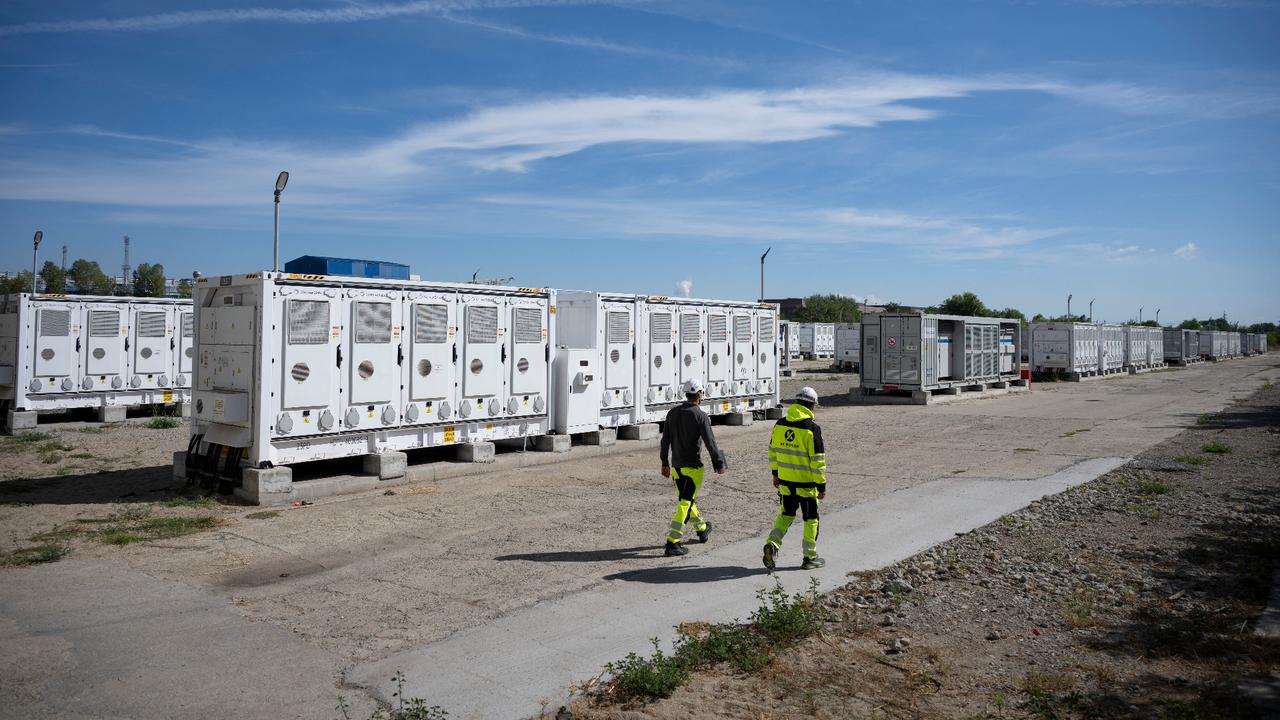
"The scale and speed of storage deployment in Bulgaria is unprecedented in a European context," Stavros Papathanassiou, a professor at the National Technical University of Athens, told Agence France-Presse (AFP).
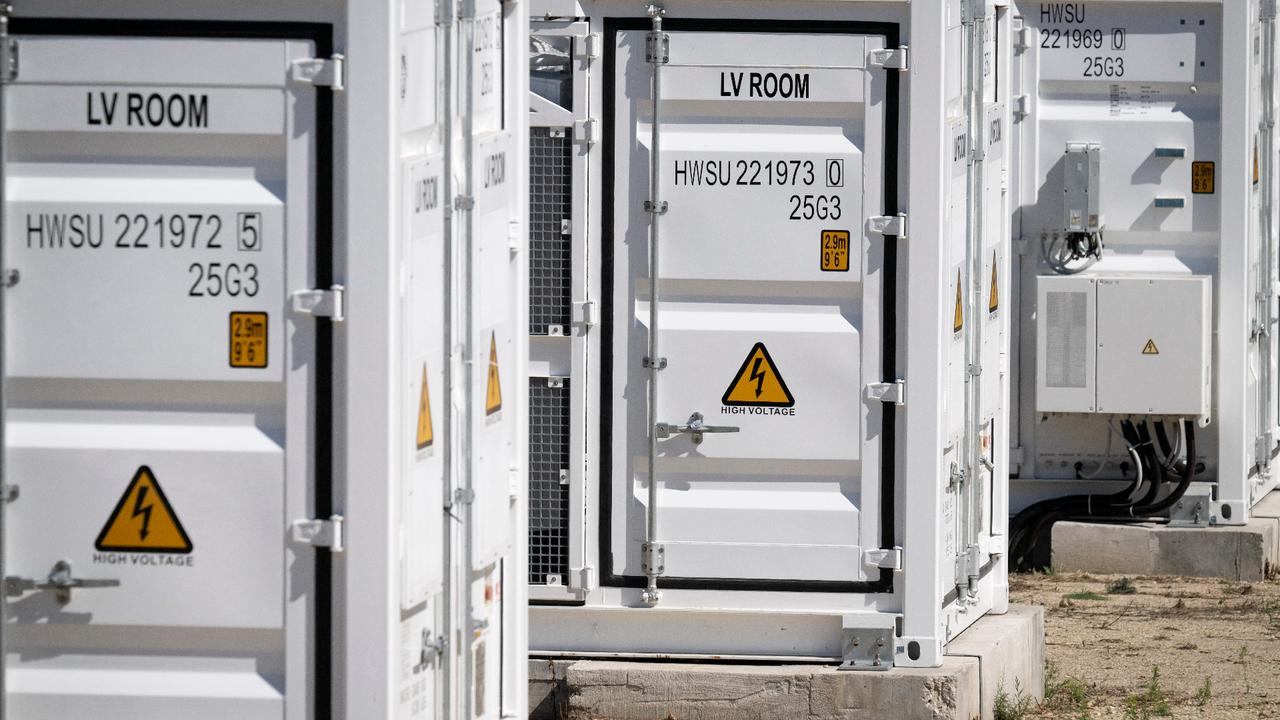
Experts point to light administrative requirements, a market open to clean energy and EU funding as reasons behind the country’s regional lead.
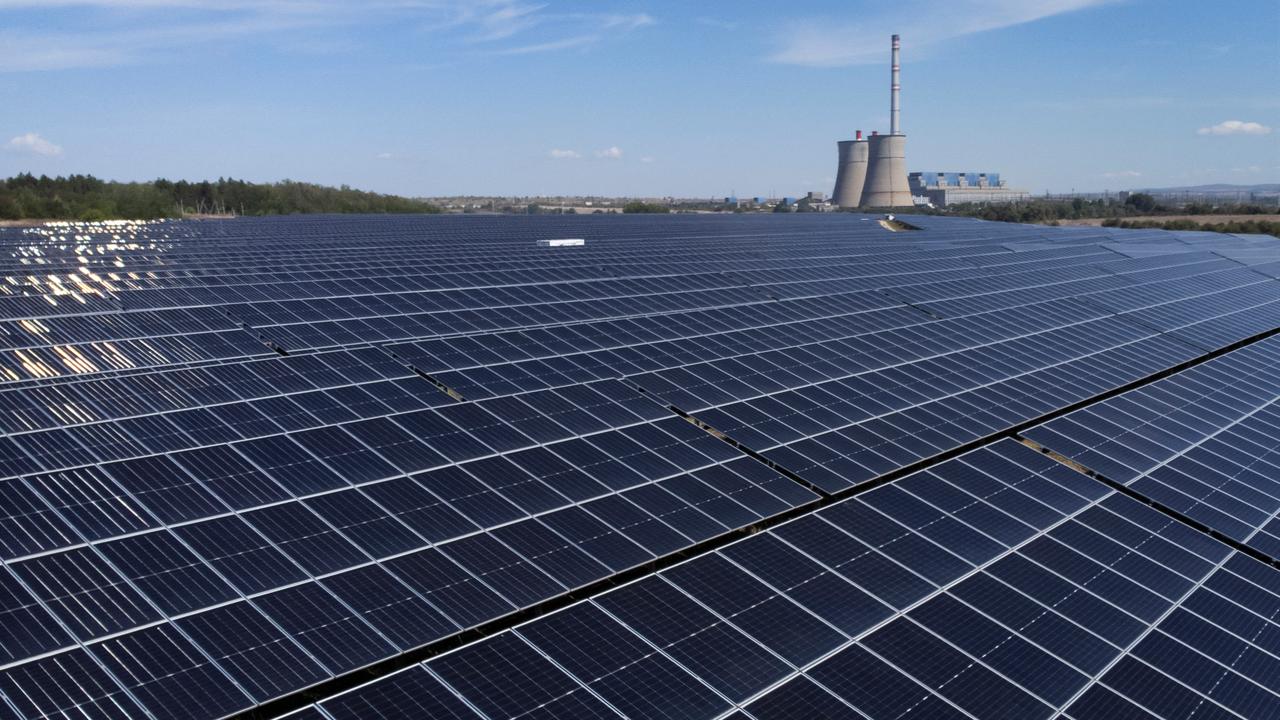
The battery installations absorb surplus power from solar installations and feed it back into the grid when demand rises.
That capacity became valuable when unusually low Danube water levels hampered output at nuclear and hydroelectric plants across Eastern Europe, pushing up demand for imported electricity.
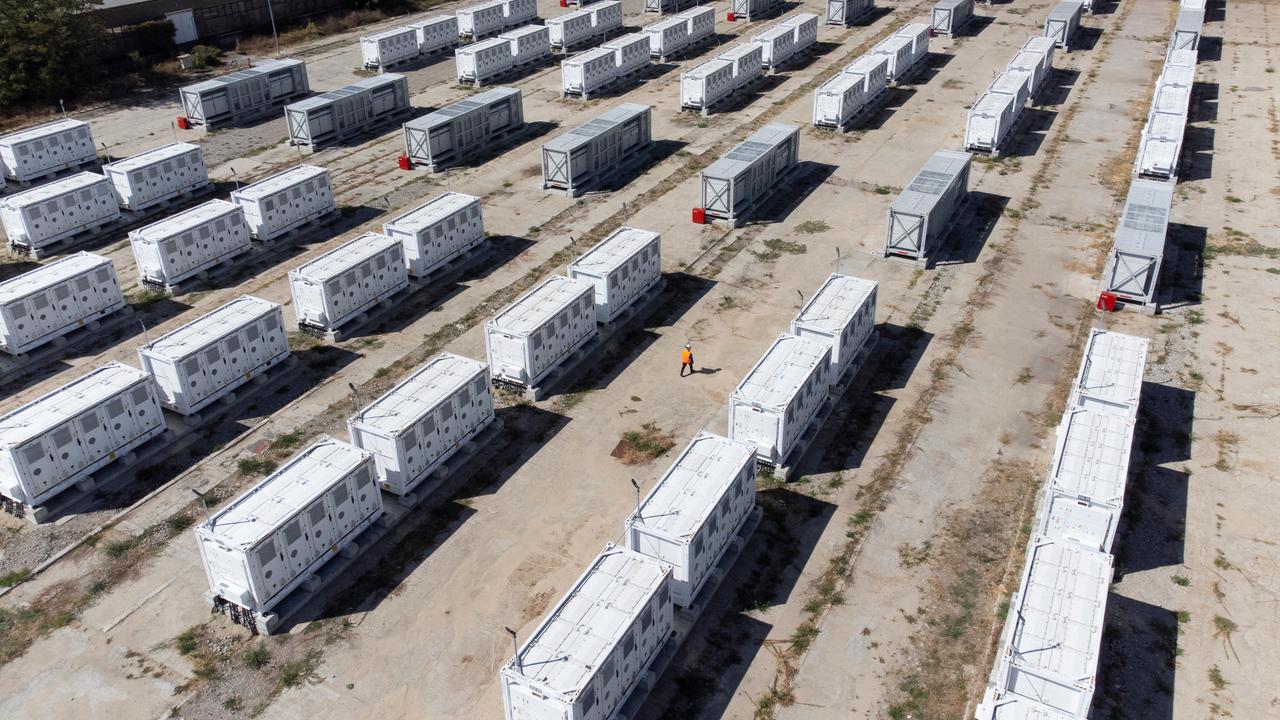
Bulgaria, one of the EU's poorest countries, recorded net electricity exports of about 830 gigawatt-hours monthly in July and August, more than double the May-June average.
In July alone, Romania accounted for nearly half of Bulgaria's outbound electricity transfers, valued at an estimated €74 million ($85 million).


 Set as preferred source


 2 min read