Newsletters


Bulgarians began voting Sunday in a closely contested presidential runoff between two candidates with sharply different approaches to Russia and the war in Ukraine, as recent attacks on commercial vessels in the Black Sea intensified the country's foreign policy debate.
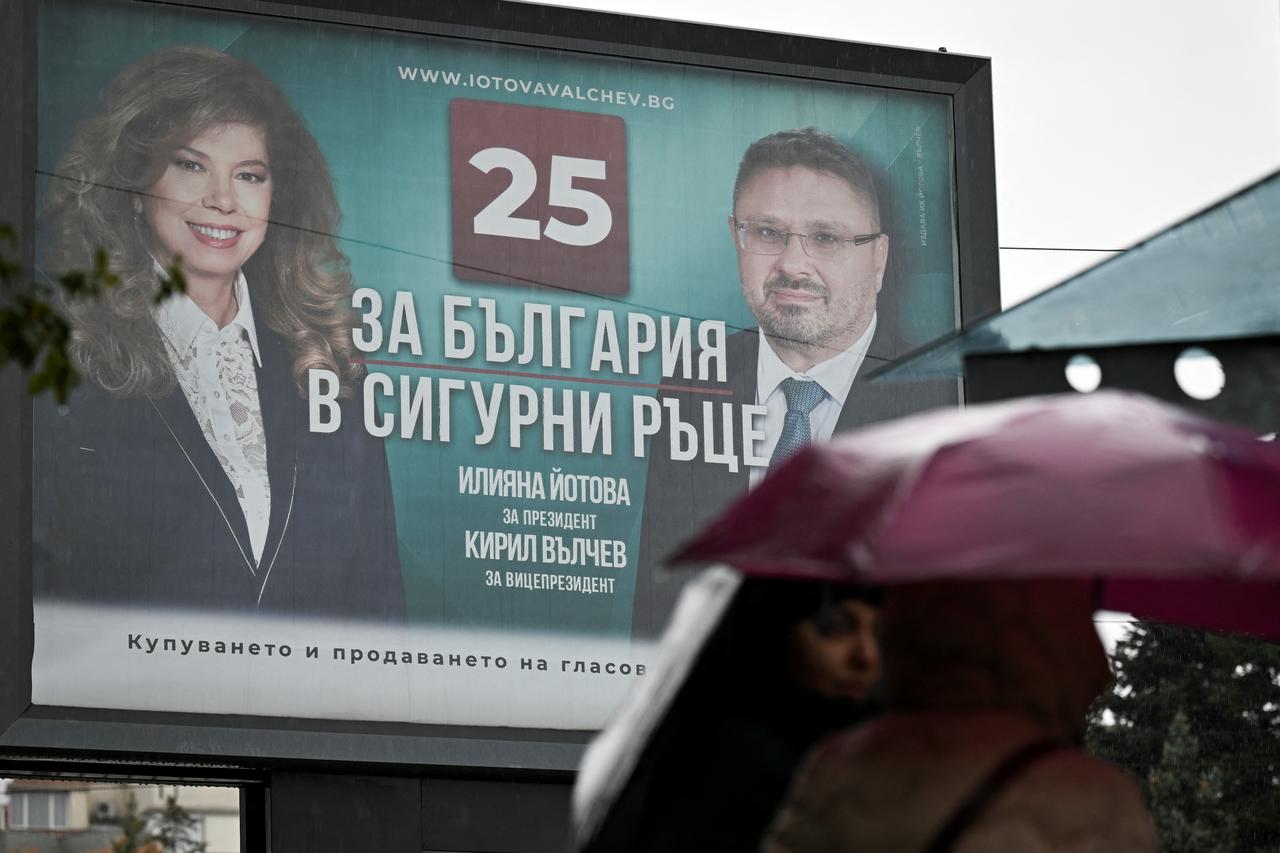
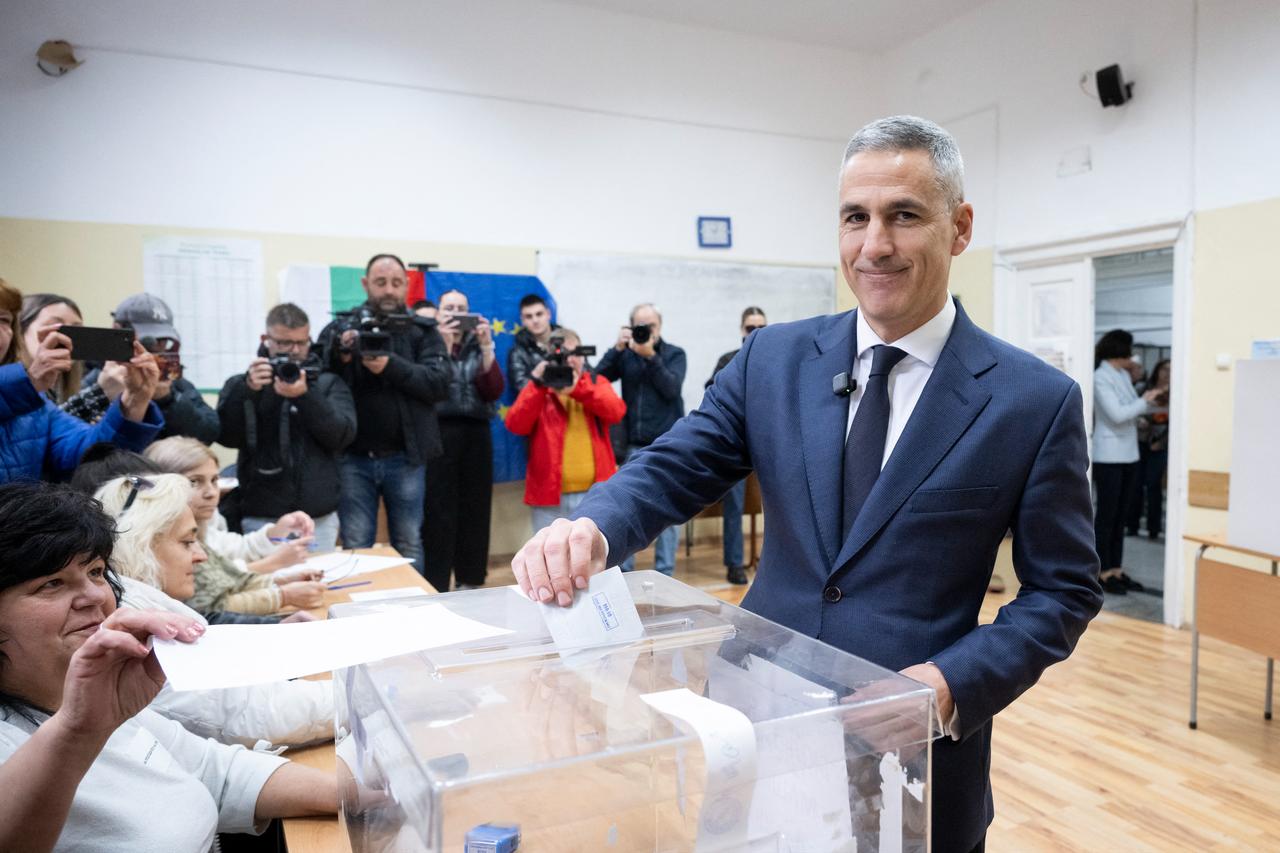
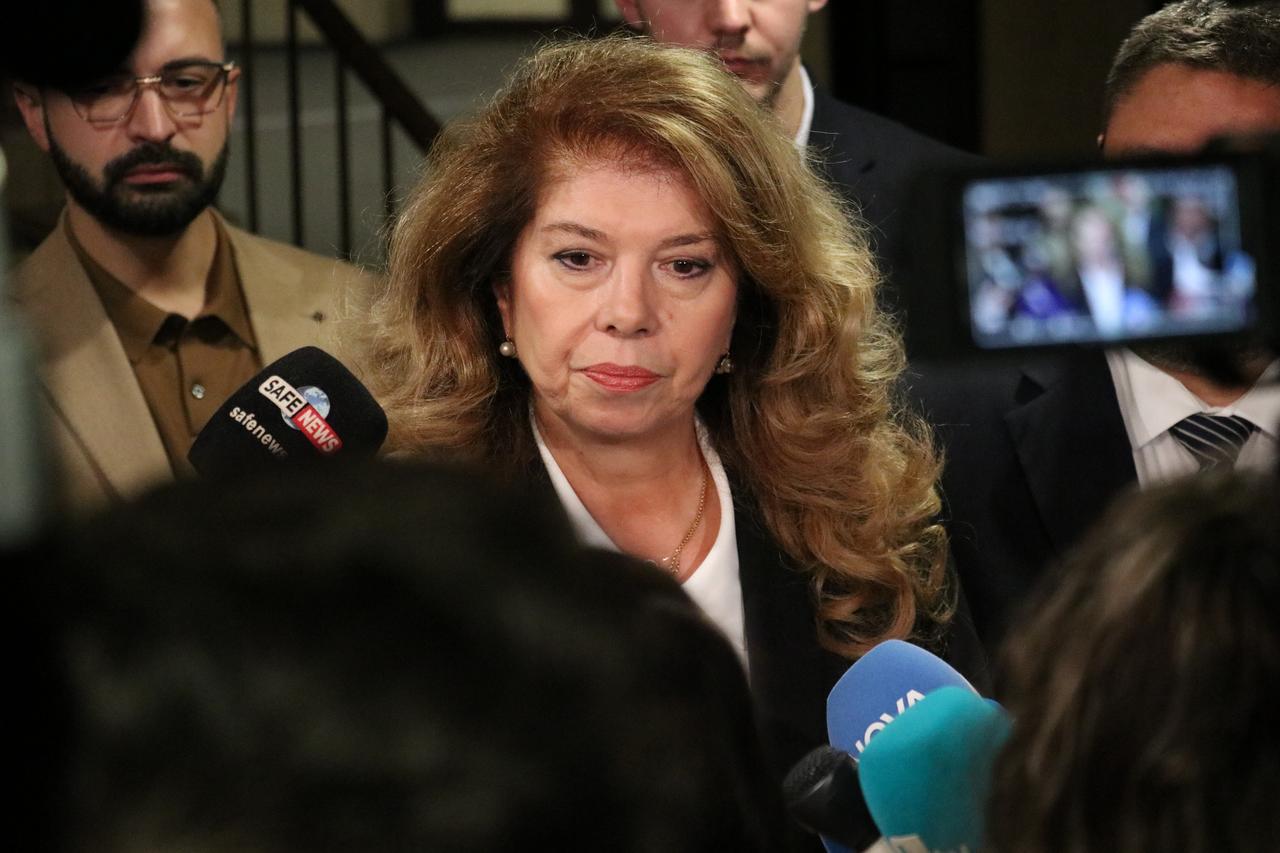
Acting President Iliana Iotova, who advocates negotiations with Moscow and opposes further military assistance to Ukraine, faces Andrey Gyurov, a former caretaker prime minister backed by pro-Western opposition parties.
Polling stations opened at 7 a.m. local time (0500 GMT) and are scheduled to close at 8 p.m. (1800 GMT), although voting may continue until 9 p.m. at locations where voters remain in line.
Iotova secured 34.8% of the vote in the Oct. 25 first round, narrowly ahead of Gyurov's 32%, according to Bulgaria's Central Election Commission.
The gap was considerably smaller than the roughly 20-percentage-point lead opinion polls had predicted for Iotova.
Turnout in the first round stood at approximately 22.5%, the lowest in Bulgaria's post-communist history, with 27 candidates competing.
Under Bulgarian electoral rules, a candidate must secure more than half of valid votes, with turnout exceeding 50% of registered voters, to win outright in the first round.

The runoff comes after a series of attacks on commercial vessels in the Black Sea off Bulgaria's coast in October left 21 people missing, heightening concerns about the Russia-Ukraine war spilling over into the NATO member state's maritime territory.
Bulgarian Prime Minister Rumen Radev has said the attacks appeared to serve Russian interests and summoned Moscow's ambassador, although his government maintains that no evidence has directly linked the incidents to Russia.
Political analyst Teodor Slavev told AFP that voters were giving their verdict on "Iotova's unconvincing response regarding Russian threats in the Black Sea".
The issue has exposed contrasting positions between the two presidential contenders.
During a televised debate ahead of Sunday's vote, Gyurov criticized Iotova for failing to directly hold Moscow responsible for the maritime attacks.
"Russia must stop its aggression so that the next steps can be taken. Let us name the country from which the threats are coming," he said.
Iotova, meanwhile, defended her position that negotiations offered the only viable path toward ending the conflict.
"Peace can come only through negotiations," she said.
"Pouring more money into Ukraine, supplying new and more sophisticated weapons, leads only to more destruction and the deaths of many people on both sides," she added.
Although Iotova supports Bulgaria's membership in the European Union and NATO, she has campaigned as a "president of peace" and opposed expanding military assistance to Ukraine.
Radev, a longtime ally of Iotova, has similarly argued that "a ceasefire in Ukraine and peace negotiations are the only sure guarantee of stopping attacks against commercial ships in the Black Sea".
After the first round, he framed the runoff as a choice between "peace and war."
"Let us vote for Iliana Iotova, so that Bulgaria can be in safe hands," he said.
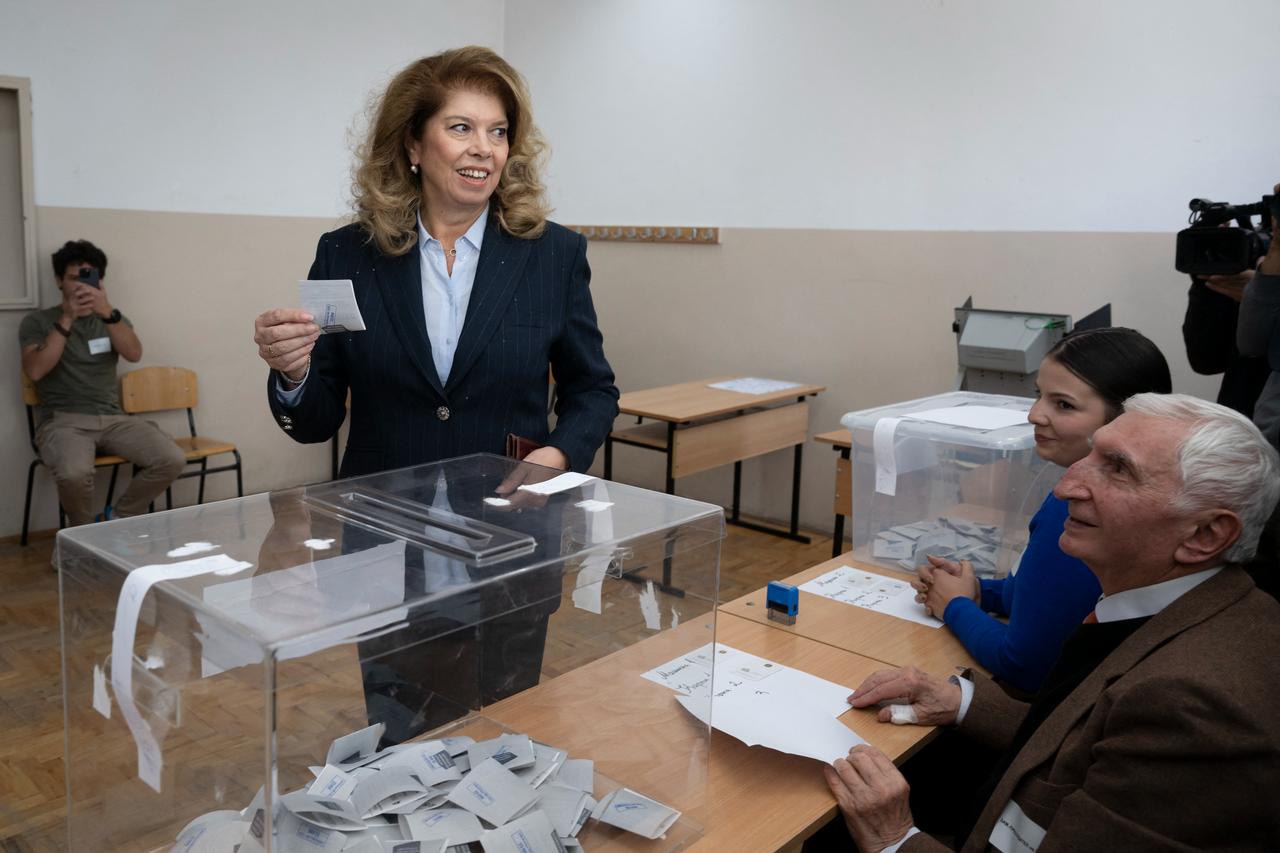
Iotova, 62, a former journalist and member of the European Parliament, served as vice president alongside Radev after their election victories in 2016 and 2021.
She assumed the presidency in January after Radev resigned to enter parliamentary politics and is now seeking a full term.
Backed by Radev's Progressive Bulgaria party, she would become the country's first elected female president if she wins Sunday's runoff.
Beyond foreign policy, Iotova has promised to address "the terrible issue of poverty" in Bulgaria, one of the EU's poorest member states.
Gyurov, 50, an economist and former deputy governor of the Bulgarian National Bank, previously served as caretaker prime minister ahead of the April parliamentary elections.
Supported by opposition parties, he has criticized Radev's foreign policy and emphasized Bulgaria's ties with the EU and NATO.
Following the first round, Gyurov described the runoff as a choice "between two personalities, two directions, and two ways of exercising presidential powers".
The Bulgarian presidency carries responsibilities including representing the country internationally, serving as commander-in-chief of the armed forces and exercising veto powers over legislation.
The presidential election follows years of political instability in Bulgaria, which has held eight parliamentary elections since April 2021, seven of them early contests.
Repeated difficulties in forming stable governing coalitions led to successive caretaker administrations and fresh elections.
The latest parliamentary election in April saw Radev's Progressive Bulgaria secure 131 seats in the 240-member National Assembly, giving it an outright majority.
Despite that victory, the close presidential race has raised questions about the governing party's electoral support.
Sociologist Boriana Dimitrova told AFP that the historically low first-round turnout could partly reflect voters' assumptions that "Iotova's victory was a done deal," alongside disappointment with Radev's coalition.
She nevertheless expects greater participation in Sunday's runoff because "the difference (between the candidates) is extremely small, and when there is a contested race, interest also rises."
The campaign has also been overshadowed by opposition allegations that Radev used state resources and his office to support Iotova, in violation of electoral law.
The Central Election Commission rejected the allegations, but Gyurov's campaign has appealed the decision in court.
Sunday's vote will determine who assumes Bulgaria's presidency as the country navigates domestic political divisions and growing security concerns in the Black Sea.


 Set as preferred source
 Set as preferred source


 1 min read

 1 min read