Newsletters


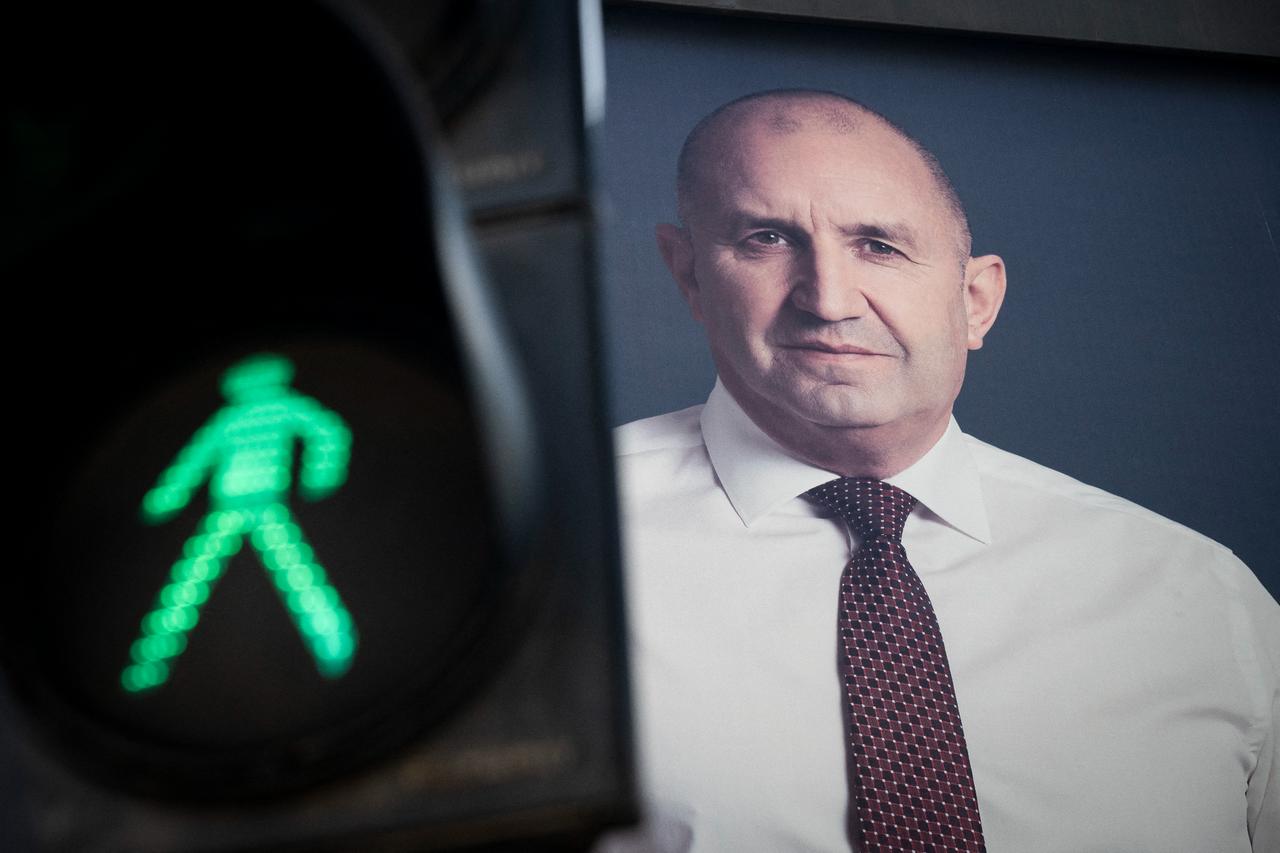


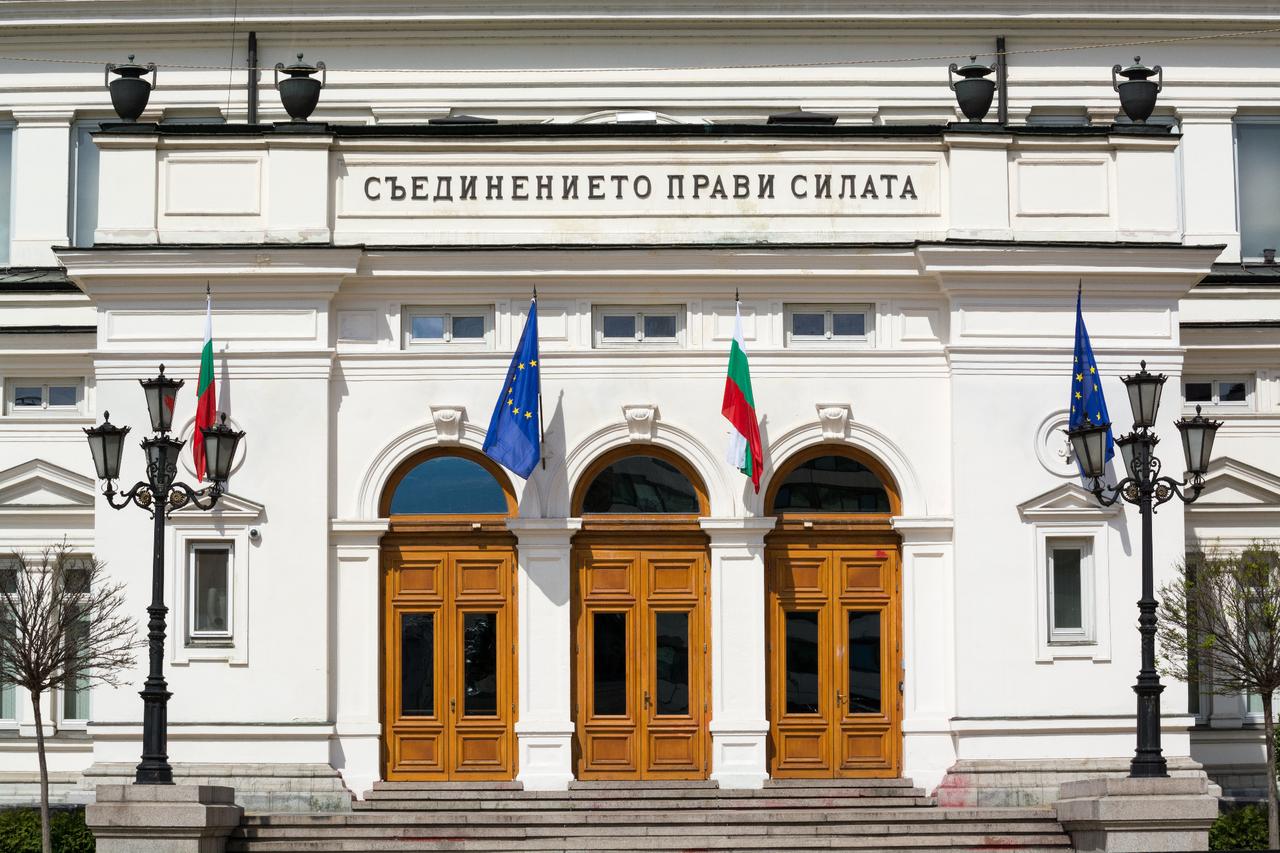
Bulgaria’s Central Election Commission on Monday published interim results of Sunday’s parliamentary elections, with 68.3% of the votes counted as of 7 a.m. local time (4 a.m. GMT).
Former Bulgarian president Rumen Radev hailed a “victory of hope” after his coalition, Progressive Bulgaria, emerged in the lead in the country’s eighth parliamentary election in five years.
According to preliminary results, Progressive Bulgaria secured 44.5% of the vote, followed by Continue the Change–Democratic Bulgaria with about 14% and GERB-UDF with 13.1%.
The Movement for Rights and Freedoms received around 5.4%, while the nationalist Vazrazhdane party stood at 4.5%.
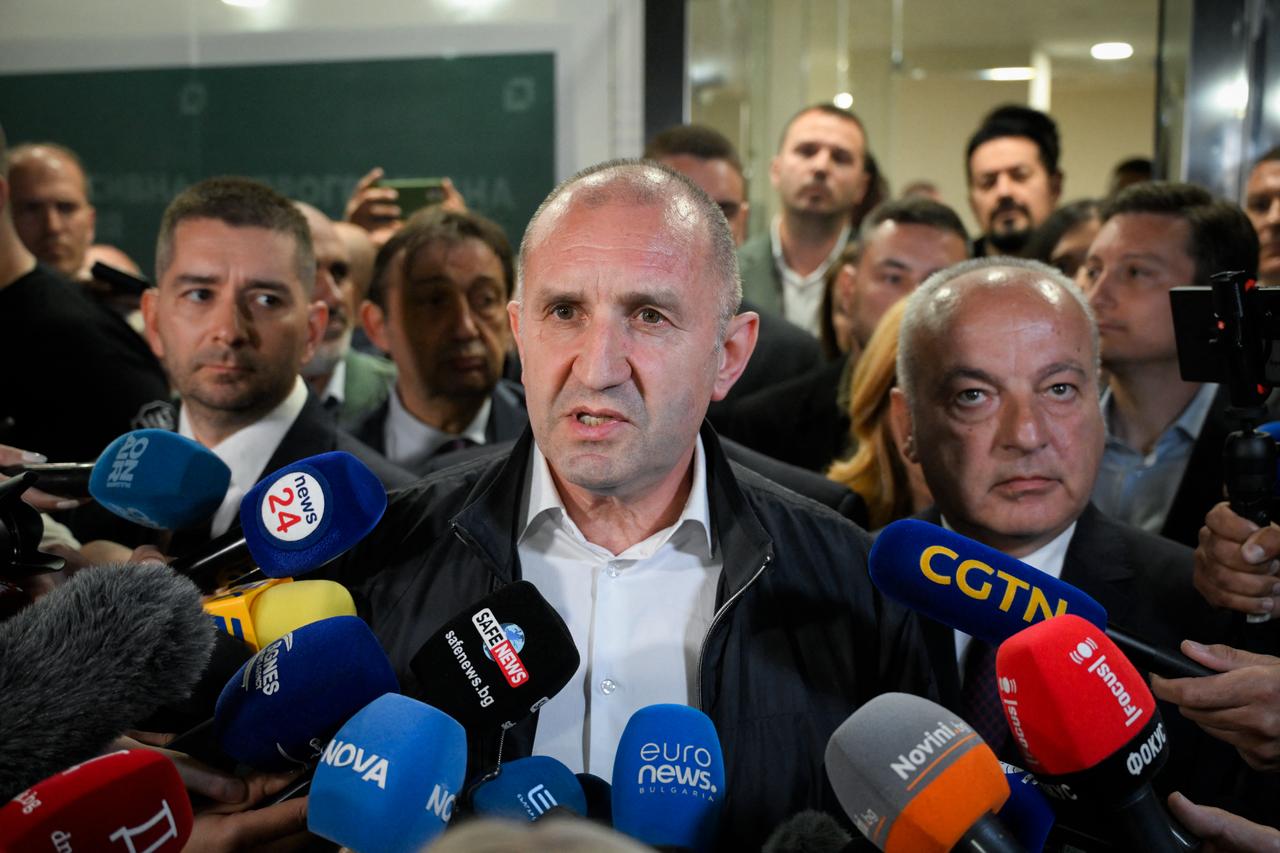
“PB has won unequivocally—a victory of hope over distrust, a victory of freedom over fear,” Radev told reporters outside his group’s office in Sofia.
He said Bulgaria would “make every effort to continue on its European path,” while also calling for greater pragmatism in EU policy.
“But believe me, a strong Bulgaria and a strong Europe need critical thinking and pragmatism. Europe has fallen victim to its own ambition to be a moral leader in a world with new rules,” he added.

Under Bulgaria’s Election Code, final vote totals and seat distribution must be announced within four days of the election, with the names of elected lawmakers published within seven days.
Sunday’s vote marked the country’s eighth parliamentary election since 2021, reflecting prolonged political instability.
The European Union’s poorest member has faced successive governments since anti-corruption protests in 2021 brought down the conservative administration of former Prime Minister Boyko Borissov.
Radev, 62, who stepped down earlier this year after nearly a decade as president, campaigned on a platform focused on tackling corruption and dismantling what he described as an “oligarchic governance model.”
Polling analyst Boryana Dimitrova of Alpha Research told AFP that Radev had emerged as an “unequivocal winner.”
Borissov, 65, congratulated Radev but cautioned that forming a government would be more difficult.
“Winning elections is one thing, governing is another,” he said.
Borissov also rejected claims that Radev offers a new political direction, highlighting his own party’s “extremely pro-European position,” including support for Ukraine and the European Union.
Radev, by contrast, has called for “practical relations with Russia, based on mutual respect and equal treatment.” He has criticized a recent 10-year defense agreement between Bulgaria and Ukraine and opposed sending arms to Kyiv, although he said he would not block EU decisions.
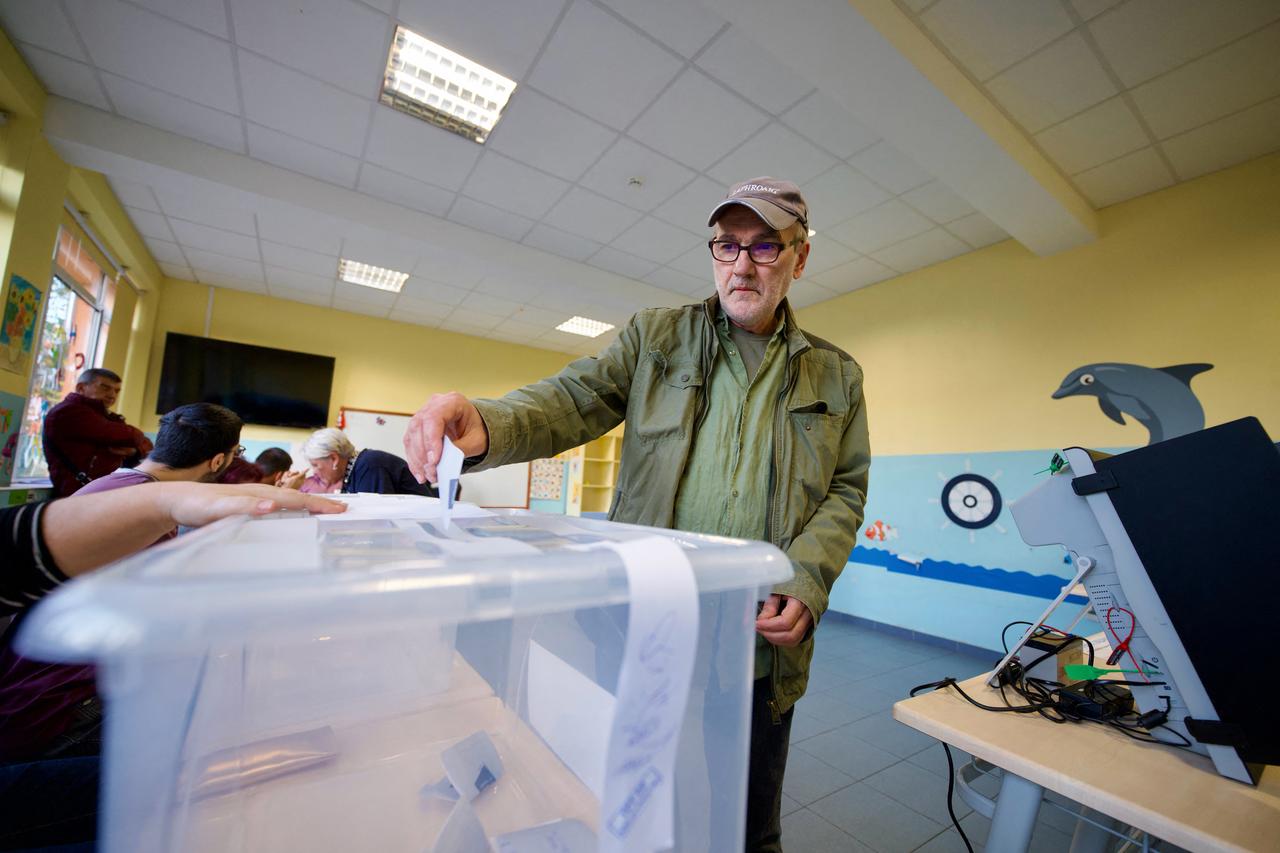
Voter turnout exceeded 50%, the highest since April 2021, according to Dobromir Zhivkov, director of the Market Links polling agency.
Participation had dropped to just 39% in the 2024 elections amid widespread public distrust in politics.
“Everything simply has to change,” said Stiliana Andonova, a retired engineer, after casting her ballot in Sofia, citing concerns over corruption and the judiciary.
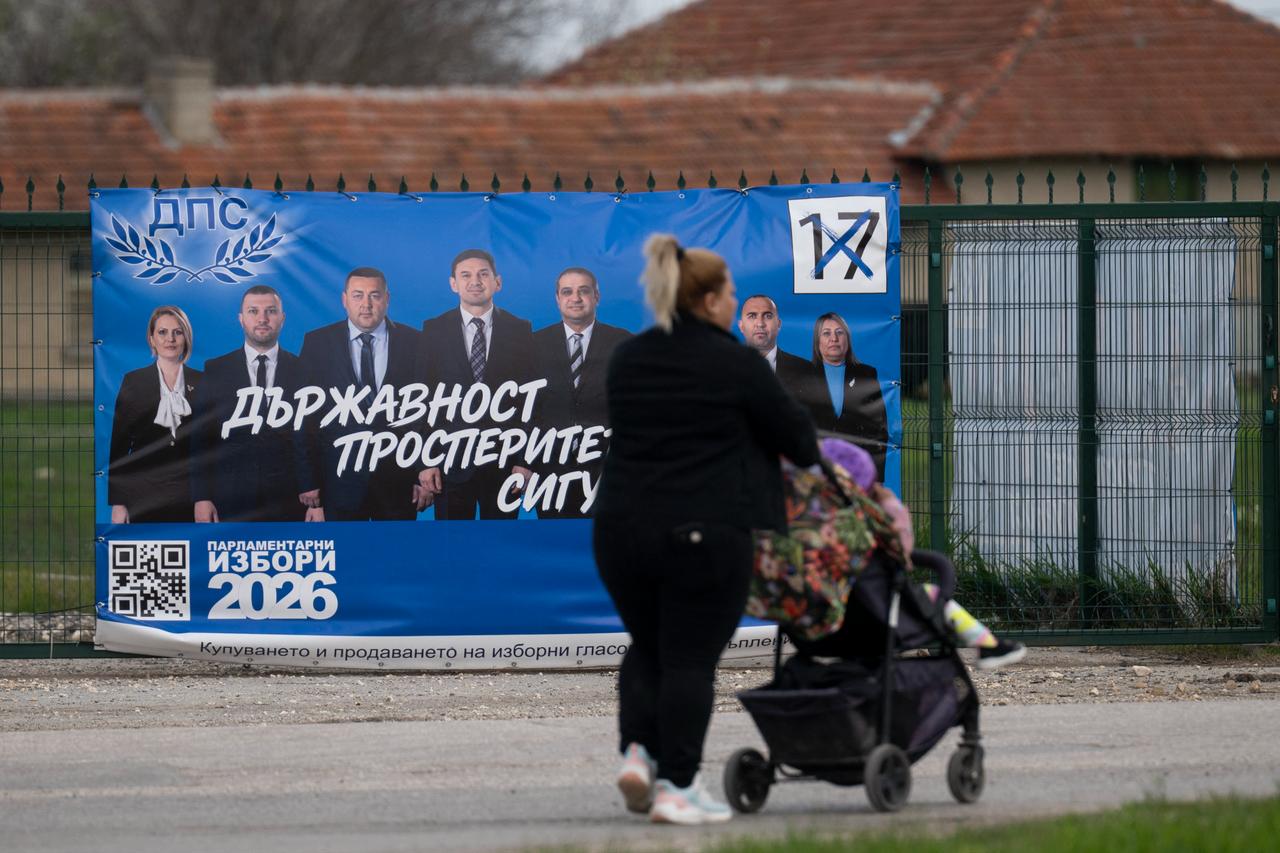
Political parties had urged voters to participate to counter vote-buying practices.
In recent weeks, authorities seized more than 1 million euros in operations targeting vote buying and detained hundreds of individuals, including local councilors and mayors.


 Set as preferred source
 Set as preferred source


 1 min read
 1 min read