Newsletters


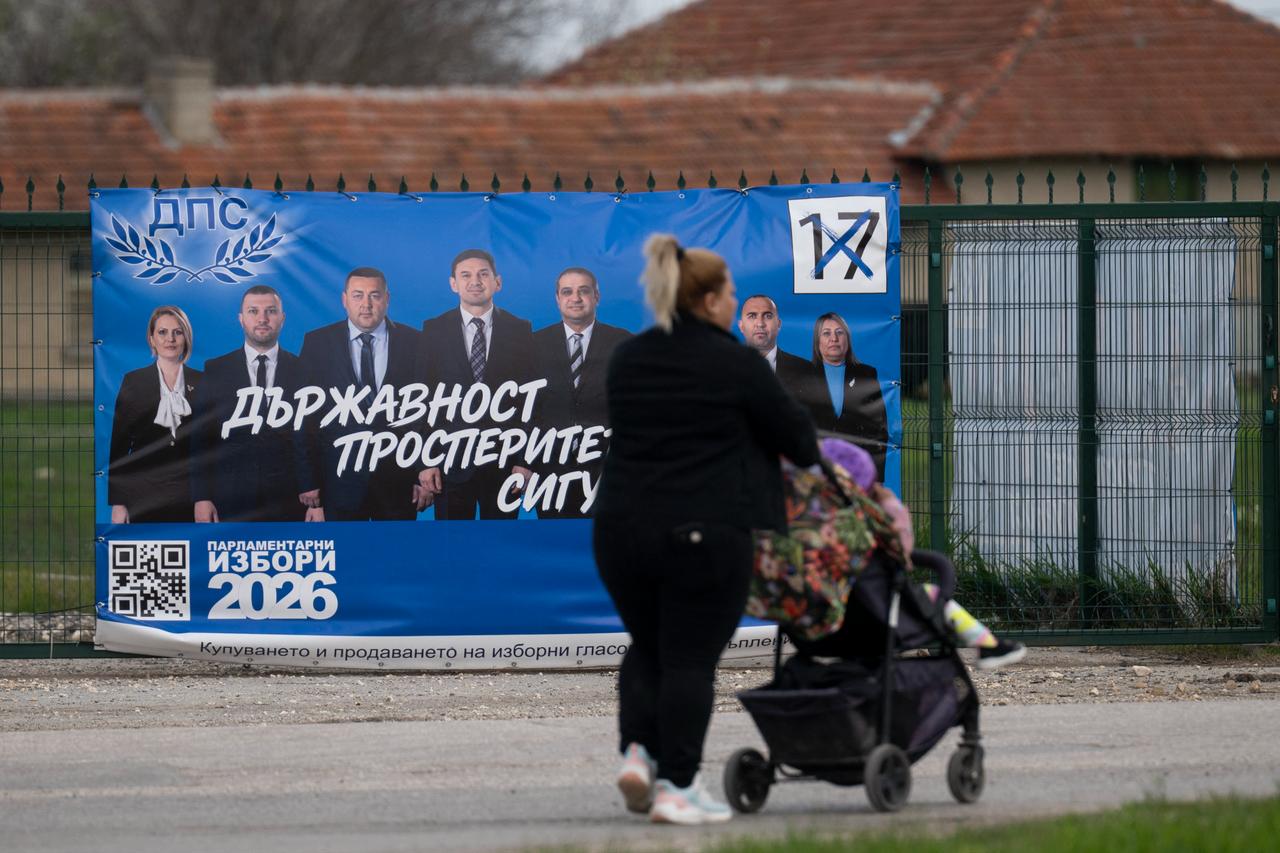


Bulgaria will hold its eighth general election in five years on Sunday, with a new political grouping led by former president Rumen Radev tipped to win a vote many hope will end years of instability.
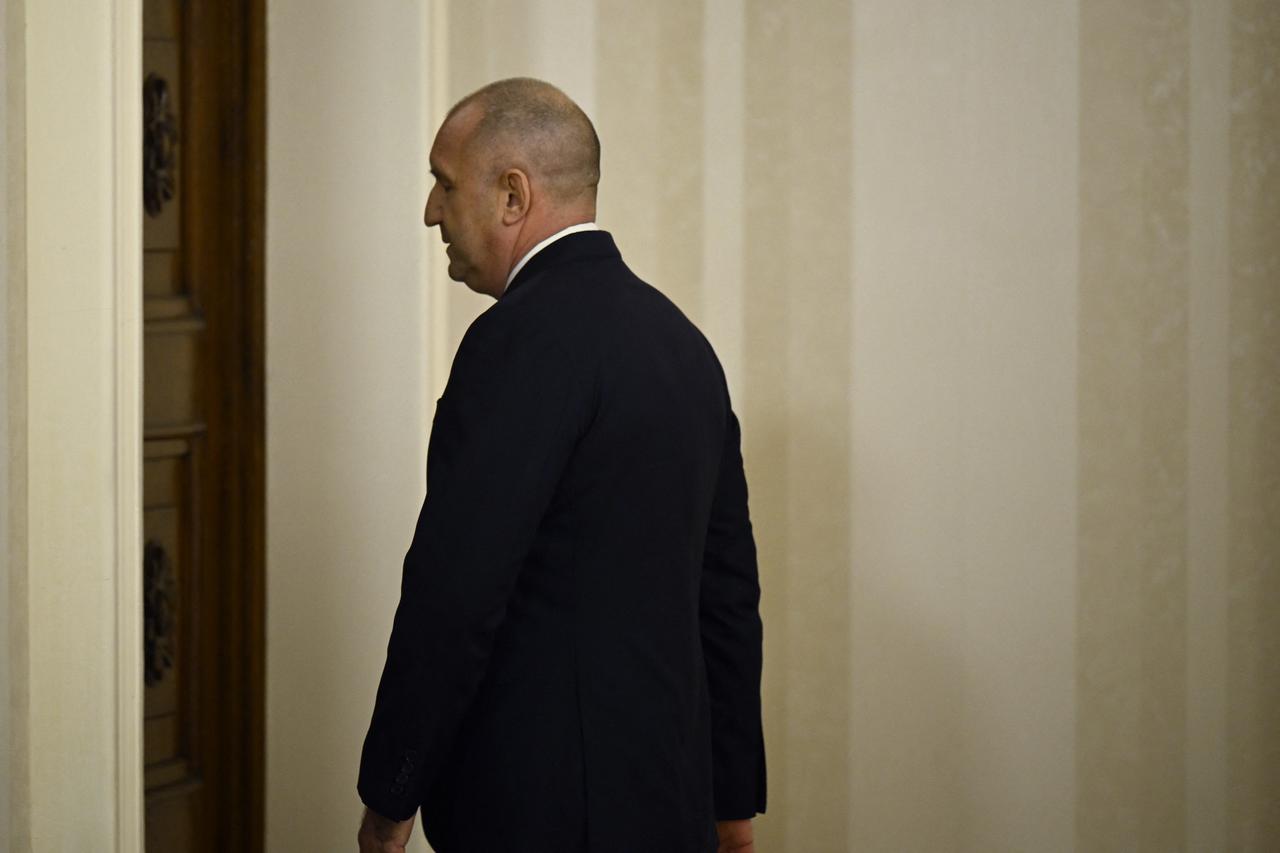
Radev, a former air force general, resigned earlier this year after nine years in office to lead the center-left Progressive Bulgaria coalition.
The election comes amid voter fatigue, deep political fragmentation and growing distrust, raising questions over whether the prolonged crisis in the EU and NATO member state can be resolved.
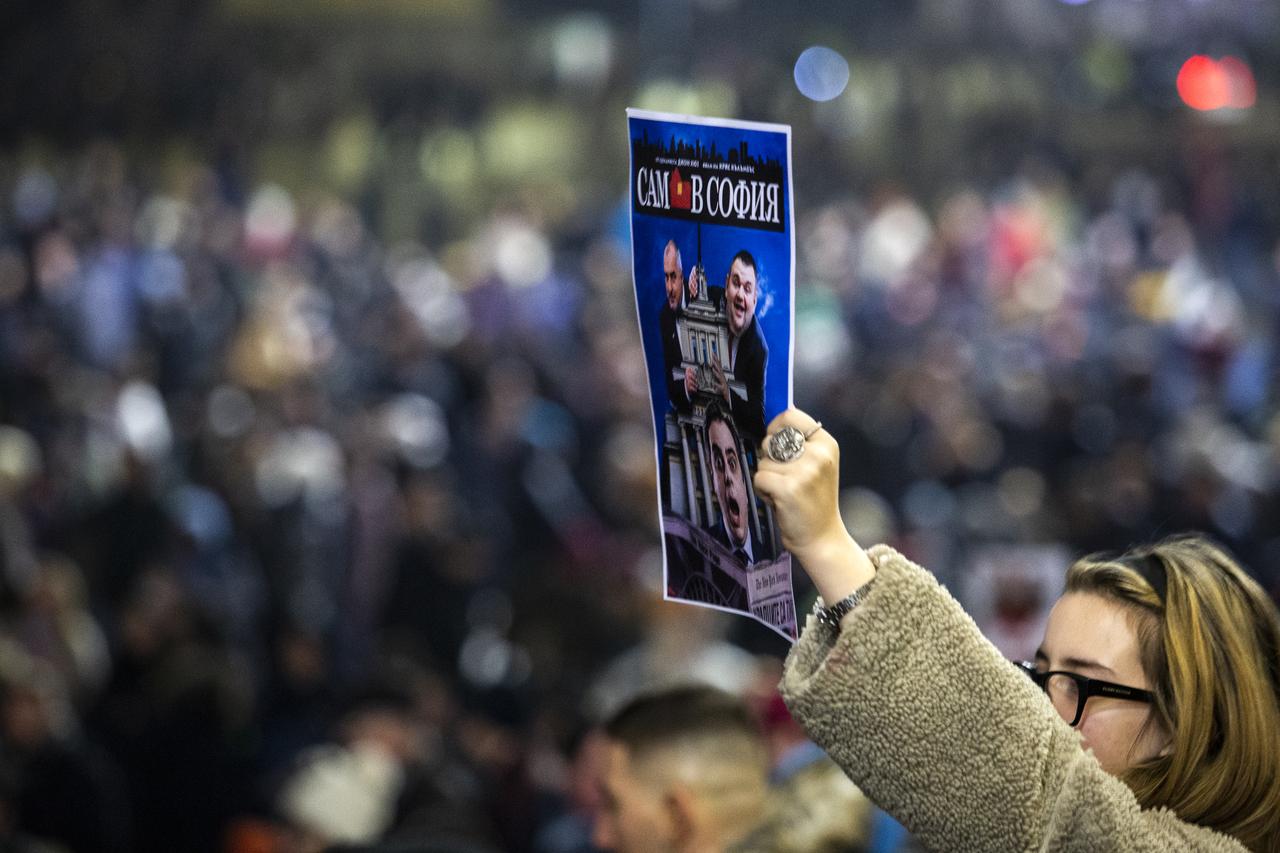
Bulgaria has faced persistent instability since 2021, when longtime conservative prime minister Boyko Borisov lost power following mass anti-corruption protests.
Since then, no government has lasted longer than a year.
The latest snap election was triggered by the resignation of a conservative-led government late last year after widespread protests against corruption.
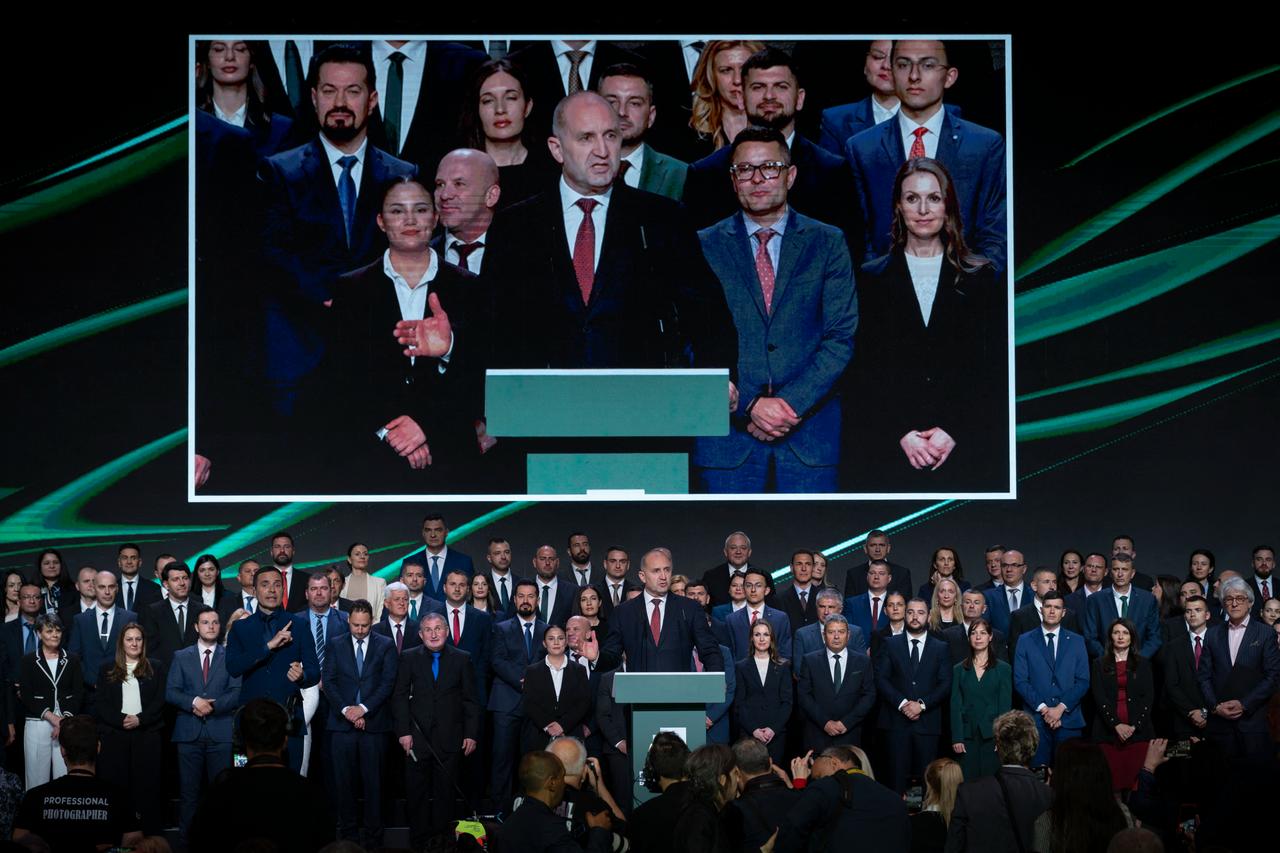

Radev’s Progressive Bulgaria coalition is polling at around 30%, positioning it as the frontrunner.
He has pledged to “rid the country of its oligarchic governance model” and supported anti-corruption protests in late 2025.
However, his positions have drawn criticism. Radev has called for restoring ties with Russia despite its invasion of Ukraine and opposed arms deliveries to Kyiv.
He also criticized a 10-year defense agreement with Ukraine and has questioned Bulgaria’s eurozone entry, previously calling for a referendum.
The main rival is the conservative GERB party, polling just above 20%, which supports Ukraine and closer ties with Western institutions.

Other parties expected to enter parliament include the Continue the Change–Democratic Bulgaria alliance, the Movement for Rights and Freedoms, and the nationalist Vazrazhdane party.
Analysts say a fragmented parliament is likely, making coalition-building inevitable.
Political scientist Dimitar Ganev said the Progressive Bulgaria coalition could secure a clear lead, while Lyubomir Stefanov warned that five to six parties—possibly even seven—could enter parliament, complicating government formation.
Voter turnout is expected to rise to between 50% and 54%, up from 38% in previous elections.
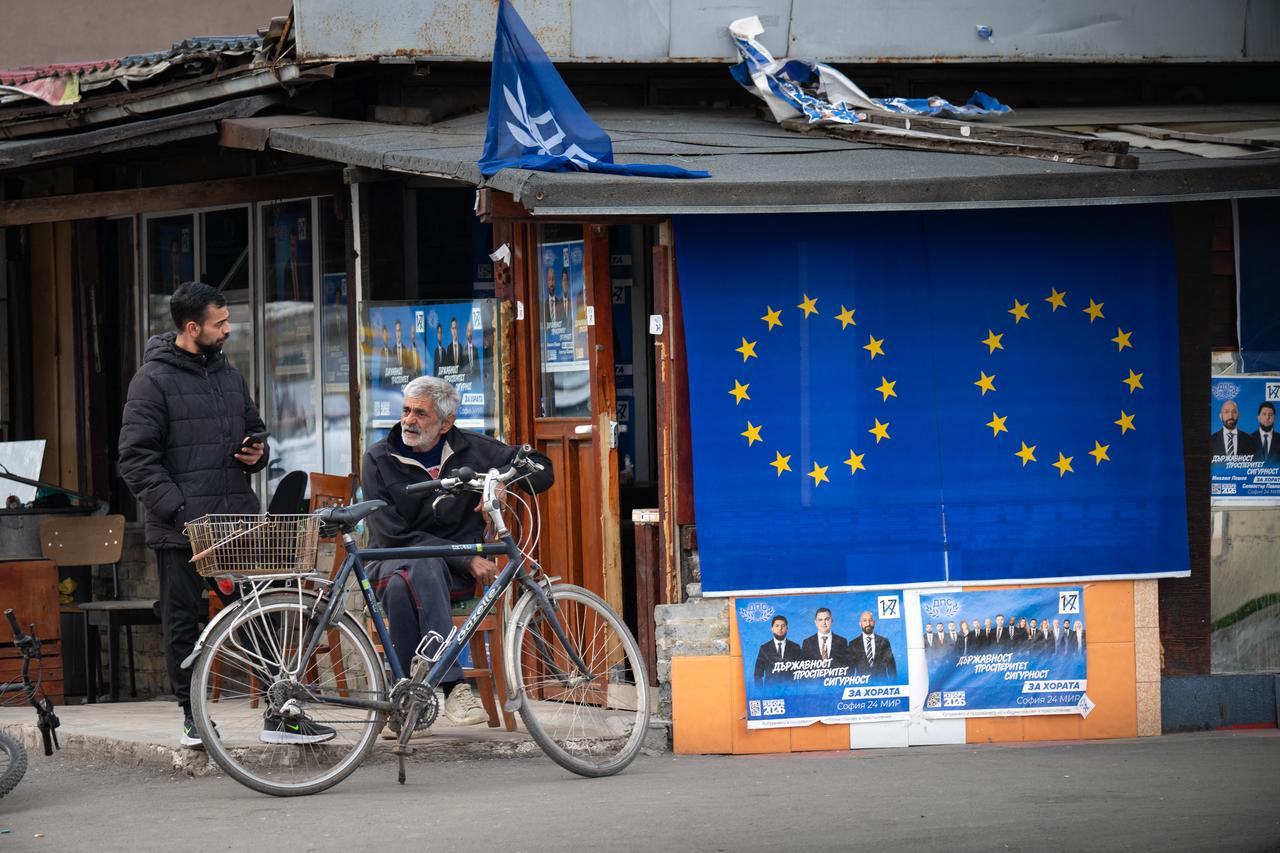
Authorities have raised concerns over foreign interference and vote-buying.
Police said they seized more than €500,000 ($583,000) in cash and arrested over 200 people in raids targeting election fraud.
Officials said vote-buying included paying off debts or distributing cash.
Bulgaria has also asked the European Union to activate its rapid alert system to counter disinformation campaigns, a move criticized by Radev as an attempt to “discredit” the vote.
 1 min read
The next parliament will face major challenges, including judicial reform and filling key positions currently held by acting officials due to the prolonged crisis.
Bulgaria ranked 84th in the 2025 Corruption Perceptions Index by Transparency International, the lowest in the European Union.
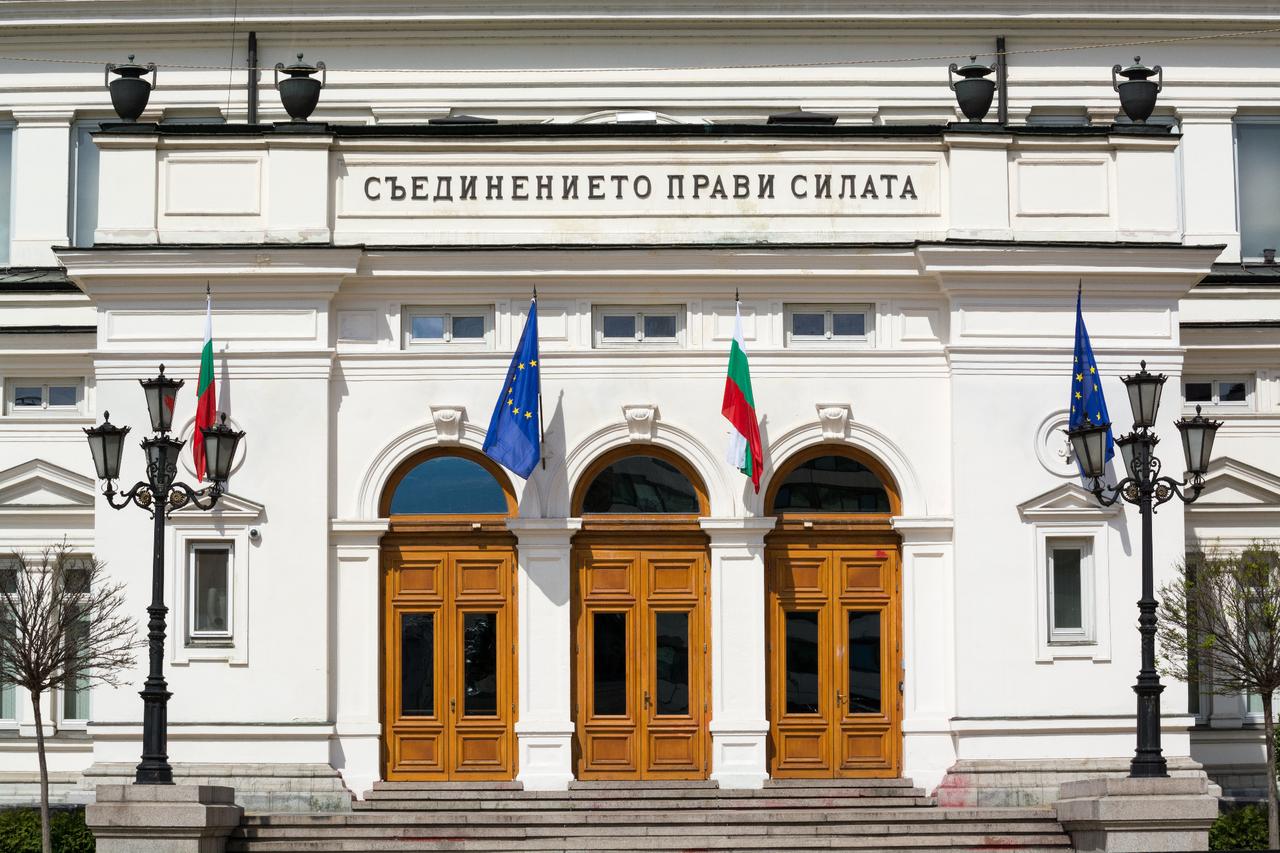
If Radev’s bloc secures more than 100 seats in the 240-member parliament, analysts say he could form either a minority government or a coalition with limited compromises, potentially bringing a period of relative stability.


 Set as preferred source
 Set as preferred source


 1 min read