Newsletters


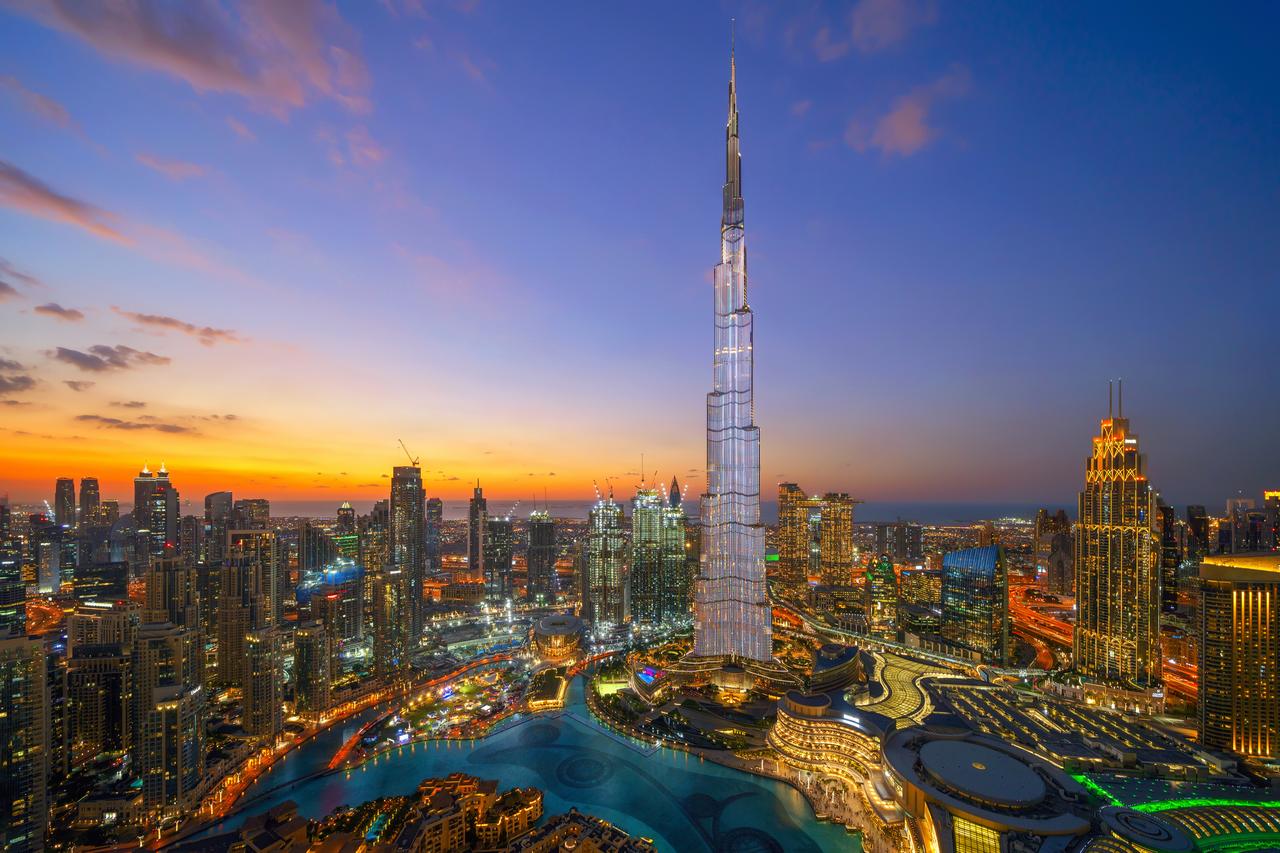


The Burj Khalifa, along with other landmark buildings of the UAE, went through a close call attack when Iranian Shahed drones flew all over Dubai and Abu Dhabi skylines in the first days of the U.S.-Israeli attacks on Iran.
Completed in 2010, Burj Khalifa stands as the tallest building in the world, reaching 828 meters (2,716 feet) with 163 floors above ground and two additional levels below ground.
While most of the Iranian attacks were intercepted, some of the UAE’s most recognizable structures suffered damage, including Fairmont The Palm hotel in the upscale Palm Jumeirah area and the Burj Al Arab hotel. Dubai International Airport and Abu Dhabi’s Zayed International Airport were also struck, with one reported fatality at the latter.
The strikes reportedly targeted Gulf states in part because they host U.S. military forces and maintain close security ties with Washington, which Tehran views as aligned with operations against Iran.
Construction of the Burj Khalifa began in January 2004, following Dubai’s ambitious plans to transform its desert landscape into a global hub for tourism, commerce and finance.
The project was developed by Emaar Properties, one of the largest real estate developers in the United Arab Emirates, and designed by the Chicago-based architectural and engineering firm Skidmore, Owings & Merrill. Adrian Smith, the firm’s lead architect at the time, played a central role in conceptualizing the building’s design.
Initially known as Burj Dubai, the tower was renamed Burj Khalifa in honor of UAE President Sheikh Khalifa ibn Zayed Al Nahyan at its official opening on Jan. 4, 2010. The construction involved over 12,000 workers from around the world, working across multiple disciplines over a period of roughly six years.
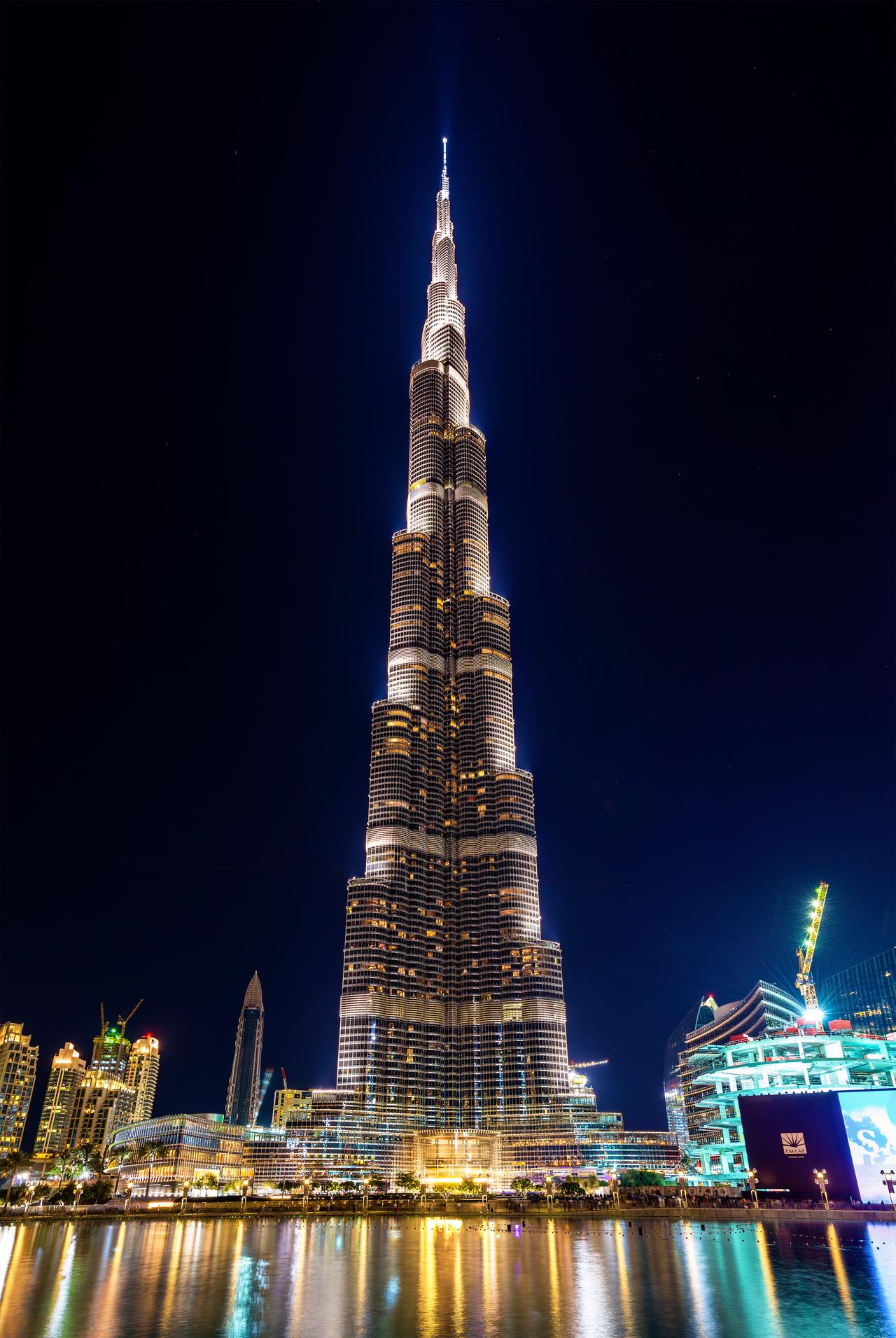

The Burj Khalifa’s design is based on a Y-shaped floor plan, chosen for both aesthetic appeal and structural stability. This configuration allows the tower to resist the strong winds common in Dubai, particularly at higher altitudes, while providing optimal floor space for residential and commercial purposes. The building’s exterior is clad in reflective glazing, aluminum, and textured stainless steel, materials selected to withstand the region’s extreme temperatures and intense sunlight.
The foundation consists of a reinforced concrete mat supported by 192 bored piles extending over 50 meters deep into the ground. The structure employs a buttressed core system, a key engineering solution that enables the tower to rise to unprecedented heights while maintaining stability. The vertical transportation system includes high-speed elevators traveling at up to 10 meters per second, with multiple elevator banks serving residential, office, and observation floors.
Several key milestones marked the Burj Khalifa’s construction:
The project involved the coordination of thousands of engineers, architects, and laborers, making it one of the largest construction undertakings in modern history.
The Burj Khalifa functions as a vertical mixed-use complex, including luxury residential apartments, corporate office space, the Armani Hotel Dubai, and observation decks open to the public on the 124th, 125th, and 148th floors. The observation decks provide panoramic views of Downtown Dubai, the Persian Gulf, and surrounding desert landscapes.
The building’s amenities include restaurants, fitness centers, conference facilities, and mechanical floors strategically placed to optimize building performance and comfort. Its integrated systems, such as water supply, cooling, and fire safety, are designed for the unique demands of a super-tall skyscraper.
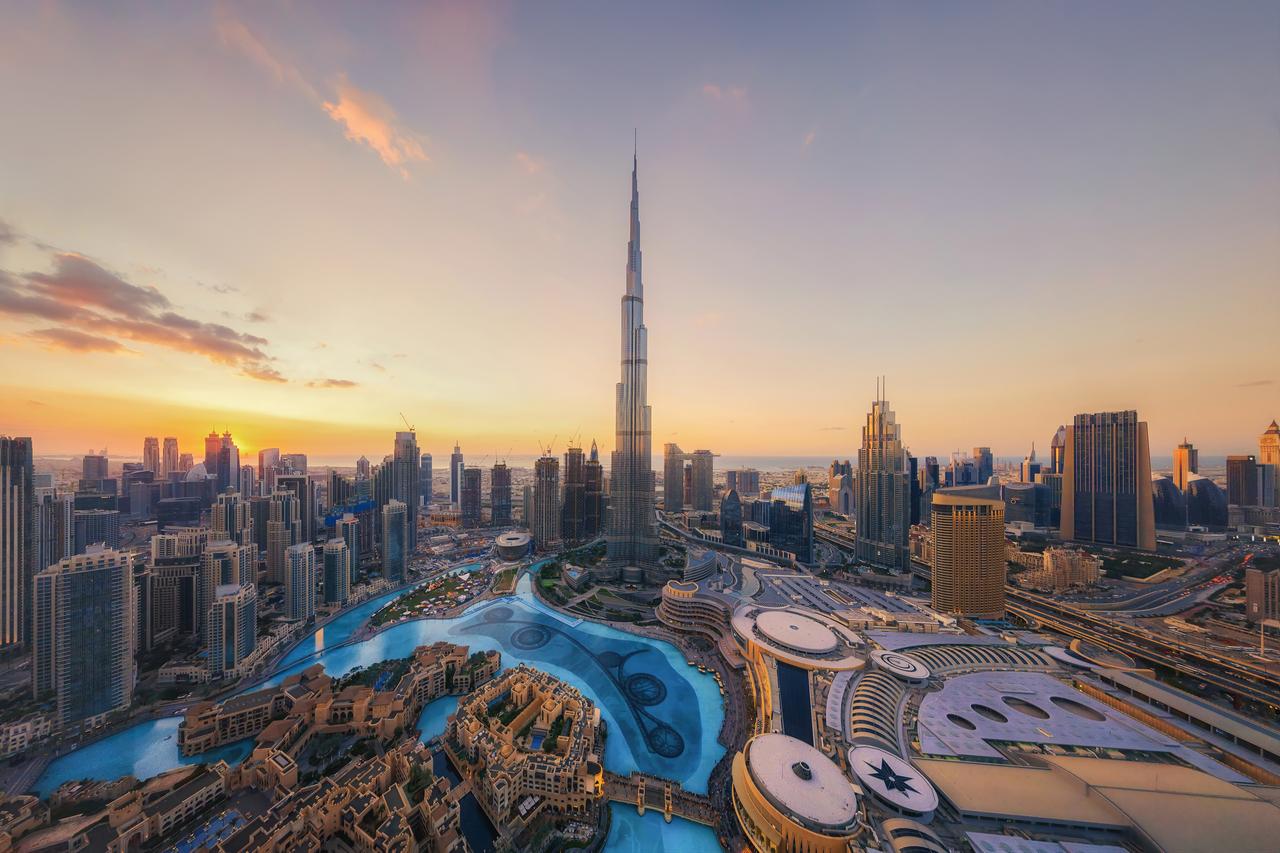
Upon completion, Burj Khalifa set numerous world records, many of which it still holds as of 2026:
On Feb. 28, 2026, Dubai and the UAE faced heightened security concerns after Iran launched a series of missile and drone strikes targeting Gulf states in response to regional military operations. While many missiles were intercepted by UAE defenses, falling debris caused damage to some buildings and infrastructure, and minor injuries and fires were reported in certain areas.
The Burj Khalifa was not directly hit or damaged, though early images circulating online caused some confusion. UAE officials have confirmed that the tower remains structurally safe and intact.


 Set as preferred source
 Set as preferred source


 1 min read
 1 min read