Newsletters


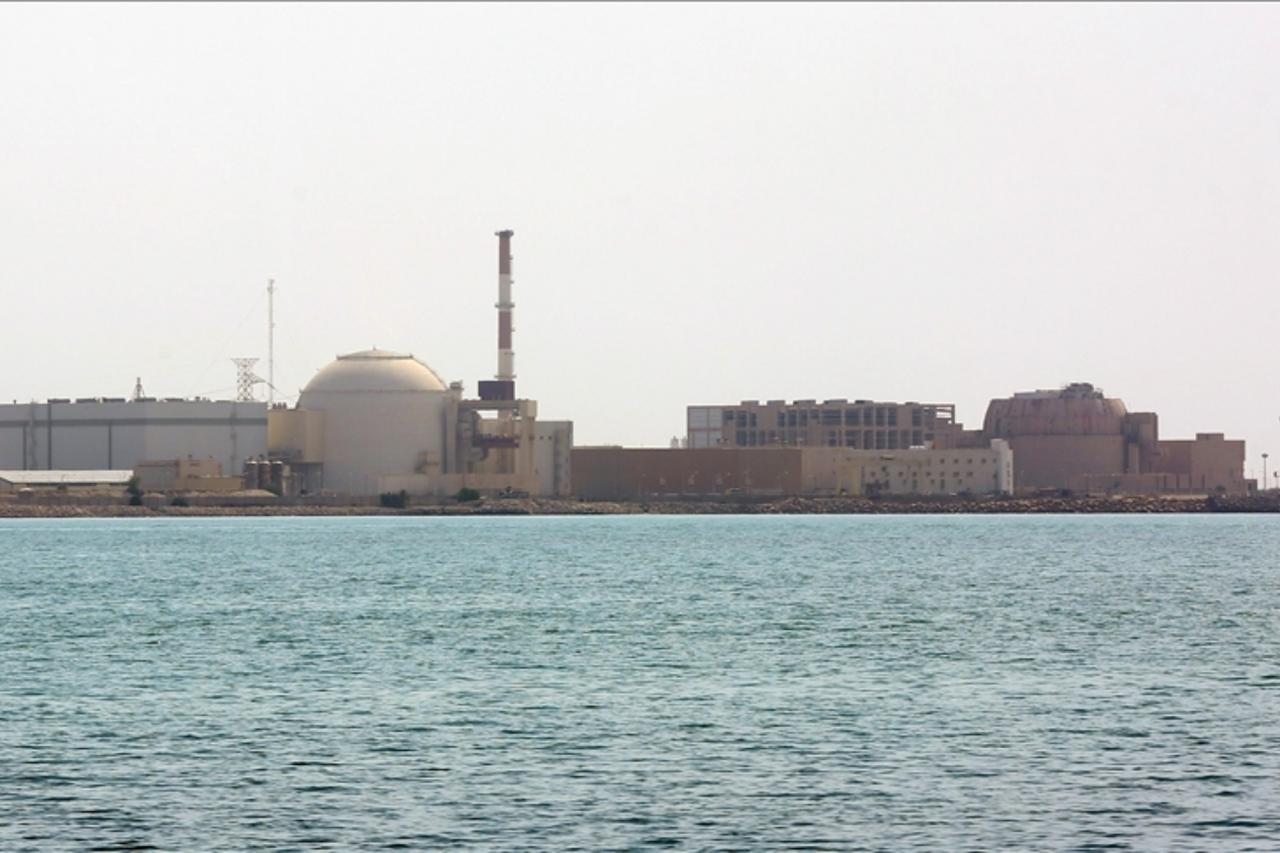


A projectile landed inside the Bushehr Nuclear Power Plant site in southern Iran during U.S.-Israeli airstrikes on Friday, according to Iran’s Atomic Energy Organization.
The agency said the strike marked the third time the facility had been targeted. It reported no casualties or material damage and stated that operations at the plant continued without disruption.
The United States and Israel accuse Iran of pursuing nuclear weapons capability, while Tehran maintains that its nuclear program is intended for civilian use.
Earlier, coordinated airstrikes hit several nuclear facilities in central Iran, including the Khondab heavy water site near the Arak complex and a uranium processing plant in Ardakan, Iranian media said.
Officials reported no fatalities, structural damage, or radioactive leakage from those attacks. Industrial sites, including major steel producers Khuzestan and Mobarakeh, were also targeted later the same day.
The Israeli military confirmed the attacks, describing the Arak site as a "key plutonium production site for nuclear weapons" and the Ardakan facility as a "unique plant used to produce raw materials required for uranium enrichment."
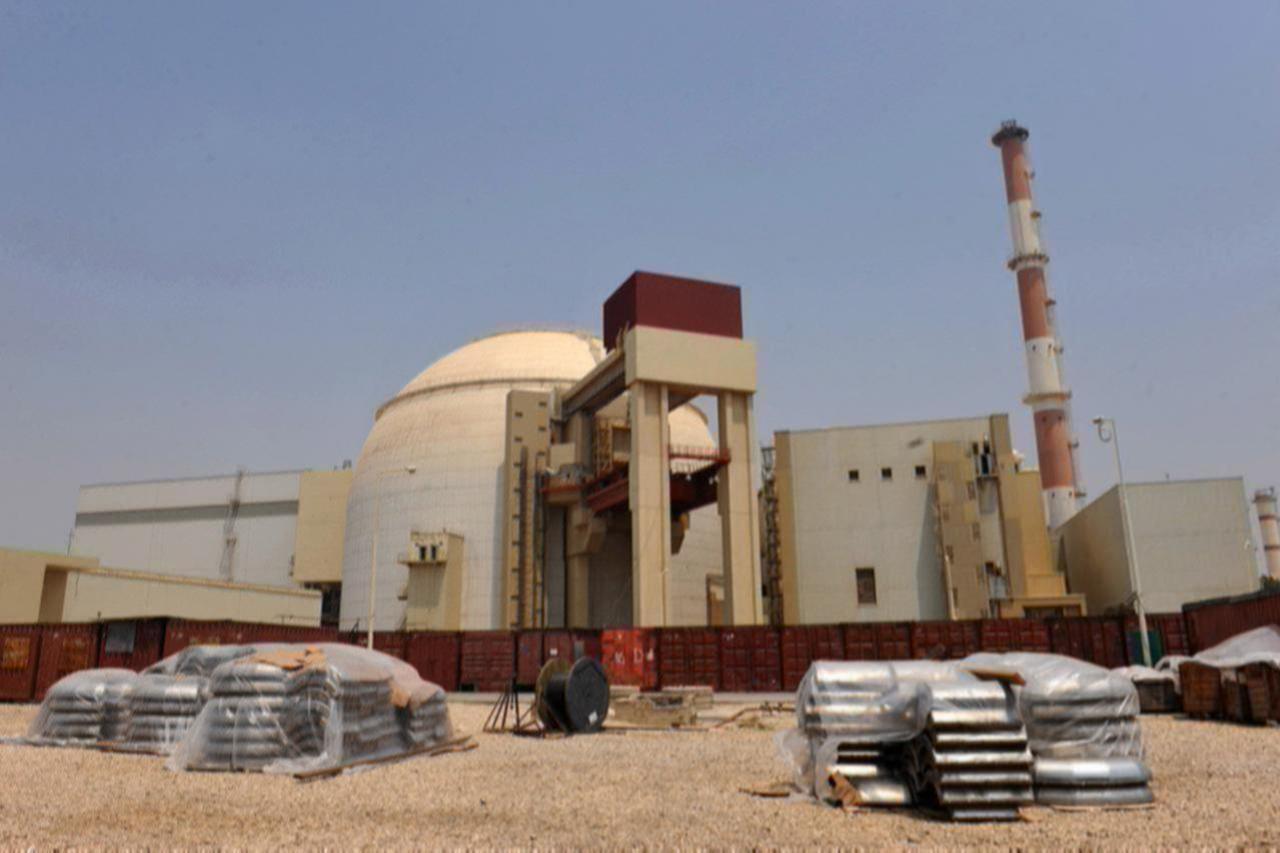

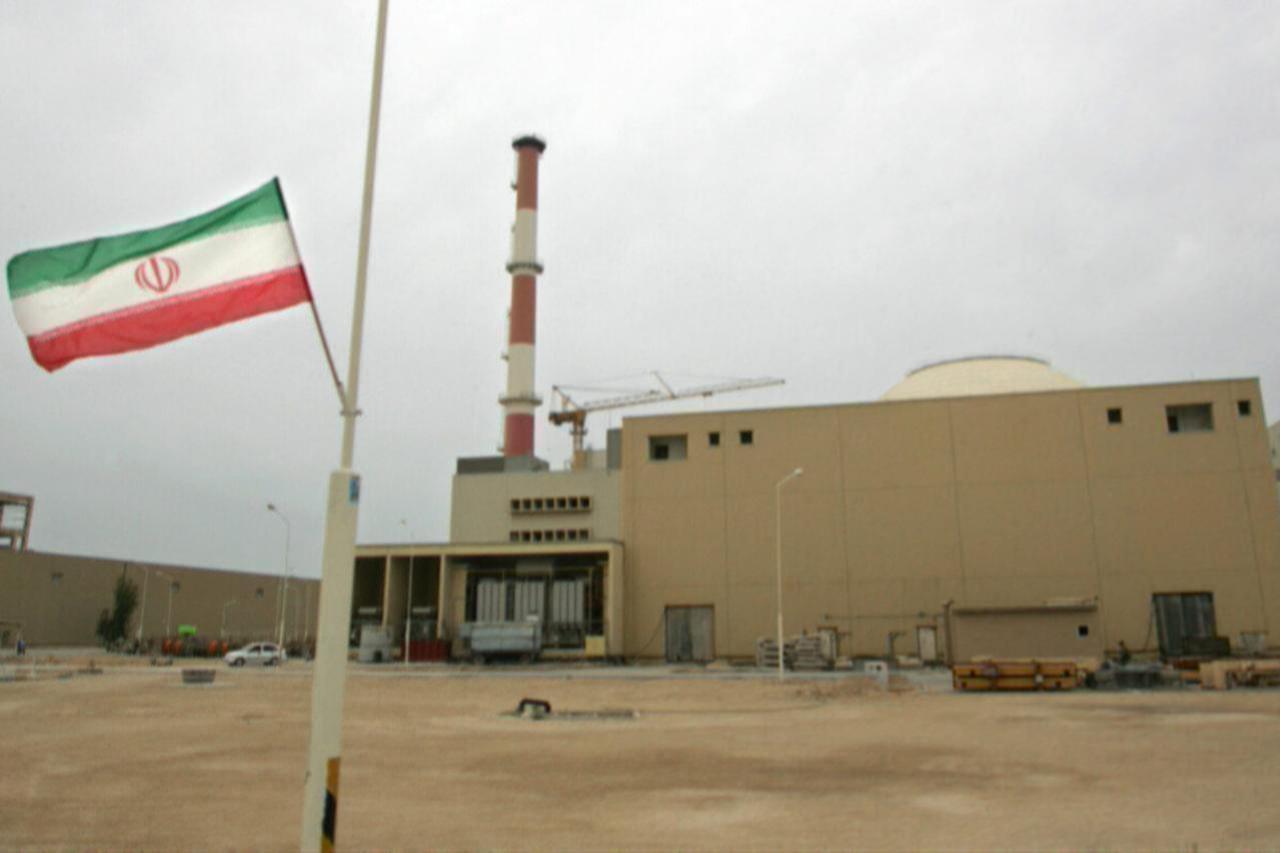
Bushehr, located on the Persian Gulf coast, is Iran’s only operational nuclear power reactor used for civilian electricity generation.
Since 2011, the plant has been connected to Iran’s national power grid, while Russia’s state nuclear corporation Rosatom, which completed the project after taking over construction in the 1990s, has continued to supply nuclear fuel, train Iranian personnel, and provide technical support at the site under long-standing bilateral agreements.
On Wednesday, a missile struck the facility, with the International Atomic Energy Agency (IAEA) saying Iran reported no structural damage or injuries among personnel following the impact.
As attacks intensify, Rosatom said this week it has evacuated another 163 personnel from the Bushehr nuclear power plant, reducing its workforce at the facility to approximately 300, while the company’s head warned that conditions at the site are deteriorating toward what he described as a "worst-case scenario."


 Set as preferred source
 Set as preferred source


 1 min read
 1 min read