Newsletters


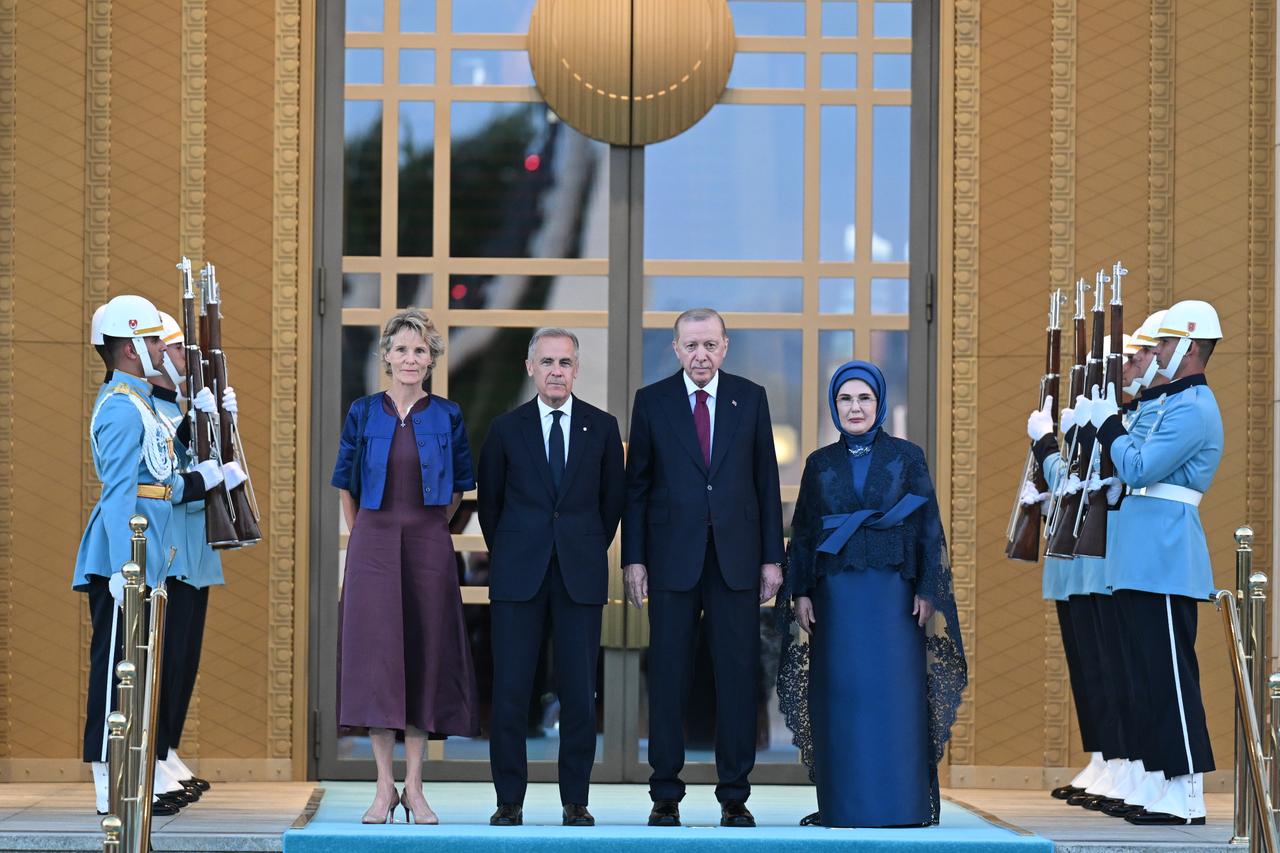


Canadian Prime Minister Mark Carney defended his government's policy of direct engagement with regional powers on Thursday, arguing that Saudi Arabia and Türkiye are among the most consequential players in any potential resolution to the Middle East crisis and that quiet diplomacy outperforms public pressure.
Speaking to reporters during a news conference in Jeddah, Carney said the two countries he visited on his current trip hold outsized sway over the region's future. "Two of the most influential countries with respect to potential solutions are Saudi Arabia and Türkiye," he said.
The remarks came as Carney sought to explain a marked shift in tone from the approach of his predecessor, who drew international attention for publicly rebuking Riyadh over human rights concerns, a posture that triggered a diplomatic rupture between Canada and Saudi Arabia in 2018.
Carney was direct in rejecting the public criticism model. "I do see that lecturing countries from afar is an ineffective strategy," he told reporters. "It's satisfying, but it's ineffective. Engagement can be effective. It doesn't mean it's always effective. Doesn't mean it's decisive, but it can be effective."
The prime minister was careful to frame engagement as distinct from endorsement, stressing that direct dialogue does not amount to blanket approval of another government's conduct. Canada, he said, "cared deeply about human rights," self-determination, and the territorial integrity of nations, but believed those values were better advanced through conversation than condemnation.
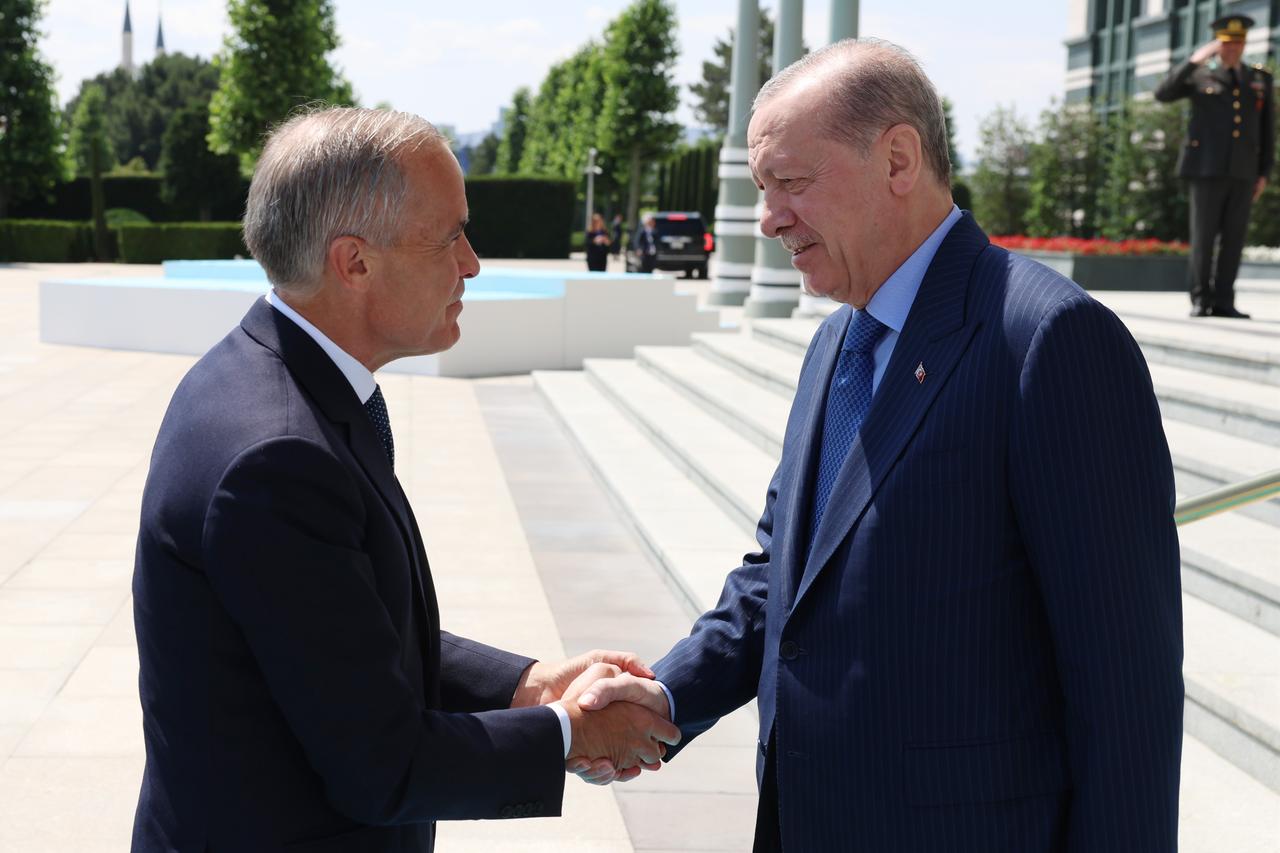
Carney also pointed to his visit to Ankara as evidence of what direct engagement can achieve. He said he raised unresolved bilateral issues with Turkish President Recep Tayyip Erdogan in person, crediting the face-to-face format for producing a favorable outcome that, he argued, would not have been achievable from Ottawa.
He did not specify the nature of those outstanding issues or the outcome he described.
The Jeddah visit also underscored a broader foreign policy reorientation for Ottawa. Carney pointed to Canada's heavy reliance on the United States as a key driver of the government's push to expand and diversify its international partnerships.
"We're over-reliant on that. That's been demonstrated. Every Canadian has very strongly recognized that, and we're looking to diversify," he said.
Canada's relationship with Washington has come under renewed strain in recent months amid tensions over trade and sovereignty, accelerating efforts by the Carney government to deepen ties with partners in the Middle East, Europe, and elsewhere.


 Set as preferred source
 Set as preferred source


 1 min read

 1 min read