Sign in
 Newsletters


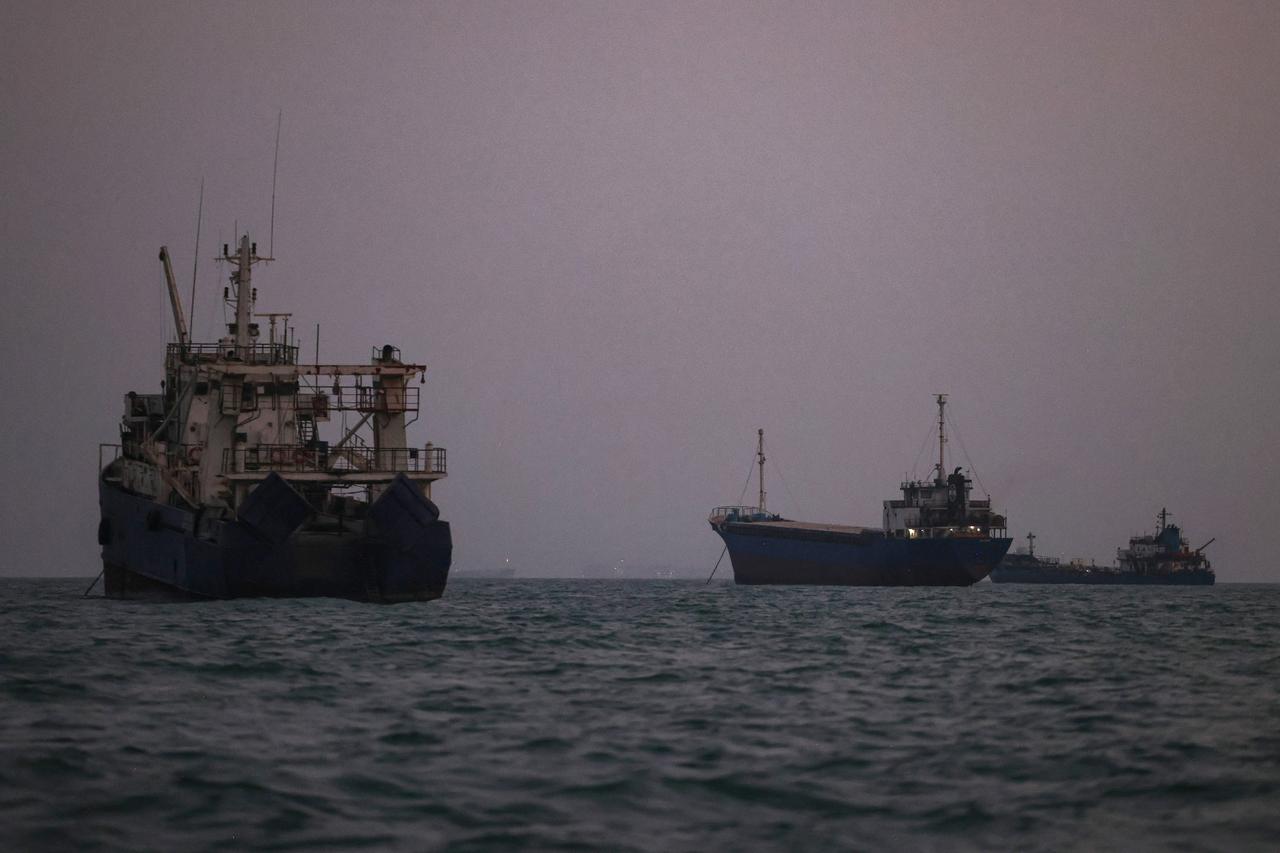


U.S. Central Command (CENTCOM) on Saturday dismissed as "false" a series of claims by an Iranian navy commander, including that Iran recovered two oil tankers "stolen" by U.S. forces and struck the USS Abraham Lincoln.
"Iran no longer has a navy," CENTCOM said on X, calling the tanker account "another fabricated lie."
Neither side's claims could be independently verified.
Iranian navy commander Shahram Irani said Friday that Iranian forces had retaken two Iranian oil tankers seized by the U.S. military, the semi-official Fars news agency reported.
"U.S. military stole two Iranian oil tankers, but our forces boarded the ships while their crews were asleep and managed to recover them," Irani was quoted as saying.
Tehran also claimed that U.S. forces were collecting payments from shipowners in exchange for securing their passage through the Strait of Hormuz. "When the vessels are targeted, it does not acknowledge the issue and does not return the money," Iran said.
 1 min read
CENTCOM said the Iranian commander made "multiple FALSE claims concerning U.S. Forces over the past 24 hours."
It rejected the claim that the U.S. military stole two tankers and that the Islamic Revolutionary Guard Corps (IRGC) navy retook them while American troops on board slept. "The entire situation the Iranian military commander described is another fabricated lie," it said.
CENTCOM also denied that Iranian naval forces struck the USS Abraham Lincoln on the first day of Operation Epic Fury, forcing U.S. forces to seek evacuation help from regional countries.
"The Abraham Lincoln Carrier Strike Group was well defended and never struck by Iran," CENTCOM said, adding that the strike group completed "a historically successful combat deployment" and returned safely to the U.S. last month.
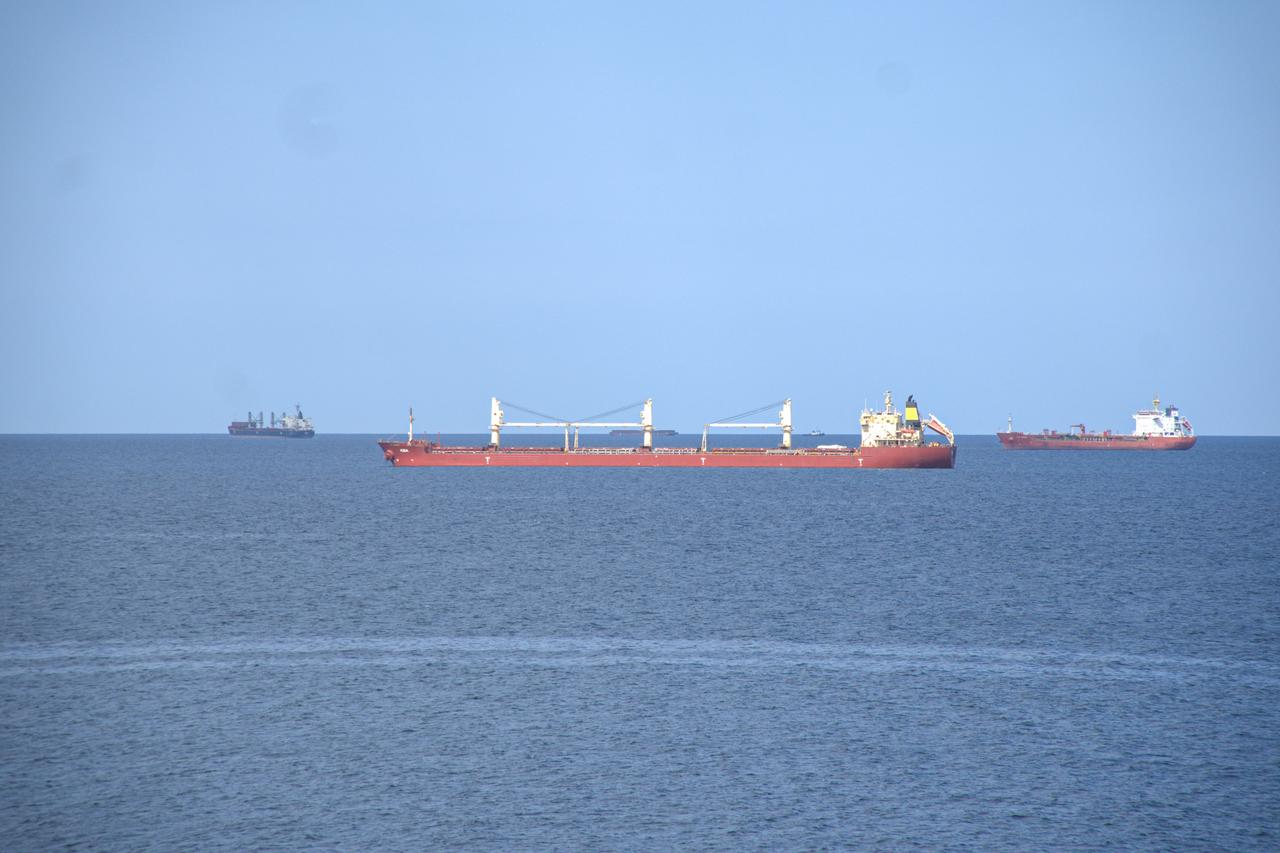
On the claim that it charges ships $2.5 million to transit Hormuz, CENTCOM said: "While U.S. forces and regional partners do control the Strait of Hormuz, there is no toll for passing ships."
"Thousands of ships and billions of crude oil barrels have transited the strait freely and safely under U.S. protection despite unwarranted Iranian aggression," it said.
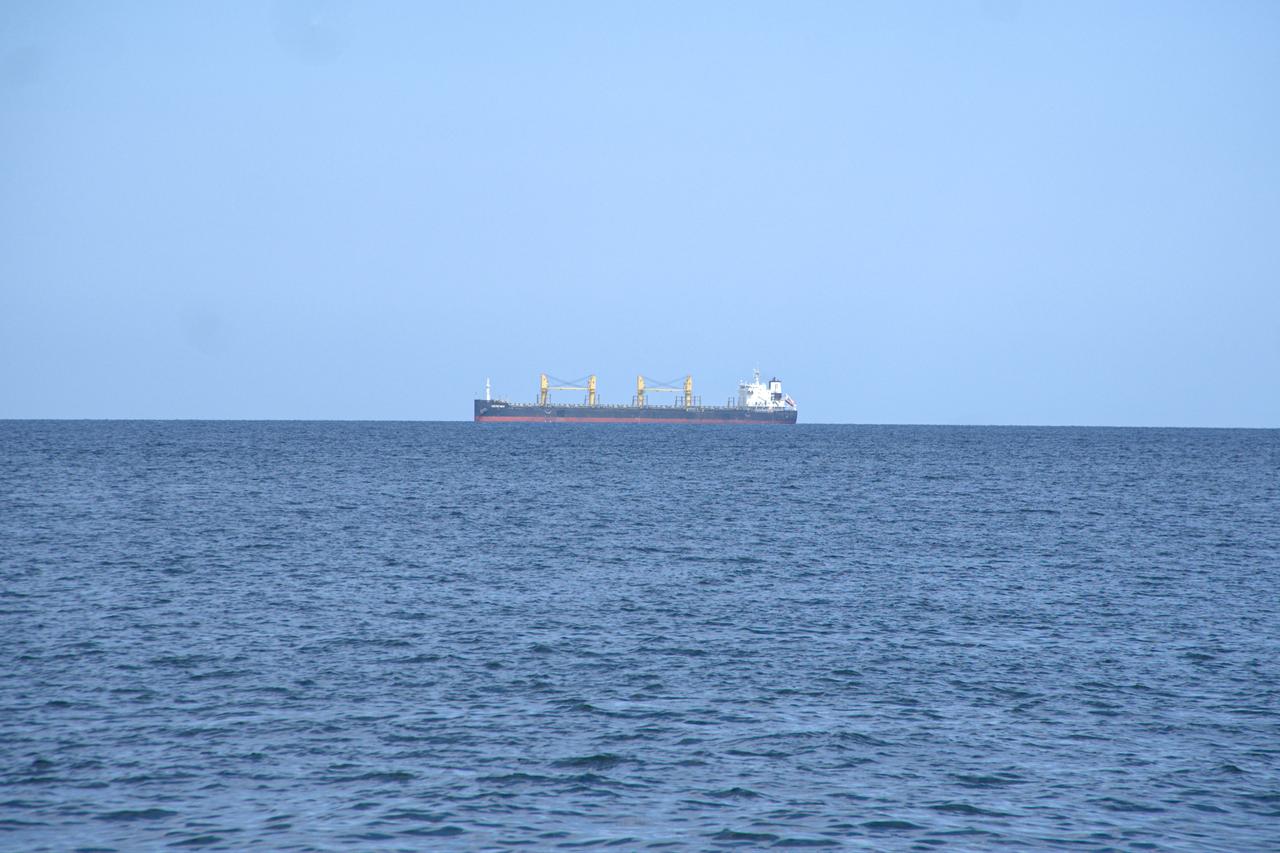

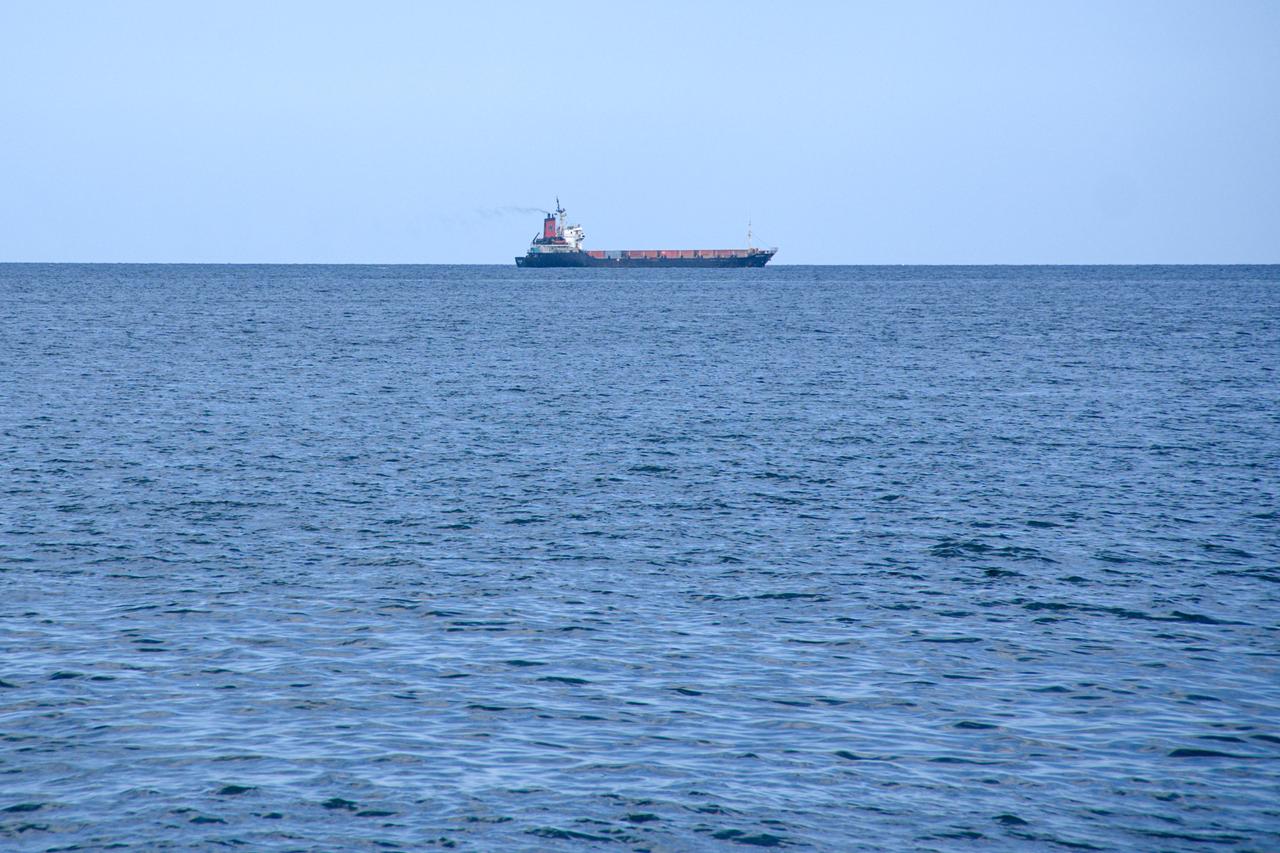
CENTCOM separately announced on Friday that the U.S. forces disabled the Palau-flagged bulk carrier M/V Pacific Archer in the Gulf of Oman on Thursday after its crew tried to run the U.S. naval blockade despite multiple warnings.
"A U.S. military aircraft launched precision munitions that struck the stern of Palau-flagged M/V Pacific Archer. The ship's propulsion was ultimately disabled and the civilian crew was unharmed," CENTCOM said.
The vessel had departed the Iranian port of Bandar Abbas.
U.S. forces enforcing the blockade have redirected 158 compliant commercial vessels and disabled six that refused to comply, according to CENTCOM.
The U.S. launched its blockade in mid-July after the collapse of a short-lived agreement with Iran. Iranian Foreign Ministry spokesman Esmaeil Baghaei vowed on Monday to use all available means to counter it.
Marking Iran's Navy Day on Friday, army spokesman Mohammad Akraminia said on X that the navy "controls and monitors" the area from the eastern Strait of Hormuz to the northern Indian Ocean in the current war.
The IRGC also said two tankers struck naval mines near Oman's Khasab port earlier this week.
At least six ships have been struck twice each by Iran in the past two months, in a tactic maritime security consultants call "double tapping," the Financial Times (FT) reported Saturday, citing security consultancy EOS Risk.
They include the ADNOC-owned Navig8 Messi, believed to have been hit three times, the Tara Gas, struck on Nov. 16 and 17, and the Chinese-owned tanker Gem No 2, hit on Oct. 9 and 10, causing a major oil spill near the UAE coast.
ADNOC said it would "not comment on the movement, routing or operational status of individual vessels." Some shipping executives say the double strikes reflect the small number of ships taking the risk, while others see a deliberate strategy to put vessels out of service, the newspaper reported.
Attacks on shipping in October and November reached their highest levels since the war began. Lloyd's List data showed inbound Gulf transits hit a post-conflict record of 237 in October despite more than 50 attacks over the two months.
Iran's list of vessels it deems "non-compliant" with its regime for the strait now exceeds 260 ships, according to maritime analyst Windward.
"The genie is out of the bottle now," said Arran Kennedy, a maritime security analyst at Control Risks, adding that a return to normal was "the least likely scenario now."
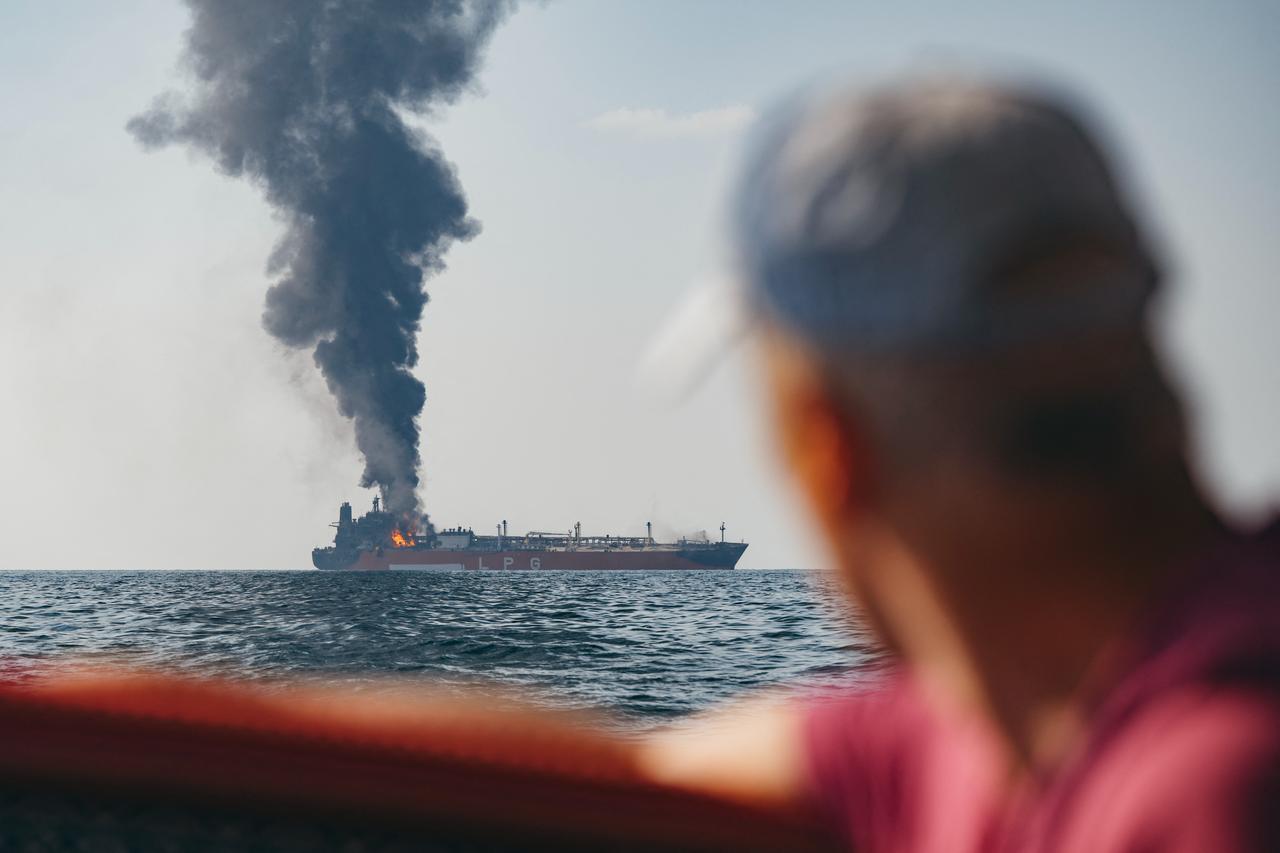
The U.S. and Israel launched a war against Iran on Feb. 28, prompting Iranian missile and drone attacks across the region and the effective closure of the Strait of Hormuz.
A Pakistani-mediated Memorandum of Understanding (MoU) signed June 18 stalled over disagreements on navigation in the strait. Iran has said Hormuz could reopen within two days if Washington accepts its demands, including lifting the blockade.


 Set as preferred source
 Set as preferred source


 1 min read