Sign in
 Newsletters


Attacks on commercial shipping in and around the Strait of Hormuz exceeded 30 in October, the highest monthly total since the U.S.-Iran war began in late February, according to data from the U.K. Maritime Trade Operations (UKMTO).
At least 22 attacks were reported in November as of Sunday across the Strait of Hormuz, the Gulf and the Gulf of Oman, the second-highest monthly figure of the war, according to UKMTO data.
Before October, reported attacks averaged about 10 a month.
International Maritime Organization (IMO) data also point to October as the peak for confirmed incidents this year.
The figures are likely an undercount.
"Additional incidents are known but cannot be independently verified," UKMTO said in its weekly overview Friday.
In mid-October, it said it was "struggling to accurately report true number of attacks with majority of vessels attacked refusing to report to UKMTO."
Many ships have also switched off tracking devices to avoid detection.
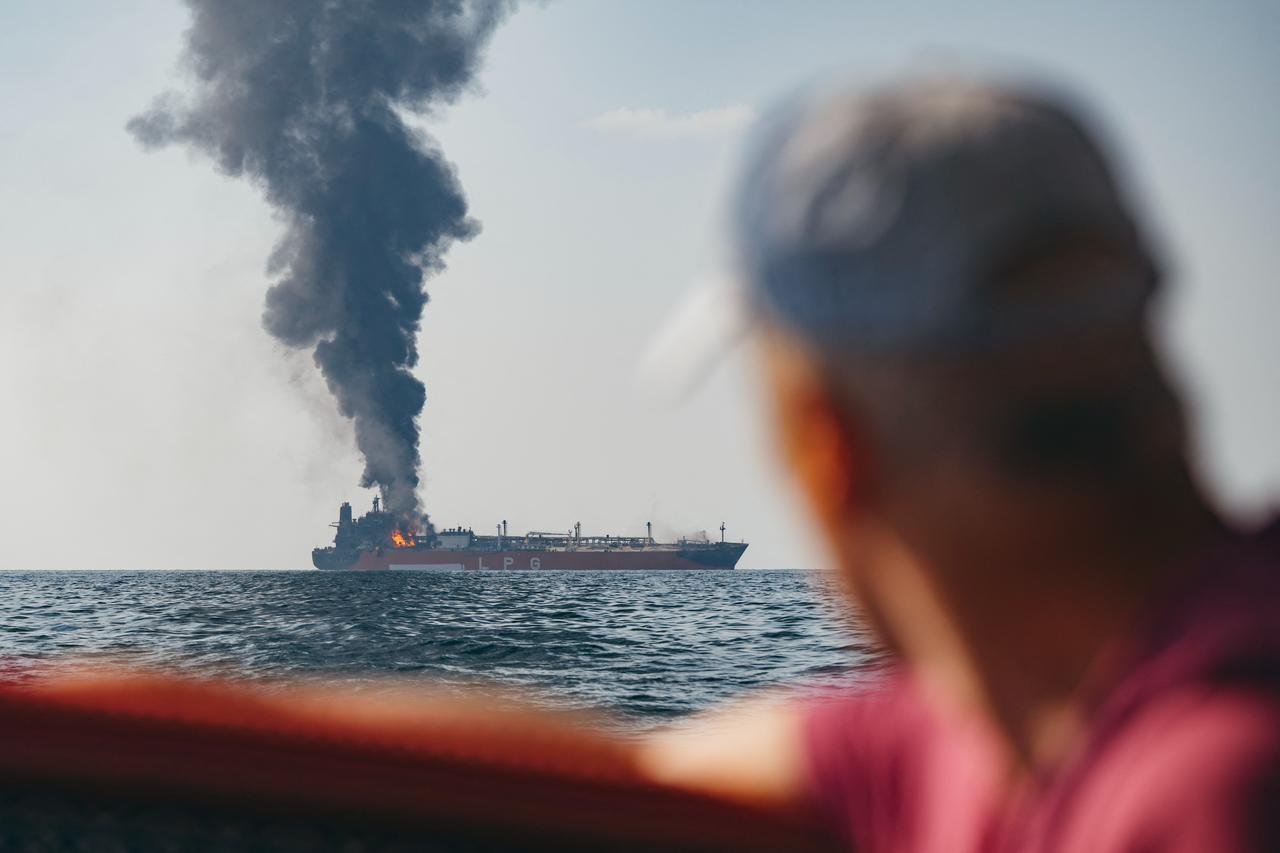
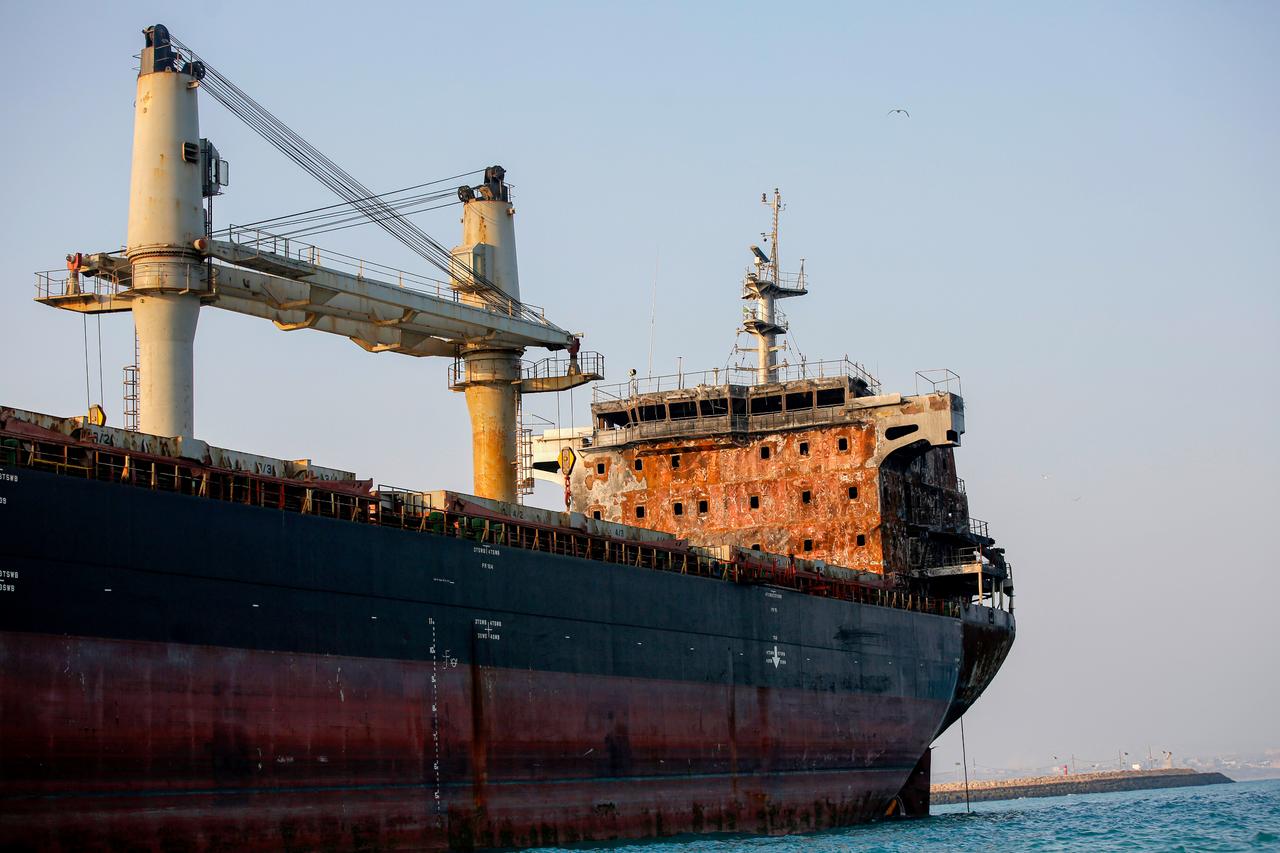
Projectiles struck three tankers exiting the strait Friday and Saturday, maritime risk firm Marisks said.
Fire broke out on the Marshall Islands-flagged chemical and oil tanker Captain Leon after a bow hit at 3:00 p.m. GMT Friday, with all crew reported safe.
The Hong Kong-flagged crude tanker Torkel caught fire after a stern hit at 05:00 a.m. GMT Saturday, and less than an hour later the Hong Kong-flagged Arina was struck in the engine room by a missile, according to Marisks.
Marisks said the attacks showed a "continued critical threat" to shipping, particularly in the "southern corridor" near Oman's coast, which Iran opposes. Iran's military has claimed near-daily incidents, often attributing them to sea mines.

Commercial traffic through the strait, which carried about a fifth of global oil before the war, remains about 65% below prewar levels after Iran's efforts to halt shipping and the U.S. blockade of Iranian ports.
"Iranian oil on water outside the (U.S.) blockade zone has hit zero as the last cargoes discharged in China earlier this month. Consequently, Iran's oil revenues could drop to zero by mid-December," data firm Kpler said in late October.
The International Energy Agency (IEA) has attributed the recent fall in oil prices to recovering Gulf exports and easing fears of new U.S. military action after the midterms.
"Markets appear to be increasingly assuming that a return to full-scale war is unlikely and that oil supplies will gradually recover. But that assumption could change quickly if Iran decides to intensify the confrontation," Hamidreza Azizi of the International Crisis Group told CNN.
"We don't need a deal with Iran. Those days have long since passed! We've got their money, Hundreds of Billions of Dollars, and we've got their Strait!" U.S. President Donald Trump wrote on Truth Social this month.
On Sunday, he said he was inclined to resume strikes after the New Year if no deal is reached, as attacks on Hormuz shipping hit a wartime high.


 Set as preferred source
 Set as preferred source


 1 min read
 1 min read